Amazon Slash Prices on Blink Mini 2K+ Cameras to $19.99 in Major Black Friday and Cyber Monday Smart Home Promotions

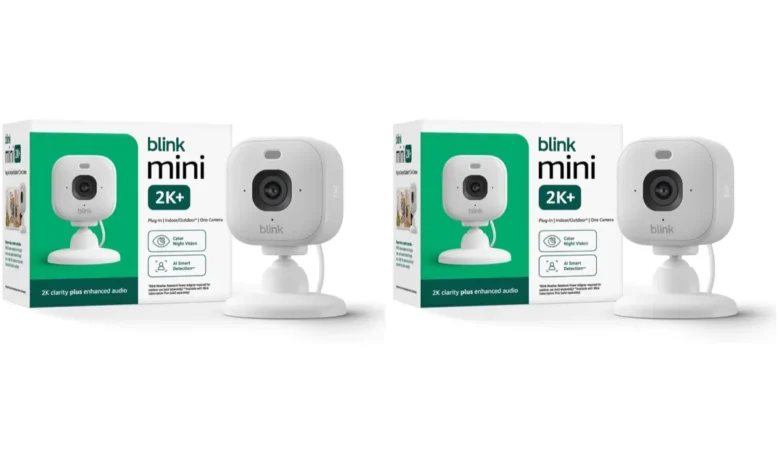
As the holiday shopping season reaches its peak with the ongoing Black Friday and Cyber Monday retail events, consumers are increasingly seeking affordable ways to enhance their home security and peace of mind. Capitalizing on this consumer demand, Amazon has rolled out a significant discount on one of its most popular indoor surveillance devices, slashing the price of a two-pack of Blink Mini 2K+ plug-in cameras to just $19.99, down from its standard retail price of $79.98. This substantial 75% markdown allows buyers to acquire two separate high-definition units for a fraction of the cost typically associated with a single camera, enabling comprehensive multi-room monitoring or dual-angle coverage of critical entry points.
The timing of these promotional events aligns with a broader industry trend where major technology conglomerates and independent retailers alike use extended holiday sales windows to capture market share in the rapidly expanding smart home ecosystem. Industry analysts note that consumer spending on Internet of Things (IoT) devices and residential security systems spikes significantly during the fourth quarter, driven by gift-giving traditions and a heightened focus on home safety during the darker winter months.
Hardware Specifications and Design Features
Despite the aggressive price point, the Blink Mini 2K+ is engineered to meet modern consumer expectations for clarity and reliability in home monitoring. The cameras capture video footage in crisp 2K resolution, a notable upgrade from standard 1080p entry-level alternatives, significantly reducing pixelation and eliminating the need to strain when reviewing crucial details in recorded footage. Additionally, the devices feature up to 4x digital zoom capabilities, allowing users to closely inspect specific areas of a room directly from their mobile devices.
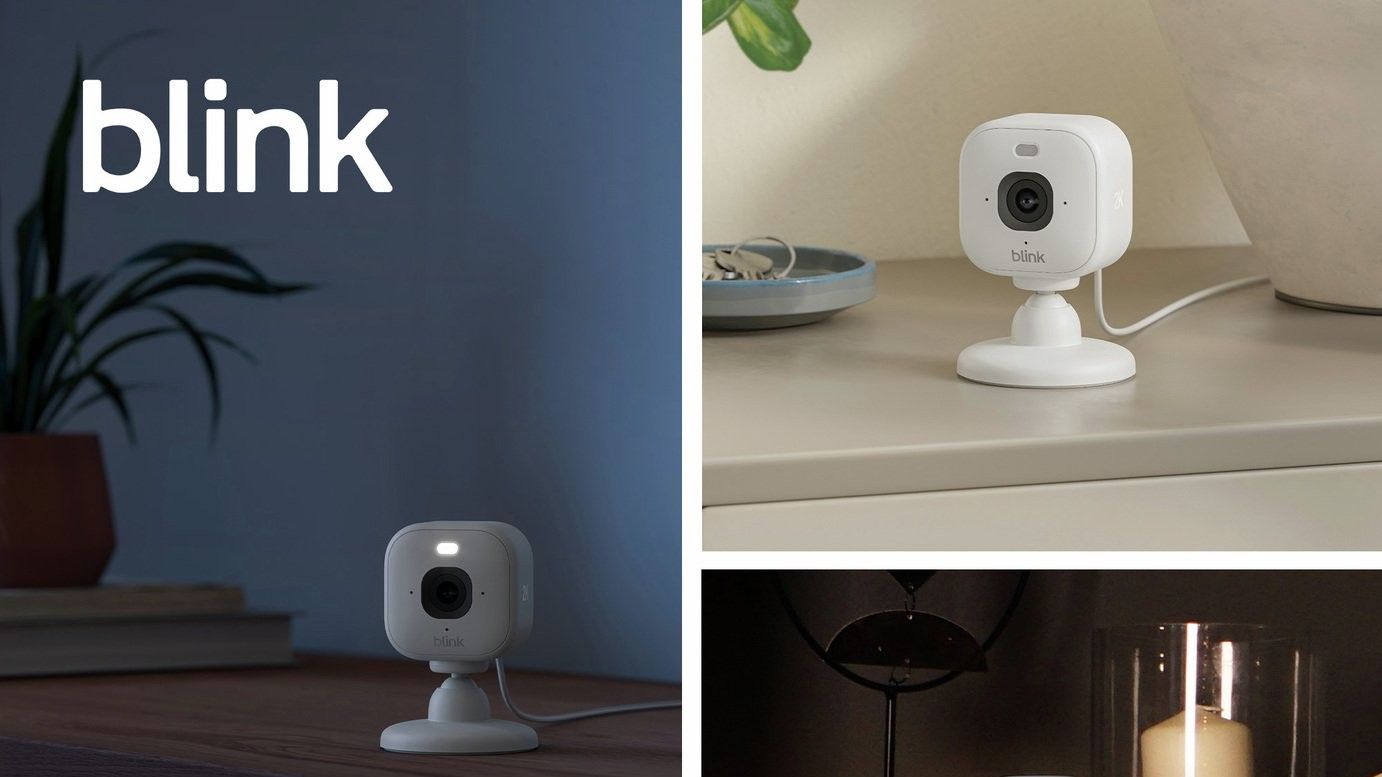
Physically, the hardware maintains a minimal footprint. Designed with a sleek, compact profile, the plug-in cameras can be placed unobtrusively on bookshelves, mantels, or mounted on walls without disrupting existing interior decor. A standout functional inclusion at this price tier is the integrated motion-activated spotlight. When the camera’s passive infrared sensors detect movement, the spotlight can automatically illuminate the space, serving both as a visual deterrent to potential intruders and as a mechanism to capture clearer, color-infused night vision footage compared to traditional infrared-only setups.
Ecosystem Integration and Usability
The integration of the Blink Mini 2K+ within the broader consumer technology landscape is governed by its parent company’s ecosystem architecture. Setup and daily monitoring are managed centrally through the dedicated Blink Home Monitor application, available on both Android and iOS platforms. Through the application, users can configure motion detection zones, adjust sensitivity levels, receive real-time push notifications, and initiate live-view sessions from anywhere with an internet connection.
Furthermore, the cameras offer seamless interoperability with Amazon’s voice assistant infrastructure. Users who own compatible Alexa-enabled smart displays, such as an Echo Show, can utilize voice commands to view live camera feeds hands-free. This tight integration makes the hardware an attractive proposition for households already embedded in the Amazon Alexa ecosystem.
Conversely, industry watchdogs and consumer advisory columns have highlighted important limitations regarding cross-platform compatibility. Because Blink is a wholly owned subsidiary of Amazon, the hardware is intentionally optimized for the Alexa environment rather than competing platforms like Google Home or Apple HomeKit. Consequently, consumers who have constructed their smart home networks around Google Nest devices or the Google Home app will find that the Blink Mini 2K+ lacks native integration with their existing hardware. Retail analysts emphasize that buyers must evaluate their current smart home infrastructure before committing to a purchase, as mixing ecosystems often results in fragmented user experiences and disjointed automation routines.
Background and Retail Context
The strategic discounting of smart home hardware during Black Friday and Cyber Monday has evolved over the past decade from a temporary inventory-clearing exercise into a sophisticated customer acquisition funnel. Major tech companies frequently sell entry-level hardware at or near cost during the holiday shopping window to onboard new users into their proprietary software ecosystems, cloud storage subscription plans, and voice-controlled networks.
In the case of Blink, while the hardware itself is heavily discounted to $19.99 for a dual-pack, ongoing revenue is often generated through optional cloud subscription tiers. These plans unlock extended cloud video storage, person detection algorithms, and advanced sharing features. Industry observers point out that while the upfront hardware savings are genuine and substantial, consumers should factor potential long-term subscription costs into their purchasing decisions, although the cameras remain fully functional for basic live-streaming and local alerting without a paid plan.
Market Implications and Consumer Guidance
The aggressive pricing of the Blink Mini 2K+ underscores an increasingly competitive landscape within the residential security sector. As manufacturing costs for high-resolution image sensors and wireless chipsets decline, baseline expectations for home security devices have risen. Consumers no longer need to invest hundreds of dollars in professional installation services or complex wired systems to achieve baseline surveillance and peace of mind.
For households seeking a straightforward, budget-friendly entry point into smart home monitoring—and particularly those already utilizing Amazon Alexa devices—the current promotion represents exceptional value. However, market researchers caution against impulse buying driven solely by steep discount percentages. Ensuring hardware compatibility with existing smartphones, routers, and voice assistants remains a critical step for consumers aiming to build a cohesive, automated living environment rather than a collection of isolated gadgets.