Future Ipad Updates Could Add Powerful New Mac Like Features Over The Next Two Years Apples Tablet Again Sets Its Sights On Replacing Your Laptop
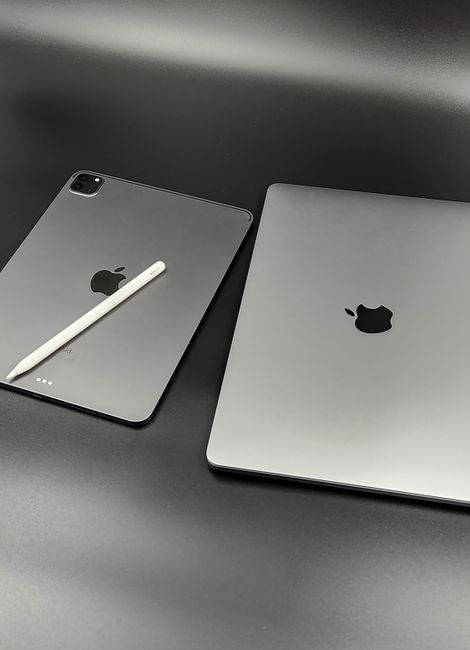
Beyond Portability: Apple’s iPad Poised to Evolve into a Mac-Grade Powerhouse in the Next Two Years
The iPad, long lauded for its intuitive touch interface and unparalleled portability, is at a critical juncture in its evolutionary trajectory. While it has carved out a significant niche as a consumption device and a powerful tool for creative professionals, its ambition to truly supplant traditional laptops for a broader user base hinges on a series of strategic hardware and software enhancements Apple is likely to implement over the coming two years. These forthcoming updates are not mere incremental improvements; they represent a concerted effort to imbue the iPad with Mac-like computational power, multitasking capabilities, and a workflow that can rival and, in many cases, surpass that of its laptop counterparts. The foundation for this transformation is already in place, fueled by Apple’s in-house silicon prowess and a growing ecosystem of iPad-optimized applications. The next 24 months will see this potential unleashed, pushing the iPad firmly into the realm of a primary computing device for a significantly larger demographic.
Central to this impending Mac-like evolution is the continued advancement of Apple’s A-series and M-series silicon. The iPad Pro models have already benefited from M-chip integration, demonstrating a performance ceiling previously unimaginable on a tablet. In the next two years, expect these chips to become even more potent, not just in raw processing power but also in specialized AI/ML acceleration. This increased neural engine capacity will unlock more sophisticated on-device machine learning tasks, from advanced photo and video editing to more intelligent predictive text and voice recognition, mirroring the capabilities found in modern Macs. Furthermore, the integration of more powerful GPU cores will translate into smoother, more complex graphical workloads, making the iPad an even more compelling option for 3D rendering, CAD software, and high-fidelity gaming that previously demanded a dedicated graphics card. The ability to handle these computationally intensive tasks without breaking a sweat is a critical step towards true laptop replacement.
Software, however, is where the most transformative Mac-like features are likely to materialize. iPadOS, while increasingly capable, still operates under certain limitations that distinguish it from macOS. Over the next two years, we can anticipate significant overhauls to its multitasking and window management systems. Imagine a truly flexible, resizable windowing environment that allows for seamless side-by-side app usage, akin to macOS’s Stage Manager but with greater depth and responsiveness. This would include improved drag-and-drop functionality between applications, enabling users to easily move files, text, and images without intermediary steps. The implementation of a more robust file management system, perhaps drawing inspiration from Finder on macOS, would further enhance productivity by providing a centralized, hierarchical view of all stored data, both local and cloud-based. This would alleviate the current reliance on app-specific file browsers and offer a more unified approach to data organization, a hallmark of a true desktop operating system.
The evolution of external display support is another crucial area where the iPad is poised to gain Mac-like functionality. Currently, the iPad can mirror its display or extend it to an external monitor, but the experience can feel constrained. Future updates could bring a more sophisticated external display mode that allows the iPad to function as a secondary display for a Mac, or more significantly, enable a desktop-class experience when connected to a monitor. This could involve an automatically launching "desktop mode" when connected to a larger screen, presenting a taskbar, system menu, and a more traditional windowing interface, effectively transforming the iPad into a portable desktop computer. This would necessitate deeper integration with external peripherals like keyboards and mice, ensuring a fluid and responsive user experience that rivals a dedicated desktop setup. The ability to seamlessly transition between a portable tablet and a full-fledged workstation by simply connecting to a monitor would be a game-changer for many professionals.
Further bolstering its Mac-like appeal will be advancements in application development and support. Apple’s continued push for developers to optimize their iPad apps for the M-chips will lead to an increasing number of professional-grade applications becoming available and performing at their peak on the tablet. This includes a wider array of video editing suites, advanced graphic design software, and even development environments. Moreover, the potential for Rosetta 2-like translation for x86 Mac applications to run on M-series iPads, while a complex undertaking, cannot be entirely discounted as a long-term possibility. Even without direct emulation, the increasing adoption of universal apps that run seamlessly across both macOS and iPadOS will blur the lines between the two platforms, providing a consistent user experience and access to a shared software library.
The introduction of more powerful and intuitive input methods will also play a significant role. While the Apple Pencil is already a stellar stylus, future iterations could incorporate more advanced haptic feedback and gesture recognition, enabling finer control and more nuanced interactions. Similarly, the Magic Keyboard for iPad has been a commendable step, but enhancements in key travel, backlighting, and perhaps even integrated trackpad gestures that more closely mimic macOS could further elevate the typing and navigation experience. The ability to perform complex editing tasks and navigate intricate software interfaces with the precision and speed expected of a laptop will be paramount. Apple’s commitment to refining the user experience through both hardware and software will be critical in ensuring these new features feel integrated and natural.
Finally, the convergence of cloud computing and on-device processing will accelerate the iPad’s transition to a laptop replacement. As internet speeds continue to increase and cloud services become more robust, the iPad can leverage these resources for tasks that still demand significant processing power, while its own powerful M-chips handle local operations and real-time interactions. This hybrid approach will allow the iPad to tackle even the most demanding workflows without requiring the user to be tethered to a powerful desktop machine. The seamless integration of iCloud and other cloud storage solutions will further solidify the iPad as a central hub for digital life, accessible from anywhere with an internet connection, mirroring the cloud-centric workflows that are becoming increasingly prevalent in professional environments. The next two years represent a pivotal period for the iPad, as Apple strategically positions it to not just complement but actively replace the traditional laptop for a growing segment of its user base, ushering in a new era of mobile computing power and versatility.