Tim Cook Promises Ai Breakthroughs In Apple Shareholder Meeting As Ai Ethics Report Shot Down

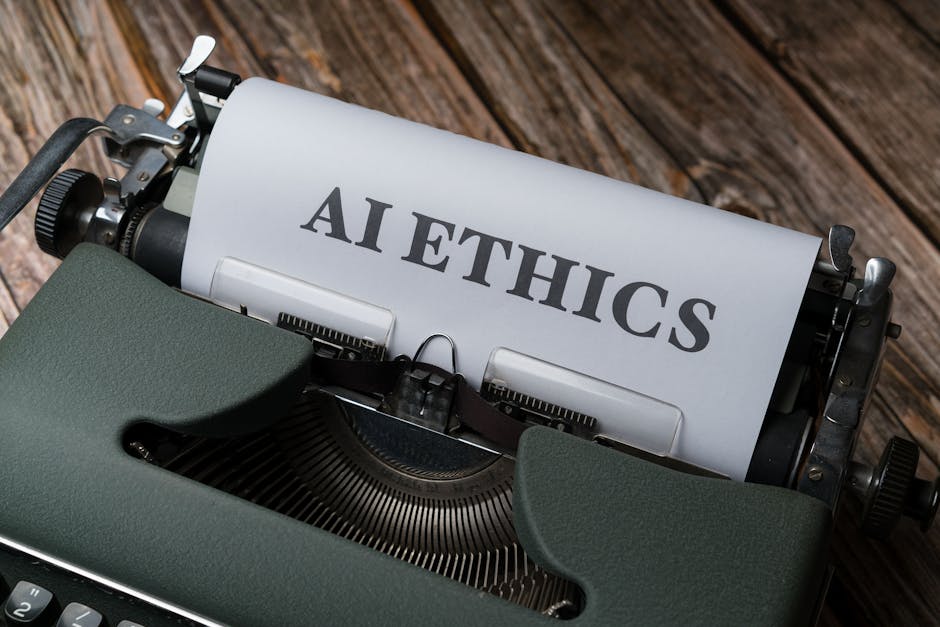
Tim Cook Promises AI Breakthroughs Amidst AI Ethics Report Rejection at Apple Shareholder Meeting
The recent Apple shareholder meeting became a focal point for both the company’s ambitious technological trajectory and its internal governance debates, particularly concerning the burgeoning field of artificial intelligence. CEO Tim Cook, in a decisive address to investors, unveiled a confident outlook on Apple’s future AI endeavors, promising significant breakthroughs that are poised to redefine user experiences across its vast ecosystem. This optimistic projection, however, was juxtaposed with a notable development: the rejection of a shareholder-proposed report focused on AI ethics. This dual narrative underscores Apple’s strategic emphasis on AI innovation while simultaneously signaling a particular approach to addressing the complex ethical considerations inherent in its development.
Cook’s pronouncements at the meeting were not merely aspirational; they were rooted in a clear, albeit undisclosed, roadmap for integrating more sophisticated AI capabilities into Apple’s products and services. He emphasized that AI is not a new frontier for Apple but rather a foundational element that has been quietly woven into the fabric of its devices for years, from facial recognition on iPhones to personalized recommendations on Apple Music. The forthcoming breakthroughs, he suggested, represent an acceleration and deepening of this integration. This implies a focus on more powerful, on-device processing for AI tasks, enhancing privacy and user control, a long-standing tenet of Apple’s philosophy. Furthermore, hints were dropped about advancements in generative AI, a field that has rapidly captured the tech world’s imagination, suggesting that Apple is actively developing its own proprietary models and applications. The potential applications discussed ranged from more intuitive Siri functionalities and enhanced computational photography to sophisticated health monitoring and personalized learning experiences. The underlying message was clear: Apple intends to leverage AI to create even more compelling and seamlessly integrated experiences, solidifying its position as a leader in consumer technology.
The shareholder meeting, however, also brought to light a significant point of contention: the proposed AI ethics report. This report, brought forth by a group of concerned shareholders, aimed to mandate a comprehensive assessment of Apple’s AI development practices, with a particular focus on potential biases, privacy implications, and societal impacts. The proposal sought to establish a more formalized and transparent framework for addressing these ethical challenges, encouraging proactive measures to mitigate risks and ensure responsible AI deployment. The proponents argued that given AI’s transformative power, a robust ethical oversight mechanism is not just prudent but essential to maintain public trust and to align with Apple’s stated values.
The rejection of this AI ethics report was a pivotal moment, indicating a divergence in perspective between a segment of the shareholder base and the company’s leadership regarding the optimal approach to AI governance. While Cook highlighted Apple’s existing commitment to privacy and ethical considerations as intrinsic to its design principles, the shareholders who advocated for the report believed that a more explicit and accountable framework was necessary. The official rationale for the rejection, as communicated by Apple, likely centered on the company’s existing robust internal processes for evaluating and addressing ethical considerations in its product development. This suggests a belief within leadership that current internal structures are sufficient to guide responsible AI development, negating the need for an externally mandated, granular report. This stance positions Apple as confident in its self-regulation, a strategy that has often characterized its approach to innovation and product design.
The implications of this rejection are multifaceted. For Apple, it signifies a continued prioritization of its internal development cycles and decision-making processes. It suggests that the company is not inclined to cede direct control over its AI strategy or its ethical oversight to a shareholder-mandated reporting structure. This can be interpreted as a move to protect its competitive advantage and its ability to innovate at its own pace, free from potentially restrictive external mandates. On the other hand, for proponents of AI ethics, the rejection may be seen as a missed opportunity for greater transparency and accountability. It raises questions about whether Apple’s current internal mechanisms are truly sufficient to address the rapidly evolving and complex ethical landscape of AI. The lack of an explicit, publicly accessible report may fuel ongoing scrutiny and debate from external stakeholders, including privacy advocates, ethicists, and a concerned public.
The market’s reaction to these developments is also noteworthy. Apple’s stock, while subject to numerous market forces, has historically responded positively to signals of strong innovation and future growth. Tim Cook’s optimistic pronouncements about AI breakthroughs are likely to be interpreted by many investors as a positive indicator of future revenue streams and market leadership. The rejection of the ethics report, while potentially raising some governance concerns for socially responsible investors, may not significantly deter the broader investment community that prioritizes financial performance and technological advancement. The narrative of Apple as an innovation powerhouse, driven by cutting-edge AI, is a potent one, and the company’s leadership appears to be betting heavily on this narrative.
From an SEO perspective, the keywords "Tim Cook," "Apple shareholder meeting," "AI breakthroughs," and "AI ethics report" are central to this discussion. The article aims to rank highly for searches related to Apple’s AI strategy, its corporate governance, and the ethical debates surrounding artificial intelligence. By incorporating these terms naturally within a comprehensive narrative, the article seeks to attract a broad audience interested in these critical aspects of the technology industry. The exploration of Apple’s internal decision-making processes regarding AI governance also provides valuable content for those researching corporate responsibility and the future of artificial intelligence regulation.
The conflict between Cook’s confident vision for AI advancement and the rejection of the AI ethics report highlights a broader societal challenge: how to foster rapid technological innovation while ensuring it is developed and deployed responsibly. Apple, as a dominant player in the tech landscape, is under intense scrutiny. Its approach to AI ethics, therefore, has far-reaching implications. While the company asserts its commitment to ethical AI, the shareholder meeting’s outcome suggests a preference for an internally driven, rather than externally mandated, approach to oversight. This will undoubtedly be a continuing point of discussion and observation as Apple navigates the complex terrain of artificial intelligence development and its integration into the lives of billions. The coming years will reveal whether Apple’s internal ethical frameworks are indeed sufficient to meet the challenges posed by increasingly powerful AI, and how the company balances its pursuit of groundbreaking innovation with its responsibility to its users and society. The emphasis on on-device AI processing, a cornerstone of Apple’s privacy-first approach, is likely to be a key differentiator and a central theme in their ethical considerations. This strategy aims to keep sensitive user data localized, reducing the risks associated with cloud-based AI processing and bolstering user trust. The generative AI capabilities that Cook alluded to will likely be developed with these privacy safeguards in mind, setting Apple apart from competitors who may rely more heavily on large, centralized AI models. The successful integration of AI, while addressing ethical concerns, will be crucial for Apple’s continued dominance in the market and its ability to maintain its premium brand image. The shareholder meeting, therefore, was not just a discussion of past performance and future projections, but a crucial juncture in shaping the perception and reality of Apple’s role in the AI revolution.


