Apple Probably Just Leaked The Iphone 16 Release Date

iPhone 16 Release Date Leaked: Everything We Know So Far
A flurry of reports and analyses from industry insiders and supply chain sources strongly suggest that Apple has inadvertently, or perhaps strategically, revealed a preliminary release timeline for the highly anticipated iPhone 16 series. While Apple itself maintains its characteristic silence leading up to official announcements, the consistent pattern of leaks regarding component production, manufacturing schedules, and even subtle changes in developer event planning points towards a September 2024 launch for the iPhone 16, iPhone 16 Plus, iPhone 16 Pro, and iPhone 16 Pro Max. This leaked information, pieced together from various reputable sources, offers a comprehensive glimpse into when consumers can expect to get their hands on Apple’s next-generation smartphone lineup. The usual cadence of Apple’s product launches, particularly for iPhones, has historically been firmly anchored in the fall. The September iPhone event has become a reliable fixture in the tech calendar, with new models typically being announced in the first half of the month and subsequently becoming available for purchase within a couple of weeks. Analyzing the current state of the iPhone 16 supply chain, including the sourcing of A-series chips, display components, and camera modules, indicates that manufacturing is progressing according to a schedule that aligns perfectly with a September 2024 debut.
The foundation of this leaked release date is built upon the intricate and highly secretive iPhone manufacturing process. Apple meticulously orchestrates its supply chain, engaging thousands of component suppliers globally. Information emerging from these suppliers, often through their own internal production targets and shipping manifests, provides crucial, albeit unofficial, insights into Apple’s product roadmap. Recent reports from supply chain analysts and publications specializing in Apple’s manufacturing ecosystem have detailed increased orders for key iPhone 16 components. This surge in component production typically precedes the ramp-up of full-scale assembly, a process that itself requires several months. The timing of these amplified orders, coupled with projections of final assembly commencement, consistently points towards a readiness for product availability in the autumn of 2024. For instance, reports about the production of the A18 Bionic chip, expected to power the iPhone 16 series, suggest that testing and initial manufacturing runs are well underway, indicating a chipset that will be ready for integration into devices destined for a September launch. Similarly, advancements in OLED display production and the procurement of new camera sensors further reinforce this timeline.
Beyond direct supply chain whispers, subtle shifts in Apple’s internal event planning can also serve as indirect indicators. While Apple rarely previews future iPhone launches at its WWDC (Worldwide Developers Conference) in June, the focus of developer sessions and the types of APIs (Application Programming Interfaces) and frameworks that are highlighted can offer clues. Developers are often given early access to information and tools that will be relevant to upcoming hardware. While specific details are scarce at this stage, the nature of the software advancements being previewed at WWDC 2024 might subtly hint at capabilities that will be fully realized on the iPhone 16 hardware, implying that the hardware itself will be imminent. Furthermore, the usual lead time required for app developers to optimize their applications for new hardware features necessitates that Apple provide some level of guidance well in advance of a public release.
The iPhone 16 lineup is widely expected to include four models: the iPhone 16, the iPhone 16 Plus, the iPhone 16 Pro, and the iPhone 16 Pro Max. While the exact specifications and feature sets are still subject to speculation and potential last-minute changes, the leaked release date provides a concrete anchor for these expectations. The iPhone 16 and iPhone 16 Plus are anticipated to receive notable upgrades in terms of processing power and potentially camera capabilities, while the Pro models are expected to push the boundaries further with advanced camera systems, display technology, and performance enhancements. The consistent narrative from leaks suggests that Apple is on track to deliver these devices to consumers around the same time they have in previous years, solidifying the September 2024 timeframe.
Several key technological advancements are rumored to be integrated into the iPhone 16 series, further supporting the proposed release schedule. The A18 Bionic chip, the successor to the A17 Pro, is expected to offer significant performance and efficiency gains. Manufacturing yields and timelines for this new silicon are critical, and reports indicate that TSMC, Apple’s primary chip manufacturer, is on schedule to meet Apple’s production demands for a fall 2024 rollout. This includes the potential for different variants of the A18 chip to be used across the standard and Pro models, a common practice that allows Apple to differentiate its product tiers.
The display technology is another area where significant evolution is anticipated. While the iPhone 15 Pro models introduced ProMotion with adaptive refresh rates up to 120Hz, the iPhone 16 Pro models are rumored to adopt a newer generation of OLED panels that could offer even greater brightness, improved power efficiency, and potentially a slightly larger screen size for the Pro Max variant. The development and mass production of these advanced display panels take considerable time and require extensive testing. The current trajectory of these component preparations strongly aligns with a September launch.
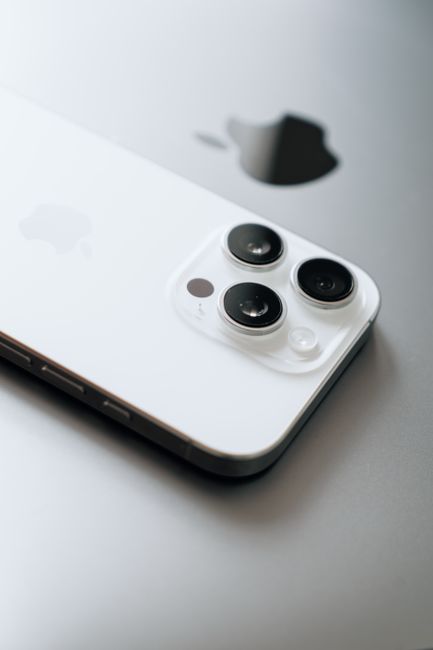
Camera systems are always a focal point for iPhone upgrades, and the iPhone 16 series is no exception. Rumors suggest that the iPhone 16 Pro models could see a return of the 5x optical zoom periscope lens to the smaller Pro model, a feature currently exclusive to the Pro Max. Additionally, speculation abounds regarding improved sensor technology, enhanced computational photography algorithms, and potentially new video recording capabilities. The complex integration of these camera components, including the delicate alignment of lenses and sensors, is a time-consuming process that would need to be in full swing for a September release.
The adoption of Wi-Fi 7 is another potential upgrade that could be integrated into the iPhone 16 series. This next-generation wireless standard offers faster speeds, lower latency, and improved capacity compared to Wi-Fi 6E. The development and certification of Wi-Fi chips capable of supporting Wi-Fi 7 require significant lead time, and early indications suggest that these components are being prepared for mass production in a timeframe consistent with a 2024 iPhone launch.
The physical design of the iPhone 16 models may also see subtle but significant changes. For instance, there have been persistent rumors about the potential introduction of a new "Action Button" across all iPhone 16 models, mirroring the functionality introduced with the iPhone 15 Pro. This would require a redesign of the button array and associated internal components. Furthermore, reports about the possibility of slightly larger screen sizes for the Pro models, particularly the Pro Max, would necessitate adjustments in chassis design and manufacturing tooling. These design-driven manufacturing shifts are typically initiated well in advance of the final assembly phase.
A crucial element of the iPhone release cycle is the iOS software development. Apple typically releases major new versions of iOS at WWDC, with subsequent beta testing and a public rollout coinciding with the new iPhone launch. The features and capabilities showcased in the latest iOS betas are often designed with upcoming hardware in mind. While direct links between specific iOS features and unreleased iPhone hardware are usually kept under wraps, the overall direction of iOS development can provide a general indicator of the hardware it is being optimized for. The current pace of iOS 18 development, with its focus on AI integration and expanded customization options, is likely being honed for the more powerful chipsets and potentially new sensor capabilities expected in the iPhone 16.
The economic factors influencing Apple’s production schedules also play a role. Apple aims to maximize sales during the crucial holiday shopping season, which begins in late November. Launching new iPhones in September allows ample time for consumers to make their purchasing decisions before the peak of holiday spending. This strategic timing has been a hallmark of Apple’s iPhone release strategy for over a decade, and there is little indication that this will change for the iPhone 16.
While Apple itself has not confirmed any details, the overwhelming convergence of evidence from multiple reputable sources, including supply chain analysts, industry publications, and often prescient leakers, paints a clear picture. The manufacturing gears are turning, component orders are being fulfilled, and the software is being refined. All signs point to a familiar but always exciting event: a September 2024 iPhone launch. Consumers eager for the latest advancements in smartphone technology can mark their calendars, as the iPhone 16 series is highly likely to be unveiled and released within the traditional fall timeframe. The consistent reporting from various channels, detailing manufacturing ramp-ups, component sourcing, and even subtle changes in Apple’s operational rhythm, strongly suggests that the iPhone 16, iPhone 16 Plus, iPhone 16 Pro, and iPhone 16 Pro Max will be making their debut in September 2024. This timeline is not based on a single leak but on a consolidated understanding of Apple’s product development and manufacturing cycle, which has proven to be remarkably accurate in past years. The industry will be watching closely for Apple’s official announcement, but the leaked iPhone 16 release date is, for all intents and purposes, a well-established expectation within the tech community.


