Biden Requests 1 6 Billion To Tackle Pandemic Aid Fraud 119105

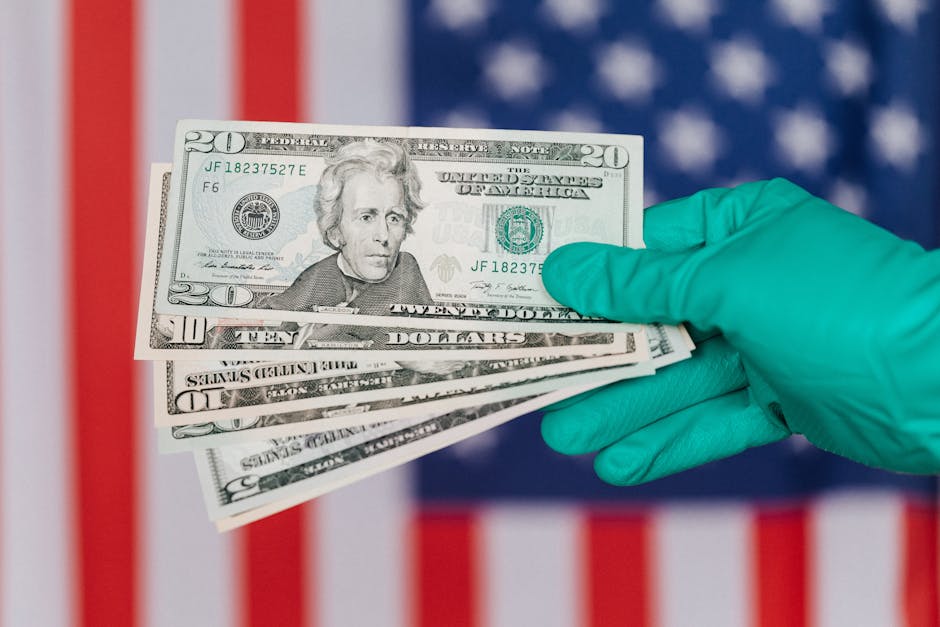
Biden Requests $1.6 Billion to Tackle Pandemic Aid Fraud
President Biden’s administration has formally requested $1.6 billion in supplemental funding from Congress specifically earmarked for combating fraud and abuse within pandemic relief programs. This substantial financial allocation underscores the government’s escalating concern over the pervasive nature of fraudulent claims that have siphoned billions of dollars from crucial COVID-19 relief initiatives. The request highlights a multi-pronged strategy involving enhanced investigative capabilities, advanced data analytics, and increased enforcement personnel to reclaim illicitly obtained funds and prevent future exploitation. The primary objective is to bolster existing efforts and implement new, more sophisticated methods to identify, investigate, and prosecute individuals and organizations responsible for defrauding programs like the Paycheck Protection Program (PPP), Economic Injury Disaster Loans (EIDL), and Pandemic Unemployment Assistance (PUA). The scale of the fraud necessitates a significant investment to ensure accountability and the integrity of taxpayer-funded relief.
The proposed $1.6 billion funding aims to achieve several critical objectives. A significant portion will be directed towards enhancing the investigative capacities of federal agencies, including the Department of Justice (DOJ), the Treasury Inspector General for Tax Administration (TIGTA), the Small Business Administration Office of the Inspector General (SBA OIG), and the Department of Labor Office of Inspector General (DOL OIG). These agencies are on the front lines of detecting and pursuing pandemic fraud. The funds will support hiring additional investigators, forensic accountants, and data analysts, equipping them with the specialized skills and resources necessary to untangle complex financial schemes. This includes investments in cutting-edge technology, such as artificial intelligence and machine learning tools, which can rapidly sift through vast datasets to identify suspicious patterns and anomalies indicative of fraud. The administration recognizes that traditional investigative methods are insufficient to keep pace with the sophisticated tactics employed by fraudsters.
Furthermore, a substantial component of the funding will bolster the DOJ’s efforts to prosecute fraudsters. This involves providing resources for specialized strike forces dedicated to investigating and litigating pandemic fraud cases. These strike forces will bring together prosecutors, agents, and subject-matter experts from various agencies to streamline investigations and ensure swift and decisive action. The funds will also support the development of better legal tools and training for prosecutors, enabling them to effectively navigate the complexities of pandemic fraud litigation and secure convictions. The administration’s message is clear: those who sought to exploit national emergencies for personal gain will be held accountable. This deterrent effect is a crucial element of the overall strategy to curb future fraud.
The request also emphasizes the importance of data analytics and technological innovation. The proposed funding will enable federal agencies to develop and deploy more robust data mining and fraud detection systems. This includes establishing centralized databases that can cross-reference information from various relief programs, allowing for the identification of duplicate claims, inconsistencies, and other red flags. Advanced analytics can analyze transaction data, loan applications, and other relevant information to pinpoint potential fraudulent activity with greater accuracy and speed. The goal is to move from a reactive approach to a proactive one, identifying and stopping fraudulent claims before they are disbursed. This data-driven approach is seen as essential for managing the sheer volume of relief distributed and the subsequent surge in fraudulent activity.
A significant portion of the $1.6 billion will be dedicated to improving the integrity of the Economic Injury Disaster Loan (EIDL) program administered by the Small Business Administration (SBA). The EIDL program, designed to provide low-interest loans to businesses impacted by the pandemic, has been a frequent target for fraudsters. The funding will allow the SBA OIG to expand its audit and investigative functions, focusing on identifying and recovering improperly disbursed EIDL funds. This includes conducting more on-site inspections, reviewing financial documentation, and collaborating with law enforcement to pursue criminal prosecutions. The focus on EIDL reflects the program’s immense scale and the significant losses incurred due to fraudulent applications.
The Paycheck Protection Program (PPP), another cornerstone of the pandemic relief effort, has also been riddled with fraud. The requested funding will enable the Treasury Department and the SBA to enhance their oversight of PPP loans, including audits of businesses that received funds. This involves utilizing advanced analytical tools to scrutinize loan applications, identify potentially falsified payroll data, and detect instances of money laundering. The administration also seeks to bolster efforts to recover funds from businesses that received PPP loans but did not meet the eligibility requirements or misused the funds. This often involves complex financial investigations and legal actions to reclaim the disbursed capital.
Unemployment assistance programs, such as Pandemic Unemployment Assistance (PUA), have also experienced widespread fraud, often by individuals filing claims using stolen identities. The requested funding will support the Department of Labor OIG in its efforts to investigate and prosecute these fraudulent claims. This includes enhancing collaboration with state unemployment agencies to share data and best practices for fraud detection and prevention. The funds will also be used to develop and implement more sophisticated identity verification processes to prevent future fraudulent claims. The sheer volume of unemployment claims processed during the pandemic created a fertile ground for identity theft and fraudulent claims.
Beyond investigation and prosecution, the $1.6 billion also aims to strengthen interagency cooperation and information sharing. Fraudulent schemes often span multiple jurisdictions and involve complex networks of individuals and shell companies. The funding will facilitate the establishment of joint task forces and data-sharing agreements between federal agencies, as well as with state and local law enforcement. This enhanced collaboration is crucial for building comprehensive cases and ensuring that fraudsters are prosecuted to the fullest extent of the law, regardless of where their illicit activities take place. The administration recognizes that a fragmented approach to combating fraud is insufficient.
The request also includes provisions for consumer education and public awareness campaigns. While the primary focus is on enforcement, educating businesses and individuals about the risks and consequences of pandemic fraud can serve as a preventative measure. These campaigns aim to inform recipients of relief programs about their responsibilities and the penalties for fraudulent activities. By raising awareness, the administration hopes to foster a culture of compliance and deter potential fraudsters from exploiting future relief efforts.
The administration’s request for $1.6 billion to combat pandemic aid fraud is a direct response to the significant financial losses and the erosion of public trust resulting from widespread abuse of relief programs. The COVID-19 pandemic unleashed an unprecedented level of government spending aimed at cushioning the economic blow for individuals and businesses. However, the speed and scale of this spending, coupled with evolving eligibility criteria and often less stringent verification processes in the initial stages, created vulnerabilities that were readily exploited by criminals. Estimates of the total amount lost to pandemic fraud vary, but they are consistently in the tens, if not hundreds, of billions of dollars, representing a substantial portion of the trillions disbursed.
The implications of this fraud extend far beyond mere financial loss. Fraudulent claims divert resources from those who genuinely need assistance, potentially exacerbating existing inequalities and hindering economic recovery. The integrity of government programs is undermined, leading to public cynicism and a reluctance to support future initiatives. Furthermore, the criminal enterprises that profit from such fraud often engage in other illicit activities, such as money laundering and cybercrime, further destabilizing the economy and society. Therefore, the administration views this request not just as an expenditure but as a necessary investment in restoring accountability and safeguarding public funds.
The legislative process for approving supplemental funding can be lengthy and subject to political debate. However, the bipartisan concern over pandemic fraud suggests that there may be a strong impetus to pass such a measure. Lawmakers from both sides of the aisle have expressed their desire to see greater accountability for those who defrauded the government. The administration will likely need to present a compelling case to Congress, detailing the specific uses of the funds and the expected outcomes in terms of fraud deterrence and recovery of illicitly obtained assets. Transparency and clear metrics for success will be paramount in securing congressional approval.
In conclusion, President Biden’s request for $1.6 billion to combat pandemic aid fraud signifies a serious commitment to addressing a critical issue that has plagued relief efforts. The proposed allocation addresses the multifaceted nature of pandemic fraud by bolstering investigative and prosecutorial capabilities, investing in advanced data analytics, enhancing interagency cooperation, and promoting public awareness. This comprehensive approach is designed to not only reclaim stolen funds but also to deter future fraudulent activities and restore confidence in the integrity of government programs. The success of this initiative will depend on effective implementation, ongoing oversight, and sustained collaboration between various federal agencies and legislative bodies. The fight against pandemic fraud is an ongoing battle, and this significant funding request represents a crucial step in that enduring effort.


