Cloud Project Management Software

Cloud Project Management Software: Optimizing Collaboration, Efficiency, and Success
Cloud project management software has fundamentally reshaped how organizations plan, execute, and monitor projects. Its core advantage lies in its accessibility, scalability, and collaborative nature, allowing teams to work together seamlessly regardless of geographical location. This paradigm shift moves away from siloed, on-premise solutions towards dynamic, web-based platforms that foster real-time communication, data centralization, and enhanced visibility into project progress. The adoption of cloud-based tools is no longer a niche trend but a strategic imperative for businesses seeking to improve project delivery timelines, control costs, and ultimately achieve their strategic objectives with greater certainty. The inherent flexibility of cloud solutions allows businesses of all sizes, from agile startups to large enterprises, to leverage sophisticated project management capabilities without the significant upfront investment and ongoing maintenance burden associated with traditional software. Furthermore, the continuous updates and feature enhancements inherent in cloud-based services ensure users are always working with the most current and powerful tools available, maintaining a competitive edge in an ever-evolving project landscape.
At its heart, cloud project management software centralizes all project-related data and activities in a single, accessible platform. This includes task management, resource allocation, scheduling, budgeting, communication, and document sharing. Unlike traditional, on-premise systems that often require extensive IT infrastructure and manual updates, cloud solutions are hosted on remote servers and accessed via the internet. This architecture offers several key benefits. Firstly, it eliminates the need for costly hardware and software installations, making it an attractive option for businesses with limited IT budgets or resources. Secondly, it enables seamless remote access for team members, allowing them to collaborate and contribute from anywhere with an internet connection. This is particularly crucial in today’s globalized business environment, where distributed teams are increasingly common. Thirdly, cloud providers typically handle all software updates and maintenance, freeing up internal IT departments to focus on more strategic initiatives. The subscription-based pricing model often associated with cloud software also offers greater cost predictability and allows businesses to scale their usage up or down as needed, aligning costs directly with project demands. This flexibility is a significant advantage over perpetual license models that can lead to underutilization or overspending.
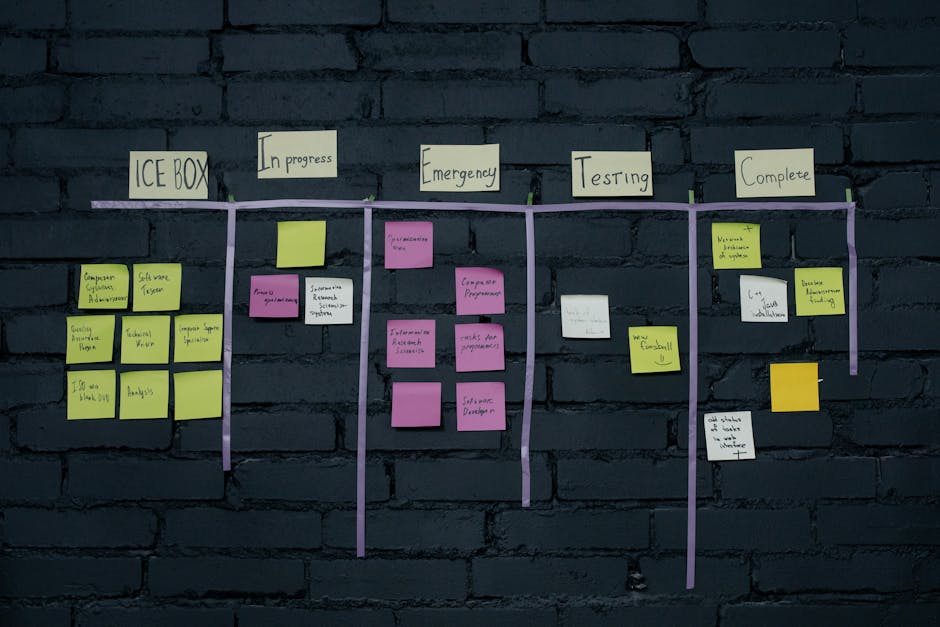
Key features that define robust cloud project management software are essential for understanding its value proposition. Task management is a foundational element, enabling the creation, assignment, and tracking of individual tasks. This typically includes setting deadlines, defining priorities, and attaching relevant files or comments. Sophisticated tools offer sub-tasking, recurring tasks, and dependencies, allowing for the meticulous breakdown of complex projects into manageable components. Resource management is another critical area, enabling project managers to allocate personnel, equipment, and other resources effectively. This involves identifying available resources, forecasting their workloads, and preventing over-allocation, which can lead to burnout and project delays. Time tracking is intrinsically linked to resource management, allowing team members to log the time spent on specific tasks. This data is invaluable for accurate project costing, performance analysis, and future project planning. Gantt charts, a visual representation of project timelines, are a staple feature, illustrating task durations, dependencies, and milestones. These dynamic charts allow for easy manipulation of schedules and provide a clear overview of the project’s critical path. Kanban boards, another popular visualization method, offer a workflow-centric approach, depicting tasks as cards moving through different stages of completion. This visual Kanban system is particularly effective for agile methodologies, promoting transparency and facilitating bottleneck identification.
Collaboration and communication are central to the success of any project, and cloud project management software excels in this domain. Integrated communication tools, such as chat functionalities, discussion forums, and comment threads directly within tasks, facilitate real-time interaction among team members. This reduces reliance on fragmented email chains and ensures that all project-related discussions are captured and easily retrievable. File sharing and document management are also seamlessly integrated, allowing for the centralized storage and version control of all project documents. This ensures that everyone is working with the most up-to-date information and reduces the risk of errors caused by outdated versions. Approval workflows can be established for documents and tasks, streamlining the review and sign-off process. Risk management features are increasingly being incorporated, allowing project managers to identify, assess, and plan mitigation strategies for potential risks. This proactive approach can significantly reduce the likelihood of project derailment. Budgeting and cost tracking tools are vital for financial oversight. These features enable project managers to set budgets, track expenses against planned costs, and generate financial reports, providing crucial insights into project profitability and potential overruns.
The benefits of implementing cloud project management software are multifaceted and impactful across an organization. Enhanced collaboration is perhaps the most immediate and apparent advantage. By providing a central hub for communication and information sharing, these platforms break down silos and foster a more connected and productive team environment, irrespective of geographical distribution. Increased efficiency stems from the streamlined workflows and automated processes that these tools facilitate. Task automation, simplified communication, and better resource allocation all contribute to reducing wasted time and effort. Improved project visibility is a direct consequence of centralized data and real-time updates. Project managers and stakeholders gain a clear, up-to-the-minute understanding of project progress, enabling them to identify potential issues early and make informed decisions. Better resource management leads to optimized utilization of personnel and other assets, preventing bottlenecks and ensuring that projects are delivered on time and within budget. Enhanced accountability is fostered by the clear assignment of tasks and the ability to track progress and time spent by individual team members. This transparency encourages ownership and commitment. Cost savings are realized through the reduction of IT infrastructure costs, the elimination of manual processes, and the ability to prevent costly project overruns through better planning and oversight.
When selecting cloud project management software, several factors warrant careful consideration to ensure the chosen solution aligns with an organization’s specific needs. The first is scalability. The software should be able to grow with the business, accommodating an increasing number of users, projects, and data without compromising performance. Ease of use is paramount. An intuitive interface and user-friendly design will encourage adoption among team members, minimizing training time and resistance to change. Integration capabilities are crucial. The software should seamlessly integrate with other business tools and applications that the organization already uses, such as CRM systems, accounting software, and communication platforms, to create a unified workflow. Customization options are important for tailoring the software to specific project methodologies and organizational processes. This might include custom fields, workflows, and reporting templates. Security is a non-negotiable aspect. Robust data encryption, access controls, and compliance with relevant data protection regulations are essential to safeguard sensitive project information. Reporting and analytics capabilities are vital for gaining actionable insights. The software should provide comprehensive reports on project progress, resource utilization, budget adherence, and team performance, enabling data-driven decision-making.
The diverse landscape of cloud project management software offers solutions tailored to various industries and project types. For agile development teams, tools that emphasize Kanban boards, sprint planning, and backlog management are particularly beneficial. These often include features like bug tracking, continuous integration, and release management. Construction and engineering projects often require robust Gantt chart functionality, critical path analysis, and detailed resource planning, alongside document management for blueprints and contracts. Marketing and creative agencies may prioritize collaboration features, campaign management, and budget tracking for multiple clients and projects. The selection process should involve a thorough assessment of these industry-specific requirements and an evaluation of how well different software solutions address them. Many providers offer free trials, which are invaluable for hands-on testing and evaluation by the intended user base.
The impact of cloud project management software extends beyond mere operational improvements. It fosters a more transparent and collaborative company culture, empowering teams and promoting a shared sense of ownership over project outcomes. The data generated by these platforms provides invaluable insights for continuous improvement, allowing organizations to refine their project management methodologies and optimize future endeavors. As technology continues to evolve, we can expect cloud project management software to incorporate increasingly sophisticated features, such as artificial intelligence-driven predictive analytics, advanced risk assessment algorithms, and even more immersive collaboration tools, further enhancing their capacity to drive project success in an increasingly complex global environment. The ongoing innovation in this space ensures that businesses can consistently leverage cutting-edge solutions to navigate challenges and capitalize on opportunities. The adoption of these tools is no longer a luxury but a fundamental requirement for organizations aiming to maintain agility, competitiveness, and consistent project delivery in the modern business landscape. This strategic adoption is a key differentiator for successful enterprises.


