Apple Art Director Unveils Behind-the-Scenes Journey of MacBook Neo’s Beloved Lil’ Finder Guy Mascot

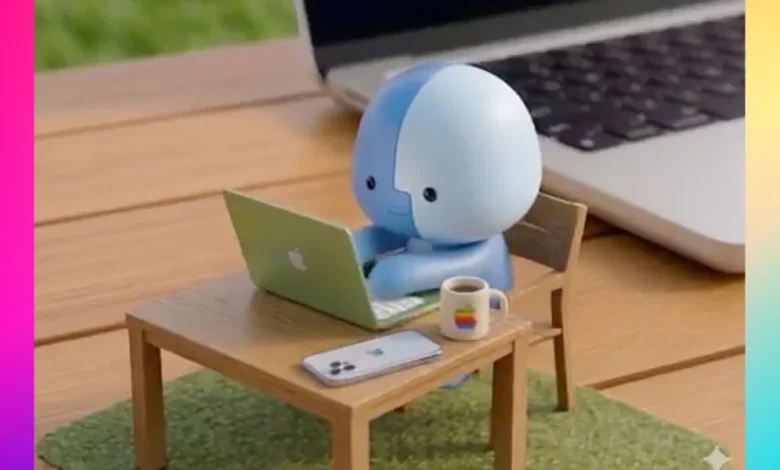
Sofia Coelho, the visionary art director credited with leading the visual design and conceptualization of the now-iconic Lil’ Finder Guy, has provided an exclusive glimpse into the meticulous creative process behind the MacBook Neo campaign’s runaway success. Her rare behind-the-scenes share on LinkedIn offers valuable insights into how the diminutive character, which has since captivated audiences globally and achieved significant cultural traction, came to be. This revelation not only sheds light on Apple’s internal design methodologies but also underscores the strategic depth behind what appeared to many as a simple, charming mascot.
The Strategic Genesis of a Digital Icon
In a detailed LinkedIn post shared today, Apple art director Sofia Coelho offered an intriguing gallery of behind-the-scenes snapshots, chronicling the intricate work involved in bringing Lil’ Finder Guy to life for the ambitious MacBook Neo campaign. Coelho, whose leadership was pivotal in shaping the character’s visual identity and core concept, described the project as a "dream design project." Her post, framed as a whimsical birthday announcement for the character, also extended credit to the multidisciplinary team of colleagues who collaborated on the Cannes Lions-shortlisted campaign, emphasizing the collective effort inherent in Apple’s renowned design ecosystem.
Apple has a storied history of leveraging memorable characters and distinctive visual identities in its marketing campaigns to forge a deeper connection with its audience. From the iconic "Think Different" campaign that celebrated visionary figures to the highly successful "Get a Mac" advertisements featuring the personified Mac and PC, the company has consistently understood the power of relatable narratives and accessible imagery. Lil’ Finder Guy represents a contemporary evolution of this strategy, tapping into a more whimsical, approachable aesthetic that resonates strongly with today’s digitally native generations. The character’s design, measuring "exactly one apple tall," subtly reinforces Apple’s brand identity while imbuing the abstract concept of a computer’s file system with personality and charm. This approach is particularly effective for products like the MacBook Neo, which is strategically positioned to appeal to a broad demographic, including younger users and those seeking a more personal, engaging computing experience. The original Finder icon, with its smiling face, has long been a friendly gateway into the Mac operating system, and Lil’ Finder Guy modernizes this legacy, transforming a functional interface element into an animated brand ambassador.
From Concept to Campaign: The MacBook Neo’s Whimsical Launch

The MacBook Neo, a hypothetical new iteration within Apple’s celebrated laptop lineup, was introduced with a marketing strategy designed to be both innovative and highly engaging. The campaign aimed to differentiate the Neo from existing MacBook Air and MacBook Pro lines by emphasizing its portability, user-friendliness, and perhaps a more vibrant, youthful appeal. Central to this strategy was the introduction of Lil’ Finder Guy, a character envisioned to embody these qualities. The decision to feature a mascot so prominently signaled Apple’s intent to humanize the technology and make the interaction with the new MacBook Neo feel intuitive and joyful.
The campaign’s rollout was meticulously planned, integrating traditional advertising with cutting-edge digital engagement tactics. While specific dates for the MacBook Neo’s initial unveiling are not provided, the character’s journey gained significant momentum in early 2026. On March 10, 2026, Lil’ Finder Guy took center stage in a dedicated livestream, a format increasingly favored by tech companies for direct audience engagement. This livestream likely served as a primary launchpad for the character, allowing Apple to showcase its personality and integrate it seamlessly with the MacBook Neo’s features in an interactive, dynamic setting. Such events typically generate significant buzz, with live Q&A sessions, product demonstrations, and interactive elements designed to foster community and excitement.
Following the livestream, Apple strategically pivoted to short-form video content, launching a series of TikTok videos featuring Lil’ Finder Guy on April 2, 2026. This move was a clear indication of Apple’s recognition of TikTok’s immense influence, particularly among younger demographics. The bite-sized, highly shareable nature of TikTok content was perfectly suited for a character designed for instant appeal. The videos likely showcased Lil’ Finder Guy interacting with the MacBook Neo in playful, relatable scenarios, demonstrating its ease of use and unique features through the character’s whimsical perspective. This multi-platform approach ensured broad reach and sustained engagement across different audience segments, from traditional Apple enthusiasts to new, younger consumers on social media.
A Dive into the Creative Process
Sofia Coelho’s LinkedIn post provided a rare peek into the iterative and rigorous creative process that underpins Apple’s product and marketing designs. The shared photo gallery included several preliminary sketches and detailed studies of Lil’ Finder Guy’s expressions, proportions, and overall shape. These visuals illustrate the meticulous attention to detail required to craft a character that is both instantly recognizable and capable of conveying a wide range of emotions without dialogue. The sketches reveal explorations into how the character’s eyes, mouth, and body language could communicate curiosity, excitement, contemplation, and helpfulness—all attributes desired for a digital assistant or guide. The guiding principle of being "exactly one apple tall" was not merely a charming detail but likely a critical design constraint that informed its proportions and perceived scale, making it feel genuinely "little" and endearing.
Beyond the two-dimensional conceptualization, Coelho’s post also featured what appeared to be an airbrushed physical prototype of the character. This detail highlights Apple’s commitment to tangible design, even for digital entities. Creating a physical model allows designers to assess the character’s form in three dimensions, evaluate its silhouette, and understand how light interacts with its surfaces. This step is crucial for ensuring that the character translates effectively across various media—from animated videos to physical merchandise—maintaining a consistent and appealing aesthetic. The refinement process would have involved numerous iterations, testing different color palettes, material textures (even if virtual), and subtle adjustments to ensure the character resonated perfectly with Apple’s brand ethos of simplicity, elegance, and approachability. The collaborative environment within Apple’s design teams, as hinted by Coelho crediting her colleagues, suggests a rigorous feedback loop where ideas are refined and perfected through collective expertise, ultimately leading to a universally beloved figure like Lil’ Finder Guy.

A Cultural Phenomenon: Lil’ Finder Guy Captures Hearts
The success of Lil’ Finder Guy transcended mere marketing effectiveness; it rapidly evolved into a significant cultural phenomenon. Its widespread appeal led to its swift adoption as an internet meme, a testament to its intrinsic relatability and charming design. Characters achieve meme status when they possess qualities that make them easily adaptable, shareable, and reinterpretable by a broad online community. Lil’ Finder Guy’s simple, friendly visage and connection to the ubiquitous Finder icon made it an ideal candidate for viral spread. Users quickly embraced the character, appreciating its whimsical nature and how it humanized the Mac experience, transforming a utilitarian operating system element into an approachable companion.
This organic virality manifested in an explosion of user-generated content across various platforms. Fans created countless pieces of artwork, depicting Lil’ Finder Guy in diverse scenarios, often interacting with other Apple products or even fictional characters. Custom wallpapers featuring the mascot became popular downloads, allowing users to personalize their devices with a touch of the campaign’s charm. Furthermore, the character’s relatively simple yet distinctive 3D form inspired creators to develop 3D-printable models, enabling enthusiasts to bring Lil’ Finder Guy into the physical world. This level of engagement goes beyond typical consumer interaction; it represents a deep emotional connection and ownership of the brand narrative, effectively turning ordinary users into enthusiastic brand advocates. The sheer volume and creativity of this fan-made content provided Apple with an invaluable, authentic marketing boost, demonstrating the profound impact a well-designed character can have on fostering community and amplifying brand message through grassroots efforts.
Internal Endorsement: WWDC 2026 Appearances
The enduring popularity of Lil’ Finder Guy was further solidified by its notable appearances during Apple’s annual Worldwide Developers Conference (WWDC) in 2026. WWDC is traditionally a highly technical event focused on software and developer tools, making the inclusion of a whimsical character particularly significant. Lil’ Finder Guy made an "easter egg"-style appearance in at least one WWDC 2026 session, a subtle nod that resonated deeply with the developer community. These hidden gems are often highly appreciated by Apple enthusiasts and developers, signifying that the character has gained internal affection and is recognized as an integral part of the Apple ecosystem. Such an appearance signals a level of internal adoption and fondness, indicating that the character is not merely an external marketing tool but has been embraced within the company’s own culture.
Beyond its digital cameos, Lil’ Finder Guy also transitioned into physical merchandise, featuring prominently on an enamel pin included in attendees’ highly coveted swag bags. These pins are collector’s items for WWDC attendees, often representing key themes or memorable elements from the conference. The inclusion of Lil’ Finder Guy on such a prominent piece of swag underscored its status as a significant and beloved icon. It transformed the character from a transient campaign element into a tangible piece of Apple memorabilia, further solidifying its place in the brand’s history and among its most dedicated followers. This strategic decision demonstrated Apple’s recognition of the character’s immense success and its desire to integrate it more deeply into its brand identity, fostering a sense of camaraderie and shared enthusiasm among its global community of developers and fans.

Industry Recognition and Broader Implications
The success of the MacBook Neo campaign, propelled significantly by Lil’ Finder Guy, did not go unnoticed by the advertising industry. The campaign earned a coveted spot on the Cannes Lions shortlist, one of the most prestigious accolades in global advertising and creative communications. This shortlisting is a testament to the campaign’s innovative approach, creative excellence, and demonstrable effectiveness in engaging its target audience. It acknowledges the strategic brilliance behind developing a character that could resonate so broadly, drive significant social media engagement, and effectively promote a new product line. The recognition from Cannes Lions validates Apple’s marketing prowess and highlights the power of character-driven campaigns in cutting through the noise of modern advertising.
Sofia Coelho’s sentiment describing it as a "dream design project" reflects the creative fulfillment and collaborative spirit often found within Apple’s design teams. This internal pride, combined with the public’s enthusiastic reception, paints a picture of a campaign that achieved both its commercial and creative objectives. Industry analysts have largely lauded Apple’s strategy with the MacBook Neo and Lil’ Finder Guy. Many suggest that this campaign marks a subtle yet significant evolution in Apple’s marketing, indicating a willingness to embrace more playful and emotionally resonant approaches. This move, analysts contend, helps Apple connect with a younger, more diverse demographic, potentially expanding its market share beyond its traditional user base. The character’s ability to foster brand loyalty, particularly among new generations of users who may be introduced to the Mac ecosystem through the MacBook Neo, is a key implication. By personifying the operating system, Lil’ Finder Guy makes the technology less intimidating and more approachable, creating an emotional bond that can translate into long-term brand affinity.
The campaign also serves as a strong case study in effective product differentiation. In a crowded market, even within Apple’s own diverse product lineup, a distinctive character like Lil’ Finder Guy can help carve out a unique identity for the MacBook Neo. It communicates a specific ethos—perhaps one of fun, simplicity, and intuitive interaction—that sets it apart from the more productivity-focused MacBook Pro or the general-purpose MacBook Air. This strategic differentiation is crucial for maintaining market relevance and attracting specific consumer segments. The enduring appeal of Lil’ Finder Guy demonstrates the profound impact that simple, well-executed design can have, proving that even a small, animated character can become a powerful emblem of innovation, user-friendliness, and cultural connection in the ever-evolving landscape of technology and marketing.