The Iphone 17 Will Be Significantly Skinnier Than Previous Models As Apples M4 Ipad Pro Ushers In A New Era Of Thinner And Lighter Devices

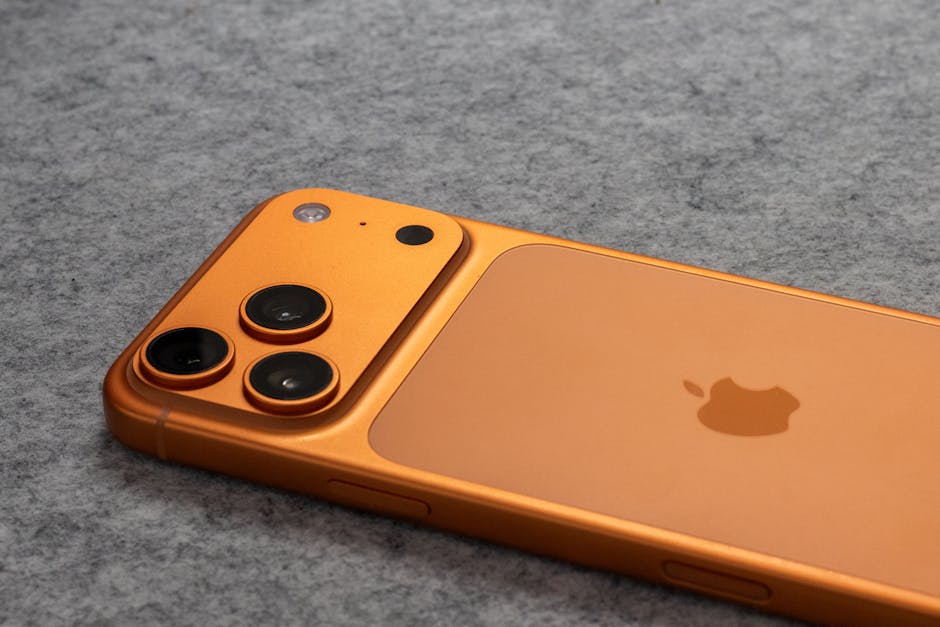
iPhone 17: The Dawn of Ultra-Thin Design Fueled by M4 iPad Pro Innovation
The iPhone 17 is poised to redefine smartphone aesthetics, embracing a dramatically thinner and lighter form factor that will set a new benchmark for premium mobile devices. This significant design shift is not an isolated evolutionary step but rather a direct consequence of Apple’s pioneering work with its M4-powered iPad Pro models. The groundbreaking advancements in miniaturization, heat dissipation, and power efficiency demonstrated by these new iPads are now paving the way for a leaner, more elegant iPhone. The M4 chip, with its unparalleled performance density and advanced manufacturing processes, allows for the integration of more computing power within a considerably smaller physical space. This is a crucial enabler for the iPhone 17’s projected reduction in thickness. Historically, achieving significant reductions in device thickness has been a complex engineering challenge, often requiring compromises in battery size, component performance, or thermal management. However, the M4 architecture, likely incorporating a 3nm or even sub-3nm fabrication process, is designed from the ground up for maximum efficiency and minimal heat generation, allowing Apple to pack more sophisticated technology into an ever-slimmer chassis. This means users can anticipate an iPhone that feels even more premium and comfortable to hold, a tangible benefit that directly impacts daily user experience. The pursuit of thinness is a long-standing trend in consumer electronics, but Apple’s ability to achieve it without sacrificing core functionality or user experience is what truly sets their approach apart. The M4 iPad Pro serves as a compelling proof of concept, showcasing Apple’s mastery of integrating cutting-edge silicon into ultra-thin designs, a roadmap that the iPhone 17 will undoubtedly follow.
The technological leaps embodied by the M4 chip are central to the iPhone 17’s anticipated slender profile. Apple’s proprietary silicon design, coupled with TSMC’s advanced manufacturing capabilities, has allowed for an unprecedented level of integration and power efficiency. The M4 chip’s architecture is likely to feature a re-imagined approach to core processing, possibly incorporating a more unified memory structure and optimized transistor density. This enables a significant reduction in the physical footprint of the main logic board, a key component that dictates the internal volume of any electronic device. Furthermore, the thermal management solutions developed for the M4 iPad Pro are directly transferable and adaptable to the iPhone. The iPad Pro’s ultra-thin design necessitated innovative cooling strategies to prevent performance throttling. These strategies, which may include advanced vapor chambers, graphite thermal pads, or even novel material science applications, are expected to be scaled down and integrated into the iPhone 17, allowing for sustained high performance within a considerably thinner shell. The reduction in heat generated by the M4 chip means that less robust (and less bulky) cooling systems are required. This freed-up internal space can then be allocated to other components, or, more significantly for the iPhone 17, it allows for a reduction in the overall thickness of the device. The implications for design are profound: a thinner phone is not just aesthetically pleasing; it can also lead to improved ergonomics, making it easier to use one-handed and more comfortable to carry in pockets or bags. The M4 iPad Pro’s success in achieving its slim dimensions with powerful performance serves as a clear blueprint for the iPhone 17’s next-generation design philosophy.
Beyond the M4 chip, other component advancements are also contributing to the iPhone 17’s potential for extreme thinness. The evolution of OLED display technology plays a critical role. Newer generations of OLED panels are becoming progressively thinner and more power-efficient. This includes advancements in the substrate materials and the pixel drivers, all contributing to a reduced overall display thickness. The integration of touch sensors directly into the display layers, rather than as separate components, also helps shave off precious millimeters. Furthermore, Apple has been a leader in miniaturizing other essential components such as cameras, speakers, and haptic engines. The camera module, a significant contributor to device thickness in recent years, is likely to see further integration and refinement. This could involve a multi-lens system that is flatter and less protruding, or the adoption of new sensor technologies that require less physical depth. Similarly, advancements in battery technology, while often a limiting factor for extreme thinness due to energy density constraints, are also seeing incremental improvements. Apple may be exploring new battery chemistries or form factors that can provide comparable or even improved battery life within a thinner profile, possibly through more efficient power management enabled by the M4 chip and optimized battery cell design. The convergence of these technological advancements across multiple hardware domains creates a synergistic effect, making the iPhone 17’s significantly thinner design a realistic and achievable goal. The lessons learned from optimizing the internal architecture and component layout of the M4 iPad Pro will undoubtedly be applied to the iPhone, ensuring that every millimeter of space is utilized effectively.
The impact of an ultra-thin iPhone 17 will extend beyond mere aesthetics, influencing user interaction and the overall perception of premium mobile technology. A significantly thinner device often translates to a lighter device, enhancing portability and reducing user fatigue during prolonged use. This is particularly relevant in an era where smartphones are used for extended periods for communication, entertainment, and productivity. The tactile sensation of holding a thinner, lighter iPhone is inherently more sophisticated and luxurious, further cementing its position as a high-end product. This design shift also presents new opportunities for industrial design, allowing Apple to explore new material finishes, edge profiles, and overall ergonomic contours that were previously constrained by thicker form factors. The perceived value of a device is often tied to its physical presence and craftsmanship, and an ultra-thin iPhone 17 will undoubtedly exude a sense of cutting-edge engineering and meticulous attention to detail. From an SEO perspective, the keywords "thinner iPhone," "lighter iPhone," "iPhone 17 design," "M4 iPad Pro influence," and "next-generation iPhone aesthetics" will become increasingly important for consumers searching for information about Apple’s future smartphone releases. The focus on miniaturization and advanced technology, driven by the M4 chip’s capabilities, will be a key selling point and a dominant narrative in tech reviews and consumer discussions. The industry will be watching closely to see how Apple translates the ultra-thin success of the M4 iPad Pro into its most iconic product.
Looking ahead, the iPhone 17’s journey towards ultra-thinness is also indicative of Apple’s broader design philosophy and long-term strategy. The company has consistently strived to push the boundaries of what is possible in consumer electronics, and the M4 iPad Pro represents a significant milestone in that pursuit. By demonstrating the viability of extreme thinness coupled with powerful performance, Apple is setting a precedent for future device generations across its entire product ecosystem. The lessons learned in thermal management, power efficiency, and component miniaturization from the M4 iPad Pro are not confined to a single product line. These innovations are designed to be scalable and transferable, benefiting future iPhones, Apple Watches, and potentially even MacBooks. The ability to integrate advanced computing power into increasingly smaller and lighter form factors is a hallmark of Apple’s approach to product development. This relentless drive for innovation in design and engineering allows Apple to maintain its competitive edge and continue to captivate consumers with devices that feel both familiar and revolutionary. The iPhone 17, in its likely significantly skinnier iteration, will serve as a powerful testament to this ongoing commitment, showcasing the culmination of years of research and development in creating devices that are not only technologically advanced but also exceptionally beautiful and intuitive to use. The iterative advancements in chip design, display technology, and internal component packaging, all exemplified by the M4 iPad Pro, are converging to usher in a new era of ultra-thin smartphones, with the iPhone 17 leading the charge. This signifies a departure from simply incremental upgrades and hints at a more radical reimagining of the smartphone form factor, driven by the very same technological underpinnings that have made the latest iPad Pro so remarkable. The anticipation for an iPhone that is both sleeker and more powerful than ever before is palpable, fueled by the undeniable precedent set by its tablet counterpart.


