Adobe MAX Sneaks 2026: Project Link Up Promises to Transform Vector Design with Context-Aware AI

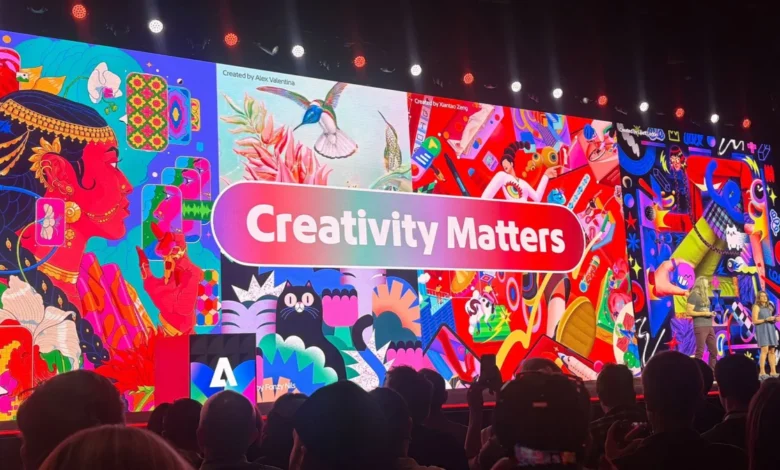
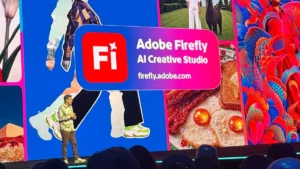
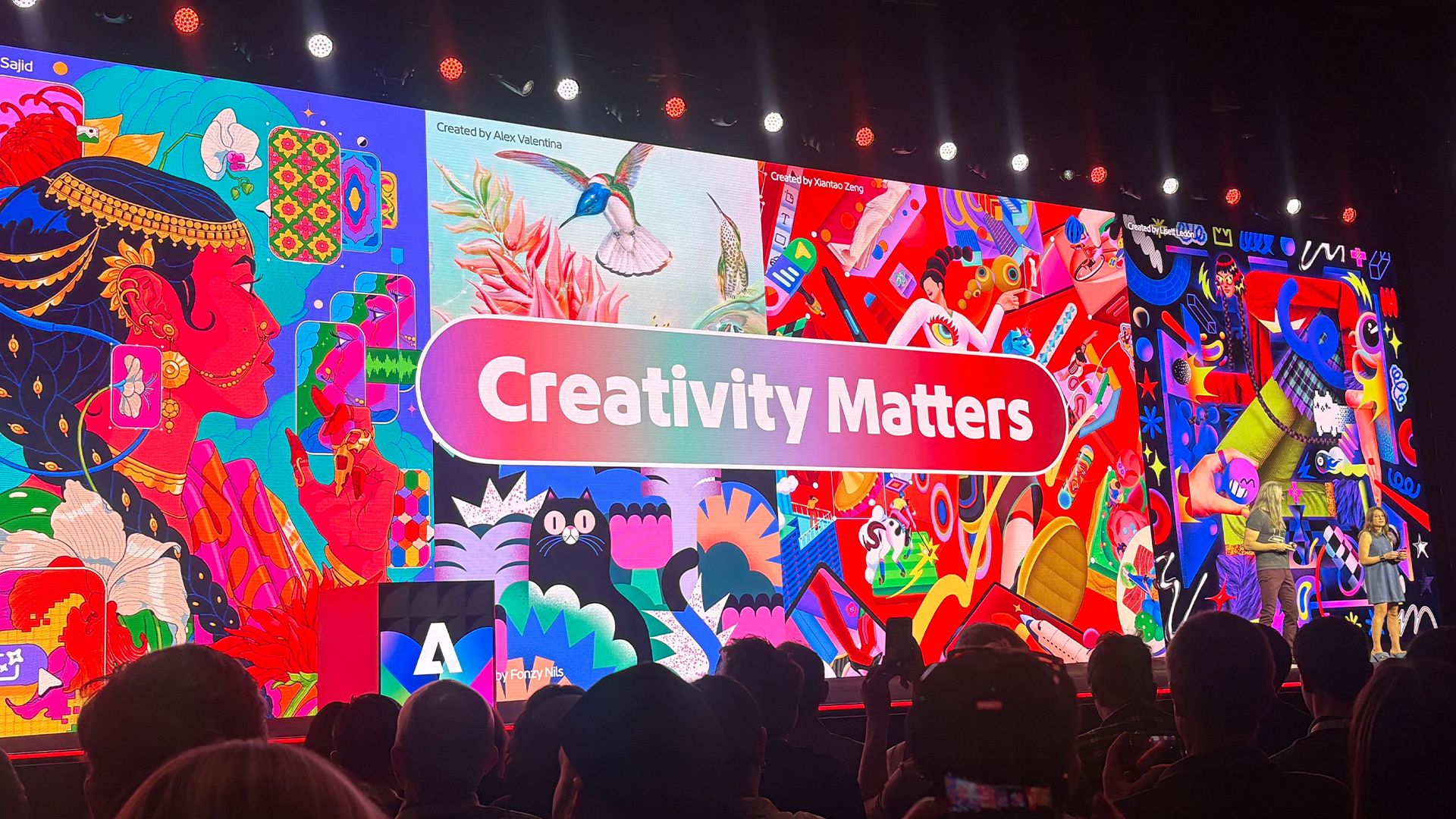
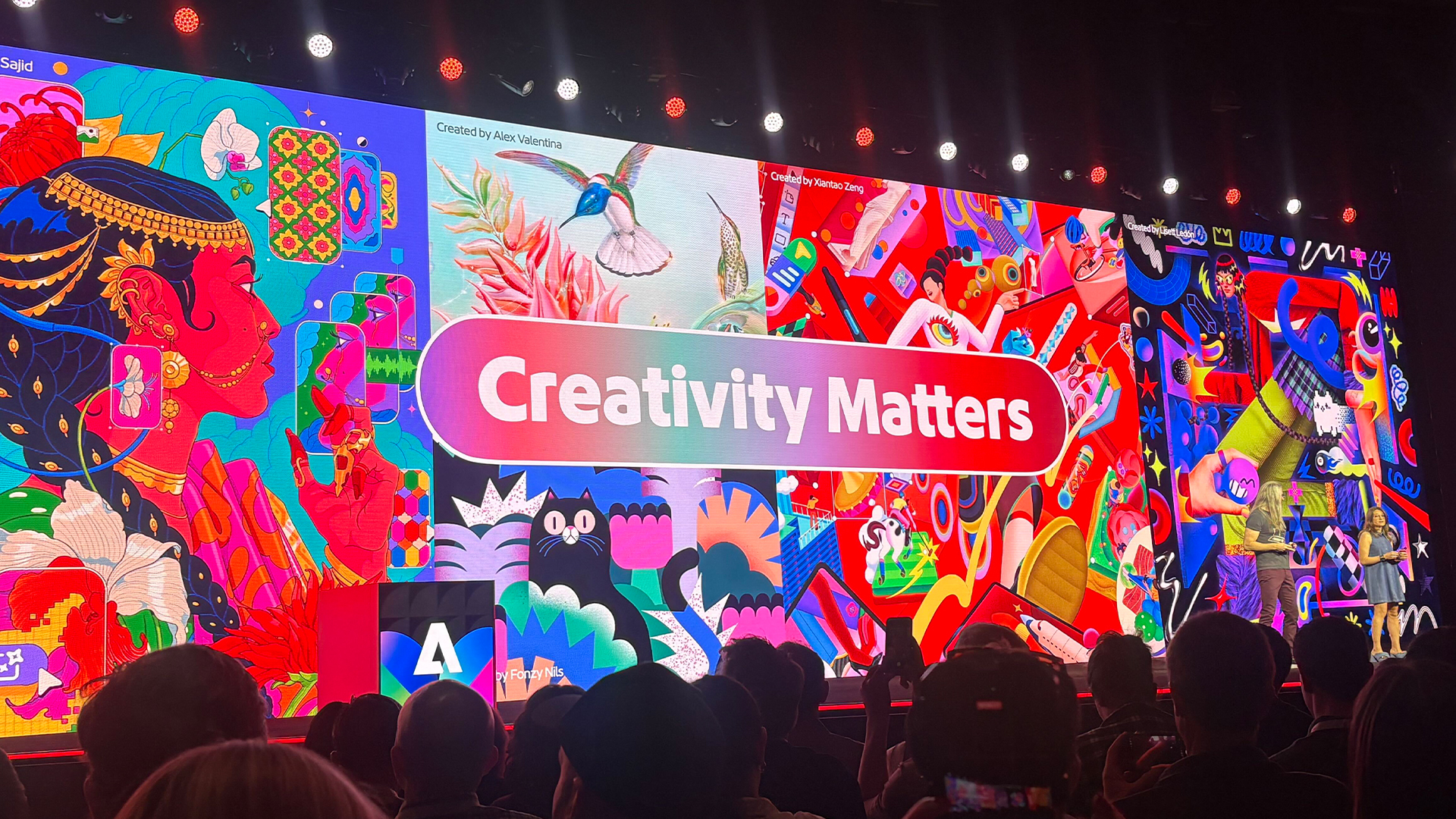
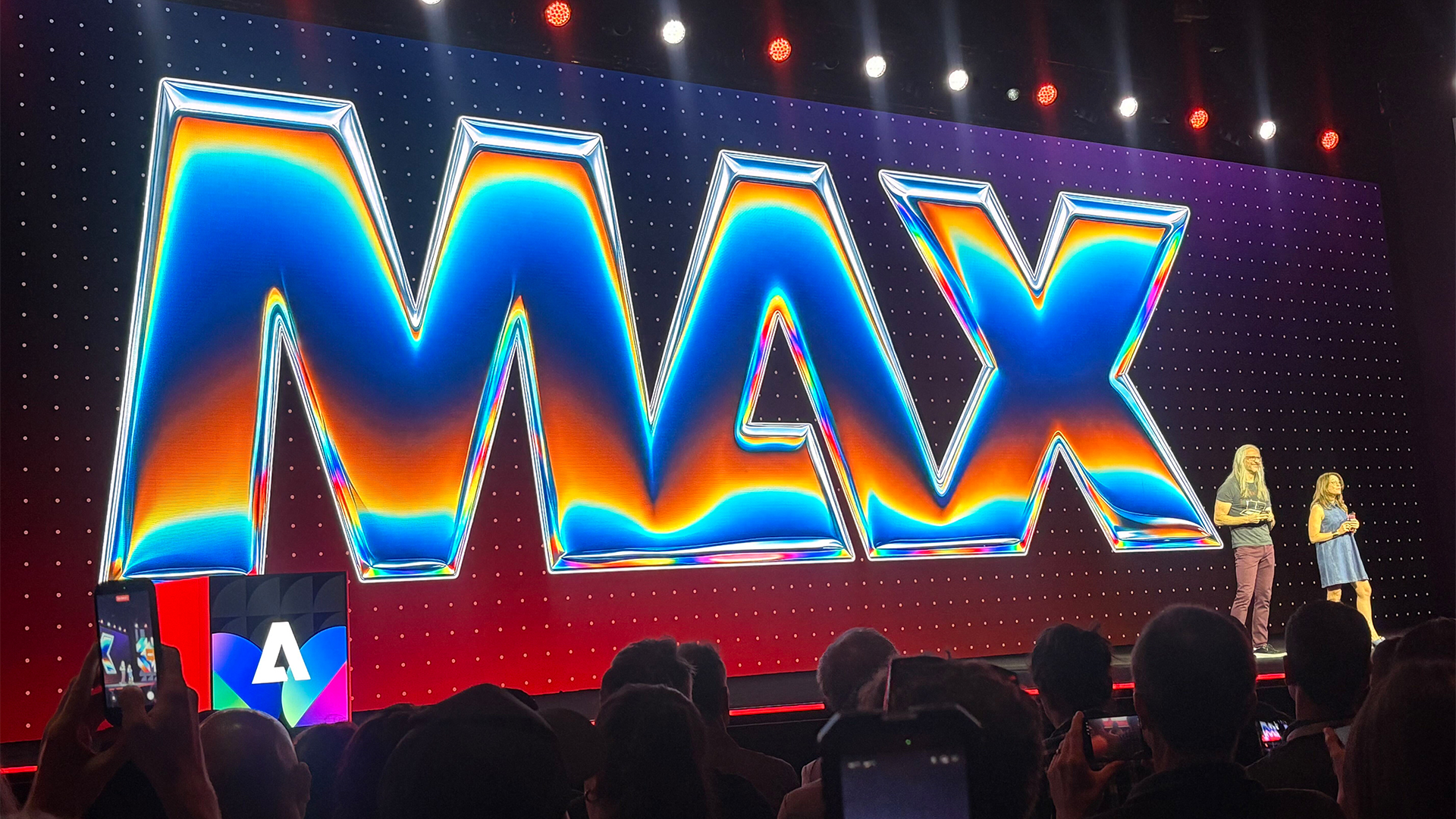
The annual Adobe MAX conference has once again served as the premier stage for the technology giant to unveil its most experimental, forward-looking concepts through its popular "Sneaks" showcase. Among the wave of innovations presented to a global audience of digital artists, illustrators, and designers, one particular research prototype has captured widespread industry attention. Dubbed "Project Link Up," this experimental tool is designed to fundamentally alter how creatives handle vector graphics by replacing tedious, manual asset manipulation with intelligent, context-aware fusion. By interpreting simple user gestures—such as dragging an object into a scene—the technology automatically aligns perspective, scale, and lighting, eliminating hours of repetitive redrawing.
To understand the engineering philosophy and potential industry impact behind Project Link Up, industry analysts and media outlets have closely examined the development roadmap and engaged with Adobe’s leading research teams. The unveiling at Adobe MAX 2026 marks a crucial milestone in the company’s broader transition toward intuitive, intent-driven software ecosystems.
Background Context and the Evolution of Adobe MAX Sneaks
Adobe MAX has historically functioned as a crystal ball for the creative software industry. While mainstream product releases focus on immediate stability and refined commercial features, the Sneaks program operates in a different realm. It offers a public-facing sandbox where Adobe’s research and development scientists can test community reception to radical, early-stage concepts powered by artificial intelligence and machine learning.
Over the past decade, several staples of the Adobe Creative Cloud suite—ranging from content-aware fill tools to advanced neural filters—began their lifecycles as unpolished prototypes during the MAX Sneaks presentation. Consequently, when a project like Link Up is introduced, the design community immediately evaluates its potential to transition from an experimental lab demo into a core feature of applications like Adobe Illustrator.
The genesis of Project Link Up stems from a persistent, universal frustration within digital illustration and concept art: the friction involved in integrating disparate assets into a cohesive visual composition. Traditionally, when a designer introduces a vector object—such as placing an illustrated vehicle into a perspective-grid parking lot or positioning a character within a complex background environment—the creative workflow grinds to a halt. The artist must manually warp, scale, skew, and adjust the lighting of the incoming asset to match the vanishing points and color grading of the destination scene. If the composition changes later, the entire manual adjustment process must be repeated.
The Mechanics of Project Link Up
Project Link Up approaches this workflow bottleneck by redefining the fundamental mechanics of user interaction. Developed by a team led by researchers including Mohit and overseen by Hailin Jin, senior principal scientist and research lead for imaging and design at Adobe, the tool treats everyday physical gestures as carriers of complex creative intent.
When a user drags a vector asset across the workspace, Project Link Up does not merely record the final drop coordinates. Instead, the underlying machine learning models analyze the spatial context of the target scene, recognizing underlying geometry, perspective lines, and ambient lighting cues. As the object enters the new environment, the system dynamically recalculates its geometry, seamlessly warping the vector elements to match the scene’s perspective without flattening or rasterizing the artwork.
Crucially, Adobe’s research team has emphasized that the output remains entirely vector-based and editable. Unlike raster-based AI generation tools that output static pixel maps, Link Up preserves the underlying anchor points, paths, and strokes. This ensures that designers retain granular control over every aspect of the final composition, allowing for subsequent manual tweaks, color adjustments, and path modifications.
Parametric Control and Creative Flexibility
One of the primary concerns raised by professional designers regarding AI-assisted automation is the potential loss of artistic autonomy. To address this, Adobe has integrated a suite of parametric controls directly into the Link Up prototype.
At the center of these controls is a dedicated "creativity slider." This interface element allows the user to dial in the exact intensity of the automated adaptation. Designers can choose to maintain a high degree of fidelity to the original asset’s form—preserving distinct stylistic quirks or non-realistic proportions—or permit the system to apply a more dramatic transformation that heavily integrates the asset into the surrounding environment’s aesthetic rules.
Furthermore, Project Link Up accommodates scenarios where elements possess contrasting or fundamentally opposed visual styles. Rather than forcing an aggressive homogenization of styles, the tool utilizes prompt guidance and contextual awareness. A designer can issue precise directives, such as instructing the software to "match the scene’s illustration style" while retaining a specific character’s distinct line weight, or to adapt perspective and lighting while preserving the original color palette. This granular steerability ensures that the tool acts as a collaborative partner rather than an autonomous author.
Industry Implications and Time-Saving Analysis
The introduction of context-aware vector manipulation addresses a significant drain on professional productivity. In fast-paced commercial environments, such as advertising agencies, UI/UX design studios, and animation pipelines, time spent on mechanical asset adjustment directly impacts project profitability and creative bandwidth.
Preliminary internal assessments from Adobe suggest that tools capable of understanding spatial relationships within creative content can eliminate the most tedious phases of layout composition. By automating the mechanical alignment of perspective and scale, artists can rapidly prototype dozens of compositional variations in the time it would previously take to manually adjust a single asset. This shift moves the creative process away from technical execution and toward conceptual exploration, enabling designers to evaluate ideas at a much faster cadence.
Moreover, the broader implications of "tools that understand what they hold" point toward a fundamental paradigm shift in human-computer interaction within creative suites. Over the next five years, software interactions are projected to evolve from command-based execution (where the user explicitly dictates every technical parameter) to intent-based collaboration (where the software interprets the semantic meaning behind user actions).
Looking Forward: The Road to Commercial Integration
As Adobe MAX 2026 concludes, the immediate future of Project Link Up depends heavily on user feedback, technical scalability, and the rigorous refinement of its underlying machine learning models. While Adobe has not yet announced a definitive commercial release date or confirmed which specific Creative Cloud applications will incorporate the technology, the enthusiastic reception from the design community signals high demand for workflow enhancements in vector design.
As the industry continues to absorb the rapid advancements presented at this year’s conference, innovations like Project Link Up underscore Adobe’s ongoing strategy: leveraging artificial intelligence not to replace human creativity, but to remove the technical friction that stands between a designer’s initial concept and its realization.