Iphone 17 Air Could Be The Name Of The Next Gen Super Slim Apple Phone
iPhone 17 Air: The Super Slim Future of Apple’s Flagship Lineup
Rumors and industry speculation are increasingly pointing towards Apple’s next-generation iPhone lineup, with a particular focus on a device codenamed internally as “iPhone 17 Air.” This moniker, while unconfirmed by Apple, strongly suggests a return to the “Air” branding, a designation historically associated with thinner, lighter, and more accessible versions of their flagship products, most notably the iPad Air. The iPhone 17 Air is poised to redefine what a premium smartphone can be, emphasizing an ultra-slim profile without sacrificing the cutting-edge technology and performance Apple is renowned for. This article will delve into the potential design, display, performance, camera capabilities, battery life, and innovative features that could define the iPhone 17 Air, exploring its potential market impact and the technological hurdles Apple might need to overcome to achieve this ambitious vision.
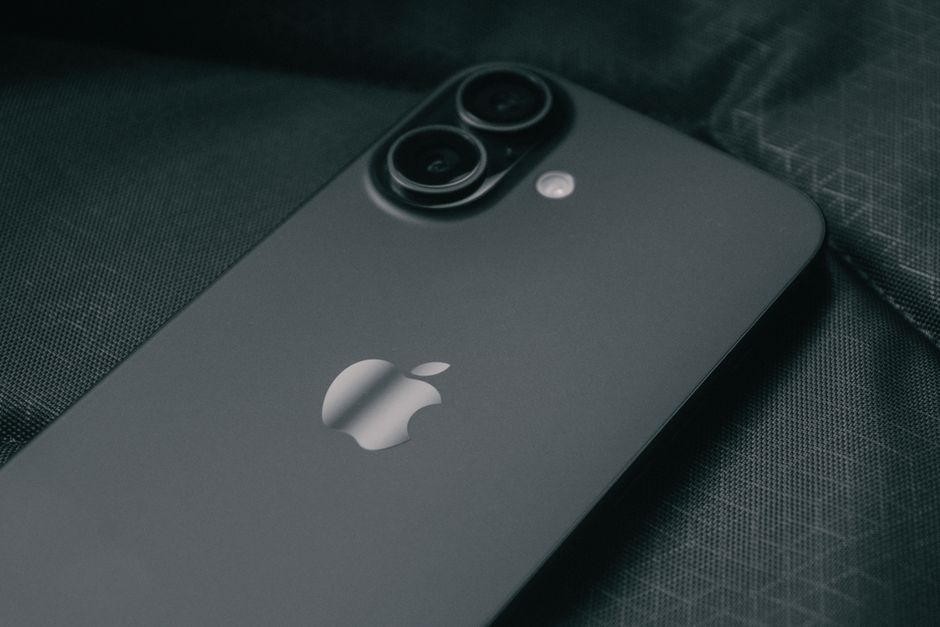
The defining characteristic of the iPhone 17 Air will undoubtedly be its unibody construction and an almost impossibly thin chassis. Apple has a history of pushing the boundaries of miniaturization, and the resurgence of the “Air” branding signifies a deliberate effort to craft a device that feels feather-light and incredibly ergonomic in hand. Expect a significant reduction in thickness compared to current models, potentially breaking the 6mm threshold. Achieving this will require a complete redesign of internal components, including a more compact logic board, a thinner battery cell with a potentially innovative power management system, and advancements in display panel technology that reduce overall thickness. The materials used will also play a crucial role. While Apple has explored aluminum and stainless steel for its iPhone chassis, the iPhone 17 Air might leverage more advanced composites or even a titanium alloy, offering both structural integrity and a premium feel at a reduced weight. The edges could be flatter, reminiscent of the iPhone 12 and 13 series, but with a refined curvature for comfortable grip. The camera bump, a persistent design element, will likely be as flush as possible, perhaps integrated seamlessly into the rear panel using advanced manufacturing techniques. This focus on extreme thinness isn’t just about aesthetics; it’s about creating a device that’s an extension of the user, reducing fatigue during prolonged use and making it effortlessly portable.
The display of the iPhone 17 Air is expected to be a marvel of engineering, pushing the boundaries of visual fidelity and energy efficiency to accommodate the slim design. While retaining the vibrant OLED technology Apple has perfected, expect advancements in panel density and brightness. The ProMotion adaptive refresh rate, likely to be standard across the entire iPhone 17 lineup, will ensure fluid scrolling and immersive gaming. However, the true innovation for the Air model might lie in a new generation of display technology that allows for thinner bezels and an even more expansive screen-to-body ratio. This could involve under-display camera technology, eliminating the notch or Dynamic Island entirely for an uninterrupted visual experience, or a significantly refined version of the existing cutout. Another possibility is a move towards a more energy-efficient display panel, crucial for maintaining acceptable battery life in a thinner device. Expect incredibly accurate color reproduction, HDR capabilities that rival professional monitors, and peak brightness levels that make outdoor visibility effortless. The durability of the display will also be paramount. While Ceramic Shield has proven effective, Apple may explore new materials or coatings to further enhance scratch and drop resistance, especially given the reduced internal space for shock absorption. The overall display experience should feel more immersive and less intrusive, aligning perfectly with the device’s minimalist ethos.
Under the hood, the iPhone 17 Air will be powered by Apple’s latest A-series chip, likely the A17 Bionic or a subsequent iteration, optimized for unparalleled performance and power efficiency. The challenge for Apple will be to integrate this powerful silicon into a form factor that has significantly less space for thermal dissipation. This will likely involve a sophisticated new thermal management system, potentially utilizing vapor chambers or advanced heat sinks that are incredibly thin. Despite the slim design, performance will not be compromised. Expect benchmarks that rival or surpass current desktop-class processors, enabling seamless multitasking, demanding augmented reality experiences, and the most graphically intensive mobile games. The neural engine will also see significant upgrades, powering even more sophisticated on-device AI capabilities, from advanced computational photography to real-time language translation and personalized user experiences. RAM configurations are expected to be competitive, ensuring smooth operation even with a multitude of apps open. The integration of 5G connectivity will be even more refined, with improved antenna design to maintain strong signal strength within the ultra-slim chassis. Storage options will likely remain generous, catering to users who store a vast library of photos, videos, and applications. The iPhone 17 Air will not just be a beautiful device; it will be a performance powerhouse, subtly integrated into a design that prioritizes user comfort and portability.
The camera system on the iPhone 17 Air, while potentially constrained by the device’s slim profile, is expected to deliver industry-leading photographic capabilities. Apple has a proven track record of integrating advanced camera technology even in their slimmest devices. Expect a significant leap in sensor technology, potentially larger sensors that capture more light and detail, even in challenging low-light conditions. Computational photography will be at the forefront, with enhanced image processing algorithms that leverage the A-series chip’s neural engine to produce stunningly realistic and vibrant images. The Ultra Wide and Telephoto lenses will likely remain, but their integration into the impossibly thin chassis will require innovative engineering. Perhaps a periscope-style telephoto lens, which bends light internally, could be employed to achieve significant optical zoom without a protruding lens assembly. Expect advancements in video recording capabilities, with improved stabilization, higher resolutions, and enhanced dynamic range for cinematic-quality footage. Low-light performance will be a key focus, with features like Night Mode becoming even more sophisticated. The front-facing camera will also benefit from upgrades, potentially featuring autofocus and improved low-light performance for enhanced selfies and video calls. The challenge for Apple will be to deliver a flagship camera experience without compromising the overall thinness and aesthetic of the iPhone 17 Air.
Battery life in an ultra-slim smartphone is a perennial challenge, but Apple is expected to implement a multi-pronged approach to ensure the iPhone 17 Air offers respectable longevity. This will likely involve a combination of a new, highly energy-dense battery technology, potentially using a stacked cell design or advanced materials that allow for more power in a thinner profile. Furthermore, significant optimizations in software and hardware will be crucial. The A-series chip will be engineered for extreme power efficiency, and iOS will undergo further refinements to minimize background power consumption. Display technology advancements, as mentioned earlier, will also play a role in reducing battery drain. Expect improved wireless charging speeds, with Apple potentially introducing a more efficient MagSafe system or exploring new charging standards. Reverse wireless charging could also make a return, allowing the iPhone 17 Air to wirelessly charge accessories like AirPods or an Apple Watch. While it might not achieve the multi-day battery life of larger, thicker phones, the iPhone 17 Air will aim to provide a full day of moderate to heavy use, a significant achievement given its svelte design. This focus on efficiency will be critical to its success.
Beyond the core hardware, the iPhone 17 Air is poised to introduce a suite of innovative features that further enhance the user experience and leverage its unique form factor. Expect deeper integration of augmented reality (AR), with improved LiDAR capabilities and a more intuitive AR interface that takes advantage of the device’s lightweight nature for extended use. Haptic feedback could be reimagined, with a more nuanced and localized vibration system that adds a new dimension to interactions. Apple’s commitment to sustainability will likely be evident, with increased use of recycled materials in its construction and a focus on energy-efficient manufacturing processes. The evolution of MagSafe could also see new accessories designed to complement the ultra-slim profile, perhaps ultra-thin battery packs or wallet attachments that seamlessly integrate with the device. Privacy and security will remain paramount, with further advancements in Face ID technology and on-device processing for sensitive data. The potential for a truly buttonless design, with capacitive touch areas and advanced gesture controls, is also a possibility, further streamlining the user interface and contributing to the minimalist aesthetic. The iPhone 17 Air isn’t just about incremental upgrades; it’s about pushing the boundaries of what a smartphone can be, blending cutting-edge technology with an unparalleled user experience.
The potential market impact of the iPhone 17 Air is significant. It caters to a growing segment of consumers who prioritize a premium, lightweight, and aesthetically pleasing device without compromising on performance or features. This could draw in users who have found current flagship phones to be too bulky or heavy. The “Air” branding also suggests a potentially competitive price point compared to the Pro models, making cutting-edge Apple technology more accessible. This could expand Apple’s market share by attracting a wider range of consumers. Furthermore, the iPhone 17 Air could set a new standard for smartphone design, influencing competitors to focus more on thinness and ergonomics. The technological advancements required to achieve this level of miniaturization will likely trickle down to other Apple products and the broader tech industry. The iPhone 17 Air represents a bold vision for the future of smartphones, one where power and portability are no longer mutually exclusive. Its success will hinge on Apple’s ability to execute on its ambitious design goals while delivering the performance, camera capabilities, and battery life that consumers have come to expect from its flagship devices. The iPhone 17 Air, if it materializes as envisioned, could very well be the device that reshapes the premium smartphone landscape for years to come.