Beats 360 Headphones Receive First Major Discount with a $100 Price Cut in Amazon Black Friday Sale

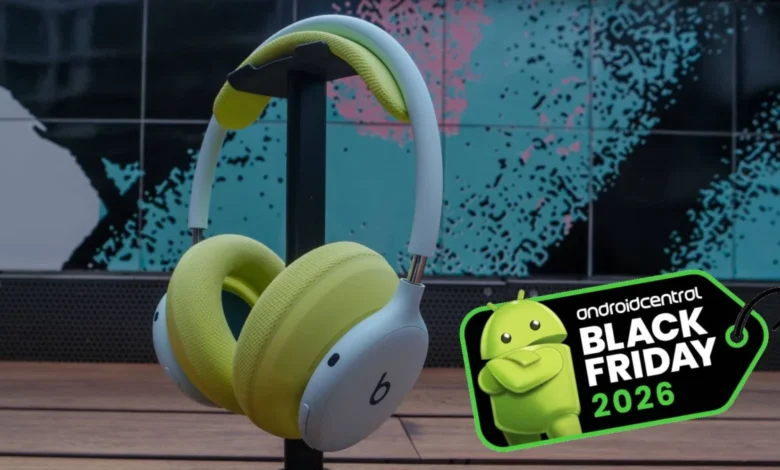
The consumer electronics market enters one of its most lucrative trading periods of the year as major retailers roll out aggressive pricing strategies for the Black Friday weekend. Among the standout audio promotions, Amazon has introduced a significant price reduction on the recently released Beats 360 headphones. Launched just two months ago, the high-end over-ear headphones have received an initial price cut of $100, dropping from their standard retail price of $349.99 down to $249. This early markdown highlights the fiercely competitive nature of the audio gear market during the year-end shopping holiday, where brands and retailers vie for the attention of audiophiles, casual listeners, and holiday shoppers alike.
Background Context of the Black Friday Audio Market
Black Friday has traditionally served as a critical sales window for consumer technology manufacturers, allowing them to clear inventory and capture market share heading into the year-end holidays. In recent years, the competition within the personal audio sector has intensified significantly. Industry giants such as Sony, Bose, and Apple-owned Beats Electronics continuously battle for dominance across various categories, ranging from true wireless earbuds to premium over-ear, noise-canceling headphones.
The launch timing of the Beats 360 headphones—hitting the market merely two months prior to the holiday shopping rush—made them an unexpected candidate for such steep promotional discounting. Typically, newly released flagship hardware maintains its MSRP (Manufacturer’s Suggested Retail Price) through its initial holiday season to capitalize on early adopters. However, the saturation of the audio market and the aggressive pricing of competing products, such as Sony’s WH-1000XM6 series, have seemingly compelled retailers to introduce deeper incentives much earlier in the product lifecycle than previously observed.
Product Specifications and Performance Overview
Evaluating the Beats 360 requires examining how they position themselves against established market leaders. Built to cater to a diverse consumer base, the headphones feature an audio output architecture driven by a robust nine-microphone configuration. This multi-microphone array supports active noise cancellation (ANC) and enhanced call clarity, though early reviews indicate that the ANC performance, while competent, does not quite match the industry-leading standards set by Sony’s flagship offerings.
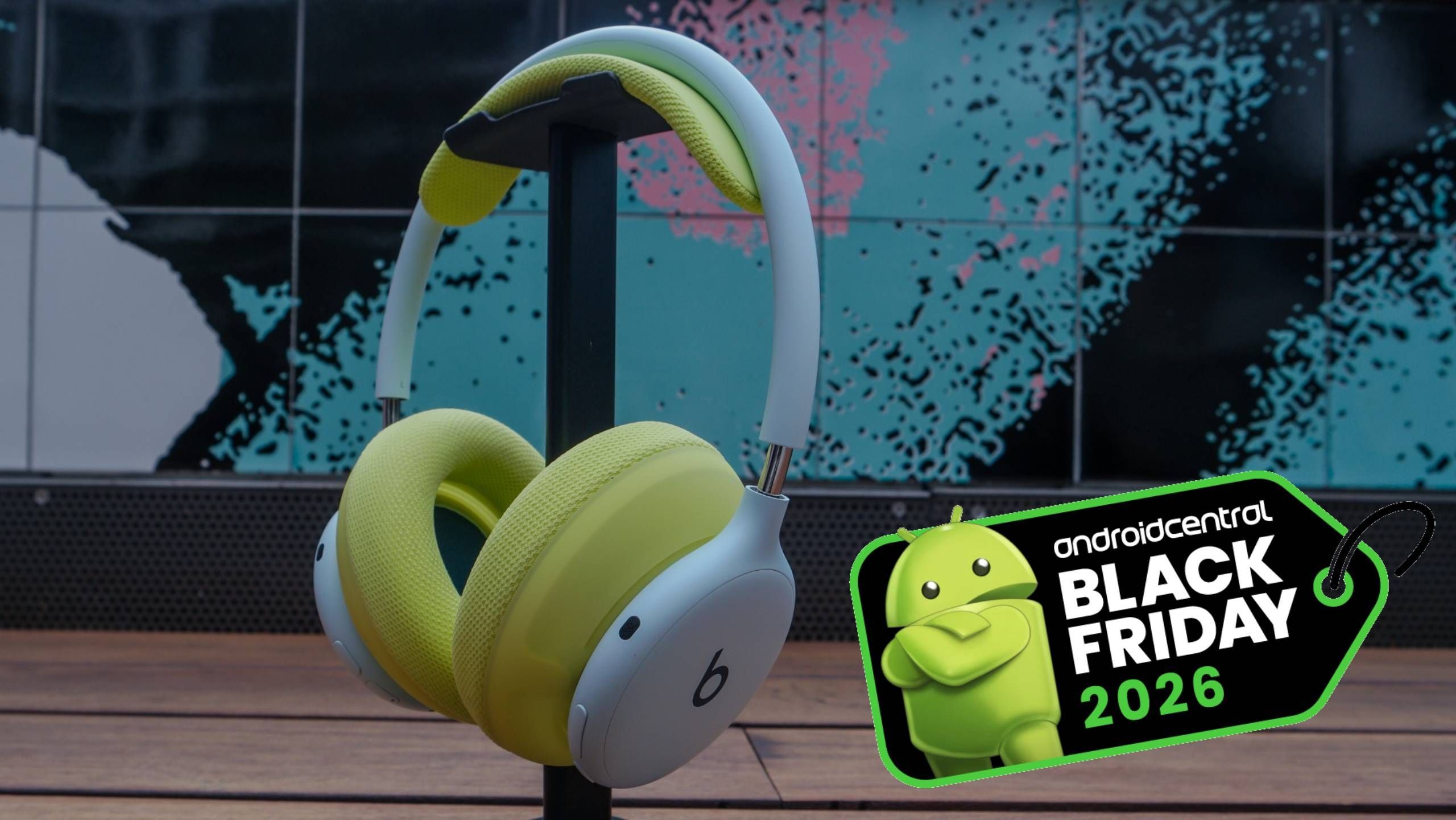
Despite trailing competitors in absolute noise-canceling prowess, the Beats 360 introduce several distinct advantages tailored to modern consumer habits. Notably, the hardware comes equipped with an IPX4 water-resistance rating. This inclusion provides vital protection against sweat and light moisture splashes, rendering the over-ear headphones considerably more viable for fitness enthusiasts and gym-goers—a demographic that traditionally avoids over-ear designs due to moisture vulnerability.
Furthermore, the design philosophy emphasizes personalization. The headphones incorporate customizable aesthetic elements, allowing users to alter exterior appearances to align with individual style preferences. However, the hardware is not without notable omissions; notably, it lacks on-head detection sensors, meaning the device cannot automatically pause or resume media playback when removed from or placed back onto the user’s head.
Comparative Market Analysis and Pricing Strategy
To contextualize the current $249 promotional price point, industry analysts point to the broader pricing ecosystem of high-end wireless headphones. Sony’s flagship WH-1000XM6 headphones, widely regarded as a benchmark for active noise cancellation and overall acoustic fidelity, command a higher price tag. Even with concurrent holiday discounts applied, the Sony equivalents remain approximately $100 more expensive than the discounted Beats 360.
This pricing strategy creates a specific consumer tier. For buyers seeking premium build quality, reliable acoustic performance, and lifestyle-oriented durability features like IPX4 water resistance—without stretching their budgets to accommodate top-tier Sony or Bose prices—the discounted Beats 360 represent a compelling middle-ground option. Conversely, consumers prioritizing uncompromised noise cancellation and advanced automated features like head-detection may find greater value in looking toward discounted previous-generation hardware from competing brands.
Chronology of the Product Lifecycle and Promotion
The trajectory of the Beats 360 from product announcement to holiday promotion illustrates the accelerated pace of modern consumer electronics retail cycles:
- September: Beats Electronics officially launches the Beats 360 over-ear wireless headphones at an MSRP of $349.99, targeting the premium commuter and lifestyle audio segments.
- October: Initial consumer reviews and technical evaluations are published across major technology publications, highlighting strong audio output, comfortable ergonomics, and lifestyle-centric features alongside minor criticisms regarding ANC depth and the absence of proximity sensors.
- Late November: Retailers, led by Amazon, initiate broad Black Friday promotional campaigns. In an aggressive move for a two-month-old product, the price of the Beats 360 is slashed by $28.5%, bringing the cost down to $249.
Broader Industry Implications and Future Outlook
The early and aggressive discounting of a newly released flagship audio product signals shifting retail dynamics. As supply chain stabilization and consumer price sensitivities shape the macroeconomic landscape, hardware manufacturers appear increasingly willing to compress product lifecycle margins to secure volume sales during peak shopping windows.
For the broader audio industry, the promotional pricing of the Beats 360 sets a precedent for how brands must adapt to consumer expectations. As competition narrows the performance gaps between major audio manufacturers, factors such as durability ratings, aesthetic customizability, and aggressive holiday pricing are becoming primary differentiators. Whether this trend influences upcoming product roadmaps across the sector remains to be seen, but for holiday shoppers currently navigating the crowded audio market, the availability of high-end gear at reduced entry barriers offers unprecedented value heading into the new year.