Google Search Rolls Out Gemini 4 Hydrogen Model to Deliver More Visual, Intent-Driven Results

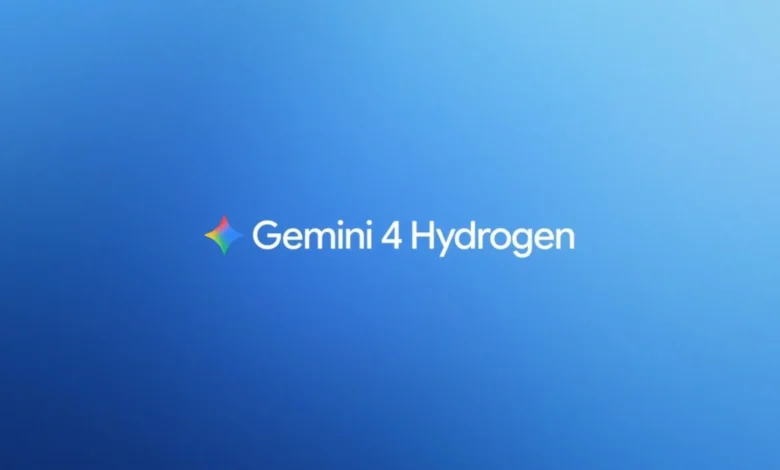
Google Search is undergoing a significant architectural evolution with the deployment of Gemini 4 Hydrogen, the technology giant’s latest iteration in its family of multimodal artificial intelligence models. Rolling out immediately to users interacting with Google’s AI Mode, the new model is designed to fundamentally alter how everyday queries are processed, interpreted, and presented. According to technical documentation and official corporate announcements released by Google, Gemini 4 Hydrogen represents a major leap forward in executing rapid, agentic workflows while prioritizing visual engagement, nuanced comprehension of complex human intent, and vastly improved source attribution.
This update follows a rapid succession of experimental rollouts, including the late-year integration of the 20 Flash Thinking model and incremental refinements to AI Overviews. As artificial intelligence becomes deeply embedded into the fabric of the world’s most popular search engine, the introduction of Hydrogen underscores Google’s ongoing race to balance conversational utility, structural readability, and fair web traffic distribution for independent publishers.
Core Architectural Upgrades and the Promise of Gemini 4 Hydrogen
At the heart of the latest update is the Gemini 4 Hydrogen model itself, which Google engineered explicitly for high-speed execution across diverse agentic workflows. In the context of everyday consumer search, this translates to an AI assistant capable of digesting multi-layered requests without lagging or dropping contextual threads.
Historically, text-heavy search queries often resulted in walls of narrative text that required users to scroll extensively to extract actionable data. Gemini 4 Hydrogen actively disrupts this pattern by leaning heavily into generative visual layouts. When a user queries Google Search for recommendations on local dining, for instance, the AI no longer relies solely on bulleted textual lists. Instead, the interface dynamically surfaces highly relevant, easy-to-scan images alongside structured textual highlights. For queries involving comparative pricing, statistical breakdowns, or scheduling data, Hydrogen is programmed to spontaneously generate cleanly formatted tables, making complex data digestible at a glance.
Furthermore, Google’s engineering teams have tuned the model to better parse nuanced, multi-part, or conditional questions. Where older iterations might have faltered when presented with competing constraints—such as searching for a budget-friendly Asian restaurant that accommodates specific dietary restrictions while serving a specialized type of cuisine—Gemini 4 Hydrogen is engineered to systematically address each distinct constraint within a single, cohesive response block.
Chronology of Google’s AI Search Evolution
The deployment of Gemini 4 Hydrogen is the latest milestone in an aggressive, multi-year timeline of generative AI integration within Google’s core products. The trajectory of this transformation highlights the speed at which the search landscape is shifting:
- Early 2023: Google announces the initial rollout of Search Generative Experience (SGE) in response to the rapid rise of competitive conversational AI tools like OpenAI’s ChatGPT.
- Late 2023 to Mid-2024: SGE transitions into AI Overviews, bringing synthesized answers to the top of standard search engine results pages (SERPs) for millions of global users.
- Late 2024: Google introduces experimental models such as the 20 Flash Thinking framework, focusing heavily on enhancing logical reasoning capabilities and transparent multi-step problem solving within the Gemini application ecosystem.
- Mid-October 2024: Google rolls out a major backend adjustment specifically designed to elevate linked sources within AI Overviews, ensuring that informational attribution appears higher up in conversational responses to combat user friction.
- Current Rollout: The official debut of Gemini 4 Hydrogen in AI Mode, combining advanced visual generation, real-time table rendering, enhanced multi-intent comprehension, and restructured back-linking protocols.
Accessibility and User Interface Integration
For everyday users wishing to interact directly with the new capabilities, accessing Gemini 4 Hydrogen requires navigating to Google’s dedicated AI Mode within the search interface. Users can activate the model by tapping a designated plus icon within the prompt interface and selecting "4 Hydrogen" from the model selection menu. Early adopters testing the feature report that Hydrogen is frequently selected as the default option for complex processing tasks, provided the user’s account has been provisioned with access to Google’s top-tier generative architectures.
This seamless integration ensures that consumers do not need to adopt an entirely new application to leverage the technology; rather, the enhancements are baked directly into the familiar Google Search web and mobile experiences.
Addressing the Publisher Dilemma: Source Attribution and Transparency
One of the most persistent criticisms leveled against generative search features across the technology sector has been the potential erosion of referral traffic to independent journalism, blogs, and reference websites. When an AI model answers a user’s question completely within a chat box or search overview, the incentive for the user to click through to an external publisher’s website diminishes significantly.
In response to sustained pressure from content creators, SEO specialists, and regulatory bodies, Google has utilized the Gemini 4 Hydrogen rollout—alongside preceding mid-October updates—to refine its back-linking and source-display mechanisms. Google has explicitly stated that the new AI model is optimized to help users discover information from domains and sources they may never have visited previously.
To achieve this, the search engine has altered how source links are integrated into AI-generated responses. Rather than burying citations at the very bottom of a long text block or hiding them behind secondary menus, updated AI Overviews place verified source links prominently near the top of responses. Additionally, Google has introduced more engaging, thumbnail-rich link formats that capture user attention, alongside a timely news carousel that surfaces breaking reporting directly at the top of the SERP when users search for developing current events. These design choices represent an institutional effort to preserve the symbiotic relationship between search engines and web publishers.
Broader Implications and Industry Analysis
The launch of Gemini 4 Hydrogen carries profound implications for both the digital marketing industry and consumer habits. From a consumer perspective, the standard of what constitutes a "good search" is permanently shifting. Users increasingly expect search engines to act less like passive indexes of web links and more like proactive, intelligent agents capable of synthesizing vast amounts of disparate information into bespoke, visually rich formats.
For businesses, SEO professionals, and content creators, the optimization playbook must evolve rapidly. Traditional keyword optimization is no longer sufficient; content must now be structured in ways that make it easily digestible for multimodal AI models capable of extracting tables, summarizing complex conditional logic, and utilizing high-res imagery. Furthermore, as Google prioritizes prominent source attribution and contextual carousels, maintaining high authority, structured metadata, and visually appealing web assets will be vital for capturing the referral traffic that does break through the AI interface.
As Google continues to tinker away at the boundaries of artificial intelligence and information retrieval, Gemini 4 Hydrogen marks a definitive step toward a more intuitive, highly visual, and deeply responsive future of the internet. Whether these features can sustainably balance user convenience with the economic survival of the wider web ecosystem remains the defining question for the next era of search technology.
Related posts: