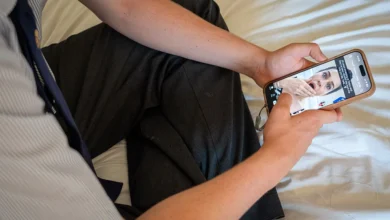
As parents and digital watchdogs tighten restrictions across mainstream social media networks, teenagers and pre-teens have engineered an ingenious workaround to maintain their peer-to-peer digital lives. Denied access to traditional platforms due to age verification barriers, stricter parental controls, and constant surveillance, tech-savvy middle schoolers have commandeered an unexpected digital sanctuary: public radio podcast comment sections.
The phenomenon came to light during a recent episode of the long-running public radio program This American Life, hosted by veteran broadcaster Ira Glass. In the episode titled Intergenerational Space Travel, Glass explored a bizarre digital trend that left audio producers baffled before a generational divide in the workplace helped decode the mystery. What initially appeared to be spam or automated bot activity was, in reality, a clandestine network of underground middle school chat rooms operating in plain sight on streaming platforms like Spotify.
The Discovery of the Podcast Chat Rooms
The digital infiltration began quietly in the fall, when producers behind NPR’s interview and pop-culture podcast Wild Card noticed an inexplicable surge of engagement beneath their episodes. The comment sections, which traditionally featured modest listener feedback, thoughtful listener reviews, or total silence, suddenly exploded with cryptic conversations. The text was filled with inscrutable abbreviations, inside jokes, rapid-fire alphanumeric sequences, and dense strings of indecipherable emojis.
For the production team, the immediate assumption was that the podcast had been targeted by a wave of automated bot traffic or malicious comment spam. Concerned by the sudden influx of algorithmic clutter, a confused producer archived screenshots of the strange posts and shared them in an internal NPR Slack channel. Believing the content to be unauthorized bot manipulation, the team promptly reported the activity to Spotify to clear out the digital noise.
However, the mystery was quickly unraveled thanks to workplace demographics. Hannah Chin, a Gen Z audio producer at NPR, looked at the screenshots and recognized the communication style instantly. Where older producers saw broken code and algorithmic spam, Chin recognized the vernacular of middle schoolers. The strings of emojis and abbreviated slang were not bots at all; they were private group chats disguised as public commentary, operated by children too young for mainstream social networks yet sophisticated enough to find an open digital back door.
The Public Radio Burn
The realization should not have come as entirely unfamiliar territory for public media. Just a year prior, staff members working on the NPR program TED Radio Hour identified a nearly identical pattern of behavior, realizing that children had begun repurposing their podcast comment sections into makeshift messaging boards.
Intrigued by the resourcefulness of these young digital natives, Ira Glass decided to track down one of the middle schoolers participating in the Wild Card comment thread to ask a fundamental question: Why NPR? Why would a demographic typically associated with high-energy short-form video apps like TikTok or gaming platforms like Roblox choose a sedate, culturally enriching public radio feed to hang out with their friends?
The answer delivered by the middle-schooler was refreshingly devoid of media training or corporate diplomacy.
"Um, I think we just, like, looked for podcasts that didn’t have many comments," the child explained.
For Glass, who has spent three decades serving as the comforting, authoritative voice of This American Life, the unvarnished honesty of the response stung in real-time. Pausing for dramatic effect, the veteran broadcaster delivered a self-deprecating retort that instantly resonated with public radio listeners nationwide.
"I tell you, buddy," Glass responded on air, "I do a public radio show, and that hurts a little to hear."

The Digital Landscape of Youth Surveillance and Compliance
To understand why middle schoolers are resorting to public radio comment sections, researchers and digital policy experts point to an increasingly restrictive online ecosystem. Over the past several years, lawmakers, advocacy groups, and tech companies have faced intense pressure to protect minors online. This has resulted in a wave of legislation aimed at enforcing strict age verification laws, limiting screen time, banning algorithmic feeds for children, and requiring parental consent for social media account creation.
While these measures are designed with the noble intention of protecting young minds from cyberbullying, predatory behavior, and addictive scrolling algorithms, they have also produced unintended consequences. Children, whose social development heavily relies on peer interaction and communication, find themselves locked out of the traditional digital public squares where older teens and adults converse freely.
Faced with blocked access to Instagram, Snapchat, TikTok, and Discord, digitally native youth have proven remarkably resourceful. They have systematically scanned the internet for unmonitored digital infrastructure—places with text input fields, low traffic, and zero active moderation—to establish alternative communication channels. Podcast hosting platforms, academic forums, recipe review sections, and public radio comment feeds have all emerged as unwitting refuges for underground adolescent socialization.
The Technical Reality of Comment Section Messaging
The mechanics of using a podcast comment section as a messaging app require a distinct level of patience and coordination. Unlike instant messaging applications where messages appear in real-time with push notifications, using a platform like Spotify’s podcast comments to chat feels closer to dropping notes in a physical locker or communicating via a bulletin board.
Participants must refresh the page to see if a friend has replied, write out their thoughts while evading automated content filters, and hope that platform moderators do not sweep through and wipe the thread. Despite these logistical hurdles, the sheer novelty and absolute privacy of hiding in plain sight within an NPR podcast feed offer an appealing thrill. Adults simply do not look for middle school social drama in the comments of an intellectual interview show about culture and human behavior.
Broader Implications for Audio Platforms and Publishers
The revelation that children are turning audio streaming apps into chat rooms highlights a broader technological oversight: the convergence of media consumption and social networking features. Over the past half-decade, major podcast distributors have aggressively added community-building features—such as ratings, reviews, and comment sections—to transform passive listening experiences into interactive social ecosystems.
However, these companies rarely build robust moderation infrastructure specifically tailored for niche, low-traffic educational and cultural programming. While high-profile comedy, true crime, and pop-culture podcasts are heavily monitored by creators and dedicated community managers, public radio shows often maintain quiet, organic comment sections that lack active day-to-day oversight. This creates a regulatory vacuum that clever youth culture effortlessly exploits.
For podcast networks, publishers, and streaming giants, the trend signals a need to rethink how comment sections are deployed across diverse genres of audio content. Platforms may soon need to implement more sophisticated comment management tools, age-appropriate filtering, or clearer terms of service regarding how comment fields are utilized by listeners. Alternatively, producers may simply choose to disable comments entirely on shows that do not have the resources to monitor unexpected spikes in youthful banter.
Conclusion: The Resilience of Youth Communication
Ultimately, the NPR podcast comment room phenomenon serves as a humorous yet poignant reminder of the adaptability of youth culture. No matter how many firewalls, age gates, and parental controls are erected to police the digital behavior of the younger generation, human ingenuity—driven by the fundamental biological need for social connection—will inevitably find a way through the cracks.
Whether those cracks are found in high-tech messaging apps or the quiet, dignified digital margins of public radio broadcasting, kids will continue to talk to each other. And as Ira Glass and his team learned firsthand, sometimes the most profound media insights don’t come from focus groups, listener surveys, or data analytics firms, but from a middle schooler looking for an empty room on the internet to say hello to their friends.