Google Leads Massive International Takedown of 1.3 Million Android TV Botnet Fueled by Manufacturer Backdoor


In a coordinated international cyber-defense operation, technology giant Google, alongside global law enforcement and cybersecurity firms, successfully severed control of a massive botnet comprising more than 1.3 million compromised Android devices. The operation, which reached its climax in late October, targeted a persistent infrastructure primarily built around Android TV set-top boxes. Investigators have expressed high confidence that the hardware manufacturer, Shenzhen-based Videostrong, purposefully embedded a sophisticated backdoor into the firmware of millions of devices, commercializing unauthorized access to criminal syndicates over several years.
The takedown highlights escalating vulnerabilities within the global Internet of Things (IoT) supply chain. It underscores the profound security risks posed when hardware producers bypass established compliance protocols to embed malicious code directly into consumer electronics.
Anatomy of the x.cpe Backdoor and Supply Chain Compromise
The malicious architecture at the heart of the botnet relies on a deeply embedded backdoor identified as x.cpe. According to comprehensive forensic analysis released by Google’s Threat Intelligence group, the backdoor operates as a system-level application directly integrated into device firmware. Armed with elevated system privileges, x.cpe maintains a persistent communication channel with command-and-control (C2) servers, awaiting operational instructions.
To ensure uninterrupted and silent execution, the backdoor systematically disables Google Play Protect—Android’s native security framework—preventing the operating system from flagging malicious payloads. Once security protocols are neutralized, the botnet operators possess remote capabilities that include silent application installation, execution of arbitrary terminal commands, live screen capture, and detailed network reconnaissance.

Further telemetry indicates that the operators frequently leveraged these capabilities to execute intrusive actions, such as logging keystrokes, harvesting user account credentials, extracting system logs, and establishing reverse shells that granted external actors direct command-line access to household consumer equipment.
Monetization Strategies: Residential Proxies and Ad Fraud
Once the backdoor successfully compromised a device, criminal syndicates deployed modular payloads designed to monetize the infected hardware without the owners’ knowledge. The vast majority of these modules transformed the targeted set-top boxes into residential proxy nodes. This practice routes third-party internet traffic through domestic broadband connections, obfuscating malicious activities—such as credential stuffing, automated web scraping, and cyberattacks—behind legitimate residential IP addresses.
In addition to proxy traffic routing, operators utilized a significant portion of the botnet to conduct extensive digital ad fraud. By simulating user engagement, video views, and click-through metrics on digital advertisements, the malicious network generated fraudulent revenue at the expense of bandwidth and processing power donated unwittingly by household consumers.
While the majority of impacted hardware consisted of Android TV set-top boxes, security researchers also identified the x.cpe backdoor on specialized enterprise and consumer gadgets, including telemedicine terminals, karaoke machines, and digital signage displays.
Global Reach and Affected Geographies

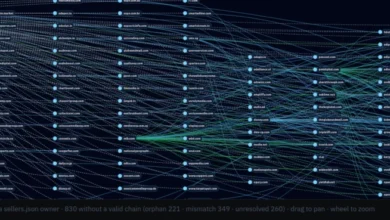
Data compiled by TrendAI—the enterprise cybersecurity division of Trend Micro—revealed that between June 3 and October 1, the infrastructure tracked at least 1,472,554 distinct infected devices distributed across 206 unique hardware models. Because telemetry only accounts for devices actively checking in during the observation window, industry experts believe the true scale of the infection is substantially higher.
Geographic distribution mapping demonstrated widespread global penetration. Developing markets and transit hubs reported the highest infection densities, with Malaysia, Brazil, Iraq, Mexico, and Taiwan recording the most substantial concentrations of compromised units. Simultaneously, developed economies were heavily impacted; the United States, Germany, the United Kingdom, Australia, and Canada each registered between 26,000 and 42,000 infected terminals.
Industry Collaboration and the October Takedown Operation
The dismantling of the x.cpe botnet required unprecedented cooperation between multinational technology corporations, private cybersecurity firms, and international law enforcement agencies. Google spearheaded the legal maneuvers required to seize the domain names and server infrastructures utilized by the botnet operators.
Crucial operational support was provided by Japan’s National Police Agency, alongside prominent cybersecurity organizations including Lumen Technologies, HUMAN Security, Plume, Synthient, and TrendAI. Beyond neutralizing the primary botnet servers, the coalition dismantled control domains associated with more than a dozen distinct malware families that had been actively delivered through the Videostrong backdoor.
Because the threat actors behind these malware families utilized secondary distribution vectors, security analysts estimate that the coordinated action successfully severed remote access to at least 10 million additional infected devices worldwide. However, cybersecurity authorities have issued warnings that cybercrime groups resiliently adapt to disruptions, rapidly shifting to alternative toolsets and infrastructure when primary operations are compromised.

Identification of Videostrong and Google’s Retaliatory Actions
Attribution of the botnet to Videostrong crystallized through corroborating technical markers discovered by Google and research partner Synthient. Investigators traced configuration parameters from the command-and-control infrastructure directly back to proprietary Videostrong applications, including the YokaTV Player streaming utility. Furthermore, GitHub software repositories utilized to stage botnet packages bore direct naming conventions linking them to the manufacturer.
Synthient researchers bolstered these findings by discovering internal corporate documents signed by Videostrong’s research and development director left exposed within an open directory on a botnet server. Additional network analysis confirmed that active Videostrong web domains shared precise IP addresses with the cybercriminals’ administrative control panels.
In response to the confirmed breach of trust, Google severed all commercial relationships with Videostrong. The technology corporation enacted a formal ban prohibiting Videostrong, alongside any associated subsidiaries or affiliates, from manufacturing or distributing certified Android devices or supplying software to certified hardware vendors.
Implications for Consumer Security and Enterprise Networks
Addressing the infection presents a severe logistical challenge for individual consumers. Because the x.cpe backdoor is deeply embedded within the firmware and signed using legitimate manufacturer cryptographic keys, standard troubleshooting methods are ineffective. Device reboots automatically trigger the reinstallation of the backdoor.

Security researchers from Plume advocate for exhaustive factory resets to purge secondary malware payloads that may have colonized the system, though experts remain divided on whether a reset can permanently eradicate firmware-level persistence. Conversely, Synthient has adopted a more conservative stance, advising consumers to completely discard affected hardware to mitigate ongoing network risks.
For corporate environments, the proliferation of unmanaged consumer electronics on home networks represents an expanded enterprise attack surface. TrendAI has urged organizations with remote workforce policies to treat employee-owned smart TVs and streaming boxes as untrusted endpoints, mandating that corporate network access remain strictly isolated behind managed, secure hardware.
The Broader Threat to the Android Ecosystem and Certification Gaps
The incident has drawn intense scrutiny toward the validation processes governing the Android ecosystem. Google mandates stringent compatibility and security evaluations for hardware partners seeking official certification. However, evidence indicates that Videostrong deliberately concealed its malicious firmware modifications during compliance testing, deploying the x.cpe backdoor only after devices underwent their initial out-of-box activation.
While the operation successfully neutralized a critical threat vector, it highlights the persistent challenges technology platforms face in policing complex, global hardware supply chains. In light of these revelations, Google has initiated comprehensive overhauls of its device review procedures, implementing enhanced cryptographic and code-integrity checks for firmware deployed on certified Android TV hardware. As digital ecosystems continue to expand into household appliances and connected entertainment systems, the x.cpe takedown serves as both a significant milestone in cooperative cyber defense and a stark reminder of the vulnerabilities inherent in modern consumer hardware.