Govt Okays Launch Of Nano Liquid Dap Fertilisers Will Benefit Farmers Mandaviya 123622
Government Approves Launch of Nano Liquid DAP Fertilizers: A Game-Changer for Indian Farmers, Mandaviya Hails Initiative
The Union Cabinet’s recent approval for the nationwide launch of nano liquid diammonium phosphate (DAP) fertilizers marks a pivotal moment in India’s agricultural sector, promising significant benefits for farmers and bolstering the nation’s food security. This technological advancement, championed by Union Minister for Chemicals and Fertilizers, Shri Mansukh Mandaviya, aims to revolutionize fertilizer application, enhance nutrient use efficiency, reduce environmental impact, and ultimately improve farm profitability. The decision underscores the government’s commitment to modernizing agriculture and empowering farmers with innovative solutions that address long-standing challenges. The introduction of nano liquid DAP is not merely a product launch; it represents a strategic shift towards precision agriculture and sustainable farming practices, aligning with India’s vision for a self-reliant and prosperous agricultural future.
The core of this initiative lies in the transformative potential of nanotechnology in fertilizer delivery. Traditional granular DAP, while essential for crop nutrition, often suffers from nutrient losses due to leaching, volatilization, and inefficient uptake by plants. Nano liquid DAP, on the other hand, utilizes particles sized between 1 to 100 nanometers, allowing for a significantly increased surface area and a more uniform distribution of nutrients. This nanoscale dimension facilitates enhanced absorption by plant roots and leaves, leading to a higher percentage of nutrient utilization by the crops. Shri Mandaviya has consistently emphasized that this innovative fertilizer will ensure that a greater proportion of the applied phosphorus and nitrogen reaches the plant, thereby minimizing wastage and maximizing crop yields. This improved efficiency is crucial for optimizing resource allocation and achieving higher productivity from existing arable land.
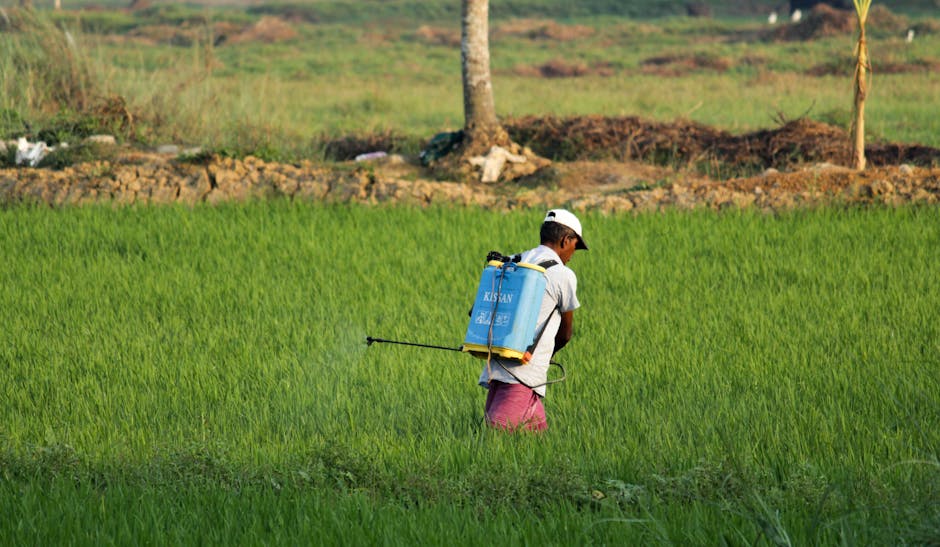
The economic benefits for farmers are projected to be substantial. While the initial investment in nano liquid DAP might be comparable to or slightly higher than conventional fertilizers, the drastically improved nutrient use efficiency translates into reduced overall fertilizer consumption per unit of land. This reduction in input costs, coupled with potentially higher yields, will directly improve the net income of farmers. Furthermore, the ease of application of liquid fertilizers, often through spraying, can lead to reduced labor costs and a more streamlined farming process. The government’s proactive stance in promoting this technology, including potential subsidies and awareness campaigns, will further ease the transition for farmers and ensure widespread adoption. This economic upliftment is critical for the sustainability of small and marginal farmers, who form the backbone of Indian agriculture.
Beyond direct economic gains, the environmental implications of nano liquid DAP are equally significant. The reduced wastage of nutrients means less phosphorus and nitrogen entering groundwater and surface water bodies. This mitigation of nutrient runoff is vital for preventing eutrophication and protecting aquatic ecosystems. Eutrophication, caused by excessive nutrient enrichment, leads to algal blooms, oxygen depletion, and a decline in biodiversity in water bodies. By minimizing such losses, nano liquid DAP contributes to cleaner water resources and a healthier environment. Moreover, the reduced reliance on bulkier granular fertilizers can also lead to lower carbon footprints associated with their manufacturing, transportation, and application, further contributing to sustainable agricultural practices and climate change mitigation efforts.
The successful implementation of this policy hinges on robust research, development, and an effective dissemination strategy. The Department of Fertilizers, in collaboration with agricultural universities and research institutions, will play a crucial role in developing and validating appropriate formulations of nano liquid DAP for diverse soil types and cropping patterns across India. Rigorous field trials will be essential to establish optimal application rates and timings to ensure maximum efficacy and prevent any potential adverse effects. Simultaneously, comprehensive outreach programs will be necessary to educate farmers about the benefits, application methods, and handling precautions associated with nano liquid DAP. This includes demonstrations, workshops, and the development of user-friendly literature and digital resources. The success of this initiative is intrinsically linked to the informed and empowered participation of the farming community.
The global shift towards nanotechnology in agriculture is a testament to its transformative power. Countries worldwide are exploring and adopting nano-fertilizers to enhance crop productivity and promote sustainable farming. India’s decision to embrace nano liquid DAP places it at the forefront of this technological revolution, showcasing its commitment to innovation and its capacity to leverage cutting-edge science for the benefit of its agricultural sector. This move aligns with the Prime Minister’s vision of "Atmanirbhar Bharat" (Self-Reliant India) by reducing dependence on imported fertilizers and promoting indigenous technological advancements. The development and manufacturing of nano liquid DAP within India will also foster growth in the domestic chemical and nanotechnology industries, creating employment opportunities and strengthening the nation’s industrial base.
The strategic importance of DAP as a primary source of phosphorus and nitrogen for Indian agriculture cannot be overstated. Phosphorus is a critical macronutrient for plant growth, essential for root development, flowering, and fruiting. Nitrogen, another vital nutrient, is crucial for vegetative growth and chlorophyll production. Ensuring efficient delivery of these nutrients is paramount for achieving optimal crop yields and maintaining soil health. The current reliance on imported DAP has often made India vulnerable to global price fluctuations and supply chain disruptions. The development of indigenous nano liquid DAP offers a path towards greater self-sufficiency in fertilizer production and a more stable supply chain for farmers.
The government’s approval is also a response to the growing concerns about soil health degradation and the sustainability of current agricultural practices. Over-application of conventional fertilizers has, in some regions, contributed to soil acidification, reduced microbial activity, and imbalances in nutrient availability. Nano liquid DAP, with its targeted delivery and improved uptake, has the potential to alleviate some of these long-term soil health challenges by optimizing nutrient cycling and reducing the overall chemical load on the soil. This focus on soil health is a crucial component of sustainable agriculture, ensuring that farmland remains productive for future generations.
The government’s commitment to making nano liquid DAP accessible to all farmers, especially small and marginal ones, is crucial. This might involve providing subsidies on the product itself or on the equipment required for its application. Furthermore, ensuring a robust distribution network that reaches remote agricultural areas will be essential for the widespread adoption of this technology. The long-term vision is to integrate nano liquid DAP into the broader agricultural ecosystem, encouraging a transition towards more precise and environmentally conscious farming methods.
The successful rollout of nano liquid DAP will also require effective monitoring and evaluation mechanisms. The government will need to track its impact on crop yields, farmer incomes, and environmental indicators. This data will be invaluable for refining policies, addressing any unforeseen challenges, and further optimizing the use of nanotechnology in agriculture. Continuous feedback from farmers and agricultural experts will be crucial in ensuring that the technology evolves to meet the dynamic needs of Indian agriculture.
In conclusion, the government’s approval for the launch of nano liquid DAP fertilizers represents a bold and forward-thinking policy decision. It is a strategic move that promises to significantly benefit Indian farmers by enhancing nutrient use efficiency, reducing input costs, and improving crop yields. Simultaneously, it addresses critical environmental concerns by minimizing nutrient pollution and promoting sustainable farming practices. Under the visionary leadership of Shri Mansukh Mandaviya, this initiative has the potential to be a true game-changer, propelling Indian agriculture towards a more productive, profitable, and sustainable future, further strengthening the nation’s food security and rural economy. The successful adoption of this advanced fertilizer technology will be a testament to India’s commitment to harnessing scientific innovation for the betterment of its agricultural sector and the well-being of its farmers.

