LimeWire Reimagined: How the Former File-Sharing Giant Became a Powerhouse for Generative AI and Creator Monetization

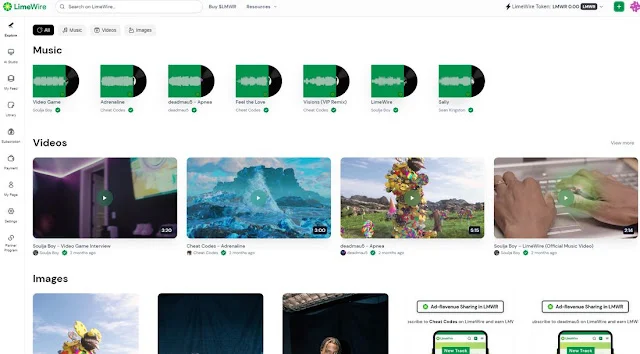
The landscape of digital content creation has undergone a seismic shift, and at the center of this transformation is a brand once synonymous with the early internet era: LimeWire. While the original iteration of the platform was a pioneer in peer-to-peer file sharing during the early 2000s—eventually shutting down in 2010 following high-profile legal battles—the brand has been resurrected as a sophisticated AI-driven studio. Today, the new LimeWire is an integrated ecosystem that leverages generative artificial intelligence to empower creators, musicians, and artists, providing them with the tools to produce, publish, and monetize digital assets through blockchain technology and decentralized finance.
The Evolution: From P2P Filesharing to AI Studio
The history of LimeWire is a case study in the rapid evolution of digital platforms. Founded in 2000, the original software allowed users to share music and video files globally. However, the legal challenges regarding copyright infringement eventually rendered the platform obsolete. In 2022, the brand was acquired by serial entrepreneurs Julian and Paul Zehetmayr, who sought to repurpose the legacy brand into a legitimate creator-focused marketplace.
The strategic pivot to AI and Web3 represents a transition from a platform characterized by unauthorized distribution to one built on the principles of creator ownership and intellectual property rights. By integrating AI-powered image generation, the platform now provides users with the infrastructure to transform simple text prompts into high-quality visual art, which can then be minted as non-fungible tokens (NFTs) on the Polygon and Algorand blockchains.
The Technological Architecture of LimeWire AI Studio
At the core of the modern LimeWire offering is its Studio, a centralized interface designed to lower the barrier to entry for professional-grade generative art. Unlike standalone AI tools that lack a community or monetization component, LimeWire functions as an all-in-one publishing platform.
The platform utilizes industry-standard generative models, including Stable Diffusion 2.1, Stable Diffusion XL, and DALL-E 2. By offering these models, LimeWire enables users to experiment with a diverse array of aesthetic styles—ranging from cinematic realism and analog film grain to hyper-stylized anime and pixel art. The integration of "samplers" and fine-tuning parameters allows creators to adjust the level of detail, lighting, and composition, effectively turning casual users into digital illustrators.
As of early 2024, the development team has signaled that the platform is not merely a wrapper for existing models. Significant resources are being directed toward the creation of a proprietary AI model designed to provide users with unique output styles not currently available through open-source alternatives. This roadmap includes the highly anticipated integration of AI-driven music composition and video generation, which would align the platform more closely with the evolving needs of content creators in the entertainment industry.
Monetization and the Role of the LMWR Token
A distinguishing feature of the new LimeWire is its aggressive stance on creator economics. In a traditional social media model, the platform retains the vast majority of ad revenue. LimeWire’s model flips this dynamic by offering a direct revenue-sharing program. When users publish their AI-generated images or videos, they are eligible to earn a portion of the ad revenue generated by their content.
This revenue is distributed in the form of LMWR tokens, the platform’s native cryptocurrency. The utility of the LMWR token is threefold:
- Revenue Payouts: Creators receive monthly distributions based on the engagement metrics of their content.
- Platform Utility: Tokens can be staked or used to purchase additional credits for high-volume AI image generation.
- Liquidity: Because the token is listed on major decentralized and centralized exchanges—such as Kraken, ByBit, and Uniswap—creators have an immediate path to convert their digital earnings into fiat currency or other crypto assets.
By offering a revenue-sharing model that ranges from 50% to 70% of ad proceeds, depending on the user’s subscription tier, LimeWire is positioning itself as a direct competitor to traditional creator economy platforms like Patreon or Substack, albeit with an added layer of blockchain-enabled ownership.
Blockchain Integration and NFT Minting
The integration of NFTs into the LimeWire ecosystem is not merely a gimmick; it is the fundamental mechanism for digital property rights on the platform. When a creator generates an image, they have the option to mint that creation onto the blockchain. This process creates a verifiable record of ownership that is stored on a decentralized ledger.
This "minting" serves two purposes:
- Authenticity: It establishes a clear provenance for the digital asset, distinguishing the original creator from those who might duplicate the work.
- Secondary Market Royalties: When a user buys or trades an NFT minted on LimeWire, the original creator receives a 2.5% royalty fee. This creates a perpetual income stream for the artist, rewarding them for the long-term appreciation of their work.
This structure has attracted a variety of figures from the music and entertainment industry, including Deadmau5, Soulja Boy, and Sean Kingston. These early adopters have used the platform to release exclusive content, demonstrating that the tool is being taken seriously as a legitimate venue for high-profile digital distribution.
Subscription Tiers and Accessibility
LimeWire employs a freemium model that is designed to scale with the needs of the creator. The entry-level tier allows for free, casual usage, granting 10 daily credits and a 50% ad revenue share. For professional creators, the tiered subscription model offers increased output capacities:
- Basic/Pro Tiers: Monthly pricing ranges from $9.99 to $99, providing between 1,000 and 11,250 credits per month.
- Ad-Free Environment: High-tier subscribers benefit from an ad-free interface, which is a significant advantage for creators focusing on building a clean brand identity.
- Priority Access: Paying members receive early access to new AI models, ensuring they remain at the cutting edge of generative technology.
Analysis of Implications for the Creator Economy
The rise of LimeWire as a consolidated AI-publishing platform highlights a broader trend in the tech industry: the integration of generative AI with decentralized finance (DeFi). By removing the friction between "making" and "earning," platforms like LimeWire are changing the nature of digital labor.
However, the model is not without challenges. The reliance on AI-generated content raises ongoing questions regarding copyright ownership and the ethics of data scraping. As the legal environment surrounding AI-generated art continues to shift, LimeWire’s future will likely depend on its ability to navigate these regulatory waters while maintaining a competitive edge in the quality of its AI outputs.
Furthermore, the platform’s success depends on the long-term viability of the LMWR token and the broader crypto market. For creators, the prospect of earning cryptocurrency requires a higher level of technical literacy than traditional banking, though the ease of use of the LimeWire interface acts as a significant buffer against this complexity.
Conclusion
LimeWire has successfully shed the skin of its former self, evolving from a contentious file-sharing tool into a modern, sophisticated studio that sits at the intersection of AI innovation and the creator economy. By focusing on the full lifecycle of a digital asset—from the initial AI-prompted creation to the minting of an NFT and the subsequent earning of ad revenue—the platform offers a holistic solution for the next generation of digital artists.
As the company moves toward the introduction of music and video generation tools, it is poised to become a central hub for creators looking to leverage artificial intelligence not just for play, but as a viable economic engine. While the long-term impact of its monetization model remains to be seen, LimeWire’s current trajectory represents a significant milestone in the ongoing integration of generative AI into the mainstream commercial ecosystem. For those interested in the nexus of art and technology, the platform offers a compelling glimpse into how digital ownership and automated creativity may define the next decade of content production.