LimeWire Reimagined: The Evolution of a Digital Icon into a Generative AI Content Powerhouse

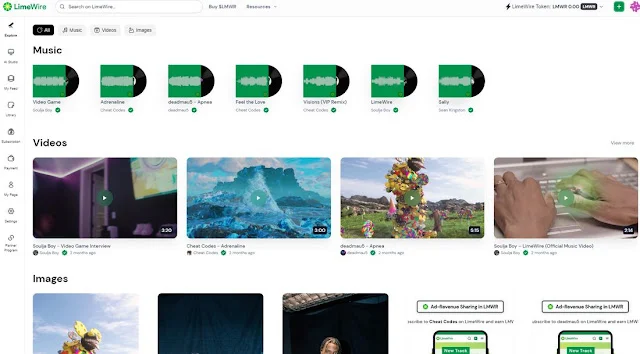
The digital landscape of the early 2000s was dominated by file-sharing software, with LimeWire standing as one of the most recognizable names in the peer-to-peer (P2P) era. Following a high-profile legal shutdown in 2010 that resulted in a $105 million settlement, the brand lay dormant for over a decade. However, the intellectual property was acquired in 2021 by entrepreneurs Paul and Julian Zehetmayr, who pivoted the company away from its controversial origins toward a modern, Web3-integrated AI content creation platform. Today, the platform functions as a sophisticated studio where creators leverage generative AI to produce, monetize, and trade digital assets.
A Strategic Pivot: From P2P to Generative AI
The transition of LimeWire represents a unique case study in brand repurposing. By shedding its association with illicit file sharing, the platform has repositioned itself as a legitimate hub for digital artists, musicians, and content creators. The current iteration, LimeWire Studio, serves as a bridge between the rapid advancements in generative artificial intelligence and the decentralized economy of NFTs.
The platform’s core functionality centers on AI-driven image generation. By integrating powerful models such as Stable Diffusion 2.1, Stable Diffusion XL, and DALL-E 2, LimeWire provides a robust sandbox for both novices and professional designers. Unlike standalone AI tools that prioritize generation over distribution, LimeWire focuses on the entire lifecycle of a digital asset: ideation, creation, minting, and monetization.
The Chronology of Transformation
To understand the current state of LimeWire, one must look at the timeline of its resurgence:
- 2010: LimeWire ceases operations following a permanent injunction issued by a U.S. federal court regarding copyright infringement.
- 2021: The brand is acquired by the Zehetmayr brothers with the intention of launching a legitimate NFT marketplace.
- 2022: LimeWire launches its NFT marketplace, gaining traction through partnerships with high-profile celebrities, including Soulja Boy, Sean Kingston, and Deadmau5, who utilized the platform to release exclusive music and video content.
- 2023–2024: The platform shifts focus toward generative AI, integrating text-to-image capabilities and creating a closed-loop economy using the LMWR utility token.
Technical Architecture and Creative Flexibility
The LimeWire AI Studio differentiates itself through its multi-model approach. By allowing users to toggle between different AI engines, the platform offers significant creative latitude. For instance, a user might employ Stable Diffusion XL for photorealistic landscapes and switch to a stylized model for anime-inspired digital art. This flexibility is complemented by advanced parameter controls, including the adjustment of samplers and prompt weighting, which allow creators to fine-tune the noise, detail, and stylistic fidelity of their outputs.
The platform is designed to be inclusive. Users do not need a deep background in computer science or programming to produce professional-grade imagery. By inputting natural language prompts, users can generate high-fidelity visuals that are ready for immediate publication. This lowering of the barrier to entry is a core pillar of the platform’s mission to democratize digital art.
Monetization and the Tokenized Economy
One of the most significant shifts in LimeWire’s business model is the introduction of a revenue-sharing system powered by its native cryptocurrency, the LMWR token. Unlike traditional content platforms where the hosting service retains the vast majority of advertising revenue, LimeWire utilizes a transparent, blockchain-based distribution model.
Creators who publish content on the platform are eligible for up to 70% of the ad revenue generated by their work. This is a deliberate strategy to incentivize high-quality, high-engagement content. Furthermore, the platform integrates NFT minting directly into the publishing flow. When a creator generates an image, they have the option to mint it as an NFT on the Polygon or Algorand blockchains. Once minted, the creator retains a 2.5% royalty on all subsequent secondary market trades, ensuring that artists benefit from the long-term appreciation of their work.
Analysis of the Creator Economy
The implications of this model are profound for the broader creator economy. By automating the technical hurdles of blockchain technology—such as minting, wallet management, and royalty distribution—LimeWire allows artists to focus on creation rather than infrastructure.
However, the model is not without risks. The volatility of the LMWR token, which is traded on exchanges like Kraken and ByBit, adds a layer of financial complexity for creators who choose to hold their earnings. Additionally, the platform’s reliance on subscription tiers for "Pro" features creates a tiered access model that mimics traditional software-as-a-service (SaaS) structures while maintaining the decentralized ethos of the crypto space.
Tiered Membership and User Acquisition
LimeWire operates a "freemium" model designed to encourage rapid user acquisition. New users are granted a set number of free credits, allowing them to experiment with the AI tools without upfront costs. To access higher generation limits and increased revenue shares, the platform offers four distinct subscription tiers:
- Basic/Free: Provides 10 credits daily, enabling roughly 20 image generations and a 50% ad revenue share.
- Pro Standard ($9.99/mo): Includes 1,000 credits, supporting up to 2,000 generations and maintaining a 50% revenue share.
- Pro Plus ($29.00/mo): Offers 3,750 credits, allowing for 7,500 generations and a 60% revenue share.
- Pro Premium ($49.00/mo): Provides 5,000 credits, supporting 10,000 generations and a 70% revenue share.
- Pro Max ($99.00/mo): The highest tier, offering 11,250 credits, supporting 22,500 generations, and a 70% revenue share.
All paid tiers remove in-platform advertisements, provide a "Pro" badge for social verification, and grant early access to upcoming features—most notably the anticipated integration of AI-driven music and video production tools.
Broader Market Impact
The re-emergence of LimeWire is a bellwether for how legacy brands can navigate the transition into the age of AI. By pivoting away from P2P and toward a creator-centric marketplace, the company has effectively insulated itself from its past legal vulnerabilities while tapping into the burgeoning demand for generative tools.
However, the platform faces stiff competition. Giants like Adobe (with Firefly), Midjourney, and OpenAI (with DALL-E 3) currently command significant market share. LimeWire’s competitive advantage lies not just in its image generation, but in its integrated ecosystem. By combining the social aspects of a subscription-based platform with the economic incentives of Web3, LimeWire is betting that creators will prioritize platforms that offer a clear, actionable path to monetization.
Future Outlook and Ethical Considerations
Looking ahead, LimeWire has signaled that its proprietary AI model is currently under development. This move is significant, as it indicates a desire to move beyond third-party API dependencies. As the platform prepares to launch video and music generation capabilities, it will likely face increased scrutiny regarding copyright and the ethical training of AI models.
The platform’s current adherence to decentralized blockchain standards suggests a commitment to transparency, yet the industry at large remains in a state of flux regarding intellectual property rights for AI-generated works. As regulators in the United States and the European Union continue to refine AI policy, platforms like LimeWire will need to ensure that their "ownership" mechanisms remain legally defensible.
In conclusion, LimeWire has successfully reinvented itself as a modern, technology-forward company. By merging the creative freedom of generative AI with the financial potential of decentralized finance, it provides a compelling case for how digital platforms can empower creators. Whether it can sustain this growth in an increasingly crowded AI market will depend on the continued adoption of its utility token and the success of its upcoming expansion into audio and video production. For now, it stands as a testament to the brand’s ability to evolve alongside the very technologies that are currently reshaping the global creative landscape.
Related posts: