Navigating the Future of Cross-Border E-Commerce Logistics: An In-Depth Look at Spring GDS and Sustainable Global Shipping Solutions

The rapid, unprecedented expansion of global e-commerce has fundamentally reshaped consumer expectations, transforming online retail from a domestic convenience into a borderless marketplace. Behind every successful international online transaction lies an intricate, high-stakes choreography of supply chain management, warehousing, customs clearance, and final-mile delivery. Without a resilient and adaptable logistics infrastructure, the modern digital economy simply could not function. Consequently, identifying and partnering with the right e-logistics provider has become one of the most critical strategic decisions for online merchants seeking sustainable growth. Among the prominent players navigating this complex ecosystem is Spring GDS, a specialized cross-border and e-commerce logistics provider designed to bridge the gap between merchants and international buyers.
Corporate Genesis and Industry Pedigree
To understand the operational capacity of Spring GDS, one must examine its foundational roots. Spring GDS operates as the international subsidiary of PostNL, the premier mail and parcel corporation of the Netherlands, which is publicly traded on the Euronext Amsterdam stock exchange. PostNL boasts a storied history rooted in European postal infrastructure, having evolved from a traditional state-run postal service into a modern, commercially driven logistics powerhouse capable of competing on the global stage.
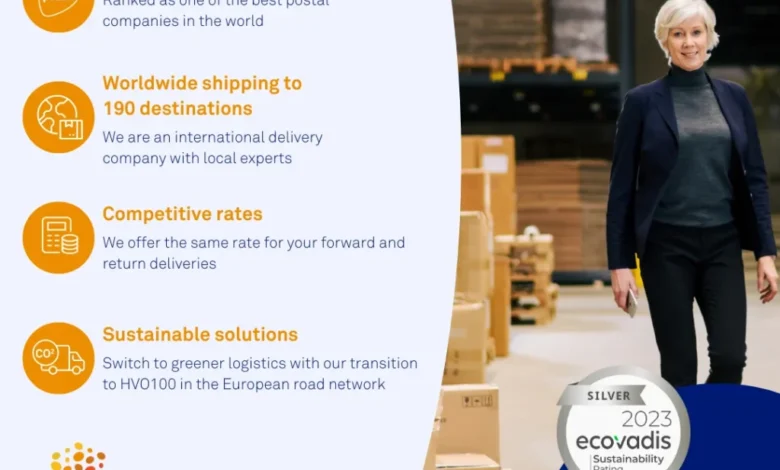
This corporate backing provides Spring GDS with a level of financial stability, institutional knowledge, and operational scale that few independent logistics startups can replicate. According to evaluations by the Universal Postal Union (UPU)—a specialized agency of the United Nations that coordinates postal policies among member nations—PostNL is consistently recognized as one of the top ten postal companies globally. Furthermore, the parent corporation holds a prominent position within the Dow Jones Sustainability Index (DJSI), reflecting its long-standing corporate ethos prioritizing environmental stewardship and sustainable transportation practices within the logistics sector.
Bridging Continents: Local Expertise with a Global Vision
In the realm of international e-commerce, generic, one-size-fits-all shipping solutions rarely succeed. Consumer behavior, regulatory frameworks, customs procedures, and cultural preferences vary drastically from one country to another. To address this complexity, Spring GDS has constructed a vast, interconnected network designed to offer localized execution backed by a comprehensive global vision.
The company currently collaborates with a robust network of more than 230 international logistics partners. This expansive cooperative framework grants e-commerce merchants of all sizes seamless access to approximately 190 destinations worldwide. To support this massive geographical reach, Spring GDS operates 18 strategically positioned operations centers distributed across three distinct continents. By maintaining physical infrastructure close to both merchants and end consumers, the company can effectively navigate regional regulatory nuances, optimize transit times, and address local delivery requirements at every single stage of the supply chain journey.
This hybrid approach—combining localized operational hubs with a borderless delivery network—allows online retailers to scale their international operations without needing to establish physical infrastructure in every target market. Merchants can tap into established distribution channels, ensuring that parcels clear customs efficiently and arrive at doorsteps with the reliability consumers have come to expect from domestic shipping.
The Imperative of Sustainable Logistics and Environmental Stewardship
As global e-commerce volumes continue to surge, the environmental footprint associated with packaging, warehousing, and transportation has drawn intense scrutiny from consumers, regulators, and corporate stakeholders alike. Recognizing this challenge, Spring GDS has embedded environmental sustainability deeply into its organizational DNA, treating green logistics not merely as a corporate social responsibility initiative, but as a core operational necessity.
The company’s sustainability strategy encompasses multiple facets of the supply chain, most notably waste reduction and carbon emission mitigation. In partnership with its extensive network of affiliates, Spring GDS actively promotes the use of circular materials. Traditional single-use items, such as conventional carton pallet boxes and disposable wooden pallets, are increasingly replaced with reusable, circular alternatives designed to minimize resource depletion and landfill waste.
On a broader macroeconomic scale, Spring GDS proactively invests in advanced emission-reduction strategies. These initiatives are directly aligned with the landmark Paris Climate Agreement adopted in 2015, which established a global mandate to limit global warming to 1.5 degrees Celsius above pre-industrial levels. To fulfill this commitment, Spring GDS has set an ambitious corporate milestone: achieving net-zero carbon emissions across its entire operational footprint by the year 2040.

Independent validation of these corporate practices came in 2023, when Spring GDS was awarded a silver medal by EcoVadis. As one of the world’s most trusted and widely recognized sustainability rating platforms, EcoVadis evaluates companies rigorously across four key themes: environment, labor and human rights, ethics, and sustainable procurement. Achieving a silver ranking places Spring GDS among the upper tier of assessed global companies, providing online merchants and corporate stakeholders with documented assurance that their supply chain partner operates under stringent environmental and ethical standards.
Technological Integration: The Role of Advanced IT Platforms in Modern Supply Chains
Modern logistics is driven as much by data as it is by trucks, planes, and distribution centers. The ability to track shipments in real-time, automate customs documentation, analyze delivery performance, and integrate seamlessly with various e-commerce content management systems can determine the success or failure of an online retail enterprise.
To address these technological demands, Spring GDS has developed and deployed an innovative, proprietary IT platform known as XBS (Cross Border Shipping). The XBS platform serves as a centralized digital command center designed to simplify and streamline the multifaceted process of managing international shipments.
Through the XBS interface, e-commerce merchants gain access to a suite of advanced technological features engineered to optimize sales and fulfillment operations:
- Automated generation of shipping labels and customs declarations, minimizing manual data entry errors and reducing administrative delays at international borders.
- Real-time end-to-end tracking capabilities that provide both merchants and consumers with complete visibility over parcel transit status.
- Flexible API integrations that connect smoothly with major e-commerce platforms, shopping carts, and enterprise resource planning (ERP) software, allowing for automated order fulfillment workflows.
- Data analytics dashboards that generate actionable insights regarding delivery times, shipping costs, and regional transit performance, empowering merchants to make informed supply chain decisions.
By streamlining the technological friction traditionally associated with cross-border shipping, platforms like XBS democratize international trade, enabling small and medium-sized enterprises (SMEs) to compete on a level playing field with established multinational brands.
Strategic Advantages for Modern Online Retailers
The convergence of global reach, institutional backing, sustainable practices, and sophisticated IT integration positions Spring GDS as a formidable partner within the contemporary e-commerce landscape. For online retailers grappling with rising customer acquisition costs, squeezed profit margins, and escalating consumer demands for fast, eco-friendly delivery, choosing the right logistics partner is a pivotal strategic calculation.
The primary competitive advantages offered by Spring GDS can be synthesized into several core pillars:
- Global Reach with Localized Execution: Access to 190 destinations backed by 18 operational hubs across three continents ensures that shipments are handled with local expertise.
- Enterprise-Level Reliability: Direct lineage from PostNL, a UPU top-ten global postal operator, instills confidence in network stability and financial security.
- Proven Sustainability Credentials: An EcoVadis silver rating and a clear trajectory toward net-zero emissions by 2040 appeal to environmentally conscious brands and consumers.
- Advanced Technological Infrastructure: The XBS platform simplifies complex cross-border documentation, tracking, and platform integration, driving operational efficiency.
Broader Implications and Industry Outlook
The trajectory of Spring GDS reflects broader structural shifts occurring within the global logistics and e-commerce sectors. As protectionist trade policies evolve, digital commerce continues to decentralize, and climate regulations become increasingly stringent, logistics providers can no longer rely solely on physical speed and low cost to win business.
Instead, the future belongs to integrated providers that can successfully harmonize technological innovation with ecological responsibility. Merchants are increasingly demanding transparency, resilience, and ethical alignment from their supply chain partners. Providers that can offer seamless cross-border connectivity while actively decarbonizing their operations will undoubtedly capture a larger share of the expanding digital retail market.
In conclusion, as e-commerce redefines the boundaries of global commerce, companies like Spring GDS illustrate how traditional logistics giants can successfully reinvent themselves for the digital age. By leveraging deep institutional heritage, investing in scalable digital infrastructure, and committing to ambitious sustainability targets, Spring GDS provides a compelling case study in modern supply chain management. For online retailers looking to expand their international footprint without compromising on environmental values or operational efficiency, partnering with a specialized cross-border logistics provider remains an indispensable strategy for long-term commercial success.