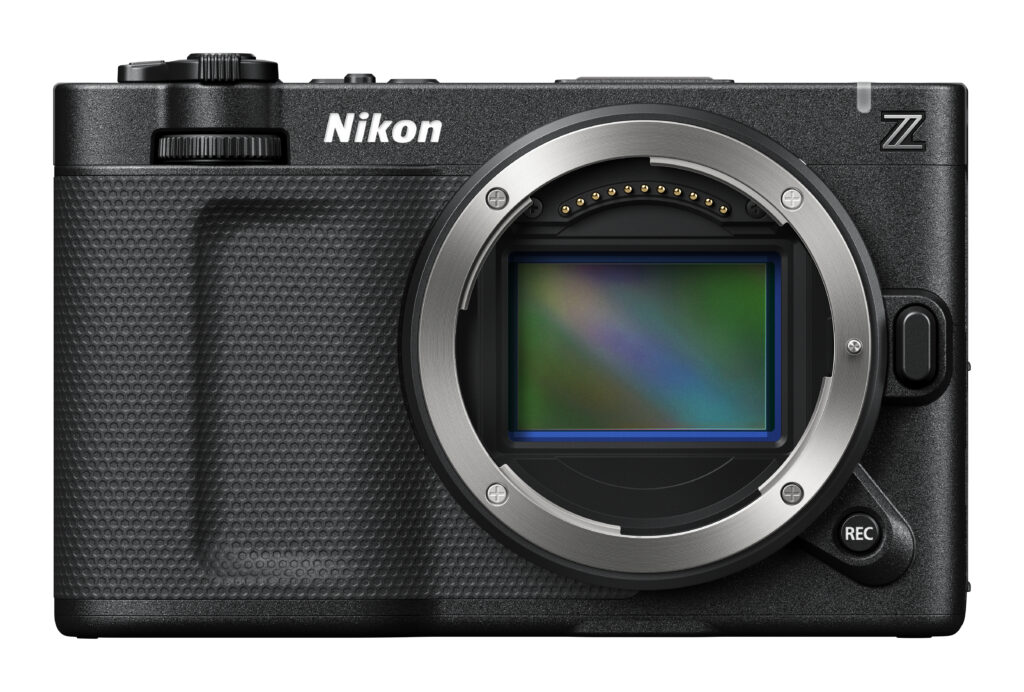
Nikon has officially unveiled firmware version 2.00 for the Nikon ZR, the flagship full-frame sensor camera within its Z CINEMA series. Originally released in October 2025, the ZR marked a significant pivot for the company, signaling a deeper commitment to high-end professional cinematography. This update, which is slated for release before the end of the calendar year, represents the first major firmware iteration for the camera, focusing on bridging the gap between lightweight, compact workflows and the high-performance color science traditionally reserved for dedicated cinema rigs.
A Strategic Evolution for the Z CINEMA Series
The introduction of the Nikon ZR was widely viewed as a response to the shifting demands of modern production houses, which increasingly require "all-in-one" cameras that can perform in both run-and-gun environments and controlled studio sets. By integrating technology acquired through its strategic maneuvers in the professional cinema space—specifically the influence of RED color science—Nikon aimed to challenge established market leaders in the mirrorless cinema segment.
Firmware 2.00 serves as a critical milestone in this strategy. By unlocking advanced gamma curves and refined manual controls, Nikon is effectively future-proofing the hardware. This update is not merely a bug-fix patch; it is an expansion of the camera’s creative ecosystem, allowing users to leverage the benefits of high-bitrate, compact codecs without sacrificing the post-production flexibility that colorists and editors demand.
Technical Deep Dive: Log3G10 and H.265 Integration
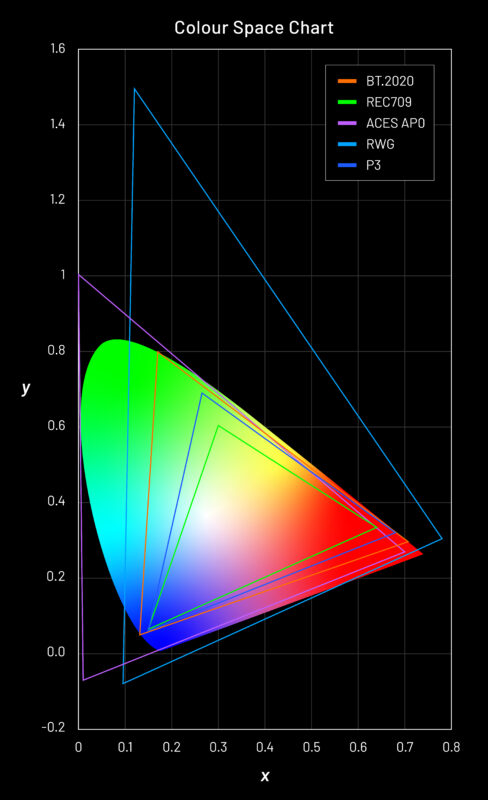
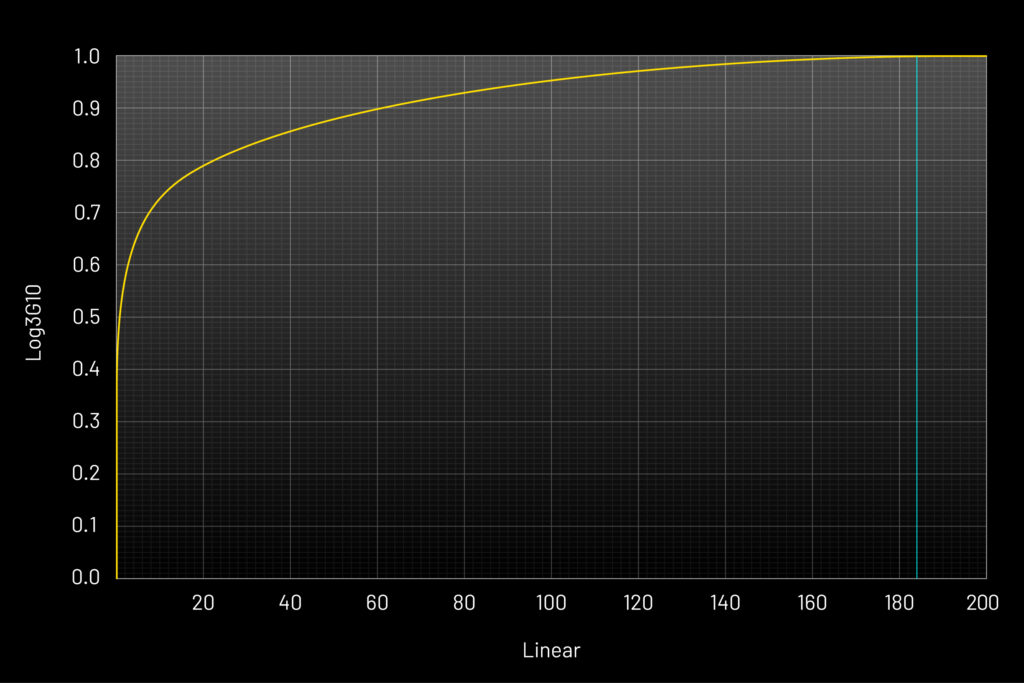
One of the most anticipated aspects of the 2.00 update is the integration of Log3G10 gamma for H.265 recording. Previously, H.265 was often viewed as a "delivery" or "convenience" codec, limited by its compressed nature. However, by enabling Log3G10, Nikon is allowing users to shoot in the REDWideGamutRGB color space while utilizing the more storage-efficient H.265 file format.
This change has significant implications for production workflows. For independent filmmakers or documentary crews who lack the massive storage infrastructure required for raw R3D files, this update offers a middle ground: the color latitude of cinema-grade sensors combined with the manageable file sizes of H.265. The addition of four distinct levels of High ISO Noise Reduction (NR) further enhances this, allowing cinematographers to strike a balance between image texture and digital cleanliness. Whether a project requires a gritty, filmic look or a polished, noise-free aesthetic, the firmware provides granular control that was previously inaccessible to users who preferred the H.265 workflow.
Enhancing Operability and Ergonomic Customization
Modern cinema cameras are often criticized for their complex menu systems, which can hinder an operator’s ability to react to fast-paced filming conditions. Nikon has addressed these usability concerns in the 2.00 update by expanding the functionality of the ZR’s command dials and function (Fn) buttons.
Key parameters such as ISO sensitivity, exposure compensation, white balance (WB), and white balance color temperature (WBK) can now be mapped directly to the camera’s physical dials. For an operator behind the camera, this means the ability to adjust critical lighting or color temperature settings without navigating through multi-layered digital menus. Furthermore, the ability to map 3D LUT/View Assist to an Fn button is a workflow-critical change. It allows the cinematographer to toggle between a flat log profile and a graded preview instantly, ensuring that exposure decisions are made with a clear understanding of the final look.
Monitoring and Workflow Efficiency
The inclusion of focus-peaking during R3D NE (Nikon’s proprietary RAW format) recording addresses a common pain point for focus pullers. Previously, monitoring tools were sometimes restricted when shooting in high-bitrate RAW modes. By enabling focus-peaking in R3D, Nikon ensures that manual focus accuracy is maintained even in the most demanding high-resolution scenarios.
Additionally, support for applying 3D LUTs to HDMI output is a vital addition for directors and DITs (Digital Imaging Technicians) on set. By outputting a pre-graded image to an external monitor, the crew can view the intended aesthetic in real-time, which significantly reduces the uncertainty often associated with monitoring log-encoded footage. This level of professional monitoring support confirms Nikon’s intent to make the ZR a viable primary camera for professional narrative and commercial work.
Timeline and Industry Context
The release of the Nikon ZR in late 2025 followed years of speculation regarding the company’s plans for the cinema market. Since the camera’s launch, Nikon has positioned itself as an innovator, leveraging its optical heritage while integrating the sophisticated sensor and color science expertise gained through its acquisition of RED Digital Cinema.
The timeline for the 2.00 firmware—released roughly 14 months after the camera’s debut—follows a standard "maturation" period for high-end cinema hardware. By providing this update, Nikon is demonstrating that its cinema ecosystem is a living product line. This is a common practice among high-end manufacturers like ARRI, Blackmagic Design, and RED, where hardware capabilities are unlocked over time to meet user feedback and evolving industry standards.
Fact-Based Analysis: The Implications for Competitors
The market for compact, full-frame cinema cameras is currently one of the most competitive segments in the industry, dominated by companies like Sony, Canon, and Blackmagic Design. By bringing RED’s color science into a sub-$10,000 price bracket (via the ZR), Nikon is positioning itself as a "disruptor."
The impact of this update on the market is twofold:
- Accessibility of High-End Color Science: By allowing H.265 users to tap into Log3G10, Nikon is lowering the barrier to entry for productions that want "Hollywood-style" color without the Hollywood-sized data storage budget.
- Workflow Convergence: The focus on physical button mapping and LUT output suggests that Nikon is listening to the specific, day-to-day requirements of camera operators. These are not features that casual photographers ask for; they are features that full-time cinema professionals demand.
If Nikon continues this trajectory, the Z CINEMA series may become the default recommendation for mid-tier production companies that need a reliable, high-performing bridge between mirrorless agility and professional cinema capability.
Official Stance and Future Development
While Nikon has not released a specific roadmap for future firmware updates, the company’s official statement confirms that this release is part of a broader strategy to "contribute to the development of imaging culture." This phrasing is typical of Nikon’s long-term commitment to professional equipment, suggesting that the ZR is intended to be a platform rather than a disposable commodity.
Historically, Nikon’s firmware updates have been known for their stability and comprehensive nature. The fact that version 2.00 touches upon every aspect of the camera—from sensor processing and noise reduction to ergonomics and monitoring—indicates a holistic approach to the update process.
Final Technical Specifications and User Benefits
For the end user, the primary benefits of the 2.00 update can be summarized as follows:
- Expanded Dynamic Range Control: The Log3G10 gamma provides a more robust foundation for color grading, specifically within the RED ecosystem.
- Granular Noise Management: The four-stage High ISO NR gives the user the choice between high-detail sharpness and clean, noise-free footage, accommodating different lighting environments.
- Ergonomic Speed: By moving exposure and white balance controls to the dials, the camera effectively operates more like a dedicated cinema camera and less like a repurposed stills camera.
- Collaborative Monitoring: 3D LUT output via HDMI allows for more efficient communication between the camera operator, the director, and the DIT.
Conclusion: A New Standard for the ZR
The announcement of firmware version 2.00 serves to validate the Nikon ZR’s position as a serious contender in the professional video market. By addressing both the technical demands of color science and the practical demands of on-set ergonomics, Nikon has provided a substantial value-add to current owners of the system.
As the industry moves toward higher resolution and more complex color workflows, the ability to iterate through software becomes just as important as the physical glass and sensor technology. For the Nikon ZR, version 2.00 is a significant leap forward, signaling that the Z CINEMA series is designed to grow alongside the creative professionals who utilize it. Whether used for independent features, corporate documentary work, or high-end commercial projects, the camera is now better equipped to handle the rigorous demands of professional production environments. The scheduled rollout before the end of the year will be closely watched by the filmmaking community, marking another step in Nikon’s aggressive push into the cinematic landscape.