Nintendo Switch 2 Reportedly Not Launching Until 2025
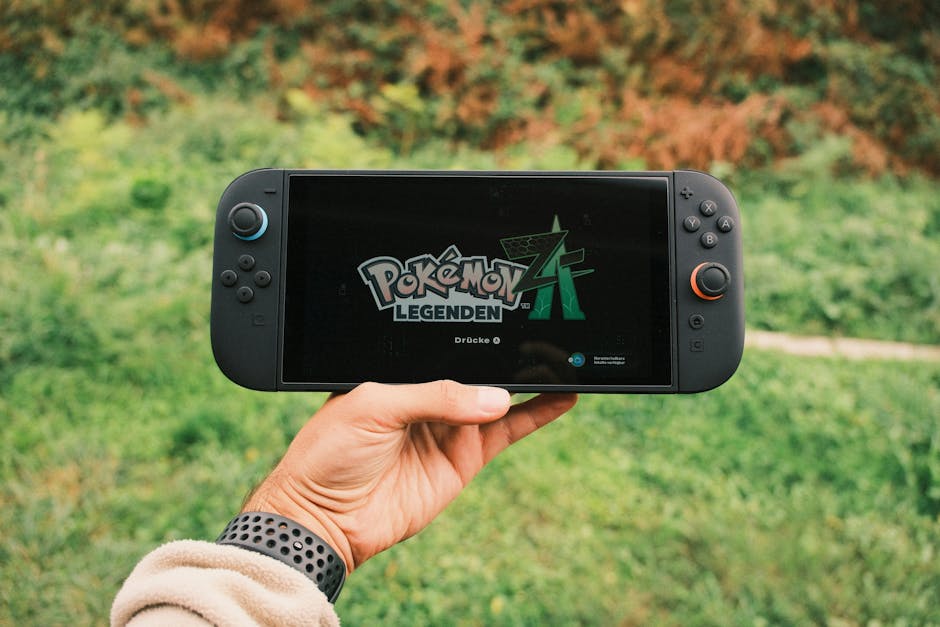
Nintendo Switch 2 Launch Reportedly Pushed to 2025: Impact on the Gaming Landscape
Recent industry whispers and supply chain analysis suggest that the highly anticipated successor to the Nintendo Switch, codenamed "Switch 2," will not hit the market until sometime in 2025. This significant delay, if confirmed, carries substantial implications for Nintendo’s strategic roadmap, the competitive console landscape, and the expectations of a global gaming community eager for the next evolution of the hybrid gaming device. While Nintendo itself has remained characteristically tight-lipped, the consistent flow of information from reliable sources points towards a deliberate decision to refine the hardware, software, and overall launch strategy. This postponement allows Nintendo to potentially address any lingering developmental hurdles, ensure a robust initial game library, and strategically position the Switch 2 to maximize its market impact without cannibalizing the ongoing sales of its incredibly successful predecessor. The original Switch, having surpassed 130 million units sold, continues to be a dominant force, and Nintendo’s cautious approach to its successor likely stems from a desire to replicate that success, not merely replace it.
The core of this reported 2025 launch window hinges on several critical factors. Firstly, reports indicate that Nintendo aims to equip the Switch 2 with significantly more powerful hardware than the current Switch. This leap in performance necessitates extensive optimization of both the operating system and the crucial launch software lineup. Developing games that can effectively showcase these enhanced capabilities and provide a compelling reason for existing Switch owners to upgrade requires substantial development time. Furthermore, ensuring a consistent supply of the new hardware is paramount. Given the global semiconductor shortages and manufacturing complexities that have plagued the electronics industry in recent years, a later launch allows Nintendo more time to solidify manufacturing partnerships and secure the necessary components. This proactive approach aims to avoid the stock shortages that hampered the launches of competing consoles, thereby ensuring a smoother and more satisfying experience for early adopters.
The strategic ramifications of a 2025 launch are multifaceted. For Nintendo, it grants them a longer runway to capitalize on the continued success of the Switch. This means more time for first-party titles and strong third-party support for the current console, extending its lifespan and revenue generation. It also provides a buffer against potential aggressive moves from competitors. While the PlayStation 5 and Xbox Series X/S have been on the market for some time, a 2025 release for the Switch 2 could see it enter a market potentially less saturated with new console launches from its rivals. This could allow the Switch 2 to capture renewed attention and a larger share of the early adoption market. Moreover, a later launch allows Nintendo to observe emerging gaming trends and potentially integrate new technologies or gameplay paradigms into the Switch 2’s design, further differentiating it from the competition.
From a consumer perspective, a delayed launch can be met with mixed emotions. While immediate gratification is sought, the promise of a more polished and powerful successor, supported by a robust software library from day one, is often a more rewarding long-term proposition. The anticipation surrounding the Switch 2 has been building for years, and while patience is required, the expectation is that this delay is being utilized to deliver an exceptional gaming experience. The potential for backward compatibility with existing Switch games is also a significant factor, and a longer development cycle might allow Nintendo to more seamlessly integrate this feature, ensuring a smooth transition for players invested in the current ecosystem. This would be a crucial selling point, mitigating the risk of players feeling left behind by the generational leap.
The competitive landscape will undoubtedly be shaped by this reported delay. By 2025, the PlayStation 5 and Xbox Series X/S will be well into their lifecycles, likely with a significant catalog of games and potentially mid-generation hardware revisions. Nintendo’s strategy appears to be less about directly competing on raw power and more about offering a unique and innovative gaming experience. The Switch 2’s continued emphasis on portability and its distinctive hybrid nature will be its primary differentiators. A more powerful Switch 2 would allow it to bridge the gap in graphical fidelity and processing power, bringing it closer to parity with its home console rivals in certain aspects, while still retaining its core portability advantage. This could broaden its appeal to a wider range of gamers who may have previously found the current Switch’s technical limitations a barrier.
The role of third-party developers is also critical. A more powerful Switch 2, with a longer lead time for development, is likely to attract even more robust third-party support. Developers will have more time to optimize their games for the new hardware, potentially leading to more impressive ports and even exclusive titles. The success of the original Switch was significantly bolstered by strong third-party offerings, and a delayed launch for the Switch 2 allows Nintendo to nurture these relationships and ensure a strong pipeline of games from the outset. This is particularly important for genres that may have struggled to find their footing on the original Switch due to its technical constraints.
Furthermore, the performance of Nintendo’s current Switch hardware in its later years of production is a key indicator. The continued strong sales of the Switch and its library of critically acclaimed first-party titles demonstrate that there is still significant demand for the platform. This sustained success provides Nintendo with a financial cushion and the confidence to invest heavily in its next generation. The company has a proven track record of innovation and understanding its audience, and this reported delay is likely a calculated move to ensure the Switch 2’s launch is as impactful as possible, building upon the immense legacy of its predecessor.
The development of the Switch 2’s operating system and its ecosystem services will also benefit from this extended timeline. Nintendo is known for its carefully crafted user experiences, and ensuring a seamless and intuitive interface, along with robust online services, is crucial for long-term player engagement. A later launch allows for more thorough testing and refinement of these aspects, preventing the kind of post-launch software issues that have plagued other consoles. The integration of features like cloud gaming, enhanced social connectivity, and a refined eShop experience could all be on the table for the Switch 2, and a 2025 launch provides the necessary time for their proper implementation.
The impact on Nintendo’s intellectual property and future game development is also significant. A more powerful Switch 2 opens up new possibilities for how Nintendo’s beloved franchises can be reimagined. Imagine the potential for more visually stunning and technically complex iterations of Mario, Zelda, Pokémon, and other iconic series. Developers will be able to push the boundaries of what is possible, delivering experiences that were simply not feasible on the original Switch. This also extends to the creation of entirely new IPs, as the hardware capabilities will allow for more ambitious and innovative game designs. The company’s commitment to quality over quantity in its first-party output means that a longer development cycle for these flagship titles is likely to result in even more polished and critically acclaimed releases.
The rumors surrounding the Switch 2’s potential display technology and other hardware specifications continue to fuel speculation. While concrete details remain elusive, the general consensus points towards a significant upgrade in processing power, potentially incorporating NVIDIA’s more advanced chipset technology. This would enable higher resolutions, improved frame rates, and more sophisticated graphical effects, bringing the Switch 2 closer to the visual fidelity of its competitors. The question of whether it will retain its portable screen or offer a larger, more immersive display, or even a combination of both, remains a subject of intense interest. A 2025 launch window allows Nintendo ample time to finalize these hardware decisions and ensure mass production capabilities are in place.
The economic implications of a 2025 launch are also worth considering. Nintendo’s financial reports will likely reflect the continued revenue generation from the original Switch throughout 2024, followed by a significant surge in sales with the Switch 2’s debut. This staggered approach allows for a more consistent and sustainable revenue stream, rather than a sharp spike and subsequent decline. It also provides flexibility in marketing and promotional strategies, allowing Nintendo to tailor its campaigns to specific market conditions and consumer sentiment. The anticipation built over a longer period can also translate into higher initial sales volumes, as consumers eagerly await the next iteration.
In conclusion, the reported 2025 launch window for the Nintendo Switch 2, while potentially disappointing for those eager for an immediate release, represents a strategic and calculated move by Nintendo. This delay allows for hardware refinement, robust software development, secure manufacturing, and a more impactful market entry. It signifies Nintendo’s commitment to delivering a high-quality, innovative gaming experience that builds upon the unparalleled success of the original Switch. The gaming world will be watching closely as this next chapter in Nintendo’s portable revolution unfolds, with the promise of enhanced gameplay, broader appeal, and continued dominance in the hybrid gaming space. The prolonged anticipation, in this instance, is likely a harbinger of a more polished and ultimately more rewarding gaming device.


