Garmin Unveils CIRQA Smart Band: A Screen-Free Approach to Advanced Health and Fitness Tracking


Garmin, a global leader in GPS technology and connected wearables, has officially entered the burgeoning market of screenless fitness bands with the introduction of its new CIRQA smart band. Announced on July 21 and slated for retail availability on July 24, the CIRQA marks a distinct shift in Garmin’s product strategy, offering a minimalist yet robust solution for health and fitness tracking at a price point of $199. This move positions Garmin to capture a segment of consumers seeking comprehensive data insights without the inherent distractions or visual presence of a traditional smartwatch display.
The CIRQA is designed with an "inconspicuous design" at its core, aiming to seamlessly integrate into the wearer’s daily life while continuously monitoring crucial health and performance metrics. This approach caters to a growing demand for wearables that prioritize data over constant notifications and visual interaction, offering a discreet alternative to the more elaborate smartwatches that have dominated the market. Crucially, Garmin emphasizes that all the advanced wellness capabilities of the CIRQA are accessible without the need for an ongoing subscription, a significant differentiator in a market increasingly moving towards paywalled features.
The Evolution of Wearables and the Rise of Screen-Free Devices
The launch of the CIRQA is not an isolated event but rather a strategic response to evolving consumer preferences and technological advancements within the wearable industry. For over a decade, fitness trackers and smartwatches have become ubiquitous, moving from basic step counters to sophisticated health monitoring devices. Early iterations, such as the original Fitbit bands and subsequent smartwatches from Apple, Samsung, and even Garmin’s own Fenix and Forerunner series, predominantly featured screens to display data, notifications, and interactive interfaces.
However, recent years have witnessed a notable shift towards more discreet, screen-free wearables. Companies like Oura and Whoop have pioneered this minimalist trend, offering rings and bands that collect extensive biometric data without a display. These devices appeal to users who value uninterrupted focus, aesthetic subtlety, and a deeper connection to their health data without the constant pull of a screen. The philosophy behind these devices often centers on providing actionable insights through companion apps, allowing users to review their metrics when convenient, rather than being constantly tethered to a display on their wrist. Garmin’s CIRQA taps directly into this burgeoning philosophy, aiming to combine the brand’s established accuracy in fitness tracking with the discreet form factor preferred by this growing user base.
Garmin’s Strategic Positioning and Core Offerings
Garmin has long been renowned for its precision engineering in GPS and its comprehensive suite of fitness and outdoor activity trackers. From rugged adventure watches to specialized running and cycling computers, the company has built a reputation for reliable data and robust devices. The CIRQA represents an expansion of this expertise into a more lifestyle-oriented, yet still performance-focused, segment. By offering a screen-free device, Garmin is directly addressing a perceived gap in its portfolio, catering to individuals who appreciate Garmin’s data integrity but desire a less obtrusive wearable experience.
The CIRQA is engineered to automatically detect and record a wide array of physical activities, boasting support for over 80 different activity types, including common exercises like running, walking, and yoga. This extensive activity recognition ensures that a broad spectrum of user workouts is accurately captured, providing a holistic view of daily movement and exertion. For more focused tracking, users can simply tap a single side button to select and initiate tracking for a favorite activity, streamlining the user experience without requiring interaction with a complex menu system.
Beyond basic activity tracking, the CIRQA is equipped with advanced capabilities designed to support serious training regimens. It provides critical metrics such as Heart Rate Variability (HRV) status, VO2 Max estimation, and personalized recovery time recommendations. HRV, a measure of the variation in time between heartbeats, is a key indicator of the body’s physiological stress and recovery levels, offering insights into readiness for training. VO2 Max, the maximum rate of oxygen consumption during intense exercise, is a widely accepted measure of cardiovascular fitness. By integrating these advanced metrics, the CIRQA empowers users to make informed decisions about their training intensity and rest periods, optimizing performance and preventing overtraining. Furthermore, for outdoor activities like runs or long walks, the CIRQA leverages connected GPS functionality, utilizing a paired Android or iPhone to accurately record routes, pace, and distance, providing a comprehensive record of outdoor adventures.
Comprehensive Health Monitoring: Beyond the Workout
While fitness tracking forms a significant part of the CIRQA’s appeal, its health monitoring capabilities extend far beyond the gym or trail. The device continuously tracks a suite of vital health metrics throughout the day and night. This includes wrist-based heart rate monitoring, offering real-time and resting heart rate data crucial for understanding cardiovascular health and exertion levels. Garmin’s proprietary Body Battery energy monitoring provides a personalized view of a user’s energy reserves, helping them understand when they are primed for activity and when rest is needed. This metric synthesizes heart rate variability, stress, and sleep data to offer a holistic picture of physical and mental energy levels.
The CIRQA also incorporates Pulse Ox2, a feature that estimates blood oxygen saturation (SpO2). Monitoring SpO2 levels can provide valuable insights into respiratory health and acclimation to altitude. Continuous stress tracking helps users identify patterns and triggers, aiding in stress management. A novel addition is skin temperature monitoring, which offers additional context for overall health and recovery.
For women’s health, the CIRQA provides dedicated menstrual cycle and pregnancy tracking features. By utilizing skin temperature readings captured during sleep, the device offers enhanced insights into period predictions and past ovulation estimates. This integration of biometric data with specific women’s health tracking tools represents a commitment to providing more personalized and comprehensive health insights, empowering users with greater understanding and control over their reproductive health journey.
Mastering Rest: The CIRQA’s Sleep Analysis Capabilities
Recognizing that recovery is as crucial as activity, the CIRQA offers detailed sleep tracking and analysis. The device captures data on various sleep stages (light, deep, REM), providing a comprehensive sleep score that summarizes the quality and quantity of rest. Beyond basic duration, the CIRQA monitors heart rate variability and respiration during sleep, offering deeper insights into the body’s restorative processes. A particularly useful feature is nap detection, which automatically identifies and logs daytime naps, integrating them into the overall Body Battery and recovery metrics. All these meticulously captured statistics are readily available for users to view, analyze, and track trends within the intuitive Garmin Connect app.
The Garmin Connect Ecosystem: Data at Your Fingertips
The Garmin Connect app serves as the central hub for all data collected by the CIRQA. This robust platform, accessible on both Android and iOS devices, allows users to delve into their health and fitness metrics with granular detail. From daily activity summaries to long-term trends in sleep, stress, and training performance, Garmin Connect presents data in an easily digestible format. Users can set personal goals, track progress, connect with friends, and participate in challenges, fostering a supportive community environment. The app’s strength lies in its ability to synthesize complex biometric data into actionable insights, helping users understand their body’s responses and adjust their routines accordingly. The screenless nature of the CIRQA means that the app becomes the primary interface for data interaction, making its design and functionality paramount to the overall user experience.
A Differentiating Factor: No Subscription Required
One of the most compelling aspects of the CIRQA’s offering is its commitment to providing all health and fitness features without a subscription. In an era where many premium wearable features, especially those related to advanced health insights and personalized coaching, are increasingly locked behind monthly or annual paywalls (as seen with competitors like Whoop and Oura), Garmin’s decision to offer a subscription-free experience is a significant market differentiator. Susan Lyman, Garmin’s vice president of consumer sales and marketing, underscored this point, stating, "Plus, with no subscription required, CIRQA Smart Band helps you stay on top of your health and fitness goals—and makes a thoughtful gift for others who want to do the same." This approach simplifies the value proposition for consumers, ensuring that the initial $199 investment grants full access to all the device’s capabilities without recurring costs, potentially attracting users wary of ongoing subscription fees.
Design Philosophy: Comfort, Style, and Discretion
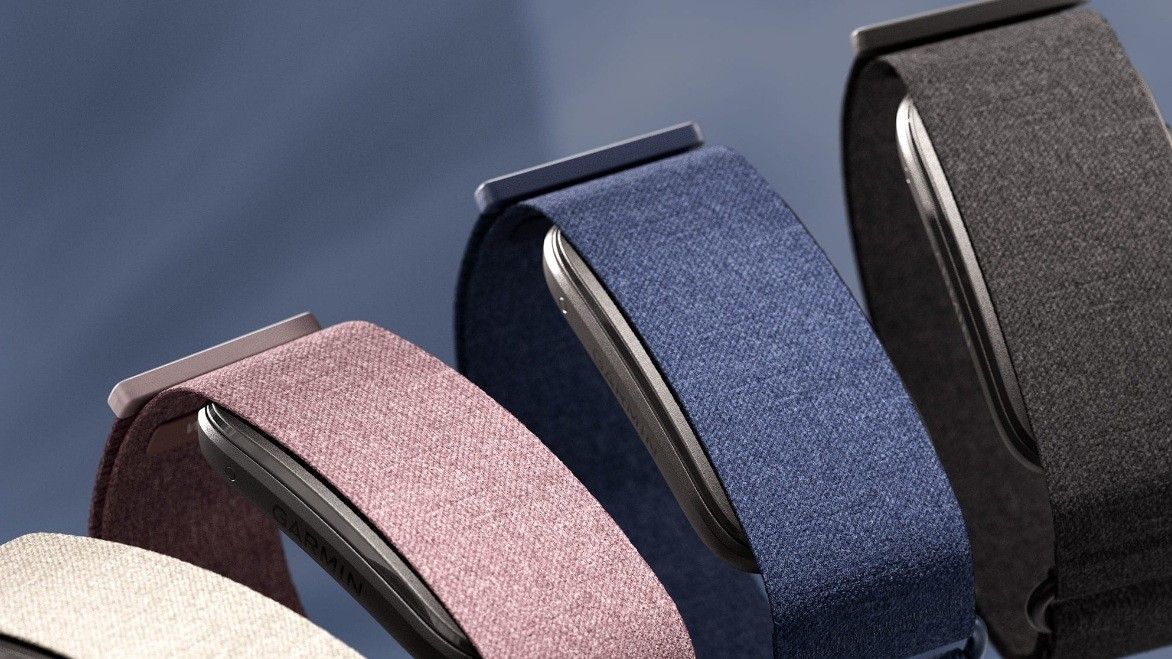
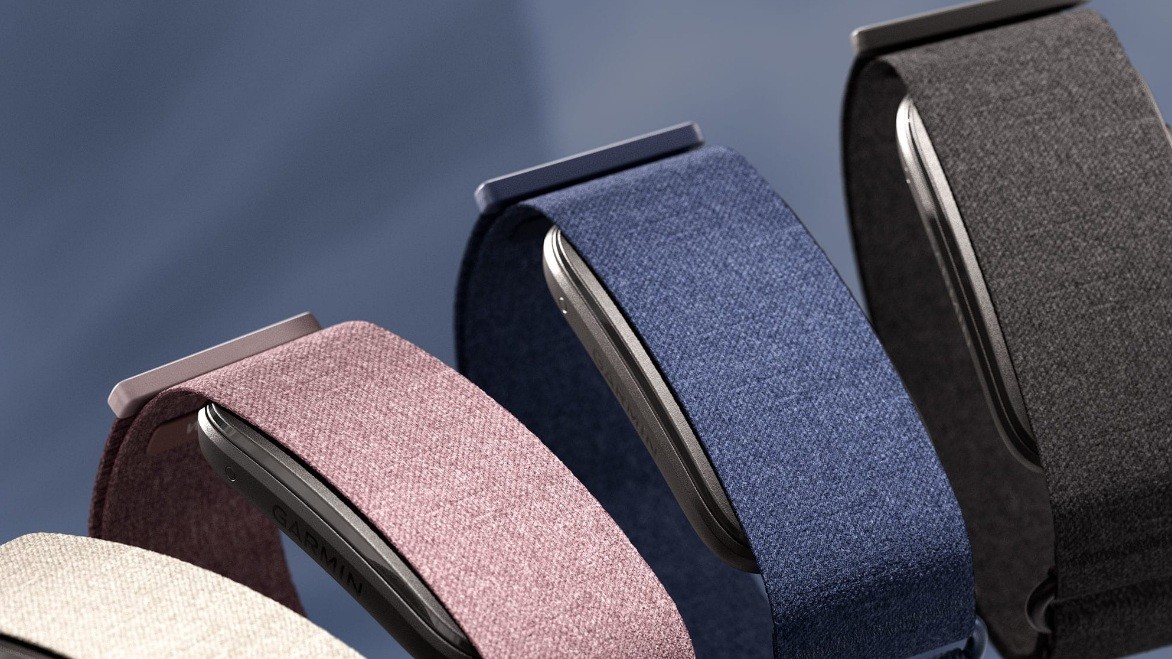
The physical design of the CIRQA reflects its core philosophy of inconspicuousness and all-day comfort. Garmin has crafted the band from a soft, fabric material, ensuring a gentle feel against the skin suitable for continuous wear, even during sleep. The band is available in a variety of "fun, neutral colors," including Citron Gray, Mauve, French Gray, Dark Olive, Captain Blue, French Blue, and classic Black. This diverse palette allows users to choose a band that complements their personal style without drawing undue attention. Furthermore, the versatility of the CIRQA is enhanced by its ability to be worn either on the wrist or as an armband, offering users flexibility based on comfort or specific activity requirements. This adaptability further solidifies its role as a discreet, ever-present health companion.
Market Positioning and Competitive Landscape
At $199, the Garmin CIRQA enters a competitive segment of the wearable market. It positions itself as a premium screen-free tracker, competing indirectly with higher-priced minimalist devices like the Oura Ring (starting around $299) and the Whoop band (which requires a subscription, with hardware often included in the subscription cost). It also offers an alternative to more feature-rich but screen-based entry-level smartwatches like the Apple Watch SE (starting around $249) or Fitbit’s range of trackers.
Garmin’s reputation for accuracy and robust data collection provides a strong foundation for the CIRQA. The absence of a subscription model gives it a distinct advantage over some competitors, potentially appealing to a wider audience looking for a one-time purchase solution. The comprehensive suite of advanced health and fitness metrics, typically associated with Garmin’s more expensive, screen-based devices, packed into this minimalist form factor at a sub-$200 price point, makes the CIRQA a compelling option. Its target demographic likely includes existing Garmin users seeking a less obtrusive daily tracker, individuals new to advanced health monitoring who prefer simplicity, and those who prioritize data privacy and freedom from subscription lock-ins.
Implications for the Wearable Market
The introduction of the CIRQA by a major player like Garmin signals a maturation and diversification of the wearable technology market. It underscores the growing recognition that "one size fits all" is no longer applicable, and consumers desire specialized devices tailored to specific needs and preferences. The screen-free trend, initially a niche, is clearly gaining mainstream traction. This move by Garmin could spur other traditional smartwatch manufacturers to explore similar minimalist form factors, potentially accelerating innovation in sensor technology, battery life, and discreet design.
Furthermore, Garmin’s emphasis on subscription-free access to all features challenges the prevailing industry trend. If the CIRQA proves successful, it might pressure competitors to reconsider their own subscription strategies or at least offer more transparent and value-driven propositions for their premium features. This could lead to a more consumer-friendly landscape in the long run, where users have greater choice in how they access and pay for their health data insights. The CIRQA is not just a new product; it is a statement about Garmin’s adaptability and its vision for the future of personalized health technology, focusing on deep data insights delivered with unprecedented discretion.