Pinterest Restructures Ads Manager Campaign Objectives to Streamline Advertiser Experience

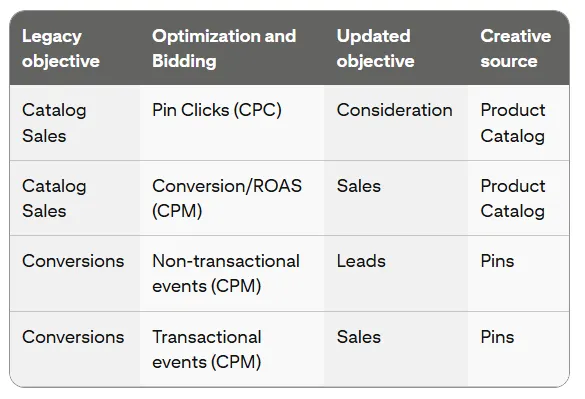
Pinterest has officially announced a comprehensive update to its Ads Manager, renaming several core campaign objectives to establish greater clarity and intuitive alignment with broader business goals. The visual discovery platform, known for its high-intent user base, is modifying how specific objectives—specifically Conversions and Catalog Sales—are categorized and labeled. By transitioning these legacy terms into more outcome-oriented language such as Leads, Sales, and Consideration, Pinterest aims to eliminate ambiguity for both seasoned media buyers and brands newly exploring the platform’s advertising ecosystem.
This latest platform adjustment arrives as digital advertising platforms face increasing pressure to simplify self-serve interfaces. As competition for digital marketing budgets intensifies among major tech giants, lowering the barrier to entry and reducing cognitive friction for advertisers has become an industry-wide imperative. Pinterest’s targeted terminology updates are designed to bridge the gap between technical advertising jargon and tangible business outcomes, ensuring that campaign setup closely mirrors an advertiser’s real-world Key Performance Indicators (KPIs).
Understanding the Structural Shifts in Pinterest Ads Manager
At the heart of the recent update is a deliberate pivot toward outcome-based taxonomy. For years, digital advertising platforms have utilized generic technical categories that occasionally required a steep learning curve for brands without dedicated programmatic teams. Pinterest’s updated framework reorganizes its ad objectives to explicitly articulate the value proposition of each campaign type.
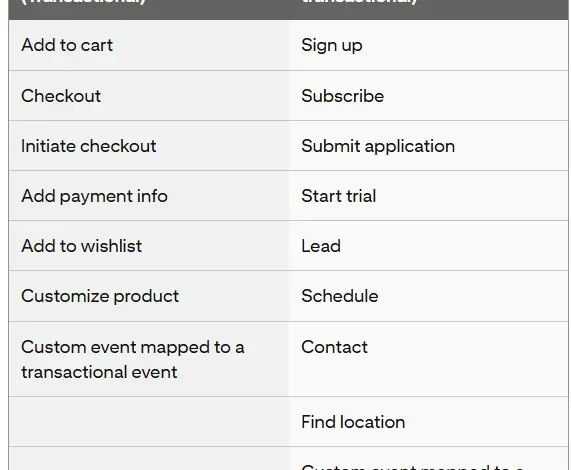
Under the revised structure, the distinction between non-transactional and transactional outcomes has been sharply defined. According to official platform guidance, Leads campaigns are specifically engineered to drive actions such as newsletter subscriptions, form fills, profile sign-ups, and other non-transactional user engagements. Conversely, Sales campaigns are dedicated to transactional metrics, encompassing bottom-of-the-funnel events such as add-to-cart actions, digital checkouts, and completed purchases.
This reframing helps clarify the roles of Consideration and other supporting objectives within the broader marketing funnel. By making these pathways self-explanatory, Pinterest expects to reduce misconfigured campaigns and improve overall return on ad spend (ROAS) for businesses utilizing the platform. The platform has released detailed mapping documentation within its business help center to guide advertisers through the transition, ensuring that campaign builders can immediately identify which objective best suits their strategic aims.
Chronology and Transition Timeline for Advertisers
Platform migrations of this nature typically require a carefully managed transition phase to prevent disruptions to active marketing initiatives. Recognizing that enterprise brands and small-to-medium-sized businesses alike require adequate runway to update their internal documentation, reporting templates, and campaign structures, Pinterest has implemented a generous multi-year deprecation timeline.
According to official communications from the company, the renaming of campaign objectives in the Ads Manager interface is rolling out immediately. However, continuity for existing campaigns remains a priority. Advertisers do not need to panic over sudden campaign shutdowns or emergency re-optimizations.

Existing Conversions and Catalog Sales campaigns will remain fully editable within the Ads Manager until April 30, 2027. This extended three-year window gives media buyers ample time to phase out older naming conventions organically as campaigns conclude and new ones are conceptualized under the updated structure. Pinterest has confirmed that campaign ramp times, delivery mechanisms, and algorithmic performance will remain entirely unaffected by the nomenclature changes. Optimization cycles will continue to depend on creative inputs, historical data, and audience targeting parameters rather than the underlying objective label.
Industry Context and the Push Toward Platform Simplification
Pinterest’s decision to streamline its Ads Manager does not happen in a vacuum. Over the past several years, the broader digital advertising landscape—encompassing Meta, Google, TikTok, and Amazon—has undergone a continuous evolution toward automation and interface simplification.
As programmatic advertising has matured, platforms have increasingly relied on machine learning algorithms to optimize campaign delivery. However, the initial setup phase—where human marketers input their parameters—has often remained unnecessarily complex. Platforms have recognized that simplifying the user experience (UX) of their ad managers directly correlates with increased ad spend, particularly among small and medium-sized enterprises (SMEs) that may manage their own marketing campaigns without the assistance of specialized agencies.
Pinterest occupies a unique niche in the digital advertising ecosystem. Unlike social media platforms where users primarily consume content for entertainment or social connection, Pinterest users frequently turn to the platform with a planning mindset. Users actively look for inspiration related to home decor, fashion, recipes, travel, and major life milestones. This high-intent behavior makes Pinterest an exceptionally valuable environment for commercial discovery and conversion.
By refining its campaign objectives, Pinterest is actively reducing the friction between user inspiration and brand acquisition. When advertisers can easily align their business goals—such as generating leads or driving direct e-commerce sales—with the platform’s native objectives, they are more likely to allocate larger shares of their digital budgets to Pinterest.
Analytical Implications for Advertisers and Agencies
For media buyers, digital marketing consultants, and in-house marketing teams, the implications of Pinterest’s update are primarily operational and strategic. While the changes do not alter the underlying mechanics of how Pinterest delivers ads or targets audiences, they necessitate minor adjustments to workflow habits and reporting frameworks.
-
Internal Nomenclature and Training: Marketing teams must update their internal naming conventions, standard operating procedures (SOPs), and client-facing decks to reflect the new terminology. Agencies managing multiple client accounts will need to ensure that account managers transition from using legacy terms like "Conversions" to the more precise "Leads" or "Sales" labels.
-
Reporting and KPI Alignment: Because the updated naming explicitly separates non-transactional sign-ups (Leads) from bottom-funnel purchases (Sales), performance marketers have an opportunity to audit their client reporting dashboards. Aligning platform metrics more closely with executive-level business objectives can improve stakeholder communication and demonstrate clearer value.
-
Long-Term Strategic Planning: With legacy campaigns supported through April 2027, brands have sufficient time to restructure their evergreen ad accounts. However, digital strategists advise implementing the new objective structures immediately for all new campaigns to take advantage of the clearer UX and ensure seamless reporting continuity over the long term.
Broader Impact on Pinterest’s Advertising Revenue
Advertising revenue represents the vast majority of Pinterest’s overall financial health. As the company continues to invest in ad technology, machine learning capabilities, and measurement partnerships, improving the advertiser experience is a critical driver of platform monetization.
Simplifying the ad creation process helps democratize the platform, making it more accessible to advertisers who might have previously found campaign setup daunting. By removing administrative barriers, Pinterest encourages greater experimentation with different ad formats—such as Idea Pins with shopping tags, standard video ads, and carousel formats—tied directly to clear, outcome-based objectives.
Market analysts note that user intent on Pinterest remains one of the platform’s strongest competitive advantages. As privacy regulations tighten and signal loss impacts traditional tracking methods across the web, first-party platform environments where users willingly declare their purchase intentions are becoming increasingly vital to brand marketing strategies. By ensuring its Ads Manager reflects modern digital marketing realities, Pinterest is positioning itself to capture a larger slice of performance-driven ad budgets.
Conclusion and Next Steps for Platform Users
Pinterest’s targeted updates to its Ads Manager objectives represent a pragmatic, user-focused enhancement to its advertising ecosystem. By replacing abstract technical labels with intuitive business outcomes—categorizing efforts cleanly into Leads, Sales, and Consideration—the platform is making it easier for marketers to build, manage, and scale effective campaigns.
Advertisers utilizing Pinterest are encouraged to review the updated objective listings provided within the Pinterest Business Help Center. While there is no immediate rush to alter existing evergreen campaigns given the April 2027 grace period, adopting the new framework for all upcoming media plans will ensure alignment with platform best practices and streamline future campaign reporting. As digital advertising continues to evolve toward greater simplicity and automation, updates of this nature underscore Pinterest’s ongoing commitment to supporting advertisers of all sizes in achieving measurable commercial success.