Powering Up on the Road: A Comprehensive Guide to High-Capacity Multi-Port Car Chargers for Laptops and Mobile Devices

The modern commute and long-distance road trip have fundamentally shifted due to the proliferation of mobile productivity devices. While traditional journeys once required little more than a cigarette lighter adapter to juice up a basic cellular phone, contemporary travelers frequently find themselves transporting an array of power-hungry electronics, including smartphones, tablets, portable gaming consoles, and work laptops like MacBooks and Windows Chromebooks. This technological evolution has rendered standard, low-wattage vehicle chargers obsolete for power users. Meeting the electrical demands of multiple modern devices simultaneously requires a new class of high-capacity automotive accessories capable of delivering continuous, multi-port power without compromising safety or efficiency.
The Evolution of In-Car Charging Technology
For everyday short-distance driving, wireless car chargers have largely dominated consumer preference. The advent of Qi2 magnetic wireless charging technology has streamlined this experience further, allowing motorists to mount and power compatible smartphones securely without the hassle of physical clamping mechanisms. These magnetic mounts are exceptionally practical for hands-free navigation and routine local commutes. However, their physical limitations become apparent when motorists embark on long-haul journeys or attempt to power larger hardware. Wireless transmission inherently incurs energy loss through heat dissipation and rarely exceeds standard fast-charging speeds for single handsets.
Conversely, long-distance travel and mobile workstation setups demand wired connectivity. Laptops, portable monitors, and high-capacity power banks require a minimum baseline of 60W to 65W to even initiate charging while under operational loads. When multiple passengers attempt to draw power simultaneously, a standard single-port or low-wattage multi-port adapter quickly depletes its output capacity, leaving devices undercharged or unresponsive.
To bridge this technological gap, top-tier accessory manufacturers have introduced ultra-high-wattage automotive chargers ranging from 145W to 240W. Industry analysis highlights three dominant brands leading this engineering space through extensive reliability testing: Anker, Baseus, and UGREEN. These manufacturers have incorporated advanced semiconductor materials, such as Gallium Nitride (GaN) where applicable, alongside intelligent power distribution chips to manage high electrical loads safely inside the confined spaces of a vehicle’s auxiliary power outlet.
Anker Nano Car Charger (167.5W, 3 Ports): High-Density Power for Heavy Users
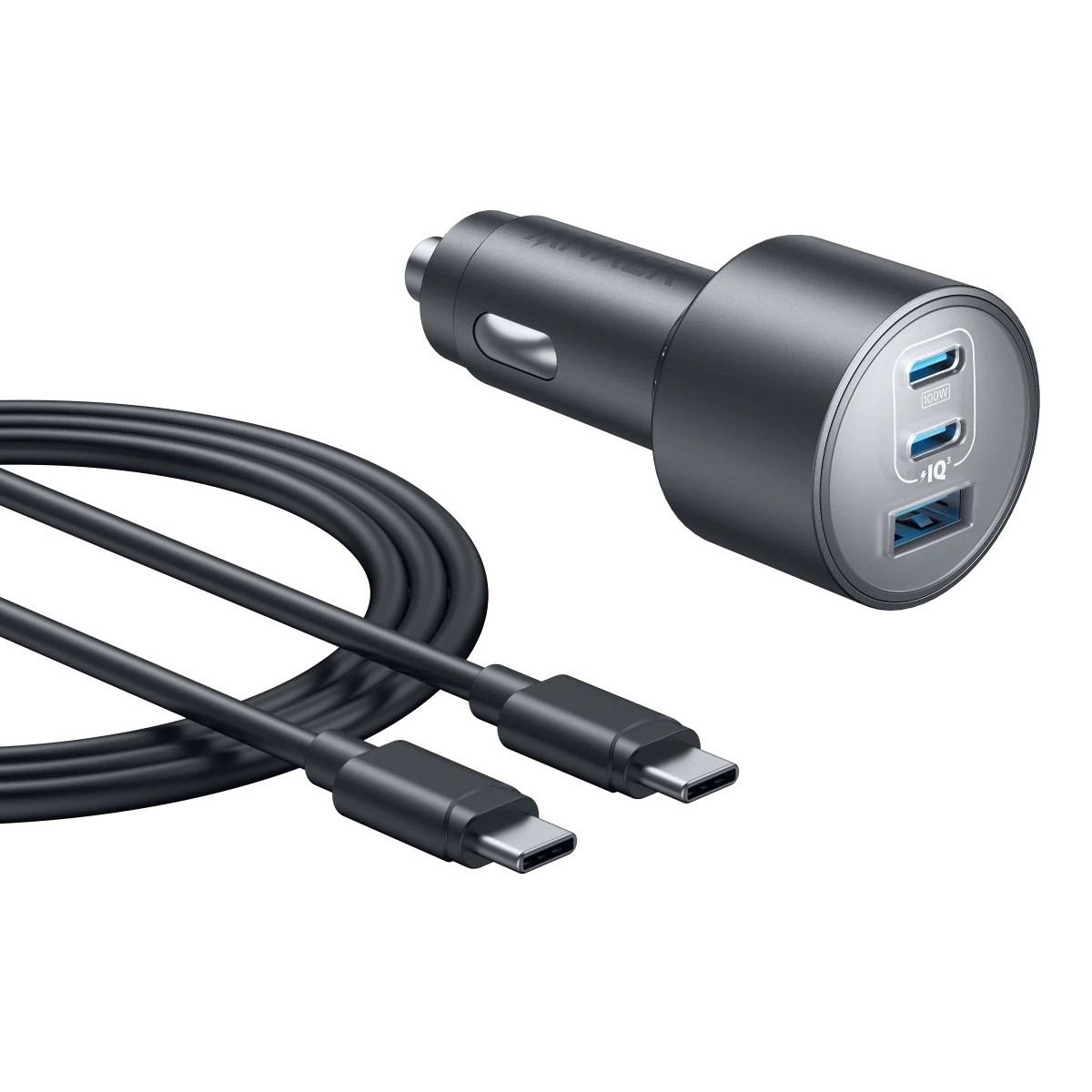
Anker has long maintained a dominant market share in consumer charging solutions, and its high-capacity automotive offerings reflect a focus on balancing raw output with structural compactness. The Anker Nano Car Charger, rated at a formidable 167.5W across three distinct ports, exemplifies this design philosophy.
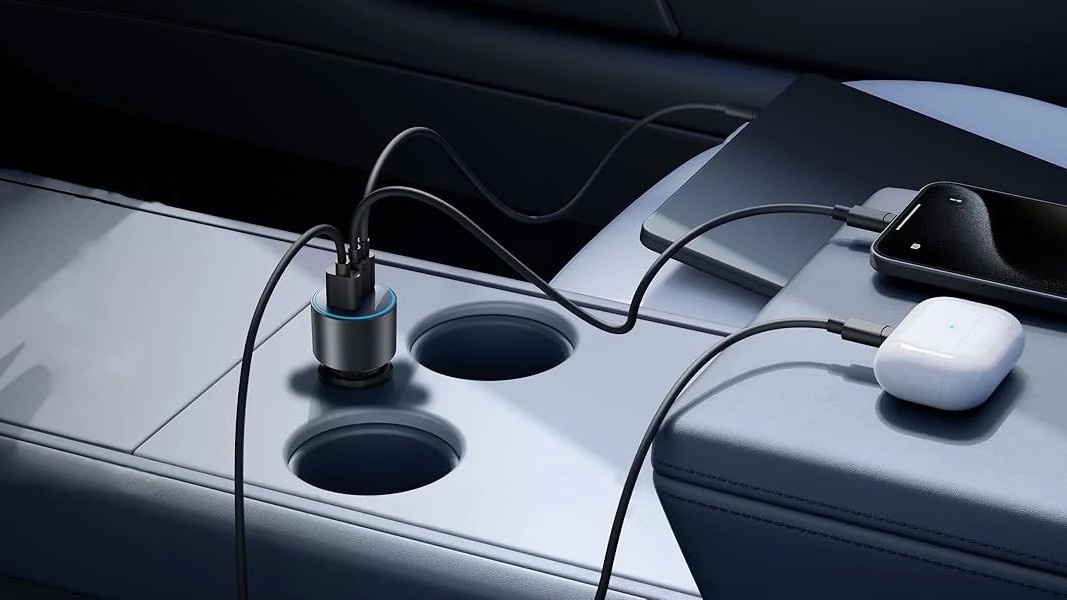
The unit features a configuration of one legacy USB-A port alongside two modern USB-C ports. Power allocation is prioritized intelligently through Anker’s proprietary smart chip architecture, which dynamically regulates voltage output and thermal thresholds in real-time. The primary USB-C port is engineered to deliver up to 100W of power independently, making it fully capable of fast-charging demanding mobile workstations such as 16-inch MacBook Pros or high-performance Windows laptops. The secondary USB-C port provides a robust 45W profile suitable for tablets or fast-charging secondary smartphones, while the single USB-A port supports legacy devices with up to 22.5W of output.
From a safety and compliance standpoint, Anker integrates multi-layer temperature monitoring to prevent thermal runaway—a critical engineering consideration given the enclosed environment of automotive dashboard sockets where ambient temperatures can fluctuate wildly. Retailing standardly around $53.99 and frequently discounted during promotional periods, the package also includes a 3.3-foot USB-C to USB-C cable, backed by an 18-month manufacturer warranty.
Baseus PrimeTrip VR2 Max 240W: Solving Cable Clutter with Maximum Output
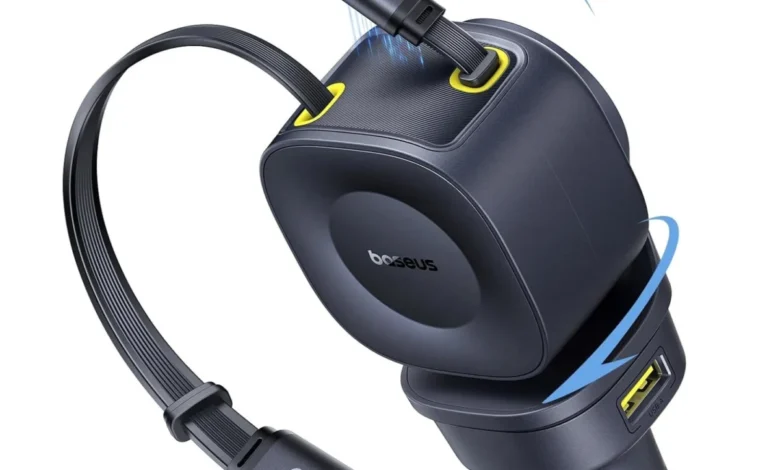
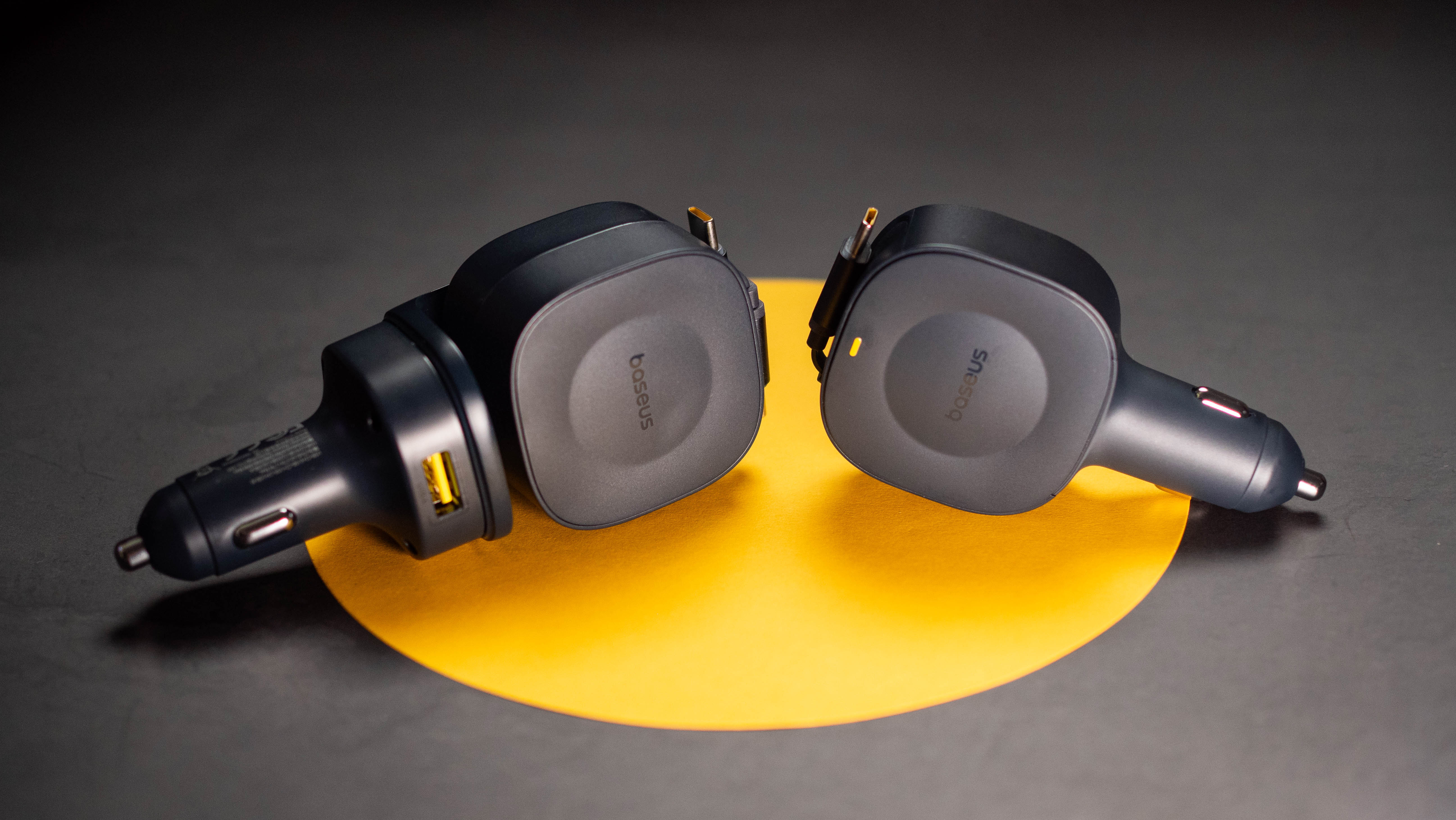
For consumers prioritizing raw wattage and ergonomic ingenuity, the Baseus PrimeTrip VR2 Max 240W represents an apex engineering achievement in automotive power delivery. Co-endorsed by prominent technology reviewers and power users alike, this unit rethinks the physical interface between the charger and the consumer’s devices.
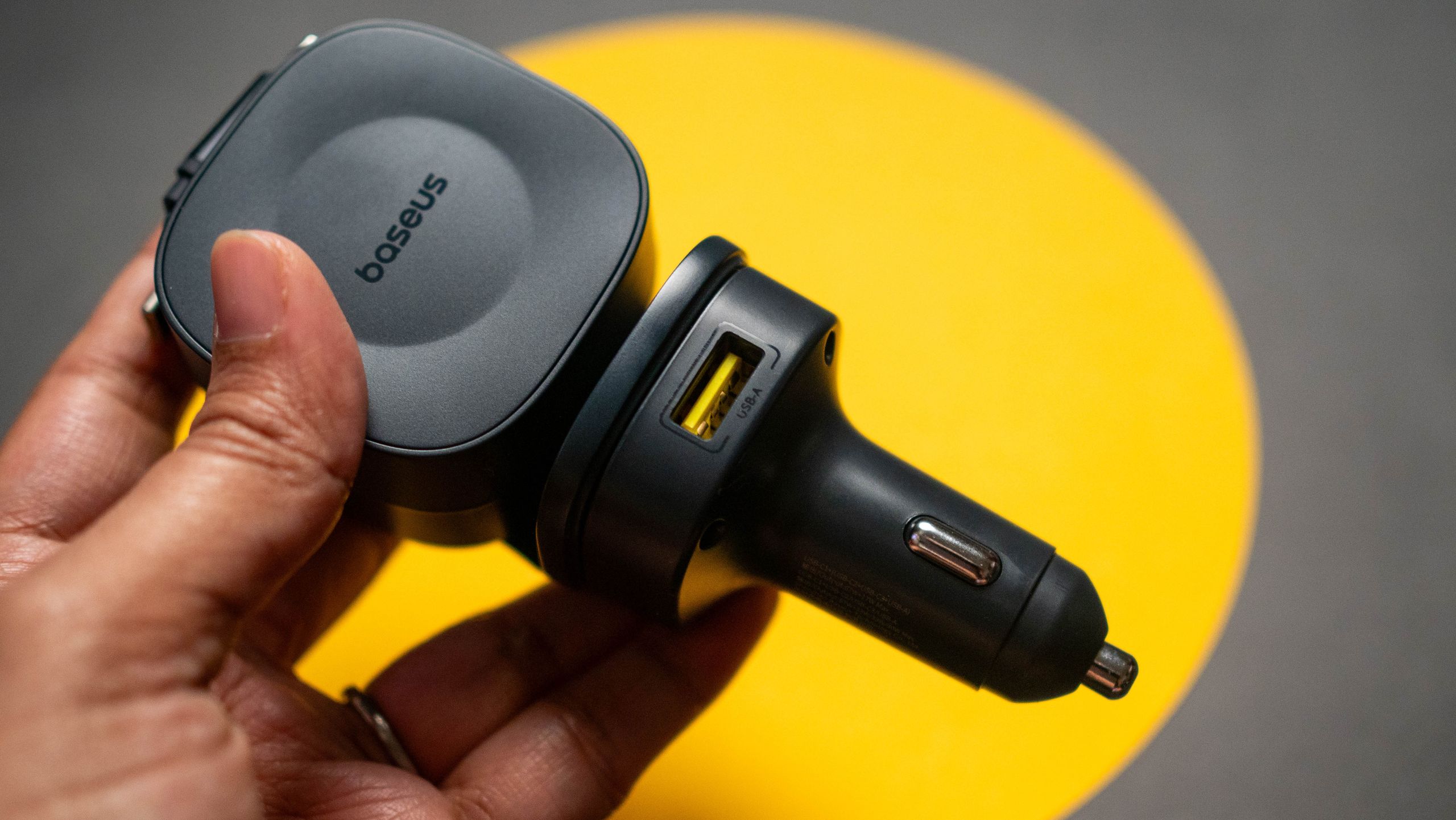
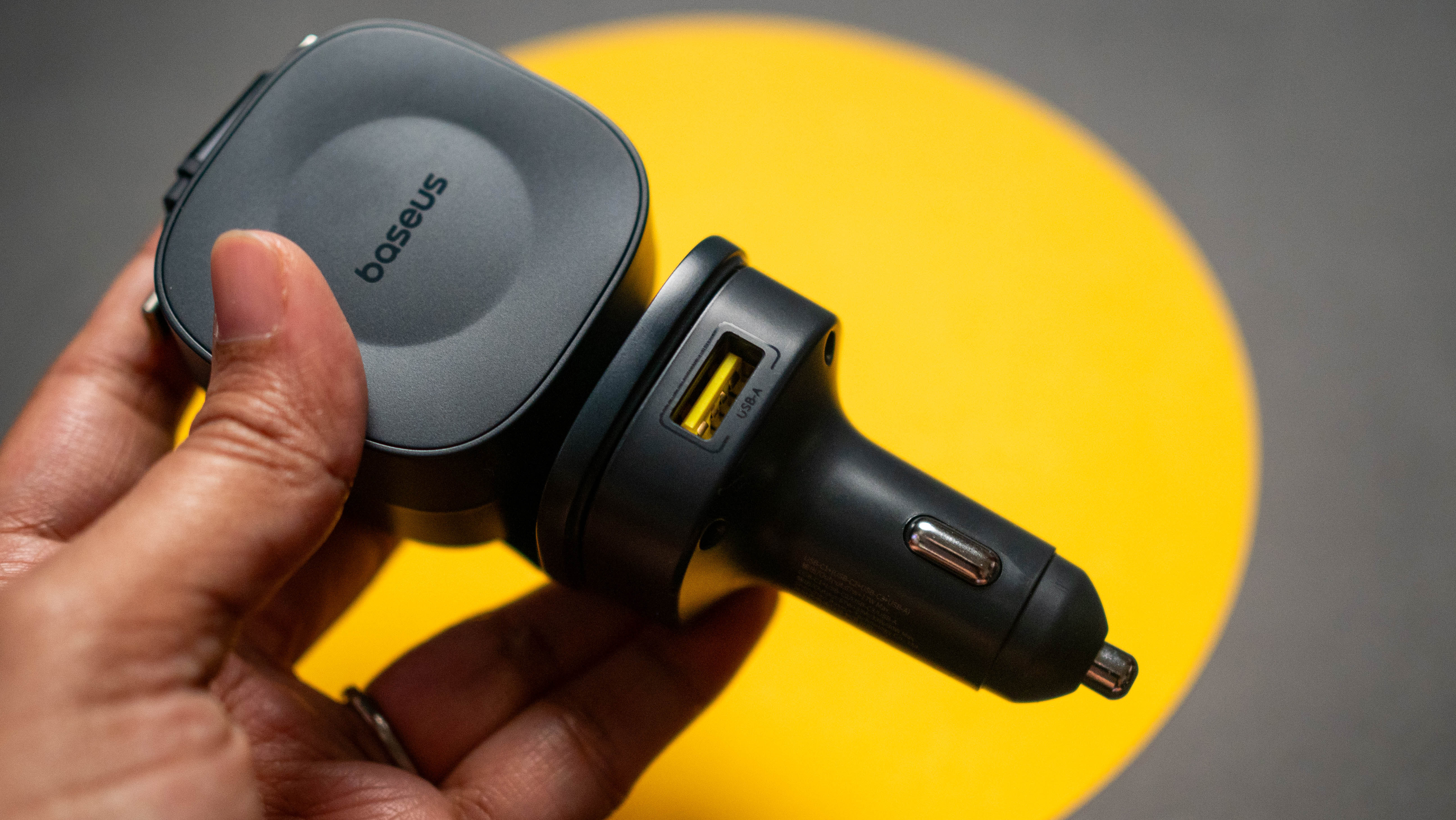
The defining characteristic of the PrimeTrip VR2 Max is its integration of two built-in, 31.5-inch retractable USB-C cables housed directly within the top chassis of the charger, each capable of delivering up to 105W independently. This design directly addresses the chronic issue of tangled auxiliary cords cluttering the center console and gear shifter area. In addition to the retractable lines, the base of the unit incorporates an extra 33W USB-C port and a 30W USB-A port, bringing the total theoretical output ceiling to an astonishing 240W when power is shared intelligently across connections.
Engineering convenience extends to the physical orientation of the device. The upper portion of the PrimeTrip VR2 Max features a rotational mechanism supporting a 450-degree multi-directional adjustment angle, allowing passengers in various seating positions to access cables without straining ports. Safety mechanisms include a seven-layer protection system encompassing a flame-retardant exterior shell and an advanced integrated smart chip that continuously monitors electrical draw, short-circuit risks, and overheating anomalies. Positioned at a retail price of approximately $59.99—with frequent promotional discounts reducing the cost significantly—it stands as a premier solution for multi-device households on the move.
UGREEN Nexode Car Charger 145W: Prioritizing Safety and Value
The UGREEN Nexode product ecosystem has established a formidable reputation for delivering premium-grade charging architecture at aggressive price points. While the brand’s desktop GaN chargers frequently dominate industry headlines, the UGREEN Nexode Car Charger 145W brings this same design ethos to the automotive sector.
Retailing at an accessible baseline of $49.99—and frequently found at lower promotional prices—the 145W Nexode model undercuts many of its competitors while maintaining a comprehensive feature set. The device utilizes a four-port configuration combining physical ports with integrated cable management. Specifically, it features one built-in retractable USB-C cable rated at 60W, a secondary standalone USB-C port capable of delivering a full 100W for laptop charging, a third USB-C port rated at 30W, and a traditional USB-A port also capped at 30W.
UGREEN’s engineering approach heavily emphasizes electrical safeguarding. The unit incorporates dedicated surge protection circuitry, intelligent voltage regulation, and automated thermal throttling housed within a UL-certified fireproof casing. This robust safety profile ensures that users can charge high-draw electronics continuously during extended cross-country road trips without risking damage to vehicle fuses or connected hardware.
Industry Implications and Market Trends
The rapid development of multi-port, ultra-high-wattage car chargers reflects a broader consumer trend toward decentralized mobile productivity. As remote work and digital nomadism continue to blur the lines between office spaces and personal travel, the automobile has effectively transitioned into an extension of the modern workspace.
Analysts note that the integration of proprietary smart chips and dynamic power-allocation algorithms marks a significant maturation in third-party accessory manufacturing. Early generations of high-output chargers frequently suffered from fixed power distributions that would interrupt charging sequences when a new device was plugged in. Modern iterations from Anker, Baseus, and UGREEN utilize handshaking protocols that dynamically renegotiate power delivery across all active ports instantaneously, ensuring uninterrupted workflows for professionals relying on their equipment miles away from a traditional wall outlet.
Ultimately, whether choosing Anker’s dense power profile, Baseus’s innovative cable-retraction mechanics, or UGREEN’s cost-effective safety focus, consumers now possess access to automotive accessories that rival the output capabilities of standard desktop power bricks, permanently transforming the logistical realities of mobile device management on the road.