RingConn Gen 3 Launches with Strategic Lord of the Rings Partnership, Aiming to Disrupt the Smart Ring Market

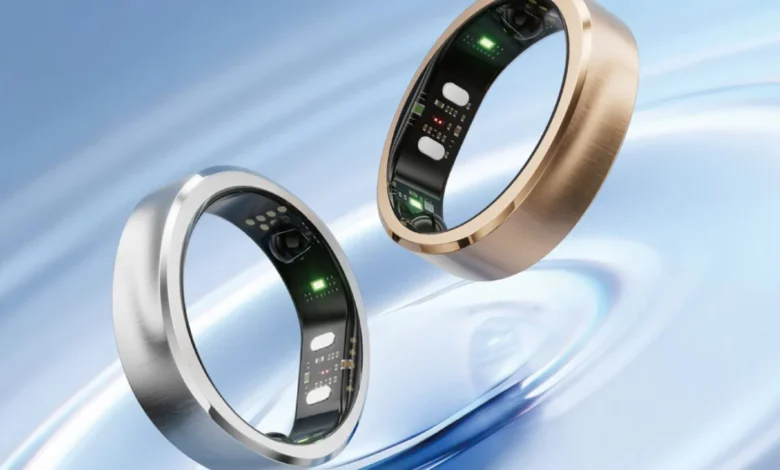
RingConn has officially launched its highly anticipated Gen 3 smart ring, marking its general availability to consumers following an earlier pre-order phase. This release is strategically amplified by an unexpected yet culturally resonant partnership with Warner Bros. Consumer Products, celebrating the 25th anniversary of The Lord of the Rings: The Fellowship of the Ring. The collaboration aims to capture significant consumer attention in the burgeoning smart ring sector, positioning the RingConn Gen 3 as a formidable alternative to established market leaders like the Oura Ring, particularly through its competitive pricing and subscription-free model.
The Gen 3’s Features and Market Position
Priced at $349, the RingConn Gen 3 enters a competitive landscape dominated by a few key players. Its core offering revolves around comprehensive health and wellness tracking, designed to appeal to users seeking discreet yet powerful monitoring capabilities. The device is engineered to track a wide array of vital metrics, including daily activity levels, detailed sleep patterns, and specific women’s health indicators. A notable addition to its feature set is the ability to monitor sleep apnea patterns, a crucial health metric that can provide early insights into potential respiratory issues during sleep.
Beyond core tracking, the Gen 3 introduces practical enhancements such as vibration alerts. These alerts serve multiple functions, including sedentary reminders, prompting users to move after periods of inactivity, and low battery notifications, ensuring users are always aware of their device’s power status. This commitment to user convenience and proactive health management underscores RingConn’s intent to deliver a feature-rich experience without the recurring cost often associated with premium health wearables.
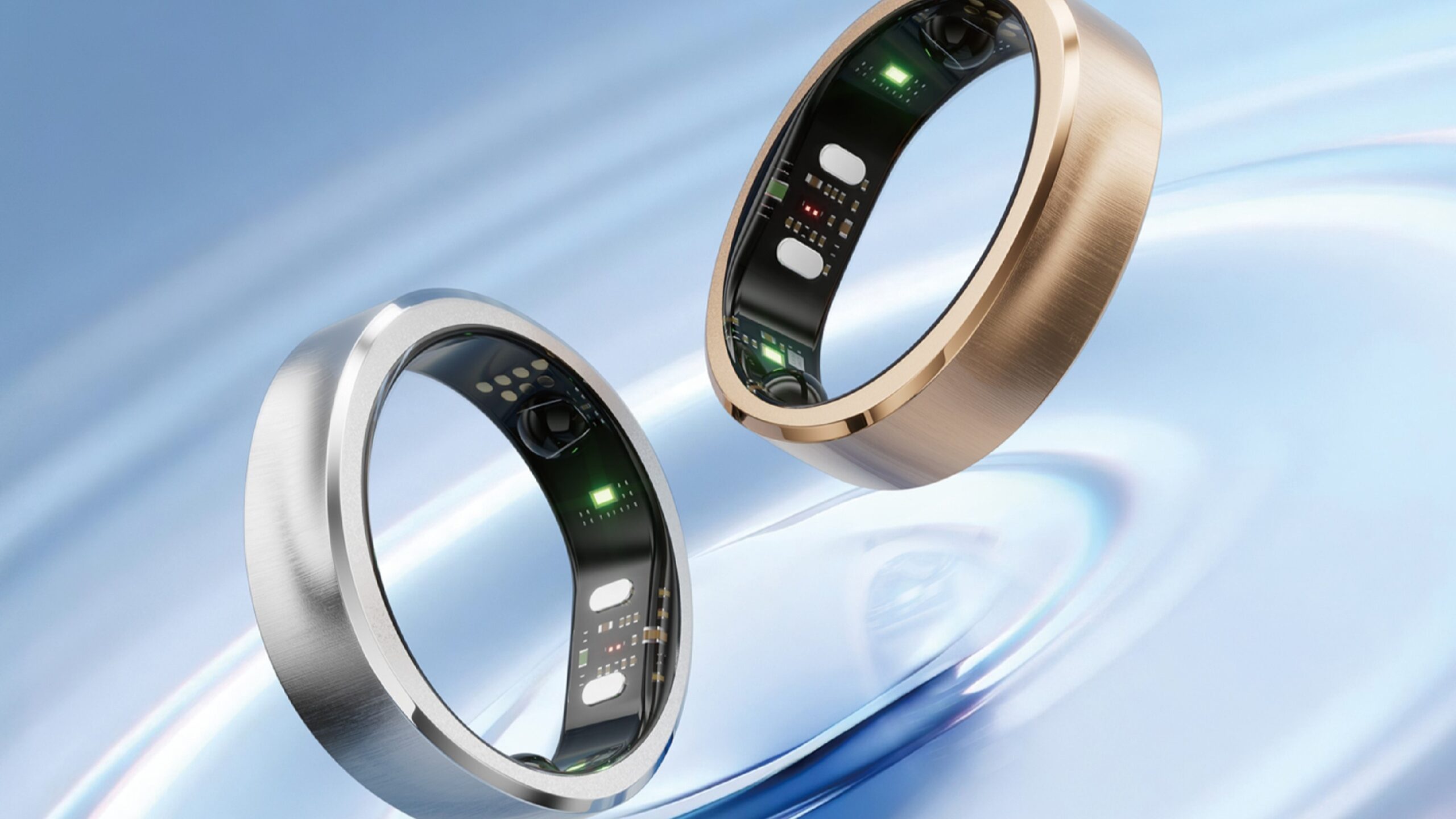
The RingConn Gen 3 boasts broad compatibility, seamlessly integrating with both Android and iOS ecosystems, making it accessible to a vast majority of smartphone users. A significant differentiator in its market strategy is the absence of an additional subscription fee for accessing its full suite of features and historical data. This contrasts sharply with some competitors that require monthly or annual subscriptions for advanced analytics and long-term data retention, potentially offering a more attractive long-term value proposition for cost-conscious consumers. Furthermore, the Gen 3 promises an impressive battery life of up to 14 days when vibration alerts are disabled, providing extended usage between charges, a critical factor for many wearable users. The device’s robust sensor array, including photoplethysmography (PPG) sensors for heart rate and blood oxygen monitoring, an accelerometer for activity tracking, and a gyroscope for motion detection, collectively contribute to its advanced data collection capabilities.
The Lord of the Rings Collaboration: A Strategic Alliance
The decision to link a health-focused smart ring with The Lord of the Rings franchise might appear unconventional at first glance. However, RingConn’s partnership with Warner Bros. Consumer Products is a calculated marketing maneuver designed to leverage one of the most enduring and beloved intellectual properties in cinematic history. The collaboration specifically commemorates the 25th anniversary of The Lord of the Rings: The Fellowship of the Ring, the inaugural film in Peter Jackson’s critically acclaimed trilogy, which first premiered in 2001.
This tie-in is not manifested through a redesign of the smart ring itself to outwardly resemble the iconic "One Ring" from Middle-earth. Consumers should not anticipate glowing inscriptions or fantastical disappearing acts. Instead, the partnership translates into limited-edition promotional extras offered to eligible buyers in the United States. While the specific details on RingConn’s campaign page (ringconn.com/pages/ringconn-middle-earth) are somewhat general, reports from tech publications like TechRadar indicate that a select number of qualifying purchasers will receive a digital code redeemable for three movies spanning The Lord of the Rings and The Hobbit trilogies. This offers a tangible, if symbolic, connection to the beloved fantasy world, aiming to tap into the widespread nostalgia and fandom associated with J.R.R. Tolkien’s universe.
The timing of this collaboration is particularly astute. The Lord of the Rings franchise continues to maintain immense cultural relevance, extending beyond its initial cinematic success with new adaptations and continued fan engagement. By aligning with such a powerful brand, RingConn seeks to enhance its visibility, differentiate itself in a crowded market, and appeal to a broader demographic that might not typically follow wearable technology news. The inherent "ring" form factor of the product creates a natural, albeit metaphorical, bridge to Tolkien’s narrative, making the marketing concept playfully intriguing.
The Smart Ring Market Landscape
The smart ring market, while still a niche segment within the broader wearables industry, is experiencing significant growth and innovation. Projected to expand considerably in the coming years, driven by increasing consumer interest in proactive health management and unobtrusive technology, this sector is attracting both established tech giants and innovative startups. Market research firms consistently highlight the rising demand for wearables that offer health insights without the bulk or constant notifications of smartwatches.
The Oura Ring has long been considered the pioneer and market leader in this category, establishing the benchmark for discreet health tracking. Its success has paved the way for numerous competitors, including Ultrahuman Ring Air, Movano Evie Ring, and now, the RingConn Gen 3. These alternatives often aim to differentiate themselves through various strategies: lower price points, unique feature sets, specific health focuses (e.g., women’s health), or, as in RingConn’s case, a subscription-free model.
The impending entry of tech behemoths like Samsung with its Galaxy Ring further underscores the market’s potential and intensified competition. Samsung’s entry is expected to significantly increase mainstream awareness and adoption of smart rings, potentially disrupting the current hierarchy and forcing existing players to innovate rapidly. In this evolving landscape, strategic partnerships and compelling value propositions are becoming crucial for brand recognition and market penetration.
Analysts suggest that the global smart ring market, valued at hundreds of millions of dollars, is set for a compound annual growth rate (CAGR) exceeding 20% over the next five to seven years. Key drivers include increasing health consciousness among consumers, the desire for non-invasive health monitoring, and advancements in miniaturization and sensor technology. While smartwatches still dominate the wearable market in terms of volume, smart rings are carving out a distinct segment for users prioritizing subtlety, comfort, and focused health data.
Technological Advancements in Wearable Health
The capabilities of modern smart rings like the RingConn Gen 3 are a testament to rapid advancements in miniaturized sensor technology. These devices pack sophisticated components into a small, ergonomic form factor. At the heart of their health tracking are several key sensor types:
- Photoplethysmography (PPG) Sensors: These optical sensors use light to detect changes in blood volume in the capillaries, allowing for continuous heart rate monitoring, heart rate variability (HRV) measurement, and blood oxygen saturation (SpO2) estimation. These metrics are crucial for assessing cardiovascular health, stress levels, and sleep quality.
- Accelerometers: These sensors detect motion and are fundamental for tracking physical activity, counting steps, estimating calorie burn, and identifying different sleep stages (light, deep, REM) by monitoring movement during sleep.
- Gyroscopes: Working in conjunction with accelerometers, gyroscopes measure angular velocity and orientation, providing more nuanced data on movement and posture, which can further refine activity and sleep tracking accuracy.
- Skin Temperature Sensors: Increasingly common, these sensors monitor subtle changes in skin temperature, which can indicate illness, track menstrual cycles (in women’s health features), or provide additional context for sleep quality.
By integrating and processing data from these sensors, the RingConn Gen 3 can provide a holistic view of a user’s health. The ability to track activity across various intensity levels, monitor sleep architecture to identify restorative sleep phases, and offer insights into women’s health cycles (including fertility windows and cycle predictions) demonstrates the growing sophistication of these devices. The inclusion of sleep apnea pattern detection is particularly noteworthy, as undiagnosed sleep apnea can have serious long-term health consequences, and a discreet ring could offer an early screening tool.
Subscription Models vs. Free-Tier Access
One of the most significant differentiating factors in the smart ring market is the business model employed by manufacturers. The Oura Ring, for instance, operates on a subscription-based model, where users pay a monthly fee to access their full health insights, personalized recommendations, and historical data. This recurring revenue stream allows companies to invest in continuous software development, AI-driven analytics, and cloud infrastructure.
RingConn’s decision to offer its Gen 3 without an additional subscription fee positions it directly against this model, appealing to a segment of consumers who prefer a one-time purchase without ongoing costs. This approach has both advantages and disadvantages. From a consumer perspective, the absence of a subscription makes the device more appealing from a long-term cost perspective, potentially reducing the total cost of ownership significantly over several years. This can lower the barrier to entry for new users and increase customer loyalty among those who prefer outright ownership.
However, a subscription-free model often means that the upfront cost of the device must cover all development, maintenance, and future updates. It can also limit the resources available for ongoing, cutting-edge software features that require continuous server-side processing or advanced AI algorithms. Nevertheless, RingConn’s strategy suggests confidence in its ability to deliver a compelling user experience and sustain its product with the initial purchase price, betting on market share growth through perceived value. This move aligns with a broader trend in consumer electronics where companies explore various monetization strategies, balancing immediate revenue with long-term customer satisfaction and market penetration.
Official Responses and Broader Implications
While specific official statements from RingConn regarding the strategic rationale behind the Lord of the Rings partnership have been general, the implications are clear. The company is actively seeking to expand its brand recognition beyond traditional tech circles. Leveraging a globally recognized franchise suggests a sophisticated marketing strategy aimed at differentiating its product in a rapidly expanding and competitive market. The partnership indicates an understanding that in the modern consumer landscape, a compelling product alone may not suffice; cultural relevance and engaging marketing are increasingly vital.
From Warner Bros. Consumer Products’ perspective, such a partnership represents a continued effort to extend the longevity and commercial viability of The Lord of the Rings brand. By associating with innovative technology products, the franchise maintains its presence in contemporary culture and appeals to new generations of consumers, reinforcing its status as a timeless entertainment property. This is part of a broader trend where intellectual properties are integrated across various consumer goods, from apparel to electronics, to maximize brand exposure and revenue streams.
Industry analysts are likely to view this move as an intelligent, albeit unconventional, tactic. It highlights the growing importance of "experiential marketing" and "fandom engagement" even in the tech sector. The immediate impact will likely be increased media coverage and consumer curiosity surrounding the RingConn Gen 3. The long-term success will depend on whether this initial buzz translates into sustained sales and positive user reviews, validating the product’s core health tracking capabilities.
The broader implications for the smart ring market are significant. As more companies vie for market share, innovative marketing strategies like RingConn’s Lord of the Rings tie-in could become more common. This could lead to a more vibrant and diverse market, where brands explore unique angles to capture consumer attention, moving beyond mere technical specifications. Moreover, the strong emphasis on a subscription-free model by RingConn could put pressure on competitors to reconsider their own pricing structures or offer more compelling value within their subscription tiers.
Conclusion
The launch of the RingConn Gen 3, coupled with its distinctive Lord of the Rings partnership, represents a bold strategic move in the rapidly evolving smart ring market. By offering advanced health tracking capabilities, a long battery life, and a subscription-free model at a competitive price point of $349, RingConn is positioning itself as a serious contender against established players. The whimsical yet culturally resonant tie-in with one of the world’s most beloved fantasy franchises is a clear attempt to cut through the noise and capture significant consumer interest, especially as the smart ring category prepares for even greater competition. As consumers increasingly seek discreet, powerful, and value-driven health monitoring solutions, RingConn’s multifaceted approach could prove to be a pivotal moment in its journey to establish a significant foothold in the future of wearable technology.