Son Of Renowned Guatemalan Journalist Fights For Father S Freedom A Year After Imprisonment 6582
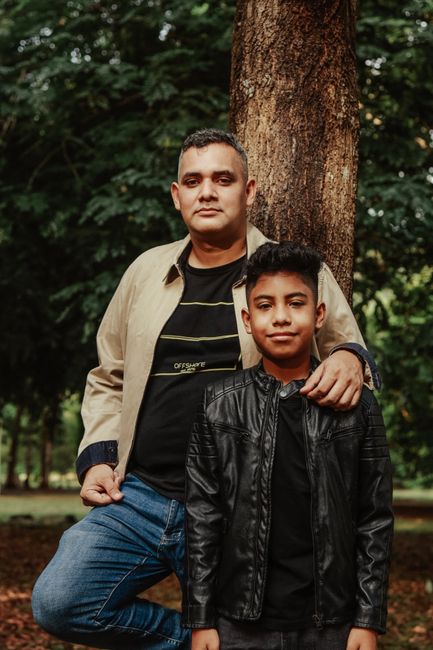
Son of Renowned Guatemalan Journalist Fights for Father’s Freedom a Year After Imprisonment
A year has passed since the arrest of José Rubén Zamora Marroquín, a globally recognized Guatemalan journalist and the founder of the independent newspaper El Periódico. His son, Juan Luis Zamora, has emerged as a relentless advocate, dedicating his efforts to securing his father’s release from what many consider a politically motivated imprisonment. The detention of Zamora Marroquín has sent ripples of alarm through international press freedom organizations, human rights groups, and diplomatic circles, highlighting a worrying trend of judicial and political pressure against critical voices in Guatemala. The case is not merely about one man’s freedom; it has become a potent symbol of the ongoing struggle for democracy and the rule of law in the Central American nation.
Zamora Marroquín, a veteran journalist with over four decades of experience, has consistently used his platform to expose corruption and hold powerful figures accountable in Guatemala. His investigative reporting has often targeted high-ranking government officials, business elites, and organized crime, earning him both respect and considerable animosity. The charges against him – money laundering, extortion, and influence peddling – have been widely condemned by his supporters as fabricated and intended to silence his critical journalism. Juan Luis Zamora, a lawyer himself, has meticulously analyzed the legal proceedings, pointing out numerous procedural irregularities, a lack of concrete evidence, and what he describes as a biased judicial process. He argues that his father is being persecuted for his work, a sentiment echoed by numerous international bodies.
The imprisonment of José Rubén Zamora Marroquín occurred amidst a broader crackdown on independent media and judicial independence in Guatemala. Under the administration of President Alejandro Giammattei, and the subsequent victory of Bernardo Arévalo (who has vowed to reverse these trends), several prosecutors and judges who had been instrumental in investigating corruption cases have been removed from their positions or forced into exile. This climate of intimidation has created a chilling effect on freedom of expression and has raised serious concerns about the erosion of democratic institutions. Juan Luis Zamora’s fight is therefore not an isolated one; it is intrinsically linked to the broader battle for a functioning democracy in Guatemala, where an independent press is crucial for transparency and accountability.
Juan Luis Zamora has tirelessly engaged in a multi-pronged strategy to amplify his father’s cause. He has held numerous press conferences, both within Guatemala and internationally, detailing the perceived injustices of the legal proceedings. He has met with foreign diplomats, human rights advocates, and representatives of international organizations such as the United Nations and the Organization of American States. His advocacy extends to social media, where he actively shares updates on his father’s case, mobilizes support, and educates the public about the implications of Zamora Marroquín’s imprisonment for press freedom. The sheer dedication and persistence displayed by Juan Luis Zamora in the face of immense personal and legal challenges are a testament to his belief in his father’s innocence and the vital importance of his father’s work.
The legal arguments presented against Zamora Marroquín have been subject to intense scrutiny. Supporters contend that the charges are based on flimsy evidence, including accusations related to alleged financial transactions that they argue are either misrepresented or fabricated. Juan Luis Zamora has highlighted instances where defense lawyers have been obstructed, key witnesses have not been heard, and the presumption of innocence appears to have been disregarded. The legal system in Guatemala, while theoretically independent, has faced accusations of political influence in high-profile cases, and Zamora Marroquín’s conviction is seen by many as a prime example of this alleged manipulation. The case has become a litmus test for the integrity of Guatemala’s judicial system and its commitment to upholding fundamental human rights.
The international reaction to Zamora Marroquín’s imprisonment has been overwhelmingly critical. Organizations like Reporters Without Borders (RSF), the Committee to Protect Journalists (CPJ), and Amnesty International have issued strong statements condemning the arrest and demanding his immediate release. These organizations have documented patterns of harassment and persecution against journalists in Guatemala, and Zamora Marroquín’s case is often cited as the most egregious recent example. The United States government, through its State Department and Congressional representatives, has also expressed its concern, urging Guatemala to respect freedom of the press and the rule of law. Juan Luis Zamora has leveraged this international pressure, consistently providing information and context to foreign entities to maintain global attention on his father’s plight.
Beyond the legal and political dimensions, the imprisonment of José Rubén Zamora Marroquín has also had a profound personal impact on Juan Luis Zamora and his family. The emotional toll of seeing a father and husband, who has dedicated his life to public service, unjustly incarcerated is immense. Juan Luis, however, has channeled his grief and frustration into a powerful force for advocacy. He speaks with a quiet determination, articulating the injustices with clarity and conviction. His resilience in the face of such adversity has inspired many within Guatemala and beyond, demonstrating the strength of family bonds and the unwavering commitment to justice.
The future of press freedom in Guatemala hangs in the balance, and the case of José Rubén Zamora Marroquín is central to this struggle. If the convictions stand, it will send a clear message that investigative journalism that challenges the status quo will be met with severe repercussions, further eroding the space for critical reporting. Conversely, a successful appeal or a posthumous vindication, however unlikely it may seem at this juncture, would represent a significant victory for democracy and the rule of law. Juan Luis Zamora’s unwavering commitment to his father’s freedom is not just a personal quest; it is a fight for the soul of Guatemalan democracy, where the pursuit of truth and accountability should be protected, not punished. The world watches as this determined son continues his arduous battle, a poignant reminder of the courage required to defend fundamental rights in the face of authoritarian tendencies. The enduring legacy of José Rubén Zamora Marroquín and the relentless advocacy of his son, Juan Luis Zamora, underscore the critical importance of an independent press in any functioning democracy. The legal and political landscape of Guatemala remains a complex and challenging terrain, but the fight for justice in this high-profile case continues, driven by the conviction that truth will ultimately prevail. The global spotlight on this imprisonment serves as a crucial deterrent against further repression, highlighting the interconnectedness of human rights and the importance of international solidarity in defending democratic values.


