Navigating the Digital Campus: How Social Media is Transforming Modern Education, Compliance, and Student Engagement

The integration of digital platforms into educational institutions has evolved from a novel experiment into a foundational pillar of modern pedagogy and institutional communication. Across global academic landscapes, the deployment of networks such as YouTube, Instagram, TikTok, LinkedIn, Facebook, and X has fundamentally shifted how educators deliver curriculum, how administrative bodies manage community outreach, and how students experience learning. Rather than serving merely as a distraction, social media has matured into a complex dual-purpose ecosystem: operating simultaneously as an interactive classroom tool for collaborative projects and digital literacy, and as an enterprise-grade institutional channel driving student recruitment, campus safety alerts, and alumni relations. With approximately nine in ten teenagers actively utilizing platforms like YouTube, and majorities maintaining a steady presence on TikTok and Instagram, educational institutions face an urgent imperative to meet students within their existing digital habits. This paradigm shift, however, brings forth profound operational complexities, requiring robust legal compliance, refined safety policies, and sophisticated management frameworks to balance digital innovation with student well-being.

The evolution of social media within educational settings spans a distinct chronology, transitioning from informal student-led peer networks to institutionalized learning channels. In the early 2010s, academic adoption of digital platforms was largely ad hoc, driven by pioneering educators who utilized nascent features of Facebook groups or early Twitter threads to extend classroom discussions beyond physical hours. By the mid-2010s, universities and secondary schools recognized the institutional utility of these channels, formalizing social media strategy to combat declining enrollment figures and to modernize recruitment campaigns targeting digitally native cohorts. By 2026, the integration deepened significantly, incorporating livestreamed academic lectures, institutional social listening software, and structured digital literacy programs designed to counter misinformation. This historical trajectory reflects a broader societal transformation: the classroom is no longer bounded by four walls, but is instead part of a continuous, globally interconnected digital stream.
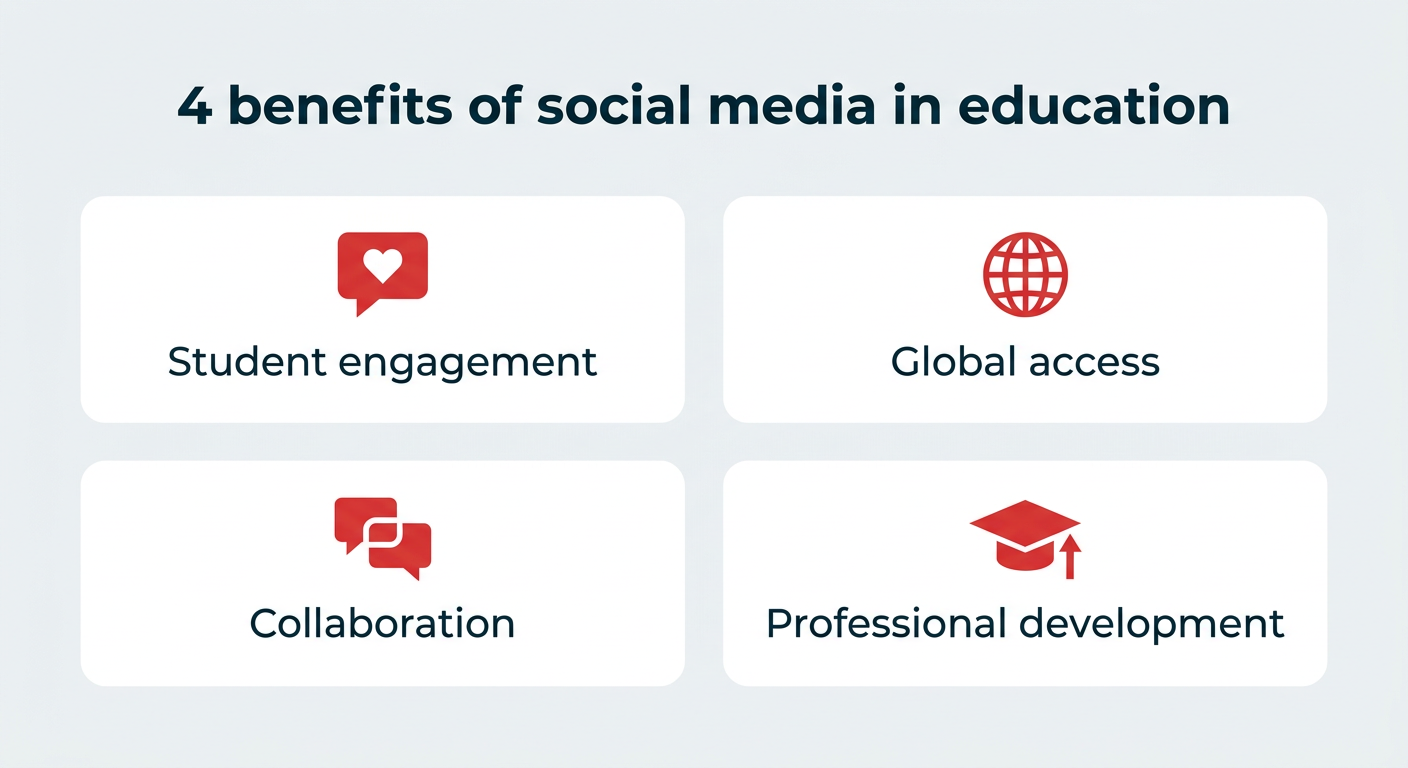
The academic and operational advantages of utilizing social media in education are multifaceted, directly addressing the core metrics of engagement and institutional connectivity. Foremost among these is the enhancement of student engagement. By leveraging platforms where adolescents spend upwards of an hour and eighteen minutes per day on TikTok alone, educators bridge the attention gap, replacing antiquated learning management systems with dynamic, interactive media. Furthermore, social media shatters geographical boundaries, granting higher education programs the unprecedented ability to connect students with global experts through live-streamed Q&A sessions or professional networking on LinkedIn. Communication workflows have similarly streamlined; private messaging groups and collaborative document-sharing networks allow students to coordinate group projects seamlessly while fostering closer, more responsive mentorship relationships with faculty members. For teachers, professional development has been democratized, allowing educators to bypass bureaucratic conference schedules and exchange peer-tested lesson plans and management strategies via professional communities on LinkedIn, Facebook, and Reddit.
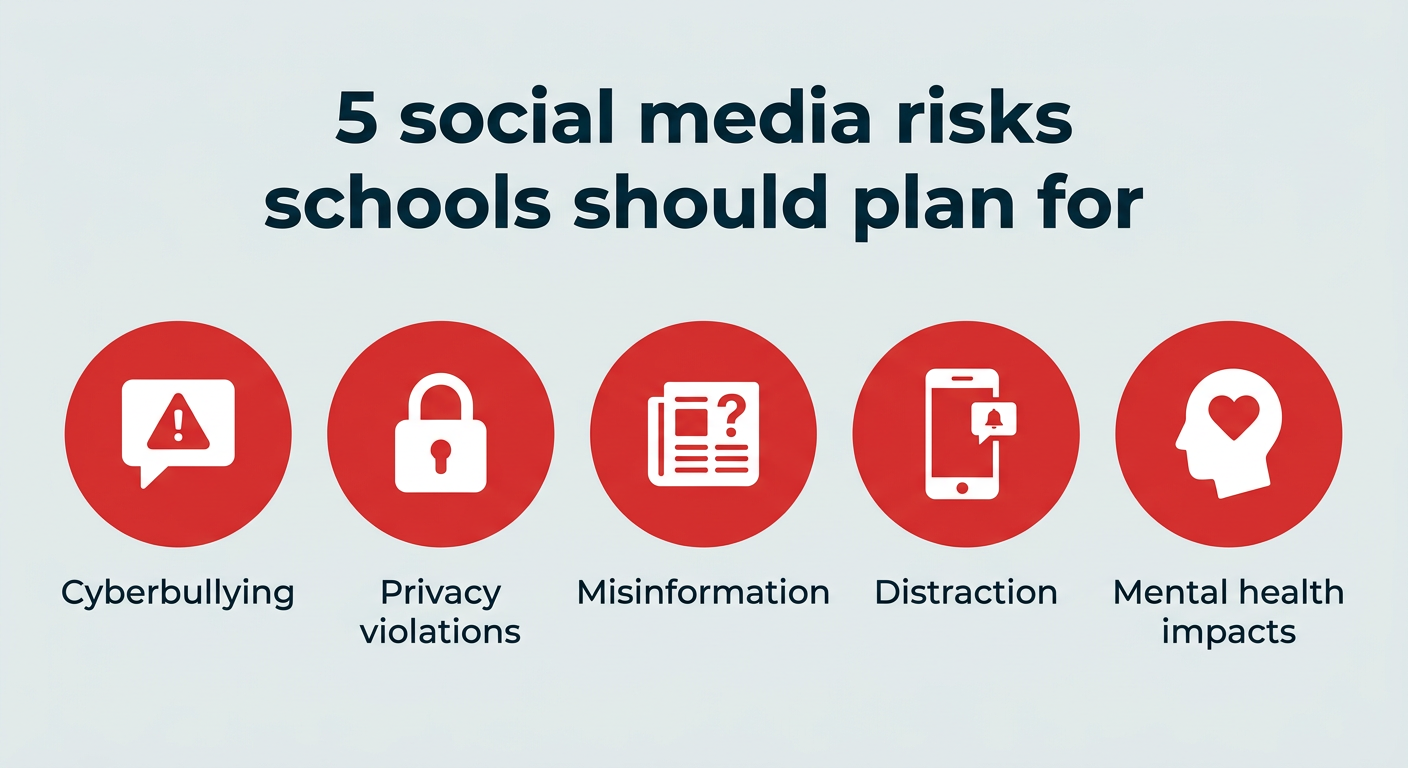
Despite these clear benefits, the integration of digital platforms introduces substantial risks and challenges that demand rigorous institutional planning. Mental health remains a primary concern among administrators and public health officials. High-profile advisories from the U.S. Surgeon General and the American Psychological Association have highlighted the complex relationship between heavy social media consumption and diminished adolescent well-being, noting that platforms carry meaningful risks depending on usage patterns, content exposure, and preexisting vulnerabilities. Beyond mental well-being, schools face acute legal and pedagogical vulnerabilities regarding privacy, misinformation, and cyberbullying. Unauthorized disclosure of student education records or identifiable imagery can lead to severe regulatory penalties and breaches of trust. Concurrently, the rapid dissemination of unverified information necessitates comprehensive digital literacy training, transforming source evaluation from an elective module into an educational necessity. Cyberbullying, which frequently occurs outside traditional school hours and off-premise networks, requires formalized reporting channels and transparent institutional protocols to resolve effectively.
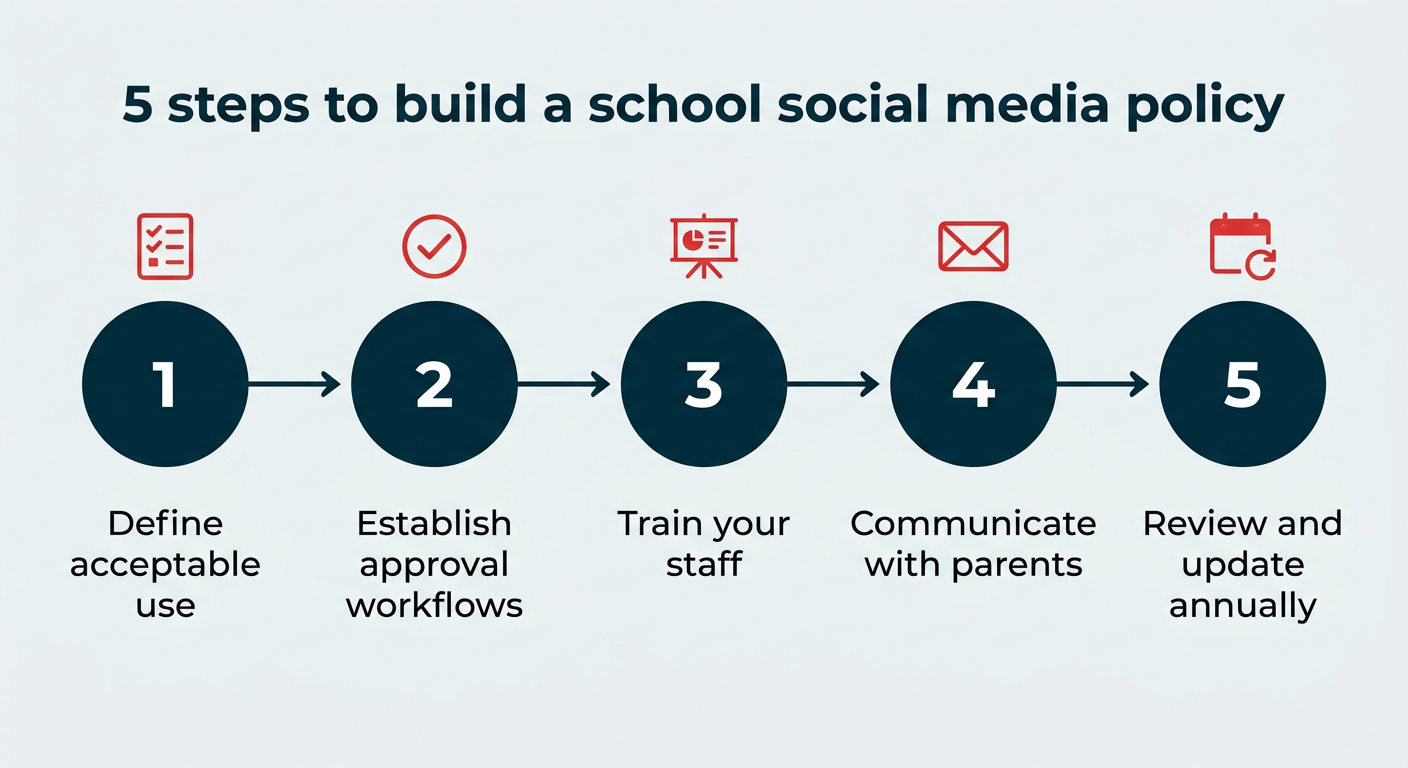
Navigating these challenges requires strict adherence to regulatory compliance frameworks, particularly within the United States, where three primary federal statutes govern institutional digital practices. The Family Educational Rights and Privacy Act (FERPA) mandates that schools receiving Department of Education funding secure explicit written consent prior to disclosing personally identifiable information from education records, including on social media channels. Similarly, the Children’s Online Privacy Protection Act (COPPA) regulates the collection of personal data from children under the age of thirteen, requiring verifiable parental consent for platform usage. Additionally, the Children’s Internet Protection Act (CIPA) obligates schools and libraries receiving federal E-Rate discounts to maintain comprehensive internet safety policies, deploy content filters to block obscene or harmful material, and educate students on appropriate online behavior. Educational institutions operating internationally must align their digital strategies with regional mandates such as the General Data Protection Regulation (GDPR) in the European Union and the United Kingdom, or the Personal Information Protection and Electronic Documents Act (PIPEDA) in Canada. To operationalize these legal requirements, institutions are increasingly adopting formal five-step social media policies: auditing existing channels, establishing clear content ownership, defining permissible student engagement boundaries, implementing rigorous pre-publication review workflows, and providing mandatory staff training.

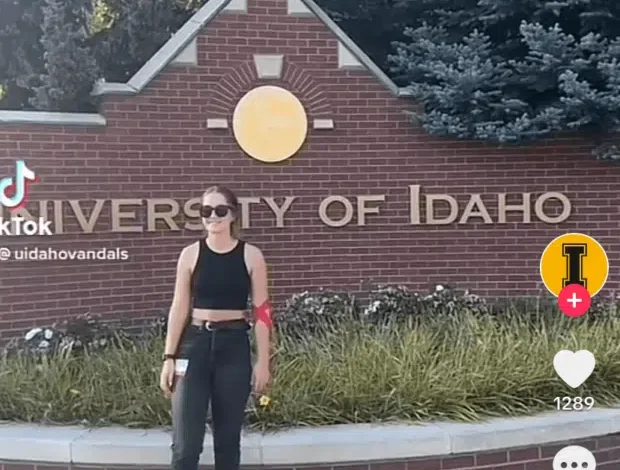
Translating policy into practice involves ten distinct applications that span both classroom instruction and institutional administration. In the realm of recruitment, institutions utilize targeted social campaigns—such as Instagram Reels previewing MasterClass modules or TikTok videos highlighting authentic student experiences at the University of Idaho—to drive enrollment. Community building is fostered through private Facebook groups for incoming freshmen, such as those established at The University of Texas at Austin, which cultivate peer connection and problem-solving skills. For operational communications, departments increasingly bypass sluggish internal software in favor of real-time platforms like X to broadcast urgent campus updates and event schedules. Accessibility is dramatically expanded through livestreamed lectures on YouTube, enabling remote or non-traditional students to review complex material at their own pace while utilizing chat moderation to accommodate introverted learners. Digital literacy workshops teach older adults and students alike the permanence of digital footprints and effective source evaluation. User-generated content initiatives, exemplified by the Parsons School of Design showcasing student artwork on Instagram, incentivize participation while amplifying institutional reach under strict consent guidelines. Active and passive learning methods are successfully blended when instructors assign digital photo essays, video documentation, or real-time fact-checking exercises to test critical thinking. Furthermore, professional networking and thought leadership are cultivated by encouraging students to establish optimized LinkedIn profiles, thereby acquiring vital skills in digital branding and industry discourse. Finally, honoring student and alumni achievements through targeted spotlights reinforces institutional pride and maintains vital post-graduate relations.

Industry benchmark data underscores the operational standards required to maintain a competitive and effective social media presence in the education sector. According to Hootsuite’s education-specific benchmark research, institutional posting frequencies vary significantly by platform, with X leading the sector at an average of ten posts per week. Engagement rates across major networks reflect the nuanced nature of audience interaction, while follower growth data highlights TikTok as a powerhouse for audience expansion, registering an average weekly follower growth rate of 2.28% for educational institutions. These metrics provide communications teams with data-driven baselines to measure their return on investment, aligning digital output with core institutional goals such as enrollment inquiries, website referral traffic, and brand sentiment.

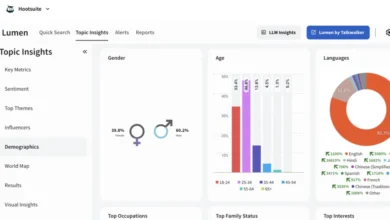
To manage these demanding workflows, educational institutions are increasingly deploying enterprise-grade management platforms such as Hootsuite Social OS, which consolidates publishing, social listening, and analytics into a single dashboard. By replacing decentralized communication with structured, governed workflows, marketing and administrative teams can route posts through multi-tiered review processes, ensuring that student privacy is protected before any content goes live. Integrated social listening tools, such as Lumen, allow institutions to monitor real-time online conversations regarding campus issues, program perceptions, and competitor benchmarks, safeguarding institutional reputation. Furthermore, comprehensive analytics dashboards not only measure campaign performance but double as practical teaching tools, offering students tangible insights into data analytics that enhance their future employability. Through specialized initiatives like the Hootsuite Student Program, accredited higher education institutions also gain access to complimentary academy courseware, equipping the next generation of communicators with industry-recognized certifications and strategic digital proficiency.