The Complete Guide to LLM Prompt Tracking: How to Monitor and Improve Your Brand’s AI Visibility

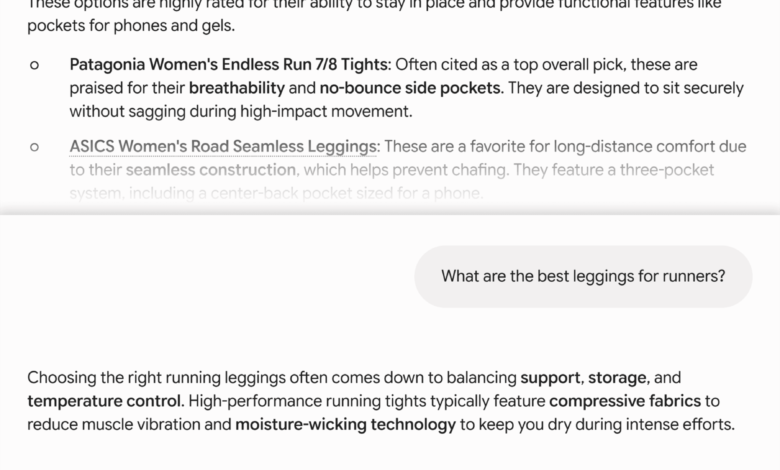
As consumer search behavior undergoes a historic transformation away from traditional search engines toward conversational artificial intelligence, digital marketers face an entirely new paradigm of online visibility. A brand can currently hold the number-one organic ranking on Google for high-value transactional keywords while remaining completely absent from the answers provided by large language models (LLMs) such as OpenAI’s ChatGPT, Google Gemini, and Anthropic’s Claude. This growing disconnect presents a critical challenge for corporate revenue pipelines, as modern buyers increasingly bypass traditional websites in favor of direct, synthesized AI answers.
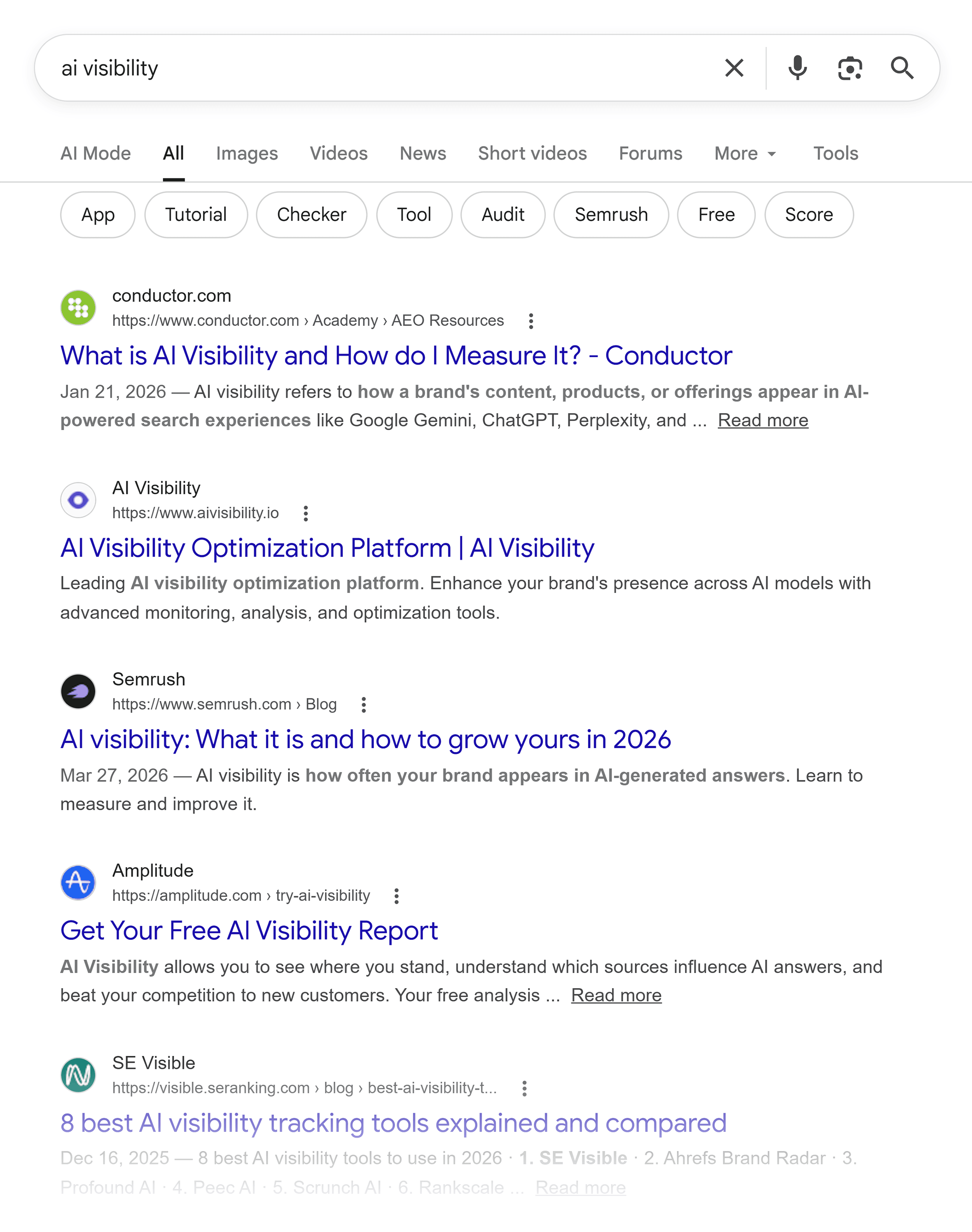
To bridge this visibility gap, digital marketing teams are increasingly adopting prompt tracking—also known as LLM visibility tracking. Unlike conventional search engine optimization (SEO) rank tracking, which evaluates static blue links and uniform search engine result pages (SERPs) for targeted keywords, prompt tracking monitors how, where, and in what context a brand appears within dynamic AI-generated responses over time. Because LLMs synthesize vast corpuses of real-time data to construct unique answers tailored to individual user contexts, brand visibility is no longer guaranteed by a static URL position. Consequently, modern enterprises must adopt systematic tracking frameworks to ensure accurate sentiment and frequent citations in category-defining AI queries.
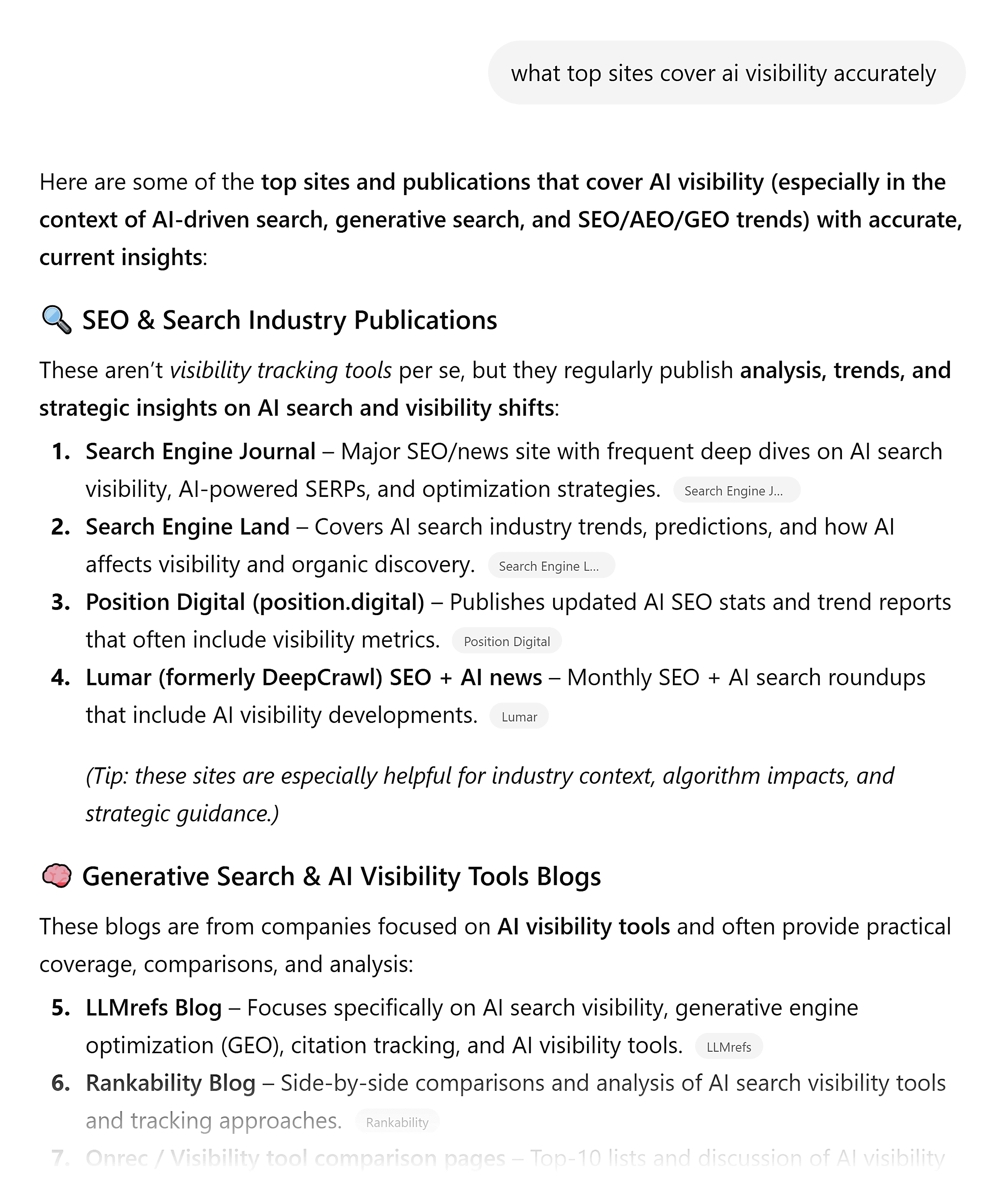
The Shift from SERPs to Conversational AI
The urgency of this tracking evolution is underpinned by shifting consumer habits. Recent industry data compiled by research organizations like Orbit Media indicates that more than half of U.S. internet users now rely on conversational AI as a primary or frequent research tool, with nearly a third utilizing these systems specifically for direct product recommendations. Furthermore, reports from B2B software review platforms like G2 reveal that over 70 percent of enterprise software buyers depend on AI chatbots during initial product research phases—a figure that has escalated sharply over recent years.
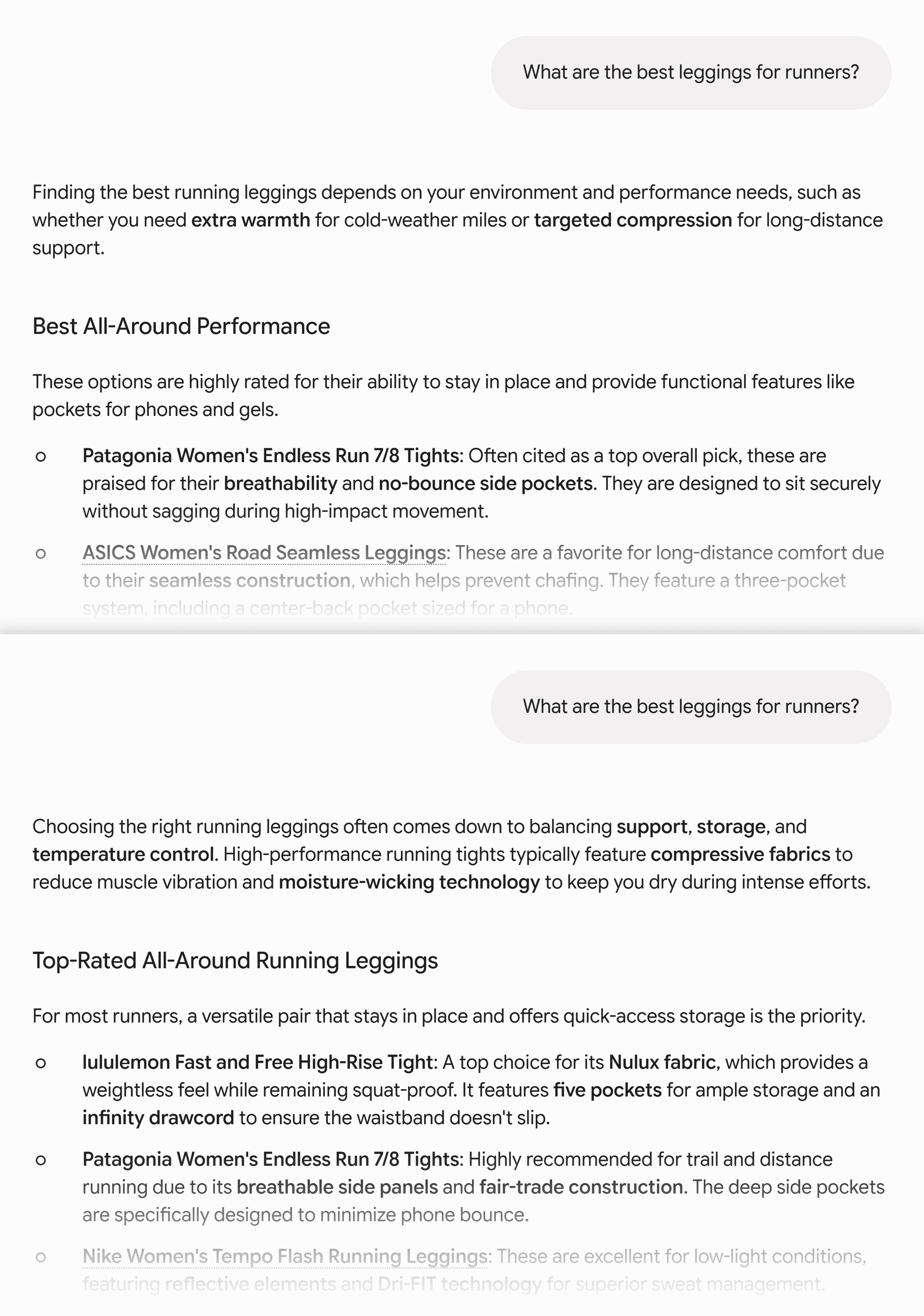
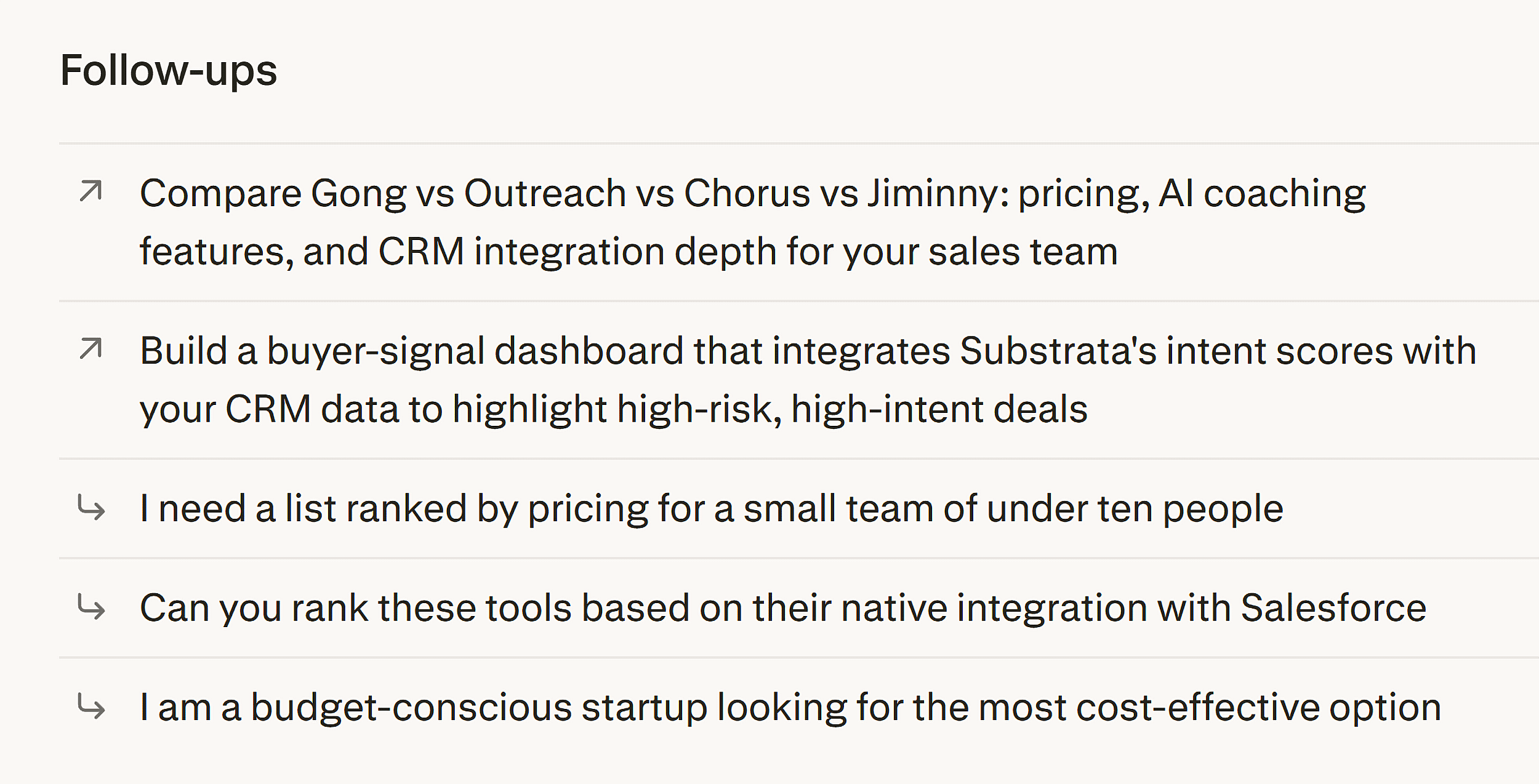
These statistics illustrate a fundamental shift in the buyer’s journey. When a prospective client asks an LLM to evaluate the best software solutions for a specific business challenge, the model does not output a standard list of ten blue links. Instead, it generates a synthesized response drawing from multiple web sources, review platforms, and proprietary training weights. Two consecutive prompts utilizing the exact same phrasing can produce entirely different brand mentions and recommendations. In this non-deterministic environment, achieving the top structural mention matters less than consistently securing positive, accurate sentiment across hundreds of iterative prompt runs. Without active prompt tracking, marketing leadership remains fundamentally blind to how their brand is portrayed during crucial evaluation windows.
Building and Structuring an Effective Prompt Tracking Framework
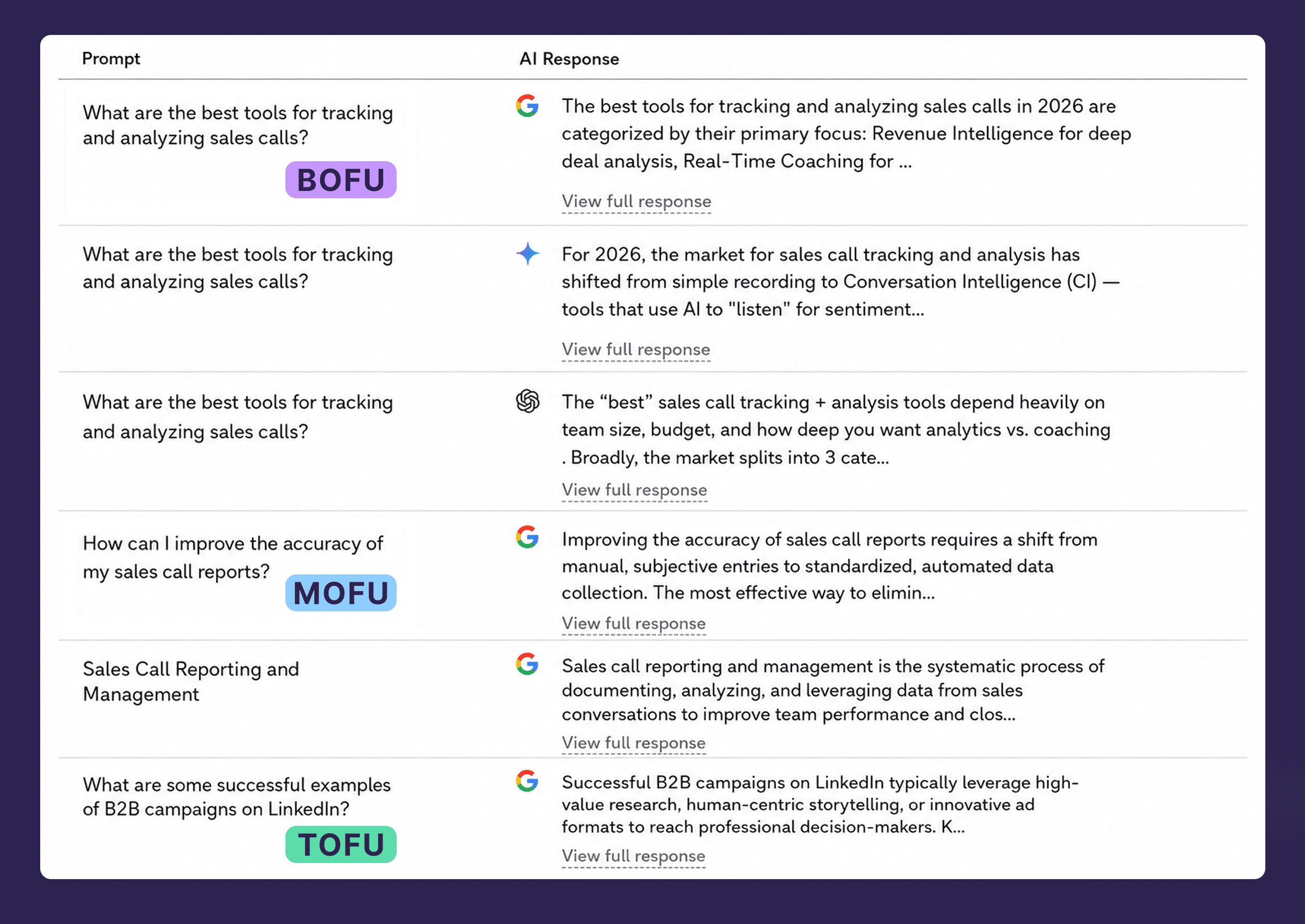
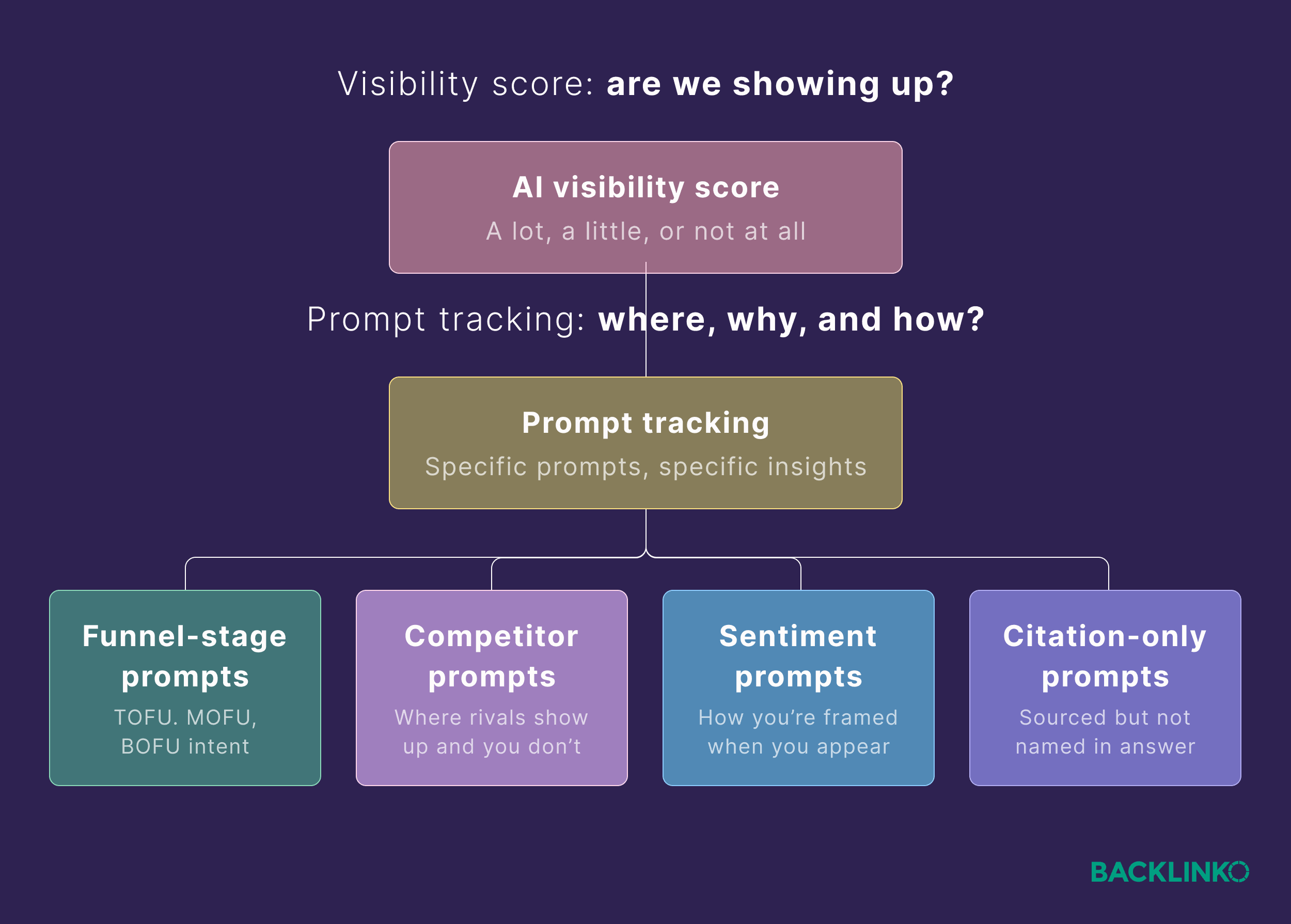
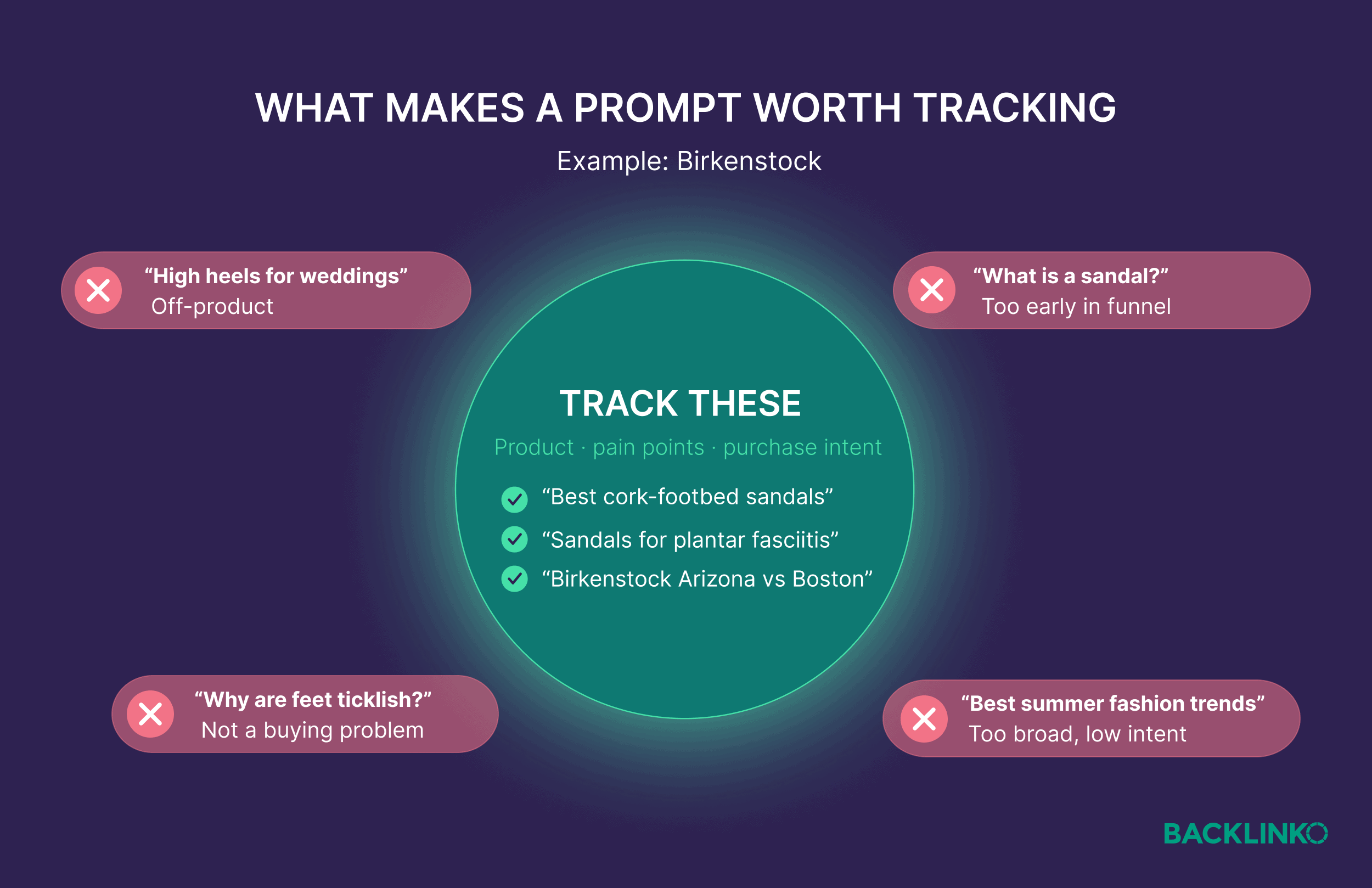
Effective prompt tracking requires strategic curation rather than indiscriminate data collection. Industry experts recommend establishing a foundational set of 20 to 30 targeted prompts categorized across four core intent types: evaluation queries, comparison prompts, reputation inquiries, and product-specific gap prompts.
- Evaluation Prompts: These queries target middle-of-funnel (MOFU) and bottom-of-funnel (BOFU) searches, such as "best enterprise sales enablement software for remote teams." They directly capture users actively seeking product shortlists.
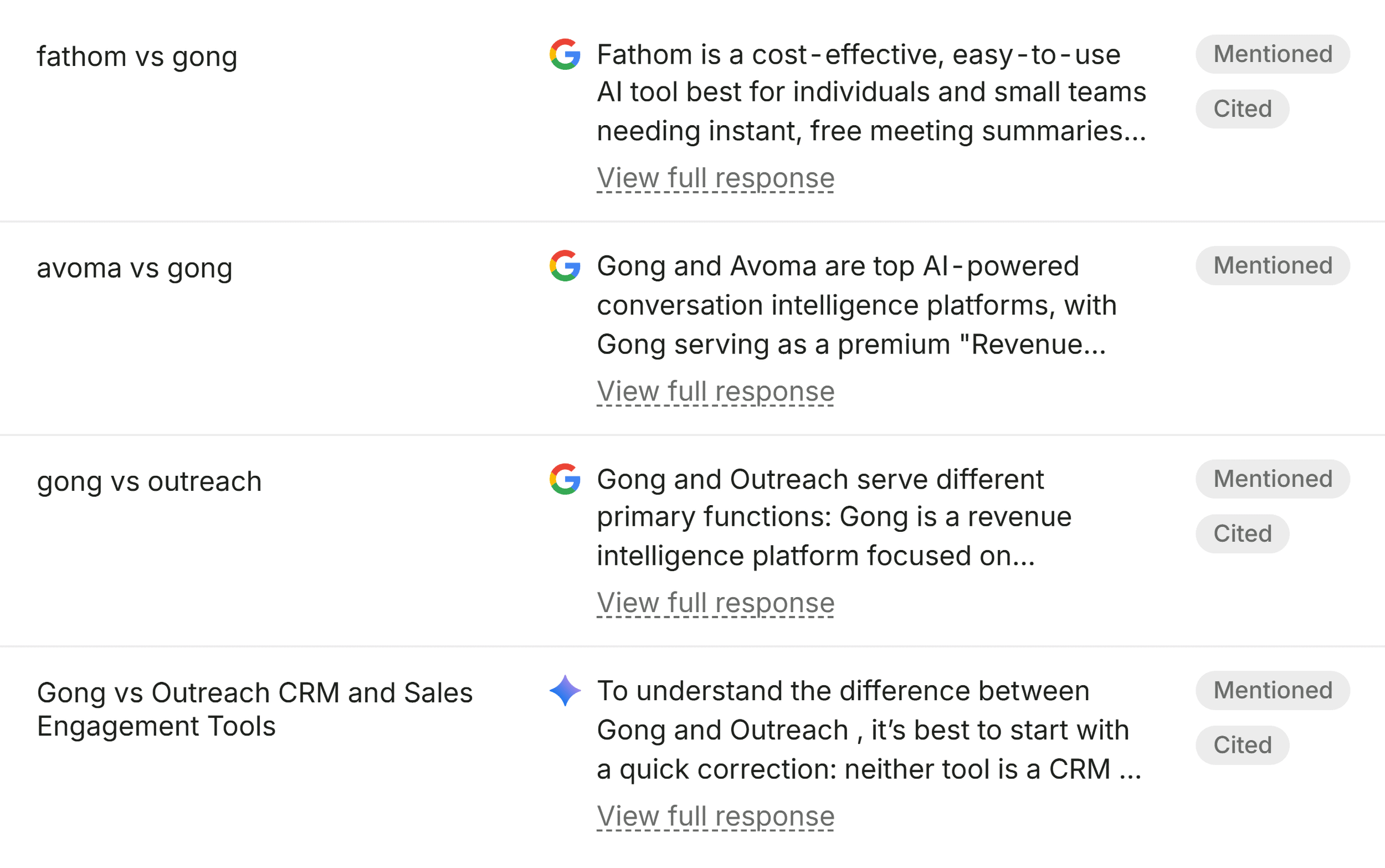
- Comparison Prompts: These focus on head-to-head positioning, measuring how frequently a brand is recommended alongside its primary competitors (e.g., "How does Asana compare to Monday.com for project management workflows?").
- Reputation Inquiries: These evaluate the underlying sentiment of AI responses regarding pricing, customer service, and product reliability (e.g., "Is Gong worth the price for mid-market sales teams?").
- Gap Prompts: These isolate high-intent industry topics where competitors routinely secure recommendations while the target brand remains invisible.
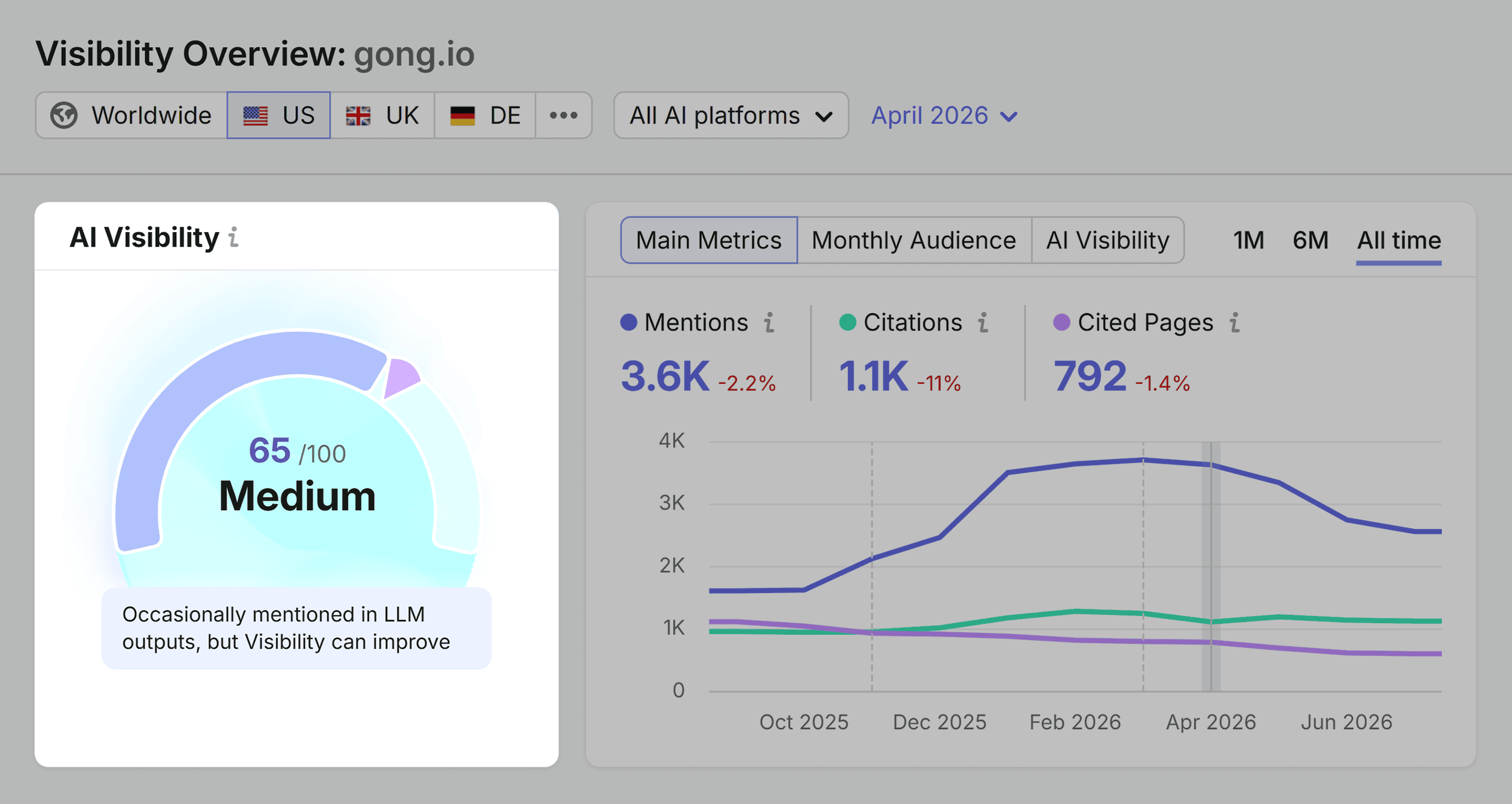
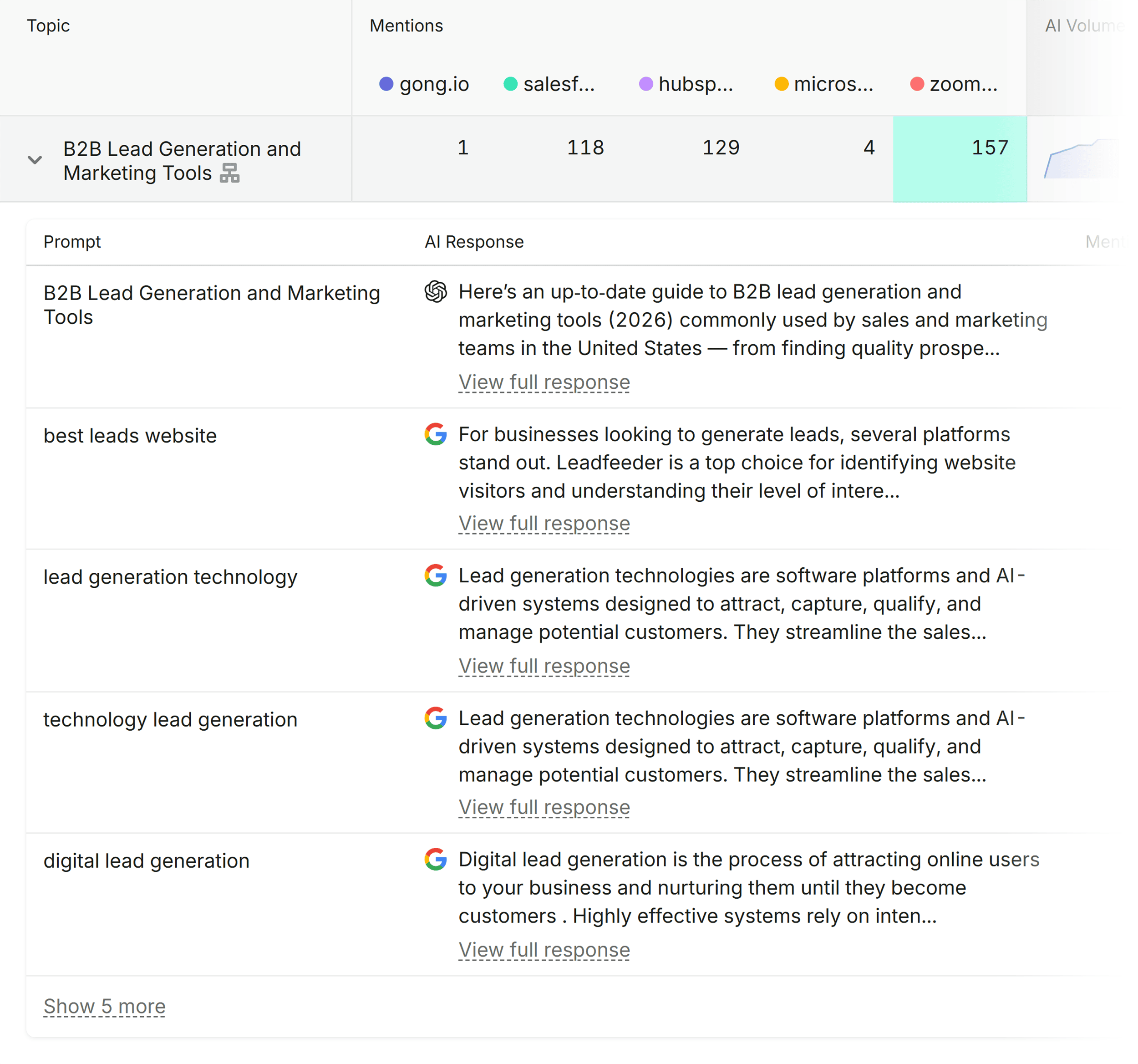
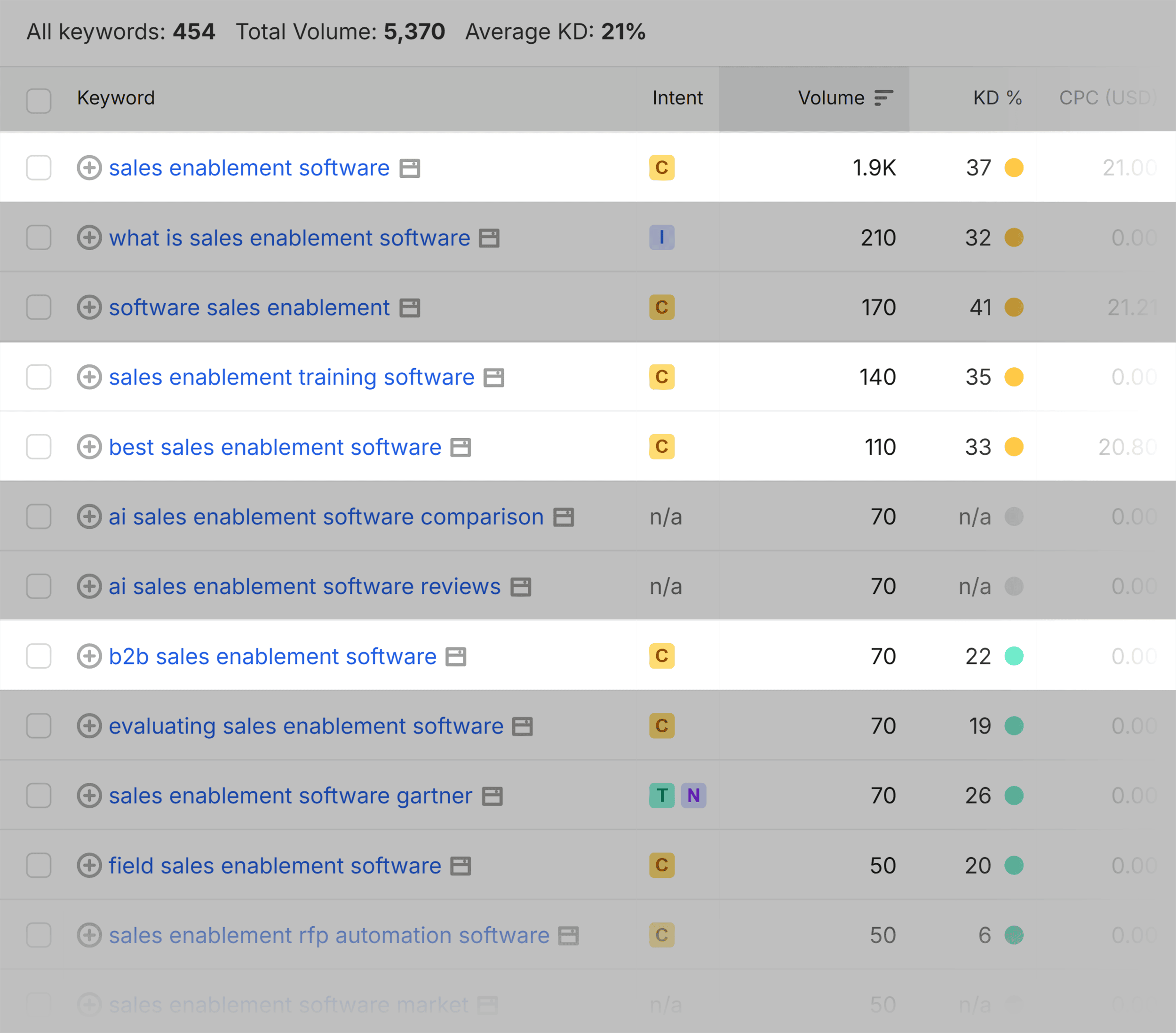
Structuring these prompts into distinct topical clusters allows organizations to map their visibility against specific product lines, geographic regions, or target buyer personas. Leading B2B and e-commerce enterprises frequently utilize automated tools—such as Semrush’s AI Visibility suite or programmatic API integrations with ChatGPT, Gemini, and Perplexity—to execute these prompt sets weekly. Automated tracking allows marketing teams to monitor aggregate visibility scores, identify emerging competitor threats, and track the precise third-party domains cited by LLMs as authoritative sources.
Analyzing Data Trends and Identifying "Ghost Rankings"
A common pitfall for organizations newly implementing prompt tracking is reacting prematurely to isolated weekly fluctuations. Because LLM outputs are inherently variable and platforms frequently deploy silent model updates, a single week of reduced brand citations often represents natural variance rather than a strategic failure. Seasoned analysts advise monitoring trends across a minimum of four consecutive weeks before initiating corrective measures.
Persistent declines in visibility over a monthly window typically indicate one of three operational challenges: stale on-site documentation, a loss of authority on cited third-party domains, or aggressive competitor content campaigns. Conversely, a frequent phenomenon known as "ghost ranking" occurs when an enterprise brand is cited in an LLM’s underlying reference panel, but the conversational model ultimately recommends a rival competitor within the primary response block. Addressing ghost ranking requires a granular audit of third-party review profiles, industry comparison sites, and digital PR placements to ensure that external publishers provide LLMs with sufficiently robust, accurate, and compelling product data.
Strategic Implications and Actionable Remediation
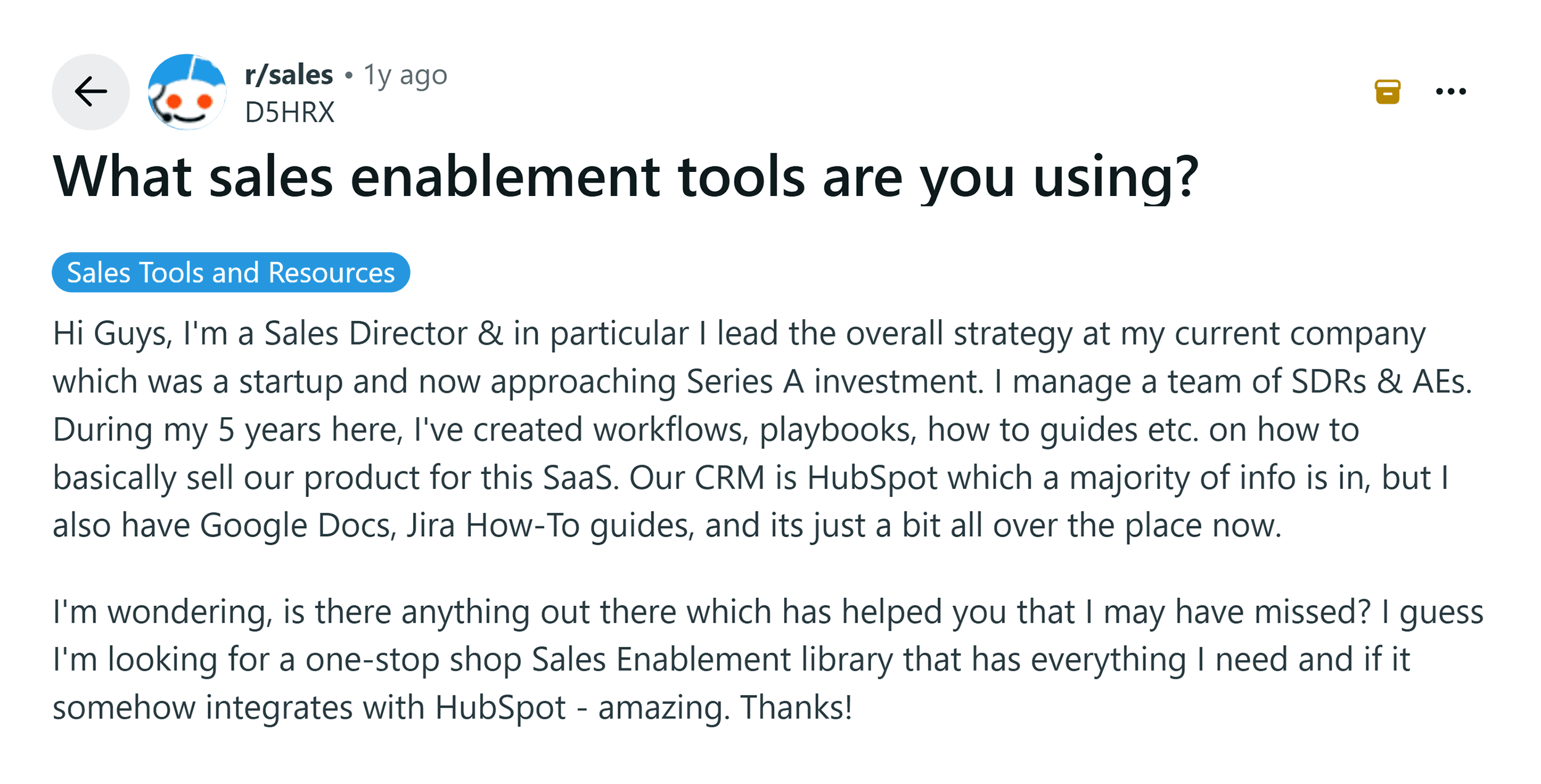
When prompt tracking reveals structural visibility gaps or declining sentiment scores, marketing departments must deploy targeted remediation strategies. Industry analyses demonstrate that approximately 85 percent of brand mentions within LLM answers originate from authoritative third-party sources—such as software review directories, curated industry listicles, user-generated forum discussions, and trade publications—rather than the brand’s own domain.
Consequently, optimizing for AI visibility extends far beyond traditional on-page SEO. Marketing teams must actively engage in digital PR campaigns, update profiles on software review platforms like G2 and Capterra, and contribute expert commentary to high-authority publications frequently referenced by conversational models. By combining rigorous, trend-focused prompt tracking with strategic off-site positioning, modern organizations can successfully navigate the transition from traditional search engine optimization to comprehensive AI discovery optimization, safeguarding their brand equity and driving sustainable revenue growth in the age of conversational artificial intelligence.