Google Health 5.11 update brings significant tracking enhancements to Fitbit and Pixel Watch users

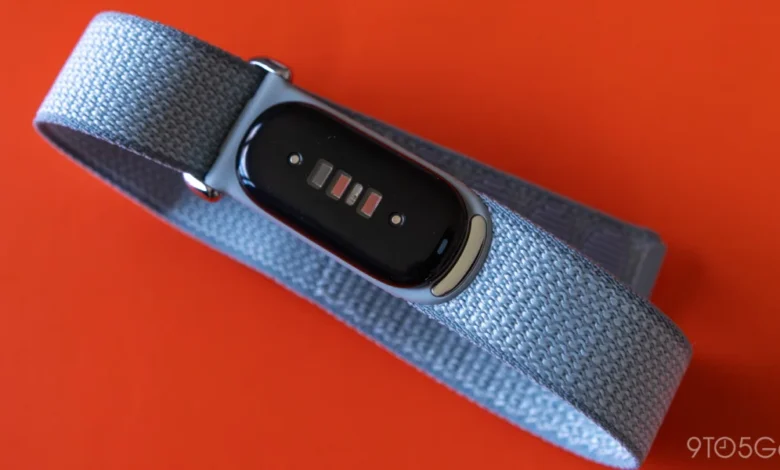
The release of Google Health version 5.11 marks a substantial shift in how the ecosystem handles longitudinal health data, particularly for owners of the Fitbit Air, the latest Pixel Watch iterations, and the upcoming Fitbit Edge. As this update begins its global rollout on both iOS and Android platforms, it represents the most comprehensive software integration between Google’s health-focused AI and wearable hardware to date. By refining the granularity of activity detection and introducing advanced "Health Guardian" metrics, Google is signaling a pivot toward preventative, long-term health monitoring rather than simple daily step tracking.
Core Enhancements to Automatic Activity Detection
At the heart of the 5.11 update is a refined engine for Improved Automatic Activity Tracking. This feature, which utilizes an evolved suite of machine learning models, aims to reduce the "false start" or "missed activity" common in previous generations of wearables. The update is currently live for the Fitbit Air and the Pixel Watch 3, 4, and 5. Furthermore, the highly anticipated Fitbit Edge, slated for a retail release on October 27, will ship with these enhanced detection capabilities pre-installed, ensuring parity for early adopters.
The technical implications of this improvement are significant. By processing sensor data more efficiently at the device level, the software can now differentiate between distinct movement patterns—such as distinguishing between a brisk walk and light jogging—with higher confidence intervals. This reduces the burden on the user to manually categorize exercise, a historical pain point for wearable enthusiasts who demand "set it and forget it" convenience.
The Rise of the Health Guardian Suite
Perhaps the most notable addition for power users is the introduction of the Health Guardian suite, exclusively available to Google Health Premium subscribers. This feature set moves the Google Health app closer to a clinical-grade diagnostic companion, though it remains framed within the context of wellness and general monitoring.
The suite focuses on two critical biomarkers: blood pressure and insulin resistance trends. Users can now input or sync data to generate specialized reports, with the inaugural analytics set to be delivered in early November. This timeline suggests a focus on gathering enough baseline data points to provide meaningful insights rather than reactive alerts.
By analyzing longitudinal trends in blood pressure, the system seeks to provide users with a "big picture" view of their cardiovascular health. Similarly, the insulin resistance tracking feature represents a significant expansion into metabolic health. By mapping glucose variability and other physiological markers, the app attempts to provide users with a snapshot of their metabolic efficiency. It is important to note that these features are intended for informational purposes and are not a replacement for professional medical diagnosis, a distinction that Google continues to emphasize in its regulatory compliance documentation.
Standardization of Glucose Monitoring
The update also brings a nomenclature and design overhaul to the way blood glucose data is presented. In previous versions, the terminology was somewhat fragmented across different modules of the app. With version 5.11, the company has unified the interface under the simple, descriptive label "Glucose."
This rebranding is accompanied by a complete redesign of the charts and graphs module. The new visual interface is designed to make it easier for users to identify spikes and dips in their glucose levels over days, weeks, or months. By standardizing these visuals, Google is aiming to lower the cognitive load required to interpret complex physiological data. This effort to simplify complex data sets reflects a broader trend in the digital health industry: making actionable insights accessible to the layperson without sacrificing the depth of information required by more dedicated health trackers.
Refinements in Sleep Tracking and Wake Detection
Sleep tracking has long been a flagship metric for the Fitbit and Pixel Watch lines, and version 5.11 brings notable improvements to the algorithms governing wake detection and nap management.
Historically, wearables have struggled to accurately account for "restless" sleep or short daytime naps, often misclassifying them as awake time or ignoring them entirely. The updated software improves the sensitivity of the accelerometer and heart rate variability (HRV) sensors to distinguish between light, deep, and REM sleep, even when the sleep session is interrupted. The new "nap editing" feature allows users to retroactively adjust or confirm sleep intervals, ensuring that the total sleep duration and sleep quality scores remain accurate. This level of user control is vital for those tracking chronic sleep issues or shift-work patterns, providing a level of reliability that has previously been absent from consumer-grade sleep trackers.
Chronology of the 5.11 Rollout
The deployment of Google Health 5.11 has followed a phased approach, reflecting the complexity of modern software ecosystems across mobile operating systems.
- October 23, 2026: Official announcement of the update, detailing the expansion of automatic activity detection and the introduction of Health Guardian features.
- Late October 2026: Gradual rollout begins for iOS and Android, with priority given to the latest Pixel Watch and Fitbit Air models.
- October 27, 2026: Launch date for the Fitbit Edge, which arrives with the 5.11 feature set fully integrated out of the box.
- Early November 2026: Expected delivery of the first comprehensive "Health Guardian" reports for subscribers who have successfully configured their blood pressure and insulin resistance data inputs.
Broader Impact and Industry Context
The 5.11 update serves as a tangible demonstration of Google’s long-term strategy for its health division. Since the acquisition of Fitbit, the tech giant has been working to merge the hardware expertise of the Fitbit brand with the data processing power of Google’s AI infrastructure.
The inclusion of blood pressure and insulin resistance tracking features puts Google in direct competition with other major players in the health-tech space, such as Apple and Samsung. However, Google’s approach appears to be anchored in the "Premium" subscription model, which creates a recurring revenue stream while funding the research and development of these more advanced analytical tools.

From an industry perspective, the shift toward tracking metabolic markers like insulin resistance is significant. For years, the wearable market was saturated with step counters and heart rate monitors. As the market reaches a saturation point, companies are increasingly looking toward "deep health" metrics—indicators that provide a more accurate picture of a user’s internal biological state. This transition carries both promise and risk. While it empowers users with more data, it also places a greater burden on the software to interpret that data accurately and ethically, avoiding the potential for "data anxiety" among users who may misinterpret trends.
Analyzing the User Experience
The emphasis on refined data visualization in the 5.11 update is not merely an aesthetic choice; it is a fundamental shift in how the company expects users to interact with their bodies. By transforming raw numbers into intuitive, color-coded graphs, Google is encouraging a more reflexive relationship between the user and their health data.
For the average consumer, the update is likely to be perceived as a subtle but necessary refinement. For the "quantified self" community, the addition of the Health Guardian suite is a major milestone that elevates the utility of the device from a fitness tracker to a comprehensive wellness monitor.
Regulatory and Ethical Considerations
While the update brings powerful new tools to the consumer’s wrist, the legal and regulatory framework surrounding these features remains strict. Google has been careful to categorize these features as wellness-tracking tools rather than medical devices. This distinction is critical; it allows the company to iterate quickly without the same level of oversight that a medical device would require.
However, as the data provided becomes more predictive—such as flagging trends that might indicate a need for medical consultation—the barrier between "wellness" and "medicine" continues to blur. The company’s focus on user education, represented by the updated charts and graphs, is part of a larger strategy to ensure that users understand the limitations of the data provided.
Conclusion
Google Health 5.11 is a milestone update that bridges the gap between basic fitness tracking and sophisticated health monitoring. By integrating the Fitbit Air and the new Fitbit Edge into a unified, AI-driven ecosystem, Google is positioning its wearable portfolio as an essential component of the modern healthcare journey. As the rollout continues and the first wave of Health Guardian reports hits users’ devices in November, the effectiveness of these new tools will be put to the test. For now, the update represents a significant step forward in the evolution of consumer health technology, setting a high bar for what users can expect from their wrist-worn companions in the years to come.