Logitech Is Working On A Mouse That Could Last Forever Finally Letting You Ditch The Magic Mouse For Good
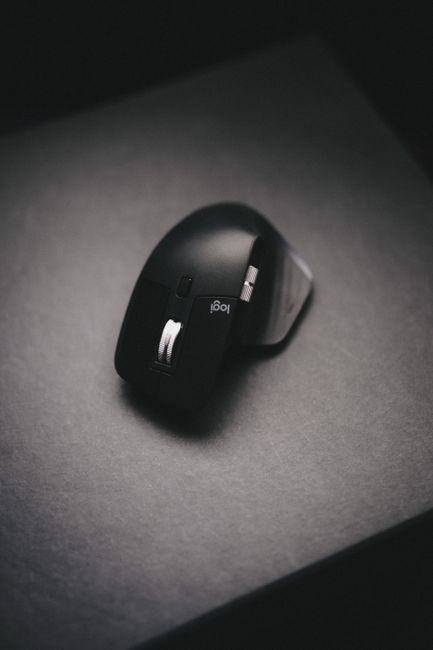
Logitech’s Perpetual Mouse: The End of Disposable Peripherals, Farewell, Magic Mouse.
Logitech is on the cusp of a monumental shift in peripheral design with their rumored "perpetual mouse," a device engineered to drastically extend its lifespan and potentially eliminate the need for frequent replacements. This innovation directly challenges the disposability model that has long plagued consumer electronics, including Apple’s own Magic Mouse, which, despite its premium price point and aesthetic, is notorious for its limited battery life and inherent design limitations that make repairs challenging. The core of Logitech’s endeavor lies in a multi-pronged approach to durability and sustainability, focusing on self-charging capabilities, ultra-resilient materials, and modular components. This isn’t just about a longer-lasting battery; it’s about a fundamental rethinking of how we interact with and maintain our essential input devices, promising a future where "ditch the Magic Mouse" becomes a literal and figurative statement.
The cornerstone of this revolutionary mouse is its purported self-charging technology. While specific details remain under wraps, industry speculation points towards advanced solar charging integrated into the mouse’s surface, potentially supplemented by kinetic energy harvesting. This means that as the mouse is used on a desk, the ambient light, and the subtle movements of the user’s hand would continuously trickle-charge the internal power source. This eliminates the most common pain point of wireless peripherals: the need for regular battery replacements or recharging cycles. For users accustomed to the often-frustrating battery life of devices like the Magic Mouse, which requires frequent charging or replacement of disposable batteries, this self-sustaining power solution represents a paradigm shift. Imagine a mouse that never dies, never needs to be plugged in, and never contributes to the growing mountain of discarded battery waste. This is the promise of Logitech’s perpetual mouse, directly addressing the Achilles’ heel of many wireless mice, including the Magic Mouse, whose charging port placement is a recurring user complaint.
Beyond power, the physical construction of the perpetual mouse is being engineered for extreme durability. Logitech is reportedly exploring the use of advanced, wear-resistant polymers and reinforced internal structures. This would go far beyond the typical plastic casings found in most mice, offering a significant increase in resilience against drops, impacts, and the constant friction of daily use. The buttons themselves are expected to feature significantly higher click ratings than standard mice, meaning they can withstand millions more actuations before showing signs of wear or failure. This focus on robust materials directly contrasts with the perceived fragility of some premium peripherals, and certainly with the often-criticized durability and repairability of Apple’s Magic Mouse, which, while sleek, is not built for the rigors of heavy, long-term use. The goal is to create a mouse that can truly last a lifetime, making the concept of replacing a mouse due to wear and tear a relic of the past.
A key differentiator for Logitech’s perpetual mouse, and a significant factor in its longevity, will be its modular design. This approach allows for individual components to be easily replaced if they do eventually fail, rather than requiring the entire device to be discarded. Imagine a scenario where a worn-out scroll wheel or a malfunctioning sensor can be swapped out with a new module, breathing new life into the mouse. This contrasts sharply with the sealed-unit design of many modern peripherals, including the Magic Mouse, where even minor repairs can be incredibly difficult, if not impossible, for the average user. This modularity not only extends the practical lifespan of the mouse but also drastically reduces electronic waste. Instead of a whole mouse ending up in landfill, only a single, small component would need to be recycled, a much more sustainable and cost-effective solution in the long run. This empowers users to be active participants in the upkeep of their devices, fostering a sense of ownership and reducing reliance on planned obsolescence.
The implications of a truly perpetual mouse are far-reaching, impacting both consumers and the environment. For consumers, it signifies an end to the constant cycle of purchasing replacement mice, saving money over time and reducing the frustration associated with failing peripherals. The upfront cost might be higher, but the lifetime value proposition would be immense. This is particularly appealing for power users, gamers, and professionals who rely heavily on their mice for extended periods. The current market, saturated with devices with finite lifespans, creates an ongoing revenue stream for manufacturers but at the expense of consumer wallets and environmental well-being. Logitech’s move could disrupt this model, forcing competitors, including Apple, to re-evaluate their own product development strategies and embrace more sustainable practices. The Magic Mouse, with its proprietary charging and limited repair options, becomes a prime example of a device that could be significantly improved upon by such a perpetual design philosophy.
From an environmental perspective, the reduction in electronic waste generated by discarded mice would be substantial. Millions of mice are thrown away annually, contributing to landfill burden and the depletion of valuable resources. A mouse that lasts for decades, or even a lifetime, would drastically mitigate this problem. Furthermore, the self-charging aspect would reduce the demand for disposable batteries or the electricity required for frequent recharging, further lessening the environmental footprint. This aligns with a growing global demand for sustainable products and responsible manufacturing. Logitech’s commitment to this "perpetual" concept suggests a deeper understanding of the long-term consequences of consumer electronics, moving beyond short-term sales figures to embrace a more responsible and forward-thinking business model.
The technical challenges in achieving such a feat are considerable, but Logitech has a proven track record of innovation in the peripherals space. The development of efficient and unobtrusive solar charging technology that can power a mouse consistently, even in varied lighting conditions, is a significant engineering hurdle. The creation of durable, yet lightweight, modular components that can be easily assembled and disassembled without compromising structural integrity also requires meticulous design and material science. Furthermore, the development of internal power storage that can handle the demands of wireless communication and sensor operation, while also benefiting from continuous trickle-charging, necessitates cutting-edge battery technology. The company’s deep well of expertise in sensor technology, wireless communication, and ergonomic design positions them well to overcome these challenges. This isn’t just a theoretical concept; it’s a testament to their engineering prowess.
The competitive landscape will undoubtedly react to such a groundbreaking product. If Logitech successfully launches a truly "forever" mouse, it will put immense pressure on competitors, especially those like Apple, whose Magic Mouse has been a consistent seller but also a subject of user criticism regarding its longevity and repairability. The perceived "magic" of the Magic Mouse, with its gesture controls, might be overshadowed by the practical superiority of a mouse that offers unparalleled durability, sustainability, and a truly liberated wireless experience. The absence of a charging cable and the freedom from battery anxiety would be powerful selling points, potentially rendering the Magic Mouse’s aesthetic appeal and gesture functionality secondary to the core functional benefits of Logitech’s innovation.
The transition to a perpetual mouse also necessitates a shift in consumer mindset. For decades, consumers have been conditioned to accept that electronics have a limited lifespan. The idea of a device that could last for a generation might require a psychological adjustment. However, the growing awareness of environmental issues and the increasing cost of replacing consumer goods are likely to make this a welcome change. The marketing of such a product will need to emphasize not just the advanced technology but also the long-term value and the positive environmental impact. The message will be clear: invest in a Logitech perpetual mouse and say goodbye to disposable peripherals, including the Magic Mouse, for good. This is a call to arms for a more sustainable and practical future in computing peripherals.