The Digital Canvas: Artists Revolutionize Sales Through Strategic Online Engagement


The art world, once confined to the hushed reverence of physical galleries and the curated walls of private collections, is undergoing a profound transformation. Fueled by the ubiquitous reach of the internet and the emergence of new digital trends, artists are no longer solely reliant on traditional gatekeepers to connect with their audience. Instead, a strategic embrace of online marketing is empowering them to reach a global clientele, significantly expanding their market and boosting art sales. Understanding and implementing effective digital strategies is no longer an optional add-on for artists; it has become a crucial component of a sustainable and thriving artistic career. This comprehensive guide explores the multifaceted techniques artists can leverage to enhance their online presence, foster deeper engagement with potential buyers, and ultimately drive tangible sales in the burgeoning digital art landscape.
The evolution of art commerce online is not a recent phenomenon, but its acceleration in recent years has been undeniable. While early online art platforms emerged in the late 1990s and early 2000s, the proliferation of social media, the development of sophisticated e-commerce solutions, and a global shift towards digital consumption have created an unprecedented ecosystem for artists. Data from various market reports indicate a consistent upward trend in online art sales, with figures often showing double-digit growth year-over-year. For instance, the Deloitte Art & Finance Report has consistently highlighted the increasing dominance of online channels in art transactions, suggesting that by 2025, a significant portion of the global art market could be conducted digitally. This shift is driven by a confluence of factors: the convenience for buyers, the broader reach for sellers, and the ability to bypass the often-prohibitive costs associated with physical exhibition spaces.
Understanding the Digital Patron: Identifying Your Ideal Collector
At the heart of any successful marketing endeavor, digital or otherwise, lies a deep understanding of the target audience. For artists navigating the online space, this means moving beyond a generalized notion of "art lovers" to identify specific demographics, psychographics, interests, and purchasing behaviors of those who are most likely to appreciate and invest in their work. This foundational step informs every subsequent marketing decision, from the platforms chosen to the messaging employed.
Creating detailed "buyer personas" is an invaluable exercise. These fictional representations of ideal customers should encompass not only demographic markers such as age, location, and income but also delve into their interests, lifestyle, motivations for buying art, and their online habits. Are they seasoned collectors seeking unique investment pieces, or are they emerging enthusiasts looking to adorn their homes with aesthetically pleasing works? Do they respond more to abstract expressionism or hyperrealism? The answers to these questions are often found by meticulously analyzing existing data.
Social media analytics, for instance, provide a wealth of information about who is engaging with an artist’s content. Platforms like Instagram, Facebook, and Pinterest offer insights into follower demographics, engagement rates, and the types of posts that resonate most effectively. Similarly, website analytics, powered by tools like Google Analytics, can reveal visitor origins, their browsing patterns, the pages they frequent, and how long they stay. By aggregating and interpreting this data, artists can gain a nuanced understanding of their digital audience, allowing them to tailor their online presence and marketing efforts for maximum impact. This data-driven approach ensures that resources are not wasted on broad, unfocused campaigns but are instead directed towards reaching the most receptive and likely buyers.
The Digital Showroom: Building a Compelling Artist Website
In the digital realm, an artist’s website serves as their primary showroom, their digital studio, and their central hub for commerce. A professional, user-friendly, and visually appealing website is paramount for any artist aiming to translate online engagement into concrete art sales. It must effectively showcase a curated portfolio, provide comprehensive information about the artist and their work, and, crucially, facilitate a seamless and secure purchasing process.
Essential elements of a high-performing artist website include:
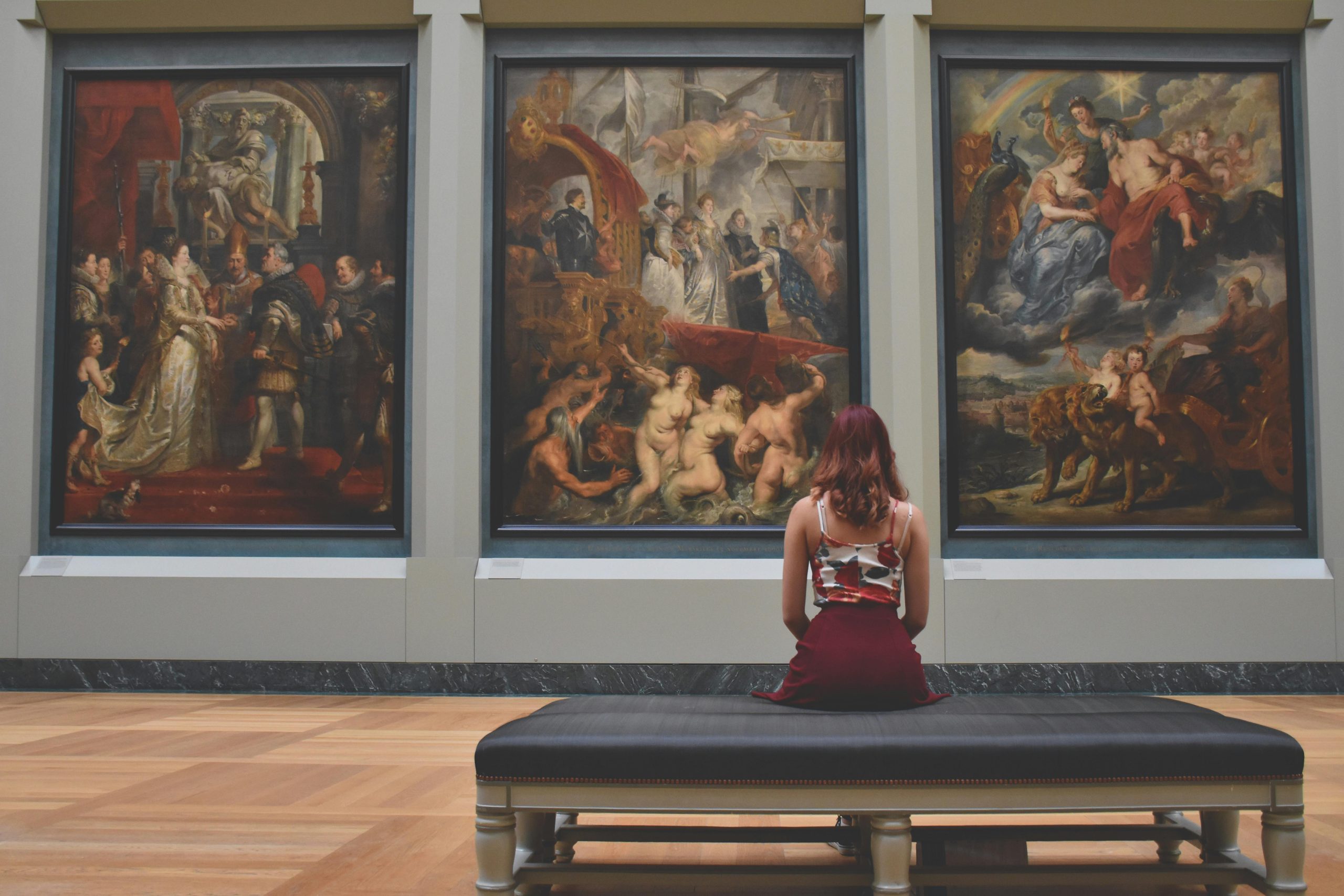
- High-Quality Portfolio Presentation: This is the cornerstone. Images of artwork should be of the highest resolution, accurately representing colors, textures, and scale. Multiple angles, detail shots, and even "in-situ" images (showing the artwork in a home or gallery setting) can help potential buyers visualize the piece in their own space.
- Artist Statement and Biography: Beyond showcasing the art, potential buyers often seek to connect with the artist behind the work. A well-written artist statement should articulate the themes, inspirations, and techniques employed, while a biography should provide a professional overview of the artist’s journey, exhibitions, and achievements.
- Clear Pricing and Availability: Transparency is key. Artwork should be clearly priced, with options for different sizes or variations if applicable. Indicating whether a piece is available, sold, or available for commission builds trust and manages buyer expectations.
- Easy Navigation and User Experience (UX): The website should be intuitive and easy to navigate, allowing visitors to quickly find what they are looking for. A clean design, logical categorization of artworks, and a mobile-responsive layout are essential for retaining visitor interest.
- Secure E-commerce Integration: For direct sales, a secure and reliable e-commerce platform is non-negotiable. This typically involves secure payment gateways, clear shipping policies, and a straightforward checkout process. Offering various payment options can further enhance convenience.
- Contact Information and Call to Actions (CTAs): Make it easy for interested parties to get in touch. Prominent contact forms, email addresses, and clear calls to action, such as "Inquire About This Piece" or "Add to Cart," guide visitors towards desired outcomes.
- Blog or News Section: Regularly updated content, such as behind-the-scenes glimpses of the creative process, exhibition news, or reflections on artistic themes, can significantly enhance engagement and provide valuable content for SEO.
The development of such a website represents an investment, but one that yields significant returns by establishing credibility, providing a controlled brand environment, and directly enabling sales without intermediary fees.
The Power of Pixels and People: Harnessing Social Media for Artistic Reach
Social media platforms have emerged as indispensable tools for contemporary artists, offering unparalleled opportunities to showcase their creations, cultivate a dedicated following, and directly promote sales. These dynamic digital spaces allow for visual storytelling, direct interaction with art enthusiasts, and the creation of a vibrant online community that can translate into loyal patronage.
To effectively leverage social media for art sales, artists should consider a multi-pronged approach:
- Visual Storytelling: Platforms like Instagram and Pinterest are inherently visual. Artists should focus on posting high-quality images and videos of their artwork, studio process, and inspirations. Beyond static images, short videos showcasing the texture, scale, or creation process can be highly engaging.
- Consistent Posting Schedule: Regularity is key to maintaining audience engagement and algorithm visibility. Developing a content calendar that balances promotional posts with behind-the-scenes glimpses and personal insights can keep followers invested.
- Engage and Interact: Social media is a two-way street. Artists should actively respond to comments and messages, participate in relevant conversations, and engage with other artists and art-related accounts. This fosters a sense of community and humanizes the artist’s brand.
- Utilize Platform Features: Instagram Stories and Reels, Facebook Live sessions, and Pinterest Idea Pins offer dynamic ways to connect with audiences. These features can be used for studio tours, Q&A sessions, unveiling new works, or even live painting demonstrations.
- Strategic Hashtag Usage: Employing relevant and popular hashtags can significantly increase the discoverability of an artist’s work. This includes broader art-related hashtags (#art, #contemporaryart, #artistsoninstagram) as well as more niche tags related to style, medium, or subject matter.
- Run Targeted Ad Campaigns: For artists seeking to reach a wider audience beyond their existing followers, paid social media advertising can be highly effective. Platforms allow for precise targeting based on demographics, interests, and online behaviors, ensuring that ad spend is directed towards potential buyers.
- Collaborate with Influencers and Other Artists: Cross-promotion through collaborations can introduce an artist’s work to new audiences. Partnering with art influencers or fellow artists for joint projects or social media takeovers can expand reach and credibility.
The data consistently shows that social media engagement correlates with increased brand awareness and, consequently, sales. A study by Sprout Social indicated that over 50% of consumers are more likely to purchase from brands they follow on social media, a principle that directly applies to the art world.
Direct Communication Channels: The Enduring Power of Email Marketing
Despite the rise of social media, email marketing remains one of the most effective and direct ways for artists to communicate with their audience and nurture potential buyers. Building a curated mailing list allows for personalized communication, sharing updates, exclusive offers, and new artwork directly with individuals who have expressed a genuine interest. This direct line of communication bypasses the often-unpredictable algorithms of social media platforms and offers a more intimate connection.
Leveraging email marketing effectively for artists involves several key strategies:
- Building a Quality Mailing List: The emphasis should be on quality over quantity. Encourage website visitors, social media followers, and gallery patrons to subscribe. Offer incentives, such as early access to new collections, exclusive discounts, or a free digital download, to encourage sign-ups.
- Segmentation: As the mailing list grows, segmenting subscribers based on their interests, past purchases, or engagement levels can lead to more targeted and effective campaigns. For example, a collector who has previously purchased large-scale abstract works might receive different communications than someone who has inquired about smaller botanical prints.
- Personalized Content: Generic email blasts are less effective. Addressing subscribers by name and tailoring the content to their perceived interests makes the communication feel more personal and valuable.
- Regular, Value-Driven Newsletters: Consistently send out newsletters that provide value beyond just sales pitches. This can include studio updates, insights into the artistic process, exhibition announcements, interviews, or curated content related to art and culture.
- Exclusive Offers and Early Access: Reward subscribers with exclusive discounts, early access to new artwork releases, or invitations to private online events. This fosters loyalty and encourages prompt purchasing decisions.
- Clear Calls to Action: Each email should have a clear and compelling call to action, guiding the recipient towards the desired outcome, whether it’s visiting a new collection on the website, RSVPing to an event, or making a purchase.
- Automated Email Sequences: Set up automated email sequences for new subscribers, welcoming them to the community and introducing them to the artist’s work. These can also be used to follow up on abandoned carts or to thank customers after a purchase.
The direct marketing association (DMA) has reported that email marketing consistently delivers one of the highest ROIs of any digital marketing channel, often cited as returning $36 for every $1 spent. This statistic underscores the enduring value of email as a tool for artists seeking to cultivate relationships and drive sales.
Enhancing Discoverability: SEO and Content Marketing for Artists
For an artist’s online presence to be effective, their website and content must be discoverable by potential buyers searching for art online. This is where Search Engine Optimization (SEO) and content marketing become crucial. SEO is the practice of optimizing digital content to rank higher in search engine results pages (SERPs), thereby driving organic, unpaid traffic to an artist’s website. Content marketing involves creating and distributing valuable, relevant, and consistent content to attract and retain a clearly defined audience.
Strategies to improve an artist’s SEO and content marketing efforts include:
- Keyword Research: Identify the terms and phrases potential buyers are using to search for art similar to yours. Tools like Google Keyword Planner can help uncover these valuable keywords.
- On-Page Optimization: Integrate these keywords naturally into website content, including page titles, meta descriptions, image alt text, and body text. This helps search engines understand the relevance of your content.
- High-Quality, Relevant Content Creation: Develop a blog or resources section on your website that offers valuable insights related to your art. This could include articles on your artistic process, the history of your chosen medium, interpretations of your themes, or guides to collecting art. This content not only attracts search engines but also positions you as an authority and engages potential buyers.
- Image Optimization: Since art is visual, optimizing images is paramount. Use descriptive file names and alt text for all images on your website, incorporating relevant keywords. This improves accessibility and helps search engines index your visual content.
- Building Backlinks: Earn links from other reputable websites to yours. This can be achieved through guest blogging on art-related sites, participating in online interviews, or having your work featured on art news platforms. Backlinks signal to search engines that your website is a trusted and valuable resource.
- Mobile Responsiveness: With a significant portion of internet traffic coming from mobile devices, ensuring your website is fully responsive and provides an excellent user experience on all screen sizes is critical for both SEO and user satisfaction.
- Local SEO (if applicable): If an artist participates in local exhibitions or has a studio in a specific geographic area, optimizing for local search terms (e.g., "abstract art [city name]") can attract nearby collectors.
By implementing these SEO and content marketing strategies, artists can significantly increase their online visibility, attract a steady stream of qualified leads, and ultimately drive more traffic to their websites, where sales can be made.
Expanding Horizons: Leveraging Online Art Marketplaces
While building a robust personal website is essential, artists can also strategically leverage established online art marketplaces to broaden their reach and tap into pre-existing customer bases. Platforms like Etsy, Saatchi Art, Artfinder, and Artsy provide artists with a ready-made infrastructure to showcase and sell their work, often without the need for extensive website development or marketing expertise. These marketplaces are designed to connect buyers with art, and many have sophisticated marketing tools and a loyal customer base actively seeking to discover and purchase new pieces.
When considering online marketplaces, artists should:
- Research Platform Fit: Different marketplaces cater to different styles and price points. It’s crucial to research which platforms align best with an artist’s genre, aesthetic, and target audience. For example, Etsy might be ideal for emerging artists selling prints and smaller original works, while Saatchi Art or Artsy might be more suited for established artists selling higher-value original paintings and sculptures.
- Create Professional Listings: High-quality images, detailed descriptions, and accurate pricing are vital for marketplace listings. Artists should treat each listing as a mini-advertisement, highlighting the unique appeal of each artwork.
- Understand Fees and Commission Structures: Marketplaces typically charge commission fees on sales, and it’s important to factor these into pricing strategies. Understanding the full cost of selling through a platform is crucial for profitability.
- Utilize Platform Marketing Tools: Many marketplaces offer built-in promotional tools, such as featured listings, curated collections, or participation in seasonal sales events. Artists should actively explore and utilize these opportunities.
- Maintain Brand Consistency: While selling on a marketplace, it’s important to maintain brand consistency with an artist’s personal website and social media presence. This reinforces brand identity and helps build a cohesive customer experience.
Data from online art market reports consistently show that these platforms play a significant role in the overall online art sales landscape, providing a vital entry point for many artists and a valuable supplementary sales channel for others.

The Human Connection: Networking and Building Community Online
Beyond the transactional aspects of selling art, building a strong community around an artist’s work can profoundly enhance visibility, foster loyalty, and ultimately drive sales. In the digital age, this community building extends beyond local connections and can encompass a global network of collectors, fellow artists, curators, and art enthusiasts.
Strategies for networking and building community online include:
- Active Participation in Online Art Forums and Groups: Engaging in relevant online discussions on platforms like Reddit, Facebook Groups, or dedicated art forums allows artists to share insights, offer support to others, and gain exposure to new audiences.
- Collaborative Projects: Partnering with other artists on joint exhibitions, online challenges, or collaborative artworks can cross-pollinate audiences and create exciting new content.
- Virtual Studio Visits and Q&A Sessions: Hosting live virtual studio tours or Q&A sessions via platforms like Instagram Live or Zoom allows followers to connect with the artist on a more personal level, fostering a sense of intimacy and transparency.
- Supporting Other Artists: Actively promoting and engaging with the work of fellow artists is a cornerstone of community building. This reciprocity often leads to mutual support and expanded networks.
- Engaging with Art Critics and Curators Online: While direct outreach can be challenging, actively engaging with online content from art critics and curators, and participating in relevant discussions, can increase an artist’s visibility within industry circles.
- Creating Exclusive Online Communities: For artists with a dedicated following, consider creating private online communities (e.g., on Discord or a private Facebook group) where loyal patrons can receive exclusive content, early access, and direct interaction with the artist.
The concept of "community-driven sales" is gaining traction. When individuals feel a personal connection to an artist and their work, they are more likely to become repeat buyers and enthusiastic advocates, spreading the word organically.
The Continuous Cycle: Analyzing and Adjusting Digital Strategies
The digital landscape is constantly evolving, and so too must an artist’s marketing strategies. Continuous analysis and adaptation are crucial for sustained success. What works today may not be as effective tomorrow, and staying ahead requires a proactive approach to understanding performance metrics.
Artists should regularly utilize analytical tools to assess the effectiveness of their digital marketing efforts:
- Website Analytics (Google Analytics): Track website traffic sources, user behavior, bounce rates, conversion rates, and the performance of specific landing pages. This data reveals what is driving visitors to the site and what might be causing them to leave.
- Social Media Insights: Most social media platforms provide built-in analytics that offer insights into follower growth, engagement rates, reach, impressions, and the performance of individual posts.
- Email Marketing Metrics: Monitor open rates, click-through rates, unsubscribe rates, and conversion rates for email campaigns. This data helps refine subject lines, content, and calls to action.
- Sales Data: Directly track which marketing channels are leading to actual sales. Correlating online engagement with purchases provides the most direct measure of ROI.
By diligently analyzing this data, artists can identify which strategies are yielding the best results and which areas require refinement or a complete overhaul. This iterative process of analyzing, adjusting, and optimizing is fundamental to long-term success in the digital art market. It allows artists to allocate their time and resources effectively, ensuring that their online presence is not just active, but actively contributing to their artistic and financial goals. The digital canvas is vast, and with the right strategies, artists can paint a truly global masterpiece of sales and recognition.