The Future of Digital Engagement: Top Marketing Trends Shaping the E-Commerce Landscape

The global marketing ecosystem, running parallel to the rapid expansion of the e-commerce industry, continues to undergo a profound structural evolution. Every fiscal year introduces novel strategic shifts, heavily inspired by the calculated moves of dominant multinational brands and innovative promotional agencies seeking to capture shifting consumer attention spans. Over the past several years, this transformation has been overwhelmingly dictated by communication methods and product promotion models rooted deeply in social interaction, peer-to-peer validation, and short-form video consumption.
Corporate expenditure on marketing, particularly within digital infrastructure, has escalated significantly. Organizations across diverse sectors are allocating unprecedented capital and labor hours into both organic visibility and paid acquisition frameworks. This financial commitment is not arbitrary; it represents a direct corporate response to the shifting purchasing patterns of modern target demographics. Modern consumers demand precise engagement, expecting brands to reach them at the exact psychological moment of need via their preferred digital channels. Understanding these shifts is vital for maintaining competitive advantage in an increasingly saturated marketplace.
The Evolution of Digital Strategy and Economic Pressures
The trajectory of modern marketing is deeply intertwined with technological leaps and changing socio-economic realities. Historically, digital marketing relied heavily on broad demographic targeting, keyword stuffing, and static display advertising. However, the maturation of the internet user base, coupled with stringent privacy regulations and cookie deprecation, has forced a paradigm shift. Brands can no longer rely on intrusive, generalized outreach without facing severe consumer backlash and diminishing returns on ad spend (ROAS).
Industry analysts note that digital ad spending worldwide surpassed $600 billion recently, signaling a permanent migration of commercial budgets from traditional mediums to internet-based ecosystems. Within this massive financial reallocation, chief marketing officers (CMOs) face intense pressure to prove ROI. Consequently, strategies for the upcoming period are pivoting away from sheer volume toward hyper-targeted, ethically sound, and technologically integrated methodologies. The integration of advanced computational tools, shifting environmental expectations, and new human-computer interaction models are defining the modern commercial playbook.
1. The Rise of Responsible Artificial Intelligence
Artificial intelligence has transitioned from a speculative technological novelty to the foundational infrastructure of modern marketing automation. However, the sheer scale of AI deployment has triggered regulatory scrutiny and consumer skepticism regarding data privacy, algorithmic bias, and transparency. This environment has catalyzed the emergence of "Responsible Artificial Intelligence" as a paramount industry standard.
Responsible AI refers to the ethical, transparent, and socially accountable deployment of machine learning algorithms and generative models within commercial operations. Rather than utilizing AI purely for aggressive scaling and cost-cutting, leading brands are adopting frameworks centered on data minimization, bias mitigation, and clear disclosure when consumers are interacting with synthetic entities.
According to recent enterprise technology surveys, over 70% of consumers express concern over how corporate algorithms utilize their personal data. In response, forward-thinking enterprises are implementing governance boards to oversee AI deployment, ensuring that predictive models do not perpetuate discriminatory targeting or spread misinformation. The implication for marketers is clear: while AI remains indispensable for data analysis and content generation, its implementation must be bound by strict ethical parameters to maintain brand equity and consumer trust.
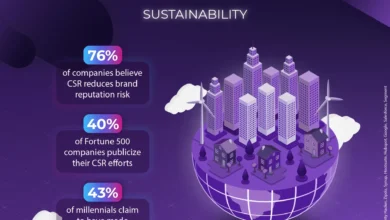
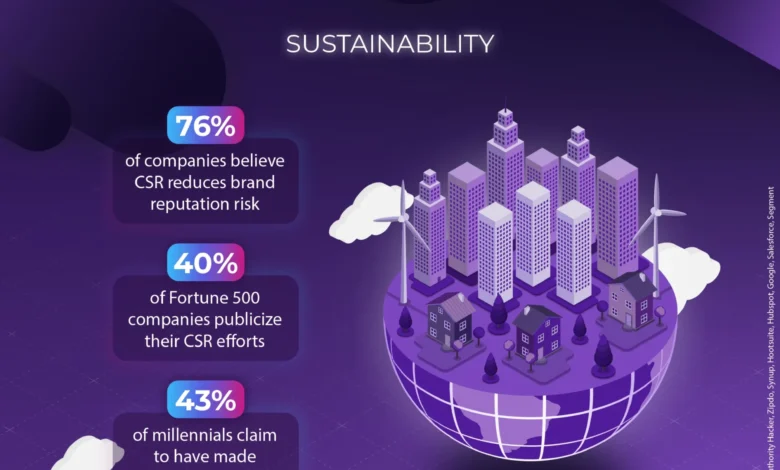
2. Mainstreaming Sustainability in Digital Campaigns
Environmental consciousness has evolved from a niche corporate social responsibility (CSR) initiative into a core driver of consumer decision-making. In the context of contemporary digital marketing, integrating sustainability authentically across all brand touchpoints is no longer optional; it is a critical survival mechanism, particularly for direct-to-consumer (DTC) e-commerce brands.
Modern consumers—particularly Millennials and Generation Z—actively scrutinize the ecological footprints of the brands they patronize. Market research indicates that upwards of 60% of global shoppers prefer purchasing from environmentally responsible companies, even if it requires paying a premium. To capture this demographic, marketing strategies must weave sustainability into every facet of the digital journey.

Communicating Sustainable Products and Services
Brands are utilizing omnichannel digital networks—including targeted social media campaigns, corporate web blogs, and high-production-value video assets—to spotlight eco-friendly product lifecycles. Rather than making vague "green" claims, successful campaigns provide granular details regarding material sourcing, carbon offsets, and biodegradable packaging, satisfying an increasingly skeptical consumer base.
Engagement and Awareness via Social Platforms
Social media serves as the primary battleground for environmental education and community building. Organizations are leveraging platforms like Instagram, LinkedIn, and YouTube to publish educational content regarding climate action. Furthermore, strategic collaborations with specialized eco-influencers have replaced traditional celebrity endorsements. These creators, possessing highly engaged niche audiences, lend authentic credibility to sustainable product lines, bridging the gap between brand messaging and consumer trust.
Technological Traceability and Transparency
To combat greenwashing accusations, brands are increasingly adopting advanced technologies such as blockchain to provide immutable proof of their supply chain claims. By scanning a simple QR code on a product packaging or digital storefront, consumers can track an item’s journey from raw material extraction to final delivery. Additionally, mobile applications provide real-time metrics on the carbon footprint associated with specific purchasing decisions, empowering consumers to make informed choices.
Personalization and Green Loyalty Programs
Data analytics enable brands to identify eco-conscious buyers and tailor recommendations accordingly. Forward-thinking companies are introducing green loyalty programs that reward customers not just for spending money, but for engaging in sustainable behaviors—such as returning packaging for recycling, opting for consolidated shipping, or participating in corporate clean-up initiatives.
3. Conversational and Voice Search Optimization
The ways in which consumers query search engines have undergone a fundamental behavioral shift. The traditional habit of typing fragmented keywords into a search bar (e.g., "best running shoes waterproof") is rapidly being eclipsed by natural, conversational language driven by voice assistants and smart devices.

This shift toward conversational search requires a complete overhaul of traditional search engine optimization (SEO) and content marketing strategies. Users interacting with smart speakers, mobile assistants, and in-car navigation systems speak in complete, complex sentences and frame their queries as direct questions (e.g., "What are the best waterproof running shoes for muddy trails?").
Consequently, marketers must pivot toward semantic search optimization. This involves structuring content to directly answer specific consumer questions, utilizing long-tail keywords, and structuring website data with advanced schema markup to help AI algorithms easily parse and index information. Furthermore, as generative AI search engines begin synthesizing web results into conversational summaries, brands that fail to optimize for direct, informative dialogue risk becoming invisible in digital discovery phases.
4. The Dominance of Short-Form and Immersive Content
The human attention span in the digital age has contracted significantly, forcing content creators and media buyers to rethink visual storytelling. Two distinct, parallel video trends currently dominate the digital landscape: hyper-concise social media snippets and deep, interactive spatial experiences.
Short-Form Social Video
Platforms such as TikTok, Instagram Reels, and YouTube Shorts have conditioned global audiences to consume narrative content within seconds. For brands, this means that traditional, slow-building promotional videos are largely ineffective. Marketers must capture viewer attention within the critical first three seconds of playback. Successful campaigns rely heavily on raw authenticity, fast-paced editing, humor, and narrative hooks rather than overtly polished, high-budget corporate commercials. These short clips have proven exceptionally effective for top-of-funnel brand awareness, flash sales announcements, and user-generated content aggregation.
Immersive and Interactive Media
Conversely, consumers simultaneously crave deeper, more tangible interactions with digital products. This has fueled the rise of immersive technologies, including 360-degree video, augmented reality (AR), and virtual reality (VR). E-commerce retailers, particularly in fashion, cosmetics, and home furnishings, are integrating AR tools directly into their mobile apps and websites. These features allow shoppers to virtually try on apparel, test makeup shades on their skin via smartphone cameras, or project 3D furniture models into their actual living rooms before completing a purchase. Industry data shows that product pages featuring interactive AR elements experience significantly lower return rates and higher conversion velocities.

5. Hyper-Personalization of Content and Predictive Analytics
Generic mass email blasts and broad demographic segmentation are rapidly becoming relics of the past. The pinnacle of modern digital marketing is hyper-personalization—a strategy dedicated to delivering highly customized offers, dynamic web experiences, and tailored messaging that adapts in real-time to the individual behavior of each unique user.
This granular level of customization is powered by sophisticated artificial intelligence and machine learning models capable of ingesting and analyzing massive datasets in milliseconds. These systems evaluate past purchase history, real-time browsing behavior, geographic location, time of day, and even device type to predict consumer intent.
When applied correctly, hyper-personalization transforms the digital storefront into a bespoke experience for every visitor. For example, streaming services and e-commerce giants utilize predictive algorithms to adjust homepage layouts, recommend complementary add-ons, and trigger automated lifecycle communications precisely when a customer is most likely to churn or repurchase.
Broader Economic and Industrial Implications
The convergence of these five major marketing trends—responsible AI, sustainability integration, conversational search adaptation, short-form and immersive video, and hyper-personalization—highlights a broader commercial maturation. The wild-west era of unchecked data harvesting and intrusive digital advertising is officially giving way to a more sophisticated, technologically advanced, and consumer-centric paradigm.
For enterprise leadership, these developments necessitate continuous organizational upskilling. Marketing teams are no longer comprised solely of creative copywriters and media buyers; they now require data scientists, AI ethicists, UX specialists, and sustainability compliance officers. The financial barrier to entry for effective digital marketing continues to rise, favoring companies that can successfully balance technological automation with genuine human empathy and ethical responsibility.

Ultimately, brands that navigate this complex transition successfully will not only secure higher conversion rates and stronger customer lifetime value (CLV), but they will also build resilient brand reputations capable of weathering future economic and technological disruptions. As consumer expectations continue to accelerate, the mandate for modern marketing is clear: adapt intelligently, operate transparently, and engage authentically.