Unlocking Global E-Commerce: How Spring GDS is Redefining Cross-Border Logistics and Sustainable Shipping

In the contemporary digital economy, the rapid expansion of global e-commerce has fundamentally transformed consumer expectations, shifting the paradigm from regional convenience to borderless availability. At the heart of this commercial evolution lies logistics, the invisible operational backbone that ensures digital transactions translate into physical deliveries. Without a resilient, adaptable, and efficient logistics network, the modern e-commerce ecosystem simply could not function. Consequently, identifying and integrating the right e-logistics partner has become a critical strategic priority for merchants seeking sustainable growth. Among the prominent players navigating this complex global landscape is Spring GDS, a specialized international logistics provider that has carved out a distinct niche in cross-border e-commerce solutions.
Backed by the substantial institutional strength and operational pedigree of PostNL—the Dutch mail and parcel corporation publicly listed on Euronext Amsterdam—Spring GDS bridges the gap between local market agility and global reach. As supply chain complexities mount in the face of shifting trade regulations, fluctuating fuel costs, and heightened consumer demands for speed and transparency, understanding the structural capabilities, technological integrations, and sustainability initiatives of major logistics providers offers valuable insight into the trajectory of global retail.
Institutional Roots and Market Standing
The operational foundation of Spring GDS is deeply anchored in the heritage and stability of its parent company, PostNL. Recognized consistently by the Universal Postal Union (UPU) as one of the top ten postal companies globally, PostNL brings decades of postal and parcel management experience to its international subsidiary. This corporate backing provides Spring GDS with a level of financial stability, infrastructure depth, and regulatory expertise that few standalone logistics startups can replicate.
Furthermore, PostNL’s prominent standing on the Dow Jones Sustainability Index (DJSI) underscores a long-standing corporate commitment to environmental responsibility, a philosophy that has been systematically transmitted to Spring GDS. In an industry historically scrutinized for its carbon footprint, this institutional alignment allows Spring GDS to leverage enterprise-grade resources while maintaining the specialized focus required by fast-paced e-commerce merchants. This dual identity—combining the reliability of a national postal incumbent with the entrepreneurial agility of an international logistics specialist—positions the company uniquely within the competitive global shipping sector.
Global Infrastructure and Local Execution
Operating across international borders presents multifaceted challenges, including navigating diverse customs regulations, managing disparate last-mile delivery networks, and addressing unique consumer preferences in destination markets. Spring GDS addresses these hurdles through a robust operational architecture defined by a vast partner network and strategically positioned facilities.
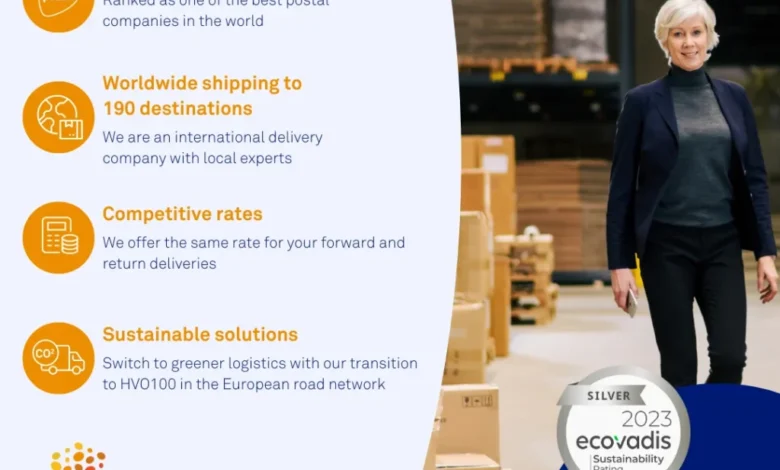
The company collaborates with more than 230 international logistics partners, creating an expansive web of connectivity that grants e-commerce merchants access to 190 destinations worldwide. This extensive partner ecosystem enables seamless handoffs and reliable service delivery, even in regions with complex or less-developed local infrastructures. To support this global reach, Spring GDS operates 18 dedicated operational centers distributed across three continents. These facilities serve as critical nodes in the supply chain, facilitating efficient sorting, consolidation, and cross-docking operations designed to minimize transit times and reduce operational bottlenecks.
By maintaining a physical presence across multiple continents, Spring GDS achieves a balance between a global vision and local expertise. This dual capability ensures that merchants can scale their international operations without sacrificing the localized service quality required to meet regional consumer expectations, such as localized tracking, flexible delivery windows, and familiar return processes.
The Sustainability Imperative in Modern Logistics
As regulatory frameworks tighten and consumer consciousness regarding environmental impact reaches unprecedented heights, sustainability has evolved from a corporate public relations initiative into a core business imperative. Spring GDS has embedded ecological responsibility into its organizational DNA, actively pursuing strategies to decouple business growth from environmental degradation.
A cornerstone of the company’s environmental strategy is the implementation of circular material flows across its operational network. By collaborating closely with international partners, Spring GDS actively replaces single-use transit items—such as traditional carton pallet boxes and wooden pallets—with durable, reusable circular alternatives. This systematic reduction in packaging waste not only minimizes environmental impact but also optimizes resource utilization across the supply chain.
Simultaneously, the organization is heavily investing in emission-reduction technologies and operational efficiencies to achieve net-zero carbon emissions by 2040. This ambitious timeline aligns directly with the emissions reduction trajectory established by the 2015 Paris Climate Agreement, which aims to limit global temperature increases to 1.5 degrees Celsius above pre-industrial levels. By proactively transitioning toward greener transport fleets, optimizing route planning algorithms, and utilizing energy-efficient facilities, Spring GDS is positioning itself at the forefront of the green logistics movement.
External validation of these efforts came in 2023, when Spring GDS was awarded a silver medal by EcoVadis, a globally recognized sustainability assessment platform. EcoVadis evaluates participating corporations across four key pillars: environment, labor and human rights, ethics, and sustainable procurement. Achieving a silver rating places Spring GDS among the top-performing companies evaluated by the platform, offering stakeholders objective assurance of the company’s ongoing dedication to responsible corporate citizenship and continuous improvement in sustainability practices.
Technological Integration and Digital Management
In the digital-first era of e-commerce, physical transportation is only half the equation; the digital infrastructure governing data flow, tracking visibility, and inventory management is equally critical. To address the complexities of multi-market shipping, Spring GDS has developed an advanced, proprietary IT platform known as XBS (Cross Border Shipping).
The XBS platform is engineered to streamline and simplify the end-to-end management of international shipments, offering online retailers a centralized interface to control their global logistics operations. Key functionalities of the platform include automated label generation, real-time tracking visibility, customs documentation management, and data analytics tools that help merchants identify shipping inefficiencies and cost-saving opportunities.
By integrating seamlessly with major e-commerce platforms and enterprise resource planning (ERP) systems through robust application programming interfaces (APIs), the XBS platform minimizes manual data entry and reduces the likelihood of shipping errors. This high degree of digital integration enables merchants to scale their international sales channels rapidly, providing end-consumers with the transparent, predictable delivery experiences they demand while giving business operators granular control over their supply chain performance.
Industry Implications and Strategic Analysis
The maturation of cross-border e-commerce has elevated logistics from a back-office utility to a decisive competitive differentiator. As online merchants look beyond domestic markets to sustain growth, the demand for sophisticated, reliable, and sustainable shipping partners is projected to accelerate. Companies like Spring GDS illustrate how traditional postal operators can successfully reinvent themselves for the digital age by merging legacy infrastructure with agile technology and rigorous environmental standards.
The strategic implications of this shift are twofold. First, merchants partnering with established global providers gain a distinct advantage in navigating complex international trade environments, mitigating the risks of regulatory non-compliance, customs delays, and delivery failures. Second, as corporate sustainability mandates cascade down the supply chain, partnering with logistics providers that possess verified environmental credentials—such as EcoVadis certification—enables e-commerce brands to authentically market their green credentials to increasingly eco-conscious consumers.
Ultimately, the future of global retail will be defined by the seamless fusion of digital innovation and physical operational excellence. Providers that can successfully balance expansive geographic reach, technological adaptability, and aggressive carbon-reduction strategies will not only shape the future of their own industry but will also enable the next wave of global commerce expansion for businesses of all sizes.