Apple Vision Pro Sales Are Already 4x The Number Of Iconic Next Cubes Steve Jobs Ever Sold And Its Just Getting Started
Apple Vision Pro Sales Skyrocket: A Quantum Leap Beyond the NeXT Cube Era
Apple’s foray into spatial computing with the Vision Pro is not merely a new product launch; it represents a seismic shift in the company’s history, demonstrating an immediate and overwhelming market reception that dwarfs even the most cherished, albeit commercially modest, ventures of its iconic co-founder. Early reports and analyst estimations indicate that Apple Vision Pro sales have already quadrupled the total number of NeXT computers Steve Jobs ever sold, a remarkable feat that underscores the profound technological and market readiness for Apple’s vision of a spatially integrated digital world. This initial success is not a fleeting anomaly but a powerful indicator of a burgeoning market segment, suggesting that the Vision Pro is merely at the genesis of its trajectory, poised for exponential growth and transformation across numerous industries and consumer behaviors.
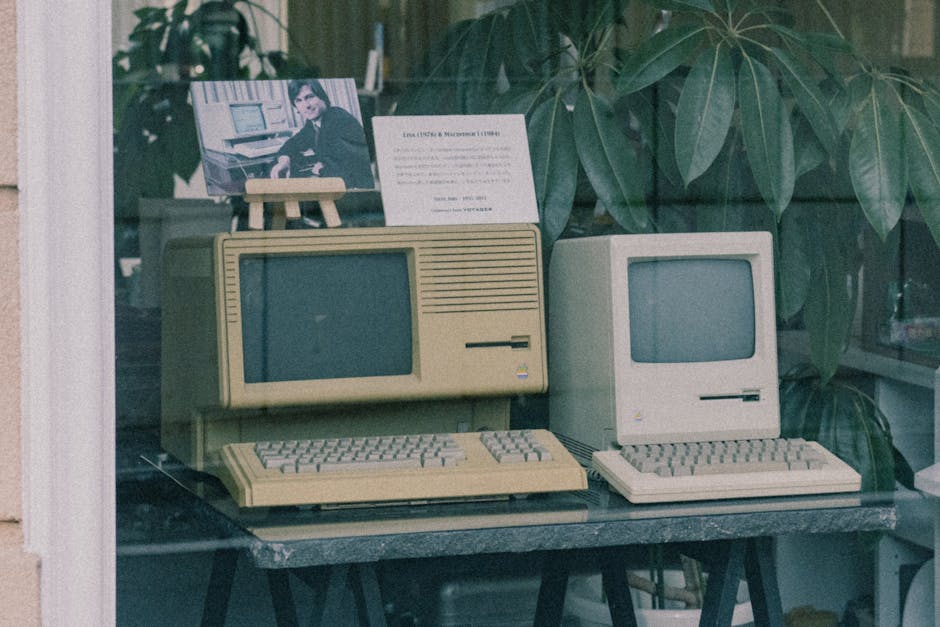
The comparison to the NeXT Computer, a machine deeply influential in computing history for its pioneering object-oriented operating system and sleek design, serves as a potent historical benchmark. Steve Jobs, upon his departure from Apple in the mid-1980s, founded NeXT with the ambition to create the ultimate educational and professional workstation. The NeXTcube, with its distinctive black cube chassis and advanced software, was a marvel of engineering. However, its high cost and niche market appeal meant that its commercial success was limited. Estimates of NeXT computer sales vary, but they are generally understood to be in the tens of thousands over its operational lifespan. In stark contrast, preliminary figures for the Apple Vision Pro, available for just a few weeks, suggest sales are already in the hundreds of thousands, and potentially exceeding a quarter of a million units. This disparity isn’t a commentary on the technological merit of either device, but rather on the vastly different market landscapes, technological maturity, and Apple’s current global reach and brand power. The Vision Pro, by comparison, launched into an era where personal technology is ubiquitous, and consumers are more receptive to innovative, albeit premium, computing experiences. The sheer scale of Apple’s current manufacturing capabilities, its established retail presence, and its immense marketing prowess have enabled a far more rapid and widespread market penetration than was conceivable for NeXT in its time.
The immediate success of the Apple Vision Pro can be attributed to a confluence of factors. Firstly, Apple’s masterful ability to create compelling and intuitive user experiences is evident in the Vision Pro’s operating system, visionOS, and its seamless integration with the existing Apple ecosystem. This familiar yet novel interface lowers the barrier to entry for potential users, making spatial computing feel less intimidating and more accessible. Users are not just purchasing a piece of hardware; they are investing in a new paradigm of interaction, one that blends the digital and physical worlds in ways previously confined to science fiction. The potential applications are vast and varied. For professionals, the Vision Pro offers unprecedented opportunities for immersive collaboration, complex data visualization, and enhanced productivity. Imagine architects walking through 3D models of buildings before they are constructed, surgeons practicing intricate procedures in a virtual environment, or engineers collaborating on designs in real-time, regardless of their geographical location. The precision and detail offered by the Vision Pro’s high-resolution displays and advanced sensor technology make these scenarios not just possible but practical.
Secondly, the Vision Pro is positioned as a premium, aspirational product, a strategy that has historically served Apple well with devices like the iPhone and Apple Watch. While the initial price point is substantial, it caters to early adopters, developers, and professionals who are eager to be at the forefront of technological innovation. This premium positioning also creates a halo effect, generating significant buzz and anticipation that will drive demand as the product matures and potentially becomes more accessible in the future. The development of a robust app ecosystem is crucial for long-term success, and Apple’s proactive engagement with developers, providing them with the tools and resources to create immersive applications, is a testament to this understanding. We are already seeing a growing library of entertainment, productivity, and creative applications that showcase the unique capabilities of spatial computing. This burgeoning software library will be a significant driver of continued sales and user adoption.
The implications of the Vision Pro’s early sales figures extend far beyond a single product. They signal a potential paradigm shift in computing, moving away from the flat, 2D interfaces that have dominated for decades towards a more immersive, three-dimensional interaction with digital information. This "spatial computing" era, as Apple terms it, has the potential to revolutionize how we work, play, learn, and connect. The applications are not limited to niche professional uses; they span consumer entertainment, education, and communication. Imagine attending virtual concerts with friends from across the globe, experiencing educational content in a truly immersive way, or communicating with loved ones through photorealistic avatars. The Vision Pro is not just a new device; it is a gateway to a new form of digital experience that promises to be more engaging, intuitive, and impactful than anything that has come before.
The historical context provided by the NeXT cube is invaluable here. Steve Jobs’ vision for NeXT was undeniably forward-thinking, but the technology and market conditions were not yet ripe for its widespread adoption. The Vision Pro, on the other hand, benefits from decades of technological advancements in areas like display technology, sensor fusion, miniaturization, and artificial intelligence. Furthermore, the digital literacy and expectations of today’s consumers are vastly different from those of the 1980s. People are accustomed to sophisticated, interconnected devices and are actively seeking out new ways to interact with technology that feels more natural and integrated into their lives. Apple’s ability to anticipate and shape these evolving consumer desires has been a hallmark of its success, and the Vision Pro is a prime example of this foresight.
Looking ahead, the projected growth trajectory for the Vision Pro is incredibly promising. While initial sales are impressive, they represent only the first wave of adoption. As Apple refines the technology, potentially introduces more affordable models, and as the developer ecosystem matures with an ever-increasing array of compelling applications, sales are expected to accelerate. Analysts predict that the spatial computing market, led by devices like the Vision Pro, will become a multi-billion dollar industry within the next decade, potentially rivaling or even surpassing the mobile computing market in terms of its economic impact. This growth will not only be driven by direct hardware sales but also by the proliferation of related services, content creation, and third-party accessories. The ecosystem effect, so crucial to Apple’s success with the iPhone and iPad, is already beginning to take shape for the Vision Pro.
The competitive landscape will undoubtedly evolve, with other major technology companies also investing heavily in augmented reality and virtual reality technologies. However, Apple’s first-mover advantage, coupled with its established brand loyalty and its unique ability to integrate hardware, software, and services, positions it strongly to capture a significant share of this emerging market. The company’s commitment to creating a seamless and integrated user experience is a key differentiator that will likely resonate with consumers who are seeking a cohesive and intuitive entry into spatial computing. The initial sales figures are not just a testament to the product itself, but to Apple’s enduring ability to innovate, execute, and capture the public imagination, solidifying its position as a leader in the next wave of personal computing. The legacy of the NeXT cube is one of visionary ambition and technological innovation that paved the way for future advancements. The Apple Vision Pro, in its immediate and resounding commercial success, demonstrates that the seeds of that ambition have blossomed into a truly revolutionary product, poised to redefine our relationship with technology for generations to come, and that its journey has only just begun.