The Ultimate Guide to Monetizing TikTok: How Creators and Businesses Turn Views into Revenue in 2025

The digital landscape of social commerce has undergone a seismic shift, transforming short-form video platforms from casual entertainment hubs into lucrative economic engines. As TikTok surpasses an estimated 1.37 billion global users, the question of whether creators and businesses can genuinely generate substantial revenue on the application has shifted from a theoretical curiosity to an established commercial reality. However, financial outcomes vary drastically. While some participants earn modest monthly stipends purely from view counts, others build multi-million-dollar enterprises backed by TikTok Shop transactions, high-profile brand sponsorships, and digital product sales. Industry experts increasingly emphasize that financial success on the platform depends far more on strategic diversification and monetization models than on raw follower counts alone.

To understand how the platform reached this juncture, one must examine its evolution from the lip-syncing app Musical.ly into a comprehensive e-commerce and media ecosystem. In its early phases, creator compensation relied almost exclusively on basic ad-revenue sharing funds, which frequently drew criticism from top-tier talent for low payouts. Recognizing the need to retain creative talent and capture the surging social commerce market, TikTok systematically rolled out a suite of native features. These include the Creator Rewards Program, TikTok Shop, LIVE streaming gifts, subscription models, and tiered paywalls like TikTok Series. This rapid expansion mirrors the broader maturation of the creator economy, where platform reliance has given way to multi-stream entrepreneurial frameworks.
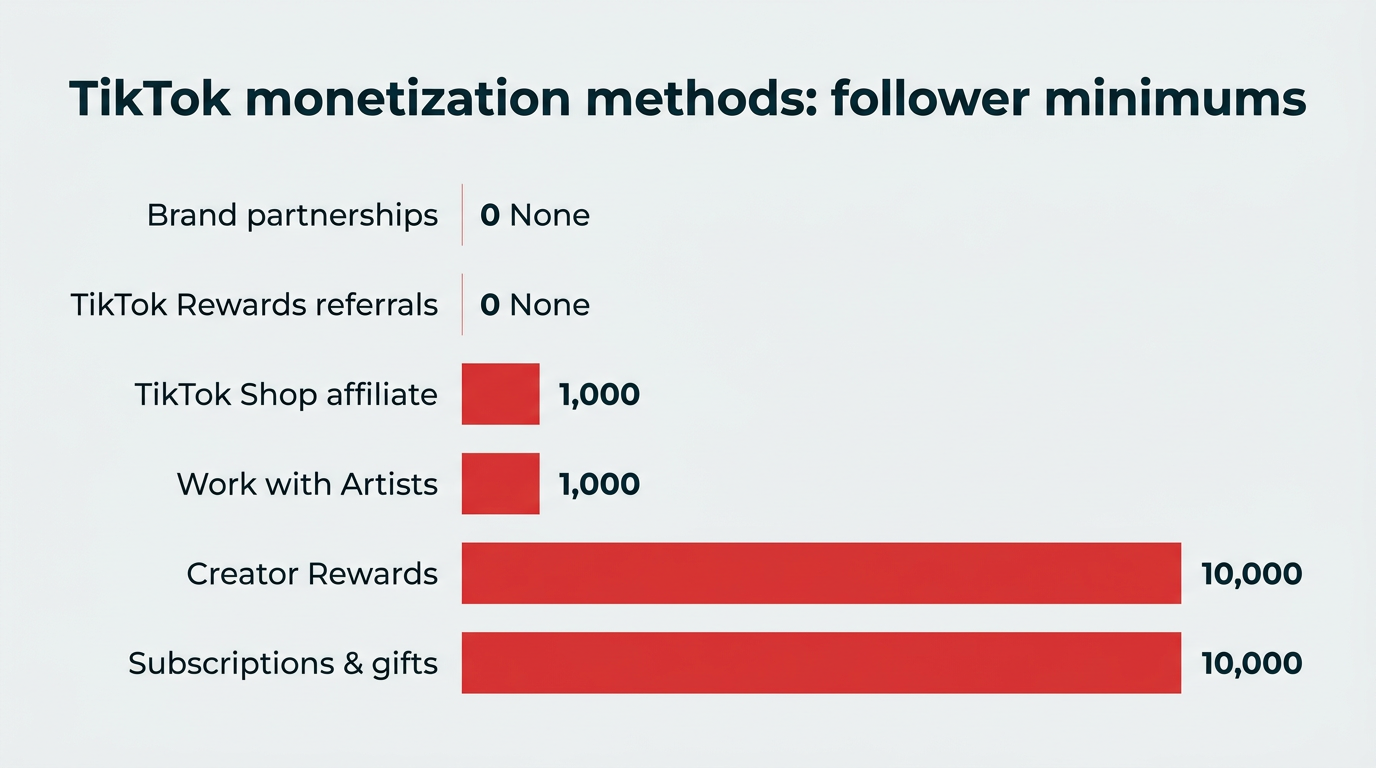
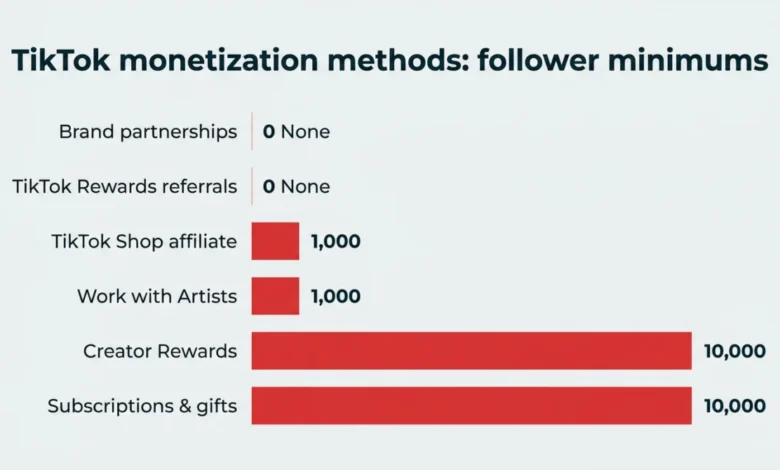
Navigating the myriad ways to earn money on the application requires a clear understanding of eligibility requirements and earning potentials. Native programs offer the most direct routes for content creators, though each comes with strict prerequisites. The Creator Rewards Program, which replaced the legacy Creator Fund to incentivize high-quality, original content longer than one minute, demands a minimum of 10,000 followers and 100,000 authentic video views within the past 30 days. Payouts under this system are calculated per 1,000 qualified views, factoring in metrics such as play duration, audience retention, and search value, meaning that viral videos with low watch times yield minimal financial return.
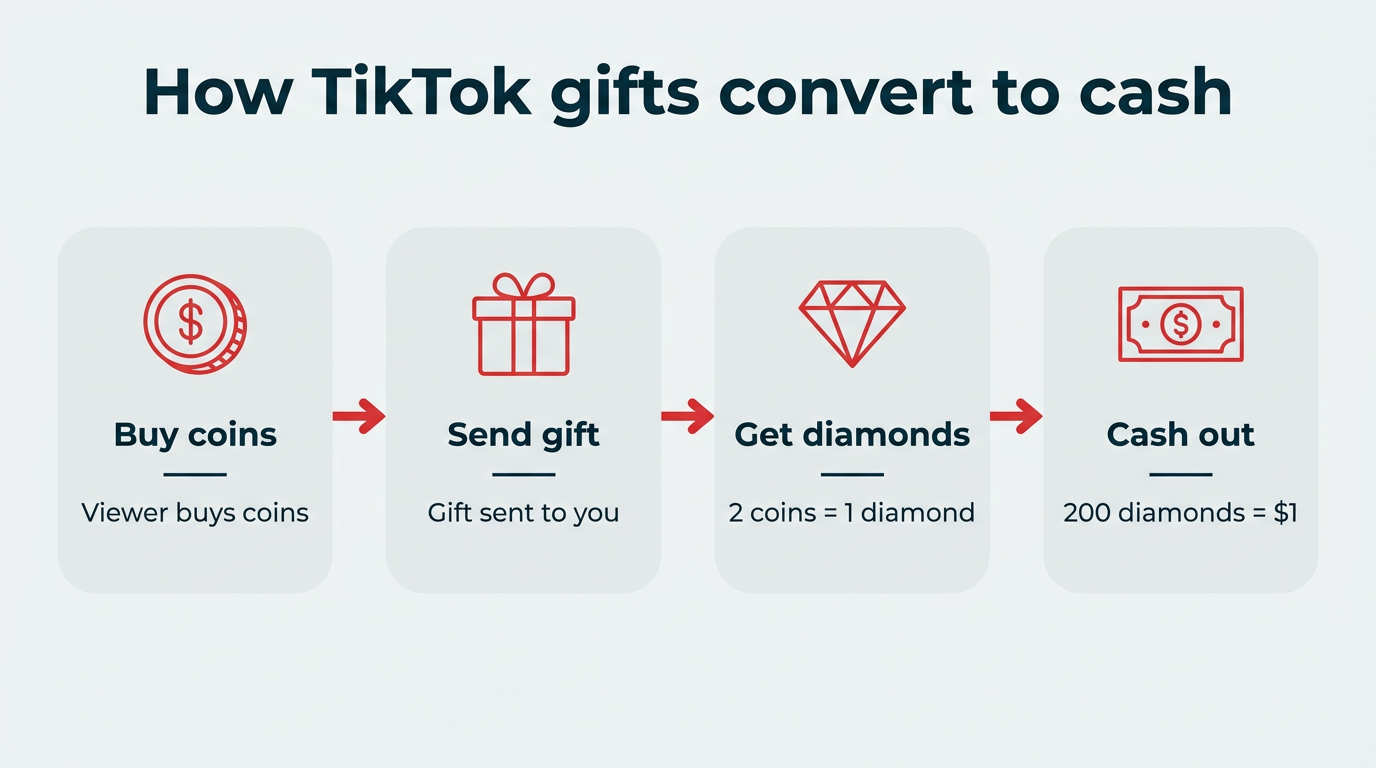
Concurrently, audience monetization through LIVE streams and digital gifts has emerged as a cornerstone revenue stream for engaging personalities. Viewers purchase virtual coins to send gifts during live sessions or standard videos, which creators then convert into diamonds and eventually cash. Because platform commission rates apply, building a deeply loyal community is essential for this method to become a viable income source. Furthermore, features like TikTok Series and monthly subscriptions allow creators to place premium, niche content behind a paywall, establishing a predictable, passive revenue stream that remains resilient even if individual algorithmic videos underperform.

Beyond native platform incentives, brand partnerships and influencer marketing represent some of the highest-paying avenues for content producers. As global brands allocate larger shares of their digital marketing budgets to short-form video, collaborations have grown increasingly sophisticated. Sponsored content—ranging from dedicated product reviews to integrated brand mentions—allows creators to monetize their influence directly. Rates within this sector are highly variable, influenced heavily by engagement rates, niche specificity, and content usage rights, with established influencers commanding thousands of dollars per campaign. For micro-creators, user-generated content (UGC) creation offers an alternative path, where brands pay for raw video assets to deploy on corporate channels regardless of the creator’s personal follower tally.

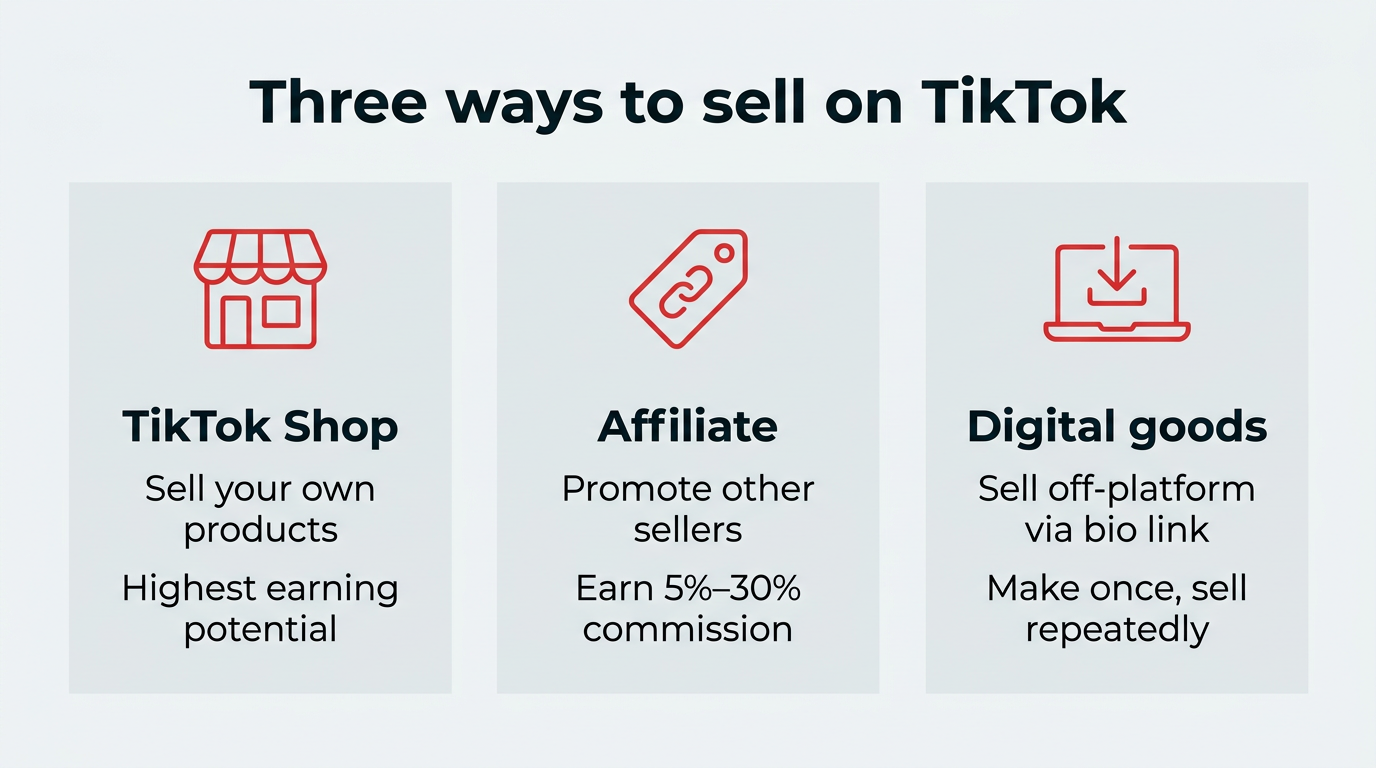
E-commerce integration, spearheaded by the rapid expansion of TikTok Shop, has fundamentally altered the platform’s commercial landscape. Projected to surpass $20 billion in United States sales alone, TikTok Shop allows users to browse and purchase physical merchandise without ever leaving the application. Brands can leverage this ecosystem through direct storefront management, live-stream shopping events, and video-embedded product links. Simultaneously, creators without physical inventory can participate in affiliate marketing through the TikTok Shop Affiliate marketplace. By embedding product links into their content, affiliates earn commissions ranging typically from 5% to 30% on every sale generated, bridging the gap between content creation and retail sales.
For businesses and corporate entities, the platform functions primarily as an acquisition and sales channel rather than a source of direct platform payouts. Companies utilize a dual-pronged approach consisting of paid advertising campaigns and organic promotional content. Advanced ad targeting options enable businesses to push commercial messages directly to targeted demographic segments, while organic videos optimized for TikTok search engine optimization (SEO) drive cost-effective brand awareness. Additionally, seasoned creators are increasingly packaging their platform expertise into consulting services, brand management agencies, and educational coaching programs, proving that understanding the algorithmic nuances of short-form video is a marketable skill in its own right.
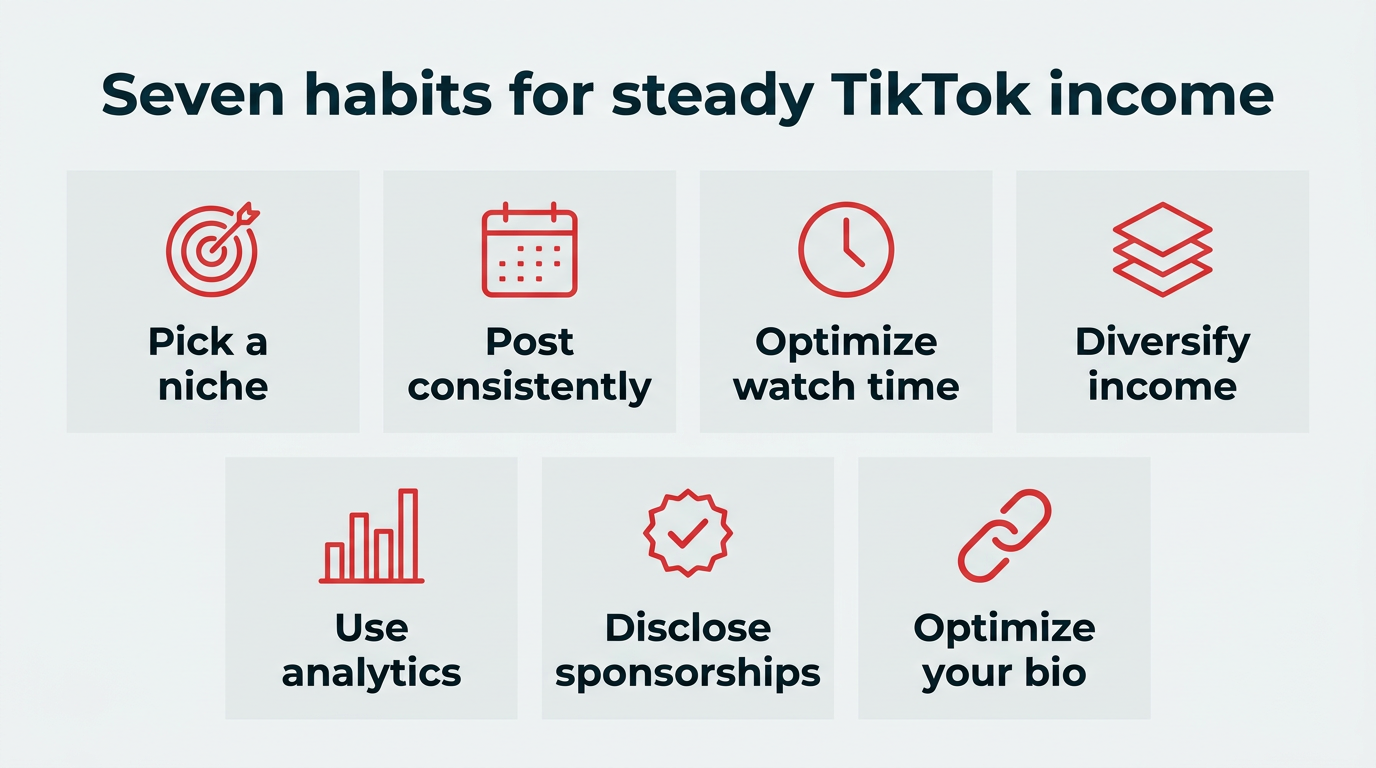
Analyzing the broader implications of TikTok’s monetization ecosystem reveals both significant opportunities and inherent operational risks for digital entrepreneurs. Relying on a single revenue stream—such as view-based payouts—exposes creators to the volatility of algorithmic shifts and policy updates. Financial analysts strongly advocate for a hybrid business model that combines platform rewards with affiliate marketing, brand partnerships, and off-platform digital storefronts like Stan Store or Shopify. This diversified approach safeguards creators against sudden policy changes while maximizing profit margins across multiple touchpoints.

Ultimately, achieving sustainable financial success on TikTok demands a disciplined adherence to best practices: maintaining a clearly defined niche, publishing content consistently, prioritizing audience trust over aggressive commercialization, and regularly analyzing performance metrics through analytical dashboards. As social commerce continues to merge seamlessly with entertainment, the creators and brands that thrive will be those who treat the platform not merely as a broadcast channel, but as a dynamic, multifaceted business ecosystem.
Related posts: