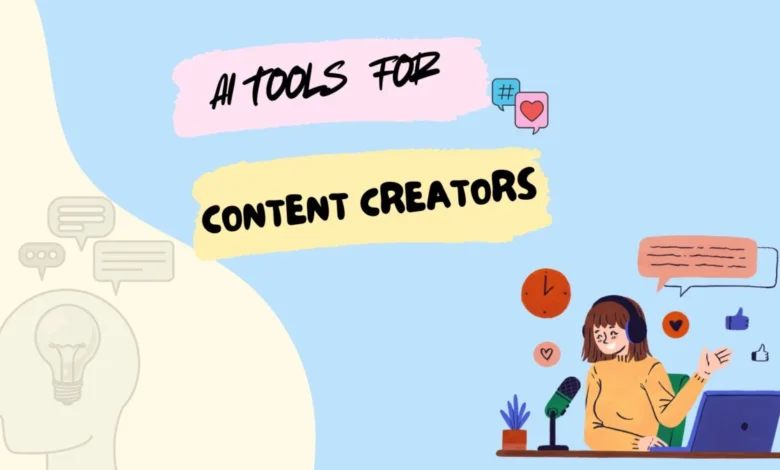
The digital landscape for content creation is undergoing an unprecedented transformation, with artificial intelligence emerging as a pivotal force. As creators navigate an increasingly competitive and demanding environment, the integration of AI tools has become not merely an advantage but an essential strategy for maintaining relevance, efficiency, and quality. The year 2025 marks a significant inflection point, where advanced AI applications are streamlining workflows, enhancing creative output, and democratizing sophisticated content production across various media.
The AI-Driven Evolution of Content Creation
The escalating demand for fresh, engaging, and high-quality content across myriad platforms—from social media feeds and corporate websites to educational modules and entertainment channels—has placed immense pressure on creators. Traditional content production methods, often resource-intensive and time-consuming, struggle to keep pace with this exponential need. Enter artificial intelligence, which has evolved from rudimentary automation to sophisticated generative capabilities, offering solutions that empower creators to overcome these challenges. By 2025, AI is not just a fancy technological add-on; it is an integrated co-pilot, fundamentally altering how content is conceived, designed, produced, and optimized. This shift is critical for marketers, influencers, businesses, and individual creators aiming to scale their efforts and captivate their target audiences effectively.
A Paradigm Shift in Digital Storytelling
The journey towards AI-powered content creation has been a rapid one. Historically, digital storytelling relied heavily on manual effort, specialized skills, and substantial investment in human capital and equipment. The early 2010s saw the nascent stages of AI in content, primarily focused on data analysis and basic automation. However, the advent of powerful Large Language Models (LLMs) and advanced generative AI in the early 2020s catalyzed a paradigm shift. This period witnessed a rapid acceleration in AI’s ability to understand context, generate creative outputs, and perform complex tasks that were once exclusively human domains.
Industry reports highlight this explosive growth: the global market for AI in media and entertainment, encompassing content creation, is projected to reach tens of billions of dollars by the mid-2020s, underscoring the widespread adoption and investment in these technologies. Furthermore, statistics from leading market research firms indicate that businesses integrating AI into their marketing and content strategies report significant increases in efficiency (upwards of 30-40%) and measurable improvements in content performance. This underscores a clear trajectory towards AI becoming an indispensable component of the creative workflow, enabling faster iteration, greater personalization, and higher overall production value.
Chronology of AI Integration: From Niche to Mainstream Adoption
The timeline of AI’s integration into content creation reveals an accelerated pace of innovation. Before 2020, AI tools for creators were largely niche, focusing on specific tasks like data analytics for content performance or rudimentary text generation. The years 2020-2022 marked a pivotal period with the public release of more accessible and powerful generative AI models, such as early versions of large language models and text-to-image generators. These tools, while initially imperfect, demonstrated immense potential.
By 2023-2024, significant advancements in multimodal AI allowed for more seamless integration across text, image, and video. Tools became more user-friendly, moving beyond command-line interfaces to intuitive graphical user interfaces. The focus shifted from mere generation to sophisticated editing, optimization, and brand consistency. As we approach and enter 2025, the market is characterized by mature, specialized AI platforms offering enterprise-grade features alongside accessible options for individual creators. The emphasis is now on intelligent automation, hyper-personalization, and the ability to maintain a distinct brand voice across diverse content formats, reflecting a journey from experimental technology to mainstream creative solutions.
Deep Dive into Transformative Tools: The Vanguard of AI-Powered Creativity
The following tools represent the cutting edge of AI in content creation for 2025, each offering unique capabilities to enhance efficiency, quality, and creative output.
1. ChatGPT: Content Ideation and Scriptwriting
ChatGPT, powered by increasingly sophisticated large language models, has transcended its initial role as a conversational AI to become a comprehensive content creation assistant. By 2025, its advanced language understanding and specialized content optimization features make it indispensable for generating, editing, and refining textual content. It excels at maintaining brand voice, adhering to specific industry expertise, and optimizing for various platforms, allowing creators to produce high-quality written content at scale. For instance, a marketing team can leverage ChatGPT to rapidly brainstorm a month’s worth of social media captions, refine blog post outlines, or even draft initial scripts for video advertisements, all while ensuring tonal consistency and factual accuracy through integrated knowledge bases. Its ability to iterate on drafts based on user feedback significantly reduces the time spent on initial content generation, freeing up human writers for strategic oversight and creative refinement. Industry analysts suggest that tools like ChatGPT are democratizing access to high-quality writing support, making it easier for smaller businesses and individual creators to compete with larger enterprises.
2. Canva Magic Studio: Visual Design and Social Media Content Creation
Canva Magic Studio has solidified its position by blending its renowned user-friendly interface with powerful, intuitive AI capabilities. This platform now leverages AI to understand fundamental design principles, automatically generate aesthetically pleasing layouts, and create on-brand visual content. Its sophistication lies in making professional design accessible to non-designers while still offering advanced features for professionals. For social media managers, Magic Studio can instantly generate multiple variations of a post graphic based on a simple text prompt or an existing brand kit, ensuring visual consistency across campaigns. The AI can also suggest optimal image sizes for different platforms, remove backgrounds with precision, and even animate static elements, significantly accelerating the visual content pipeline. Data shows that visually appealing content garners significantly higher engagement rates, and Canva Magic Studio empowers creators to achieve this without extensive graphic design training.
3. RunwayML: AI Video Generation and Manipulation
RunwayML stands as a pioneering force in AI video creation, offering professional-grade effects and intuitive AI technology. By 2025, its game-changing ability to manipulate video content with unprecedented ease makes it indispensable. Users can now change weather effects in a scene with a simple text prompt, remove unwanted objects seamlessly in real-time, or even generate entirely new video sequences from static images or text descriptions. This significantly reduces the need for complex CGI or extensive reshoots. For YouTubers or social media video producers, RunwayML transforms a multi-day editing process into a matter of hours, allowing for rapid content iteration and higher production value without a Hollywood budget. The global demand for video content continues its exponential rise, underscoring the value of tools like RunwayML in meeting this need efficiently and creatively.
4. MidJourney: Advanced AI Art Generation
MidJourney V6 has redefined AI image generation, mastering the nuances of professional photography and diverse artistic styles. Its strength lies in understanding and executing complex creative directions, from specific lighting conditions and photographic angles to branded visual styles and artistic movements. It maintains consistent quality across multiple generations, making it the premier tool for creators who require stunning visuals that align perfectly with their brand identity. Digital marketers can use MidJourney to generate unique hero images for campaigns, intricate conceptual art for presentations, or a vast library of distinct visual assets that would be prohibitively expensive or time-consuming to produce conventionally. The tool’s precision in interpreting prompts allows for a level of creative control that was once unimaginable for AI art, turning abstract ideas into tangible, high-resolution visuals.
5. Synthesia: AI Avatar-Based Video Production
Synthesia has revolutionized video creation by enabling the production of professional-looking AI avatar videos within minutes. Its technology generates natural-looking presentations in multiple languages, complete with synchronized lip movements, realistic gestures, and authentic emotional inflections. This capability is invaluable for creators needing to produce video content at scale without the traditional filming process, actors, or studio equipment. Businesses can create multilingual training videos, educators can generate engaging lectures, and marketers can produce personalized video messages for diverse audiences, all from a text script. This drastically reduces production costs and timelines, making high-quality video accessible for internal communications, e-learning platforms, and global marketing initiatives. Early adopters report significant ROI by leveraging Synthesia for scalable video content.
6. Descript: AI-Enhanced Audio and Video Editing
Descript has transformed audio and video editing by making it as intuitive as editing a text document. Its innovative approach integrates powerful AI features like automatic transcription, filler word removal, and overdubbing, making professional-quality editing accessible to creators of all skill levels. Podcasters can edit their recordings simply by deleting words from the transcript, while video creators can achieve a polished final product without grappling with complex timelines. The AI’s ability to identify and remove "ums," "ahs," and other verbal tics enhances clarity and professionalism. Descript also offers collaborative features, allowing teams to work on projects simultaneously. Creative professionals widely acknowledge Descript for streamlining the post-production process, turning hours of manual editing into minutes of text-based adjustments.
7. ElevenLabs: Hyper-Realistic AI Voice Generation
ElevenLabs has set a new benchmark in voice synthesis, achieving unprecedented levels of natural speech quality and emotional expression. Its ability to clone voices accurately and generate multiple languages with proper accents and inflections makes it an ultimate tool for professional-quality voiceovers without traditional recording processes or voice actor limitations. Podcasters can create consistent voiceovers for segments, video creators can add narration in various languages, and content creators can develop unique character voices for animated content. The AI can adapt tone, pitch, and cadence to match the emotional context of the script, delivering a remarkably human-like output. This technology significantly expands the creative possibilities for audio content, enabling personalization and global reach with remarkable ease.
8. Tribescaler: Viral Content and Headline Optimization
Tribescaler brings a scientific methodology to viral content creation by combining trend analysis with content optimization. Its powerful AI engine analyzes successful content patterns across platforms and provides actionable insights to help creators craft content more likely to go viral, while maintaining authenticity and audience engagement. This includes optimizing headlines, identifying trending topics, and suggesting structural improvements for maximum impact. Social media managers can use Tribescaler to refine their posts for higher click-through rates and shares, leveraging data-driven predictions rather than guesswork. The AI’s continuous learning from real-time data ensures that its recommendations remain current with evolving platform algorithms and audience preferences, making it a strategic asset for maximizing reach and engagement.
9. Clickable: Automated Ad Creation and Performance Optimization
Clickable revolutionizes ad creation by seamlessly blending data-driven insights with creative automation. Its AI analyzes brand assets and automatically generates platform-optimized ad variations, all while maintaining brand voice and messaging consistency. This transforms the tedious process of ad creation into a streamlined, results-driven workflow that consistently delivers high-performing content. Digital marketers can generate dozens of tailored ad creatives for A/B testing across various platforms (e.g., Facebook, Instagram, Google Ads) in a fraction of the time it would take manually. The AI can also provide insights into which ad elements resonate most with specific demographics, optimizing campaigns for better conversion rates and lower acquisition costs. This tool is particularly valuable for businesses looking to scale their ad production efficiently without compromising on creative quality.
10. Copy AI: Comprehensive AI-Powered Copywriting
Copy AI has established itself as a powerhouse in AI-powered copywriting, offering specialized content generation for a wide array of marketing formats. Its sophisticated understanding of marketing psychology and brand voice, combined with its ability to generate compelling copy across multiple formats and industries, makes it invaluable. From website copy and email newsletters to sales pages and product descriptions, Copy AI assists marketers and content creators in producing engaging, conversion-focused content at scale. The platform allows users to input key information and select desired tones, generating multiple copy options that can be refined. This tool significantly reduces the bottleneck in content production, allowing marketing teams to launch campaigns faster and iterate on messaging more frequently.
Broader Implications: Reshaping the Creative Industry Landscape
The widespread adoption of these AI tools by 2025 carries profound implications for the creative industry.
Efficiency and Scalability
AI significantly boosts productivity, allowing creators to generate more content in less time and at a lower cost. This translates to enhanced scalability for businesses and greater output potential for individual creators. What once required a team of specialists can now be accomplished by a smaller team augmented by AI, leading to more dynamic and responsive content strategies.
Democratization of Creativity
These tools lower the barrier to entry for high-quality content production. Individuals and small businesses can now access capabilities previously reserved for large enterprises with substantial budgets. This democratization fosters a more diverse and vibrant content ecosystem, encouraging innovation from a wider pool of creators.
Ethical Considerations and Challenges
As AI becomes more sophisticated, ethical concerns surrounding originality, copyright, and potential misuse (e.g., deepfakes, AI-generated misinformation) become increasingly pertinent. The industry is grappling with how to establish clear guidelines for AI-generated content, ensure transparency, and protect intellectual property. Human oversight remains crucial to mitigate bias in AI outputs and ensure ethical content creation.
Job Evolution, Not Replacement
The integration of AI is not leading to a wholesale replacement of human creative roles but rather an evolution. Jobs are shifting towards prompt engineering, AI supervision, strategic content direction, and ethical oversight. Creators will increasingly act as curators, editors, and strategists, leveraging AI to execute repetitive or time-consuming tasks, thereby focusing their human ingenuity on higher-level creative thinking, emotional resonance, and strategic vision. Experts emphasize the critical role of human creativity in guiding AI tools, ensuring that content remains authentic and impactful.
Conclusion: The Future is Collaborative
The AI tools highlighted here are undeniably revolutionizing the content creation landscape in 2025, making it easier than ever to produce high-quality, engaging, and impactful content. By strategically integrating these technologies into their workflows, creators can achieve unprecedented levels of efficiency, unleash new dimensions of creativity, and deliver superior results.
It is crucial to understand that AI does not replace creativity; it amplifies it. The unique voice, perspective, and emotional intelligence of a human creator remain irreplaceable. These advanced tools serve as powerful enablers, freeing up valuable time and resources from mundane tasks, allowing creators to focus on what they do best: conceptualizing, storytelling, and connecting with audiences on a deeper, more human level. The future of content creation is intrinsically collaborative, where the synergy between human ingenuity and artificial intelligence will define the competitive edge. Embracing these technologies, experimenting with their capabilities, and innovating their application will be paramount for staying ahead of the curve. The possibilities are boundless, limited only by imagination.
Note: All features and pricing information mentioned are illustrative of the advanced capabilities expected by 2025 and are subject to change as platforms evolve. Readers are advised to verify current details with the respective platforms.