Unlocking Growth: How Small Businesses Are Leveraging X to Compete in the Modern Digital Economy


Navigating the contemporary digital landscape presents an unprecedented set of challenges and opportunities for small and medium-sized enterprises (SMEs). In an era defined by rapid technological shifts and hyper-competitive e-commerce markets, smaller companies continually search for cost-effective avenues to engage target audiences, establish brand identity, and drive measurable revenue. Over recent years, platforms that enable real-time communication have increasingly become central to these corporate strategies. Among them, X—formerly known as Twitter—has emerged as a vital instrument for startups and independent proprietors aiming to amplify their market presence without incurring prohibitive marketing expenditures.
The strategic imperative of utilizing microblogging and real-time social networks stems from a fundamental need for visibility. In crowded digital marketplaces, emerging brands frequently struggle against established corporate entities possessing substantial advertising budgets. However, platforms structured around concise, rapid information dissemination level the playing field, allowing agile businesses to communicate directly with consumers.
The Evolution of Corporate Communication on X
The platform’s corporate strategy has undergone significant transformations since its inception. Originally launched in 2006 as a microblogging service restricted to 140 characters, the platform gradually expanded its communication boundaries, eventually doubling the limit to 280 characters. Following its acquisition by entrepreneur Elon Musk, the network underwent structural, operational, and rebranding shifts, officially transitioning from Twitter to X. Despite these corporate changes, the core utility for commercial enterprises—real-time engagement, instantaneous public relations management, and direct consumer feedback loops—has remained remarkably resilient.
For small businesses, adapting to these platform modifications requires an understanding of how algorithms prioritize content. Modern digital strategy on X relies heavily on maintaining a consistent posting cadence, participating in trending global conversations, and leveraging multimedia assets such as high-resolution imagery and short-form video content. Industry analysts note that enterprises failing to adapt to real-time engagement models risk losing consumer mindshare to more agile competitors.
Core Strategic Advantages for Small Enterprises
The integration of X into a comprehensive small business marketing framework offers several distinct, empirically supported advantages. Chief among these is the ability to build organic brand awareness at zero financial cost. While enterprise-level organizations frequently allocate millions of dollars toward programmatic advertising and paid acquisition campaigns, bootstrapped startups must rely on organic reach.
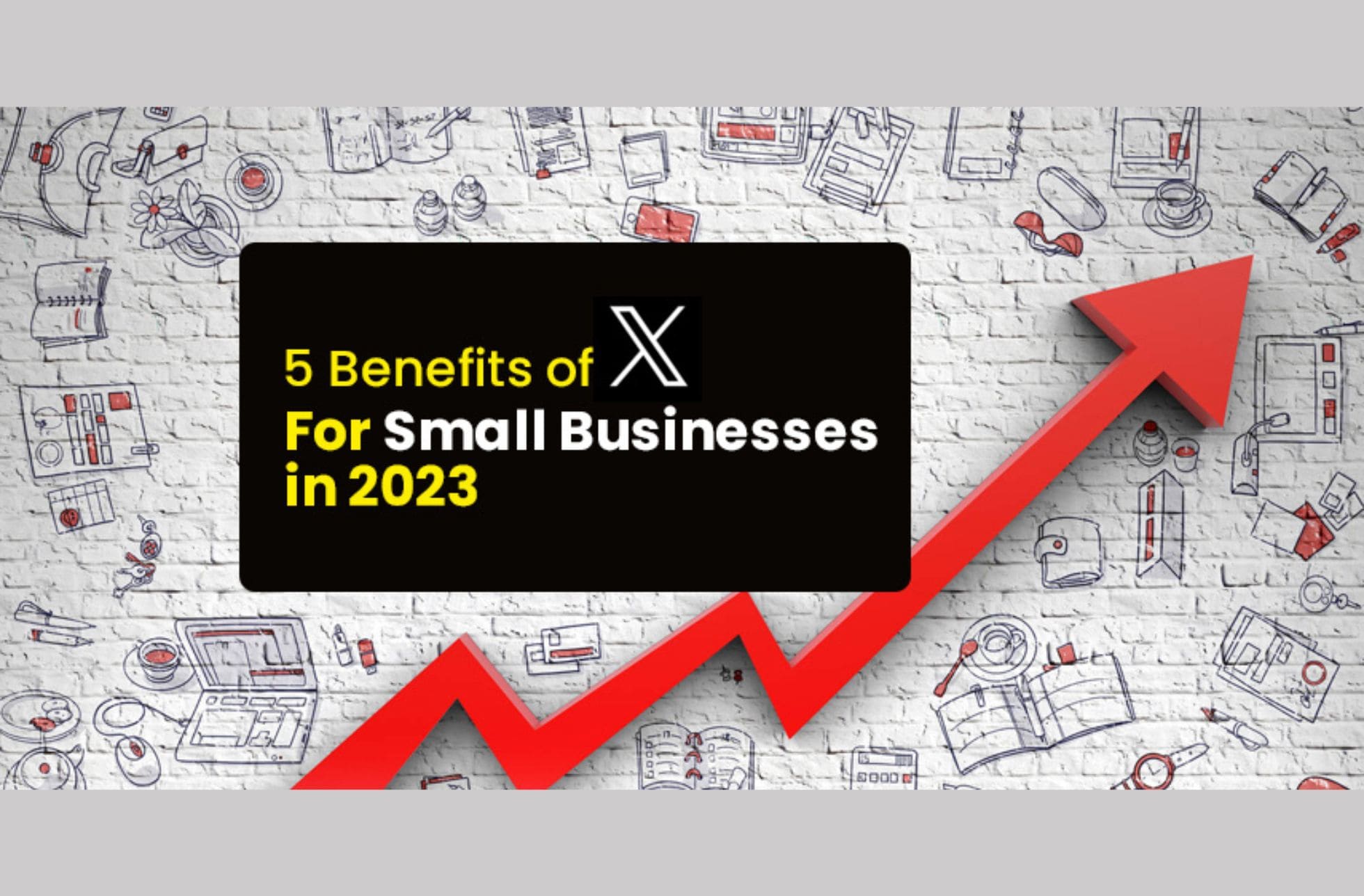
First, brand visibility is amplified through the sheer scale of the platform’s user base. With hundreds of millions of active monthly users globally, the network provides access to diverse consumer demographics. By consistently sharing authoritative, industry-specific content, small business owners can position themselves as niche thought leaders. Furthermore, the real-time nature of the platform allows brands to capitalize on breaking news and trending topics through strategic hashtag utilization, instantly elevating their profile among potential buyers who may not have otherwise discovered their products.
Second, the structural constraints of the platform—specifically its character limitations—force communication to be succinct and direct. This brevity fosters frequent, transparent interactions between brands and consumers. By responding directly to customer inquiries, participating in public threads, and acknowledging user-generated content, businesses humanize their operations. This two-way dialogue functions as an informal, highly efficient focus group. Small business owners can deploy built-in polling features and monitor conversational sentiment to gather immediate market research, adjusting their product development and service delivery pipelines based on authentic consumer feedback.
Data-Driven Decision Making and Analytics
In the modern digital economy, intuition alone is insufficient for sustainable business growth. Small enterprises must harness quantitative insights to optimize their marketing expenditures and operational workflows. X provides robust native analytics tools that empower business owners to evaluate the performance of individual posts, track follower growth trajectories, and measure overall engagement rates.
Through these analytical dashboards, enterprises can determine optimal posting schedules based on when their specific audience segments are most active. This ensures maximum visibility for new product announcements, promotional campaigns, and content marketing initiatives. Additionally, analytics data reveals which topical categories resonate most deeply with consumers, allowing marketing teams to refine their messaging and allocate limited internal resources toward high-performing strategies.
Industry data consistently demonstrates that companies utilizing data-driven marketing frameworks achieve higher customer retention rates and superior return on investment compared to those relying entirely on guesswork. For small businesses operating with lean teams, automated analytics reduce the time required to assess campaign efficacy.
Developing an Actionable X Marketing Strategy
To translate platform activity into tangible business outcomes, enterprises must implement a structured, goal-oriented marketing strategy. Industry consultants recommend a five-stage framework for small businesses entering the ecosystem:

- Establish Definitive Objectives: Before drafting content, businesses must clearly define what they intend to achieve. Objectives may range from increasing top-of-funnel brand awareness and driving referral traffic to specific e-commerce landing pages to generating direct sales leads.
- Conduct Audience Research: Understanding the demographics, pain points, and behavioral patterns of the target consumer base is essential. Content must directly address the specific needs and interests of the intended audience to secure meaningful engagement.
- Craft Compelling Content: With strict character limits, every word must carry weight. Successful posts combine punchy headlines, strategic keyword integration, relevant hashtags, and compelling multimedia elements to capture attention within fast-moving timelines.
- Foster Active Engagement: Social media is inherently conversational. Brands that passively broadcast messages without interacting with their followers rarely build loyal communities. Responding to comments, reposting user-generated content, and participating in broader industry discussions are vital for relationship-building.
- Monitor, Measure, and Iterate: Continuous performance evaluation using platform analytics ensures that strategies evolve alongside shifting consumer preferences and algorithmic updates.
Best Practices for Maximizing Engagement
Writing content that consistently drives user interaction requires adherence to established digital copywriting principles. Because timelines move rapidly, posts must instantly convey value.
Experts emphasize the importance of visual integration. Posts featuring dynamic images, infographics, or short video clips consistently outperform text-only updates in terms of impressions, retweets, and click-through rates. Additionally, injecting brand personality and appropriate humor can significantly humanize an enterprise, fostering emotional connections with consumers that corporate speak often fails to achieve.
However, commercial entities must balance personality with professionalism. Industry analysts caution against engaging in controversial discourse or reactive public relations stunts that do not align with core brand values. Maintaining ethical operational standards on public forums protects a company’s reputation, ensuring that positive consumer reviews and peer recommendations continue to drive organic growth.
Broader Economic Implications and Future Outlook
The democratization of marketing tools via platforms like X reflects a broader structural shift in the global economy. Historically, market entry barriers—particularly regarding consumer acquisition and advertising—favored large corporations with deep capital reserves. Today, digital ecosystems allow micro-enterprises and solopreneurs to compete on a global stage, provided they master the nuances of digital communication and audience engagement.
As e-commerce markets continue to mature, the integration of social media strategy into core business planning is no longer optional for growth-oriented startups. The ability to pivot quickly, gather real-time consumer intelligence, and build authentic brand communities without incurring advertising costs represents a decisive competitive advantage. For small businesses navigating the complexities of the modern digital marketplace, mastering platform-specific communication strategies remains a fundamental pillar of long-term economic viability and success.
Related posts: