In recent years, the intersection of consumer technology and interior design has accelerated significantly, shifting from traditional static mood boards to dynamic, interactive digital toolkits. Recent data from consumer behavior analytics indicates a massive surge in digital inspiration hunting, with searches for home decor concepts climbing by 300 percent over the past month alone. Concurrently, niche aesthetics such as "bathroom inspo" and "living room inspo" have achieved breakout status. As homeowners and renters alike increasingly embrace bold visual choices—evidenced by trending paint inquiries for vibrant shades like teal and magenta—the challenge has largely pivoted from finding inspiration to executing a physical vision within budgetary and spatial constraints. To bridge this gap, major technology firms have rolled out specialized suites of tools designed to simplify every phase of the interior transformation lifecycle, from initial concept to installation and price optimization.
The Evolution of Digital Interior Design
For decades, consumer interaction with interior design relied heavily on physical catalogs, television programs, and rudimentary software applications that often required specialized technical skills. The modern era, however, is defined by ambient artificial intelligence and multimodal search capabilities. Industry analysts note that contemporary consumers expect seamless transitions between online inspiration and physical execution. Whether browsing social media feeds late at night or stumbling upon a unique antique at a weekend flea market, users increasingly demand immediate contextual awareness from their mobile devices.
This behavioral shift has prompted technology companies to integrate computer vision, generative artificial intelligence, and real-time audio guidance directly into everyday search utilities. According to product development teams, the goal is to remove the friction points that traditionally cause DIY projects to stall—namely, spatial uncertainty, sourcing difficulties, installation intimidation, and cost management. By addressing these pain points through unified ecosystems, search engines are transforming from simple information retrieval tools into comprehensive project management assistants.
Visualizing Spatial Dimensions Using Advanced Artificial Intelligence
One of the most persistent hurdles in home decoration is spatial anxiety: the inability to accurately predict whether a piece of furniture will complement a room’s physical dimensions and existing color palette. Traditional methods involved physical measuring tapes, painter’s tape on floors, and a considerable amount of guesswork. Today, however, artificial intelligence modes integrated into search platforms allow users to upload photographs of their living spaces and pose complex, context-aware queries.
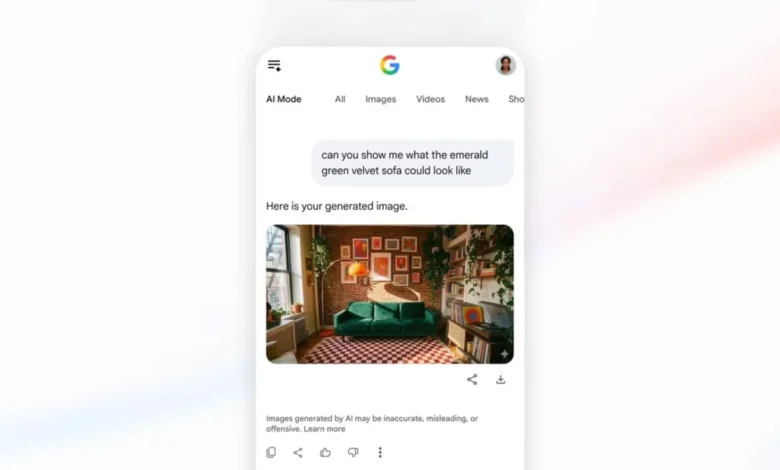
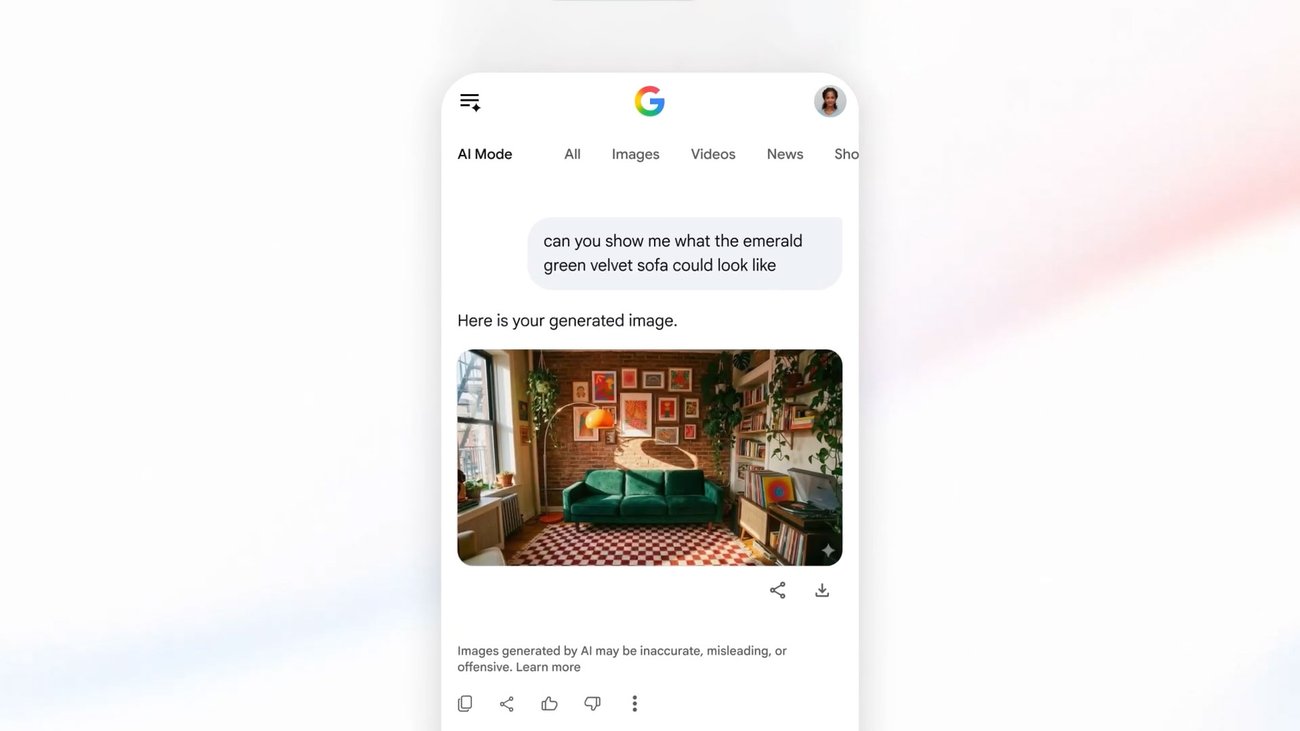
For instance, a homeowner working with a living room wall measuring precisely 84 inches wide can upload a snapshot of the area and receive tailored recommendations for appropriately proportioned seating arrangements. Furthermore, multimodal generative capabilities enable users to iterate rapidly through aesthetic variations. By issuing follow-up prompts such as, "Can you show me what an emerald green velvet sofa could look like in this exact spot?" consumers can view realistic digital renderings superimposed directly onto their room’s layout. This technological leap significantly reduces buyer’s remorse and minimizes the logistical headaches associated with returning oversized or mismatched furniture.
Bridging Physical and Digital Worlds Through Visual Search Technology
While digital inspiration is abundant, translating physical encounters with unique decor into actionable shopping lists has historically proved difficult. This disconnect is particularly relevant given current consumer trends favoring eclectic and sustainable interiors. Data indicates a sharp rise in interest surrounding vintage furnishings, with specific phrases like "vintage braided rugs" and "vintage wood coffee tables" ranking among the top trending home furnishing categories.
To capture these unique aesthetics, advanced visual recognition systems—such as Google Lens—allow users to photograph items in real-world settings, whether at a boutique storefront, a friend’s home, or a local antique market. The underlying algorithms analyze the visual attributes of the object, cross-referencing them against global inventory databases to surface similar products, pricing information, and online retailers. This functionality empowers consumers to pursue hyper-specific design goals without needing to know the technical terminology or manufacturer of the original piece.
Streamlining Inspiration Discovery via Integrated Interface Tools
The proliferation of visual content across social media platforms and video-sharing networks has created an environment of continuous ambient inspiration. Users frequently encounter novel design concepts—such as fish wallpaper, which has seen a 140 percent surge in search volume over the past month—embedded within third-party applications. Historically, capturing these ideas required navigating away from the content, opening a separate browser, and attempting to describe an intricate pattern using text keywords.
Modern interface innovations, including screen-overlay search shortcuts, have eliminated these barriers. By utilizing features like "Circle to Search" on compatible mobile hardware—such as recent Pixel and Samsung Galaxy devices—users can engage a visual query directly from their current screen state. A simple long-press of the navigation bar followed by a gesture around an item of interest initiates an instant visual lookup. This capability ensures that momentary sparks of inspiration can be immediately investigated, categorized, and acted upon without interrupting the user’s digital experience.
Navigating DIY Installation with Real-Time Conversational Guidance
Acquiring furniture and decor is frequently only the first step in a complex domestic project. Once items are delivered, homeowners face the practical challenges of assembly and installation. Floating shelves, for example, consistently rank among the most popular home improvement items due to their minimalist aesthetic and space-saving utility. However, improper installation can lead to structural damage or safety hazards.
To mitigate installation anxiety, emerging tools leverage real-time multimodal conversational artificial intelligence—often referred to as Search Live. By opening a dedicated search interface and enabling live video input alongside voice queries, users can interact with an AI assistant much as they would consult an experienced professional or a knowledgeable friend. The system can process live visual feeds from a smartphone camera, observing wall types, stud locations, and tool usage to provide step-by-step guidance. This real-time feedback loop ensures that complex do-it-yourself projects are executed safely and accurately, democratizing skilled home improvement tasks.
Economic Optimization and Price Tracking for Major Purchases
Renovating or updating a living space represents a substantial financial commitment, with costs accumulating rapidly across multiple small and large purchases. As trending items—ranging from avant-garde lighting fixtures to intricate harlequin wallpapers—gain popularity, consumers are increasingly cautious about market pricing and value retention.
To address economic concerns, integrated shopping tools provide transparent market comparisons across a wide array of online retailers. Users can inspect detailed price histories for specific products, gaining empirical insight into whether a current listing represents a historical high, low, or typical market value. For consumers who prefer to delay purchases or wait for promotional periods, automated price-tracking alerts monitor price fluctuations and notify the buyer when an item meets their target budget. This analytical approach to home decor shopping ensures that aesthetic ambitions remain aligned with financial realities, marking a significant evolution in how digital utilities support everyday consumer decision-making.