Finewoven Cases Have Been Selling So Poorly That It Looks Like Apple Will Discontinue Them
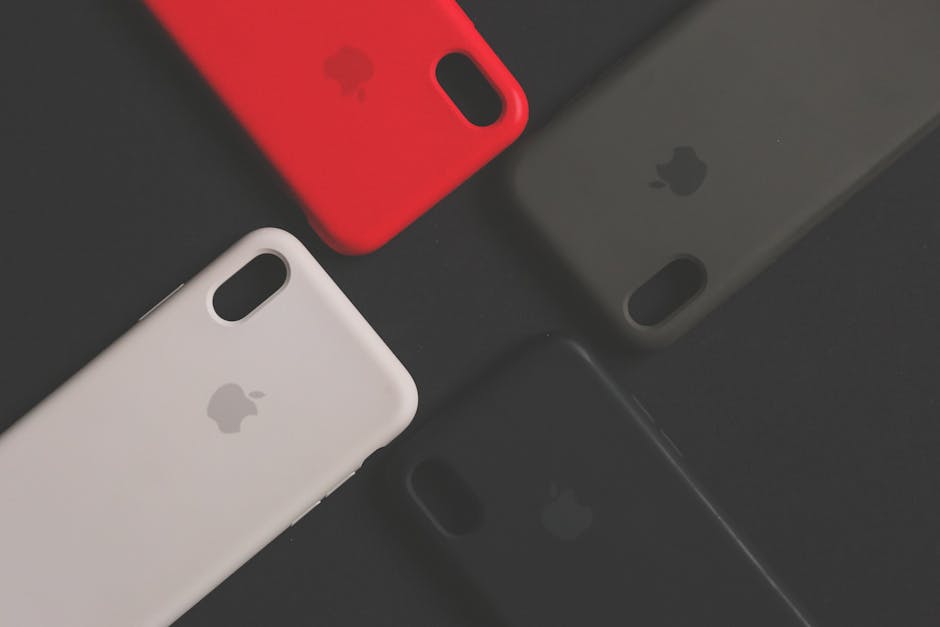
Apple’s Finewoven Cases: A Spectacular Sales Flop on the Horizon of Discontinuation
The market reception for Apple’s Finewoven cases has been nothing short of dismal, painting a stark picture of a product line teetering on the brink of obsolescence. Launched with considerable fanfare as a sustainable alternative to leather, these cases have demonstrably failed to resonate with consumers, leading to a significant sales slump that strongly suggests Apple is on a trajectory to discontinue the entire Finewoven accessory range. This analysis delves into the multifaceted reasons behind this commercial failure, exploring product design, material performance, pricing strategy, and the broader market landscape that has contributed to the Finewoven case’s struggle for relevance.
At the core of Finewoven’s sales woes lies a fundamental disconnect between Apple’s intended vision and the consumer’s practical experience. The primary selling point was the material’s eco-friendly credentials, derived from recycled plastics and presented as a premium, plant-based alternative. However, the reality on the ground has been far less idyllic. Early adopter reviews and subsequent long-term usage reports have consistently highlighted significant durability issues. Unlike traditional leather, which often ages gracefully, developing a patina and showing signs of wear that some users find appealing, Finewoven materials have demonstrated a propensity to scuff, pill, and lose their structural integrity with alarming speed. The initial smooth, tactile feel quickly deteriorates, replaced by a worn, almost shabby appearance that directly contradicts the premium positioning Apple sought to establish. This rapid decline in aesthetic appeal and tactile quality has been a major deterrent for consumers who expect Apple products, including their accessories, to embody a certain level of lasting quality and sophistication. The very essence of what a premium case should offer – protection, style, and a sense of enduring value – has been undermined by the material’s inherent shortcomings.
Furthermore, the perceived practicality of the Finewoven material has been a significant stumbling block. While marketed as a sophisticated and conscious choice, many users have found it to be surprisingly slippery. This lack of grip increases the perceived risk of dropping the device, negating one of the primary functional benefits of a phone case. The texture, intended to be a hallmark of its unique composition, has instead translated into a less secure handling experience for many. This is a critical flaw in a product designed to protect an expensive and integral part of a user’s daily life. In contrast, many competing cases, even those that are not explicitly eco-friendly, offer superior grip and a more confident handling experience. Apple’s ambition to innovate in material science appears to have outpaced its understanding of user ergonomics and the practical demands of everyday smartphone usage. The pursuit of sustainability should not come at the expense of fundamental functionality, and in the case of Finewoven, it seems to have done just that. The tactile sensation, initially intended to be a luxurious differentiator, has instead become a point of contention due to its slippery nature.
The pricing strategy for Finewoven cases has also been a significant factor in their poor sales performance. Positioned at a premium price point, comparable to or even exceeding the cost of high-quality leather cases, consumers have been reluctant to invest in a material that demonstrably fails to deliver on durability and perceived long-term value. When faced with the choice between a Finewoven case that degrades quickly and a well-established leather alternative (either from Apple’s past offerings or from third-party manufacturers) that offers proven longevity and a more satisfying aging process, the Finewoven option quickly loses its appeal. The premium price tag, when juxtaposed with the material’s performance issues, creates a perception of poor value for money. Consumers are increasingly discerning about where they allocate their discretionary spending, and shelling out a substantial amount for an accessory that quickly looks and feels inferior is a difficult pill to swallow. The perceived lack of value proposition, amplified by the material’s flaws, has created a significant barrier to widespread adoption. The high cost, coupled with the rapid deterioration, has positioned Finewoven as an expensive experiment rather than a worthwhile investment.
The competitive landscape for smartphone accessories is incredibly robust. Apple’s Finewoven cases entered a market saturated with a vast array of options, from budget-friendly silicone covers to high-end leather and specialized rugged cases. Many of these competitors offer superior protection, more appealing aesthetics, and a wider range of tactile experiences at more competitive price points. Consumers have been able to find compelling alternatives that either cater to their specific needs for durability, style, or grip without the perceived compromises associated with Finewoven. The established trust and brand recognition of third-party accessory makers, many of whom have been refining their materials and designs for years, also present a formidable challenge. Apple’s attempt to disrupt this market with a novel, albeit flawed, material has failed to capture significant market share against these entrenched players. The sheer volume of choices available to consumers means that a product needs to be exceptionally compelling to stand out, and Finewoven has simply not achieved this distinction. The market’s indifference suggests that the product has not adequately differentiated itself or offered a compelling enough reason for consumers to switch from their preferred alternatives.
Moreover, the narrative surrounding Finewoven cases has been largely negative. User-generated content, social media discussions, and tech reviews have predominantly focused on the material’s shortcomings, creating a self-perpetuating cycle of bad press. This negative word-of-mouth has undoubtedly influenced purchasing decisions, with potential buyers being dissuaded before even considering the product firsthand. The perception of a product’s quality and value is heavily influenced by public discourse, and in the case of Finewoven, this discourse has been overwhelmingly unfavorable. Apple, a company often lauded for its meticulous product design and user experience, has seemingly stumbled with this particular accessory line. The disconnect between the brand’s reputation for excellence and the reality of Finewoven’s performance has likely amplified the disappointment and contributed to the lukewarm sales. The damage to brand perception, even within a niche accessory market, is a potential long-term consequence of this misstep. The initial excitement, fueled by Apple’s marketing, quickly dissipated as real-world experiences proved disappointing, leading to a significant backlash online.
The very idea of phasing out leather, a material with a long history of consumer acceptance in premium accessories, for a new, unproven material without demonstrating its long-term viability and consumer appeal was always a risky proposition. While the environmental imperative is understandable and commendable, the execution of the Finewoven material has fallen short. Consumers often appreciate genuine efforts towards sustainability, but these efforts must also align with the fundamental expectations of product quality and performance. The perceived trade-off between environmental consciousness and tangible product benefits has not been successfully navigated by the Finewoven line. This has led to a situation where even environmentally conscious consumers might hesitate, opting for older, more reliable sustainable options or a leather alternative they trust. The perceived sacrifice in quality for the sake of sustainability has not been widely embraced.
The sales figures, though not publicly disclosed by Apple, are strongly inferred by the product’s limited visibility in retail stores, frequent discounting (even within Apple’s ecosystem), and the general lack of buzz surrounding the accessory. Retailers often reduce stock of slow-moving items, and the scarcity of Finewoven cases in prominent display areas suggests low inventory turnover. The fact that Apple has not aggressively pushed these cases or integrated them as prominently into their marketing alongside new device launches further hints at their underperformance. The economic reality of retail dictates that products that do not sell will eventually be phased out. The current trajectory of Finewoven cases strongly indicates that this fate is imminent. The long-term investment required to develop, manufacture, and market such a product would only be justified by significant sales, which have clearly not materialized.
In conclusion, the Apple Finewoven case saga is a clear illustration of how a product, even with a strong environmental narrative and the backing of a major brand, can falter due to critical deficiencies in material performance, practical usability, and value proposition. The market’s lukewarm reception, coupled with widespread negative feedback regarding durability and grip, has created a situation where discontinuation appears to be not just likely, but almost inevitable. Apple’s ambition to lead in sustainable accessories has, in this instance, been hampered by a material that has failed to meet the high expectations of its discerning customer base. The future of Apple’s accessory strategy may well involve a more cautious approach to material innovation, prioritizing a balance between environmental responsibility and the enduring quality and practicality that consumers have come to expect from the Cupertino giant. The Finewoven experiment, while noble in intent, has ultimately served as a stark reminder that even the most innovative ideas need to be grounded in tangible user experience and market acceptance to achieve commercial success. The current data points overwhelmingly towards a product line that has failed to gain traction, making its discontinuation a foregone conclusion in the eyes of market observers and likely within Apple’s strategic planning. The high cost, coupled with the rapid deterioration of the material, has positioned Finewoven as an expensive experiment rather than a worthwhile investment.


