Google Expands Search Capabilities by Integrating Third-Party Applications into AI Mode to Streamline User Workflows

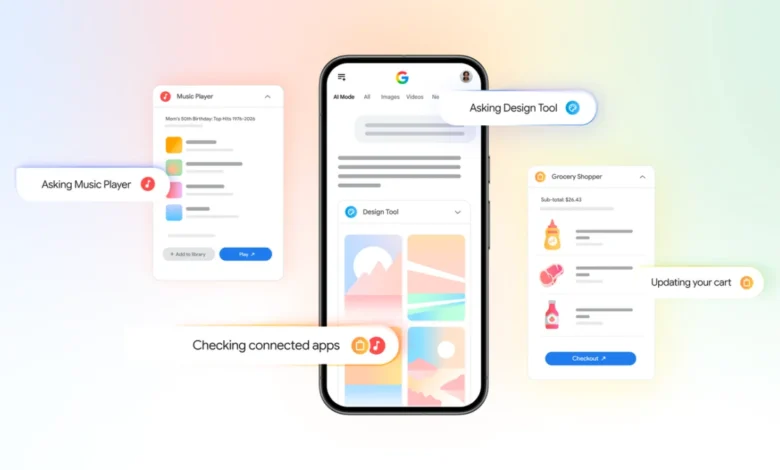
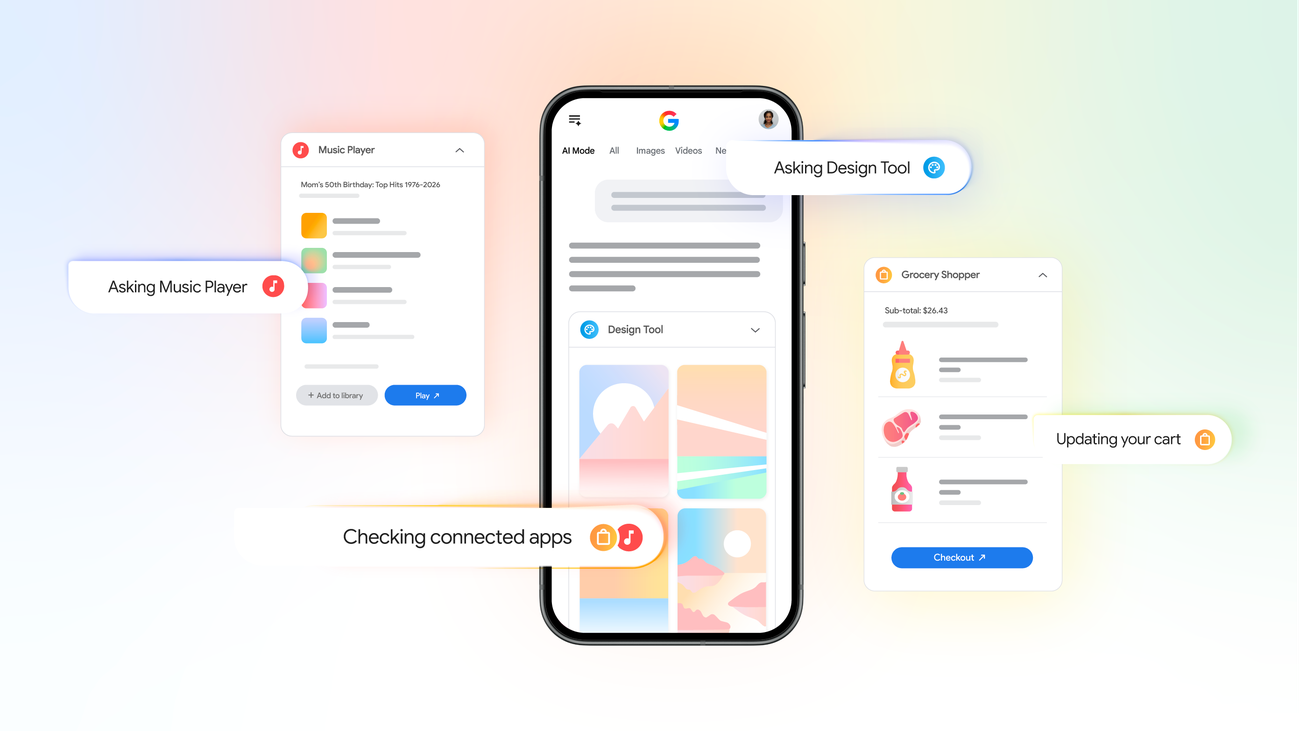
Google has officially begun the rollout of a significant update to its Search platform, allowing users in the United States to securely link and interact with third-party service providers directly within the interface’s AI Mode. This move, spearheaded by Senior Product Manager Chips Mistry and Engineering Lead Biharck Araújo, represents a pivotal shift in the search engine’s utility, transitioning it from a discovery engine into a proactive task-execution hub. By enabling direct integrations with popular services such as Instacart, Canva, and YouTube Music, Google is positioning its AI-driven search experience as a centralized command center for digital productivity and e-commerce.
The announcement marks a maturation of Google’s generative AI strategy, moving beyond the mere summarization of information to the execution of complex, multi-step actions. Previously, users could connect various Google Workspace services to the Gemini app, but this latest expansion brings that functionality directly into the core Search experience, where the vast majority of web traffic begins. The integration allows for a "frictionless" user journey, where the transition from an initial query to a completed transaction or creative project occurs within a single, unified conversational interface.
The Evolution of Search: From Information to Action
For over two decades, the primary function of Google Search was to provide a list of relevant links—the "ten blue links"—that directed users to external websites. With the advent of the Search Generative Experience (SGE) and the subsequent rebranding of various AI features under the Gemini and AI Mode umbrellas, Google has been steadily moving toward a "search-to-action" model. This latest update is the most concrete manifestation of that vision to date.
According to the product team, the goal is to help users "get even more done" without the cognitive load of switching between multiple tabs and applications. When a user enters AI Mode, they are no longer just asking a question; they are initiating a workflow. By connecting apps, the AI gains the context necessary to perform tasks on the user’s behalf. This "Personal Intelligence" layer uses the connected app’s data—with the user’s explicit permission—to provide tailored responses that are unique to the individual’s needs and existing accounts.
Strategic Partner Integrations: Instacart, Canva, and YouTube Music
The initial phase of the rollout focuses on three distinct categories of digital activity: e-commerce, creative productivity, and media consumption. Each partner represents a leader in their respective field, serving as a proof-of-concept for how third-party APIs can be leveraged within a generative AI framework.
Streamlining E-Commerce with Instacart
In the realm of grocery shopping and meal planning, the integration with Instacart allows for a seamless transition from inspiration to purchase. For example, a user planning a weekend barbecue can use AI Mode to generate a grocery list based on specific dietary preferences or the number of guests. If the Instacart app is connected, the AI can automatically populate an Instacart shopping cart with the required ingredients. The user can then finalize the order and check out with a few taps on the Instacart platform. This eliminates the manual process of copying and pasting items from a search result into a shopping app, significantly reducing the time spent on routine household management.
Enhancing Creative Workflows with Canva
For creative professionals and casual users alike, the integration with Canva offers a new way to jumpstart design projects. By asking AI Mode for design concepts—such as a flyer for a local event or a social media template—users can view specific Canva templates directly within the Search interface. This bypasses the initial search within the Canva app itself, allowing the AI to act as a curator that matches the user’s natural language request with the most relevant design assets.
Curating Media through YouTube Music
The media integration focuses on the personalization of entertainment. Users can instruct AI Mode to curate a specific soundtrack or playlist for a particular mood or event. Once the playlist is generated, it can be instantly saved to the user’s YouTube Music library. This functionality demonstrates how Google is leveraging its own ecosystem alongside third-party services to create a more cohesive user experience.
Technical Infrastructure and Security Considerations
The integration of third-party apps into Search relies on a sophisticated API architecture and a robust security framework. Chips Mistry and Biharck Araújo emphasized that security and user privacy are at the forefront of this development. The linking process is designed to be secure, utilizing industry-standard authentication protocols to ensure that Google only accesses the data necessary to perform the requested tasks.
Users maintain full control over which apps are connected and can revoke access at any time through their Google account settings. This transparency is crucial as tech giants face increasing scrutiny over data privacy and the way personal information is utilized to train and power AI models. The "Personal Intelligence" aspect of this update is designed to be a private assistant rather than a public data-mining tool, focusing on the utility of the individual user’s data for their own immediate benefit.
Chronology of Google’s AI Integration Journey
The rollout of connected apps in Search is the latest milestone in a rapidly accelerating timeline of AI development at Google:
- May 2023: Google introduces the Search Generative Experience (SGE) at its I/O developer conference, signaling a shift toward AI-powered overviews.
- December 2023: The launch of Gemini, Google’s most capable AI model, which begins to power various features across the Google ecosystem.
- Early 2024: Google begins integrating Gemini into Workspace (Docs, Gmail, Sheets), allowing users to summarize emails and draft documents.
- May 2024: AI Overviews officially launch in the U.S., bringing generative summaries to millions of general search queries.
- July 2024: The introduction of "Connected Apps" in AI Mode, marking the first time third-party services can be directly manipulated through the Search interface.
Market Context and Competitive Landscape
Google’s move to integrate third-party apps is a direct response to the evolving competitive landscape in the AI sector. Competitors like OpenAI (with its ChatGPT "GPTs" and rumored SearchGPT) and Perplexity AI have been exploring ways to make AI more actionable. By turning Search into a platform that can execute tasks, Google is attempting to protect its dominant market share in the search industry while expanding into the burgeoning "AI agent" market.
Industry analysts suggest that the future of the internet lies in "agentic" AI—systems that don’t just talk, but do. According to data from market research firms, the global AI agent market is expected to grow significantly over the next five years as consumers demand more efficient ways to interact with digital services. Google’s advantage lies in its massive existing user base and its deeply entrenched position in the daily digital habits of billions of people.
Broader Implications for the Open Web and SEO
The integration of third-party apps directly into Search has profound implications for the broader internet ecosystem. For decades, the "search economy" has been built on the premise of driving traffic to websites. If users can complete tasks—like shopping or designing—without ever leaving the Google interface, the traditional click-through model may be disrupted.
For businesses and developers, this shift necessitates a new approach to Search Engine Optimization (SEO). In the future, "AI Optimization" may become just as important as traditional SEO. Companies will need to ensure their APIs are compatible with Google’s AI Mode and that their data is structured in a way that AI agents can easily interpret and act upon. This could lead to a more centralized web where a few major platforms act as the gatekeepers to all digital transactions.
Official Responses and Future Outlook
In their announcement, Mistry and Araújo expressed optimism about the future of the platform, stating that they are currently "working with a range of partners" and look forward to "launching with more apps soon." This suggests that the current integration with Instacart, Canva, and YouTube Music is only the beginning of a much larger ecosystem.
The potential for future integrations is vast. One could imagine a scenario where a user books a flight, reserves a hotel, and rents a car entirely through AI Mode, with the AI coordinating between airline, hospitality, and transportation apps. Similarly, professional workflows could be revolutionized by connecting project management tools like Asana or Slack directly to the search bar.
As Google continues to refine its AI Mode, the distinction between a "search engine" and an "operating system" continues to blur. By embedding third-party services directly into the search experience, Google is not just helping users find information; it is building a comprehensive digital assistant capable of navigating the complexities of the modern web on behalf of the user. The success of this initiative will ultimately depend on user adoption and the ability of Google to maintain a balance between convenience, security, and the health of the broader digital ecosystem.