Some Iphone Apple Watch And Ipad Trade In Prices Just Changed Your Old Iphone Might Be Worth More Than It Was Yesterday
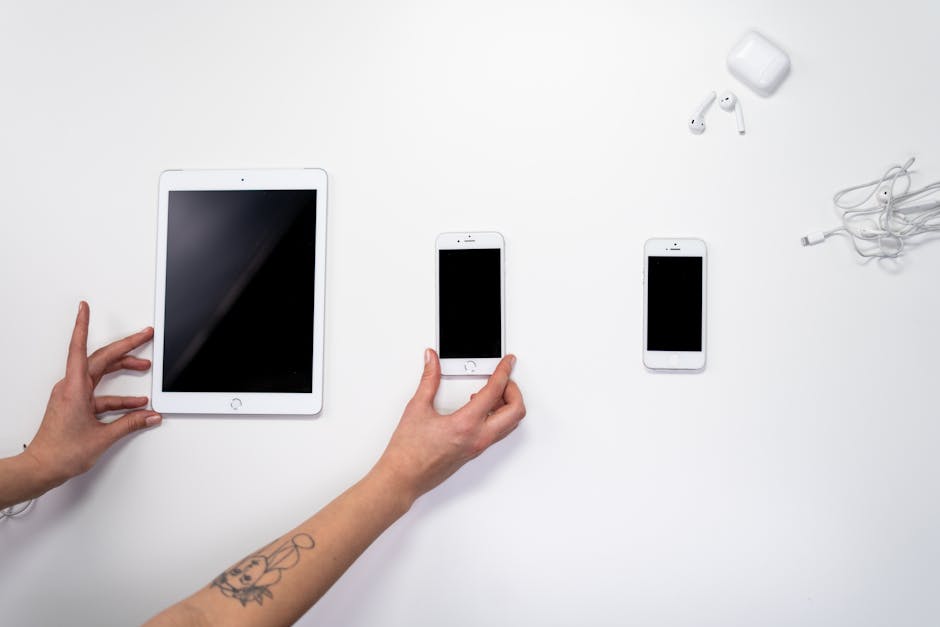
iPhone, Apple Watch, and iPad Trade-In Prices Just Changed: Your Old Device Might Be Worth More
Recent adjustments to Apple’s trade-in program have significantly impacted the value of older iPhones, Apple Watches, and iPads. This shift, effective immediately, presents an opportune moment for consumers to upgrade their devices, potentially unlocking more value from their current technology than previously anticipated. The revised pricing structure reflects a dynamic market, influenced by demand for refurbished devices, component scarcity, and Apple’s ongoing sustainability initiatives. Understanding these changes is crucial for maximizing your return on investment when trading in your used Apple products. The increased valuations mean that devices that may have seemed too old or too low in value to be worth trading in are now commanding a more attractive price. This update encourages users to re-evaluate their upgrade plans and consider the financial benefits of participating in Apple’s official trade-in program.
The core of these recent price adjustments lies in Apple’s strategic recalibration of its recycling and refurbishment pipeline. As global supply chains continue to experience volatility, particularly for critical semiconductor components, the demand for high-quality, pre-owned Apple devices has surged. Refurbished iPhones, in particular, represent a significant segment of the market for consumers seeking premium technology at a more accessible price point. Apple’s own refurbishment process ensures a high standard of quality and reliability, making these devices attractive alternatives to new purchases. Consequently, the company has seen fit to increase the trade-in values it offers for a broad range of older iPhone models to incentivize more users to contribute to this supply. This not only benefits the consumer by offering more money for their old device but also strengthens Apple’s internal ecosystem by feeding its refurbishment operations. The financial incentive is designed to be compelling enough to overcome the inertia of holding onto older devices.
Specifically, older iPhone models are seeing some of the most notable increases. Devices that were previously valued at modest amounts are now worth considerably more, making the upgrade path to the latest iPhone models more financially palatable. For instance, models like the iPhone 11 series, which have been in circulation for several years, are now fetching trade-in values that could significantly offset the cost of a new iPhone 14 or iPhone 15. Similarly, even older generations, such as the iPhone X and iPhone XR, have experienced a bump in their trade-in valuations. This indicates a strategic move by Apple to keep a steady stream of these devices entering its refurbishment channels, ensuring a robust supply for the growing pre-owned market. The exact increase varies by model, condition, and storage capacity, but the overall trend points towards a positive revaluation across the board for iPhones.
The Apple Watch segment of the trade-in program has also seen adjustments. While often overlooked in trade-in discussions compared to iPhones, older Apple Watch models are now being valued more favorably. This is likely driven by the continuous innovation in Apple Watch features, such as advanced health monitoring and fitness tracking, which maintain their appeal even in older generations. The desire for a smartwatch experience without the premium cost of the latest model fuels demand for refurbished Apple Watches. Therefore, Apple has increased the trade-in values for Series 3, Series 4, and Series 5 models, among others. This makes it more attractive for users to trade in their existing Apple Watch when purchasing a new model or even to transition to an Apple Watch if they are current iPhone users considering their first wearable. The growing importance of the Apple Watch as a health and fitness companion contributes to its enduring value.
Furthermore, iPads are not immune to these trade-in price revisions. With the continued evolution of the iPad into a versatile device capable of replacing laptops for many users, the demand for both new and refurbished iPads remains strong. Older iPad models, including various generations of the iPad Air, iPad Pro, and the standard iPad, have seen their trade-in values rise. This is particularly beneficial for students and professionals who rely on their iPads for productivity and creative tasks and are looking to upgrade to newer models with enhanced performance, larger displays, or stylus compatibility. The increased trade-in values for iPads can make the jump to a newer iPad Pro or even a significantly upgraded standard iPad a more achievable financial goal. The versatility of the iPad line, from entry-level models to professional-grade devices, ensures a broad appeal in both the new and refurbished markets.
The methodology behind these trade-in valuations is multifaceted. Apple likely employs a combination of internal data on refurbishment costs, market demand for specific refurbished models, and the resale value of components. The lifespan of a device’s core components, such as the processor, display, and battery, plays a critical role. Newer devices with more advanced processors and longer battery health generally command higher trade-in values. However, the recent adjustments suggest a broader appreciation for the overall usability and desirability of even slightly older models. This could be a direct response to increased competition in the refurbished device market, prompting Apple to offer more competitive trade-in prices to retain customers within its ecosystem. The company’s commitment to sustainability, promoting a circular economy where old devices are given new life, also underpins these valuation strategies.
For consumers, the implications of these changes are straightforward: act now if you’re considering an upgrade. The current increased trade-in values offer a distinct financial advantage that may not be permanent. Monitoring Apple’s official trade-in portal is essential, as prices can fluctuate based on inventory levels and market demand. It’s also important to note that the condition of the device significantly impacts its trade-in value. Devices that are in excellent working condition, with minimal cosmetic damage and fully functional components, will always yield the highest valuations. However, even devices with some wear and tear may now be worth more than they were previously, making them candidates for trade-in that might have been overlooked before.
When evaluating your old device for trade-in, consider the following factors: screen condition (cracks, dead pixels), battery health (indicated in the device’s settings), any physical damage to the body or casing, and whether all buttons and features are operational. The storage capacity also plays a role, with higher storage configurations generally being worth more. Before initiating a trade-in, ensure all personal data is backed up and erased from the device. Apple provides clear instructions on how to prepare your iPhone, Apple Watch, or iPad for trade-in, including steps for removing Apple IDs and all content and settings. This preparation is crucial to ensure a smooth transaction and to protect your privacy.
The economic benefits extend beyond just reducing the cost of a new device. By trading in, users contribute to a more sustainable technology cycle. Instead of discarding perfectly functional devices, they are given a chance to be refurbished and used by new owners, reducing electronic waste and the demand for newly manufactured products. This aligns with growing consumer awareness about environmental impact and the desire to make more responsible purchasing decisions. Apple’s trade-in program is a key component of its broader environmental initiatives, aiming to make its products and processes more carbon-neutral. The increased trade-in values can be seen as a direct incentive for consumers to participate in this environmentally conscious practice.
In conclusion, the recent revisions to Apple’s trade-in program for iPhones, Apple Watches, and iPads present a compelling opportunity for consumers to upgrade their devices. The increased valuations for older models reflect a dynamic market driven by demand for refurbished products and Apple’s commitment to sustainability. By understanding these changes and preparing their devices accordingly, users can maximize their return and make a financially savvy and environmentally responsible decision when considering their next Apple purchase. The window of opportunity for these elevated trade-in values is now, making it an ideal time to explore the potential worth of your current Apple technology.