Pixel Watch users report significant battery drain following recent software updates

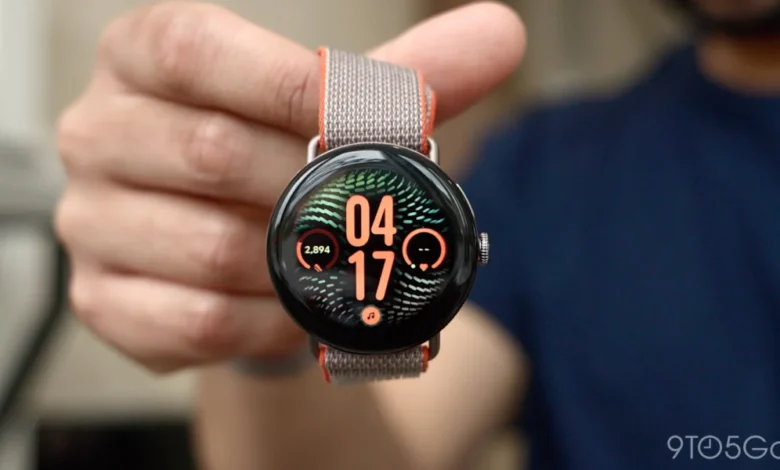
A growing number of Google Pixel Watch owners are reporting significant, unexplained battery depletion, with some users noting a loss of up to 20% of their charge every few hours. These reports, which have surfaced prominently on platforms such as Reddit, suggest that recent software deployments may be placing an unsustainable load on the hardware of various Pixel Watch models, including the second and fourth generations. While the issue does not currently appear to be universal, the frequency of these complaints indicates a potential systematic flaw introduced in recent firmware cycles.
The reports characterize a sudden shift in device performance. One user noted that their Pixel Watch 2, typically capable of lasting 48 hours with the Always-On Display (AOD) disabled, is now failing after only 12 hours of use. Similarly, owners of the newer Pixel Watch 4 have reported that their devices—which generally offer up to 2.5 days of battery life—are now struggling to remain powered for a full 24-hour cycle. This represents a substantial degradation in performance, significantly impacting the utility of these wearable devices for health tracking, sleep monitoring, and notification management.
Chronology of the Technical Anomalies
The timing of these battery issues correlates with two significant software rollouts from Google. In mid-September 2026, Google released a firmware update for the Pixel Watch 2 and subsequent models that introduced “Gemini Personalization.” This feature is designed to leverage user data from Gmail, Calendar, and past interactions to provide context-aware, proactive responses. While this update adds considerable functionality to the wearable experience, it also necessitates constant background processing and data synchronization, both of which are known to be resource-intensive for battery-constrained devices like smartwatches.
Furthermore, in late October 2026, Google pushed an update focused on “Google Health,” which included expanded automatic activity detection. While such features are intended to enhance the health-monitoring capabilities of the watch, they rely on sophisticated sensor arrays that must remain active and polling for data.
The discrepancy in user reports suggests that the issue might be triggered by a specific interaction between these new services and existing system processes. While some users noticed the decline immediately following these updates, others report that the issues emerged sporadically over the last few weeks. This variability makes it difficult to isolate a single point of failure, though the consensus among affected users points toward software instability rather than hardware degradation.
Supporting Data and Technical Implications
Battery management in smartwatches is a delicate balance between performance and power consumption. The Pixel Watch series utilizes a small-capacity lithium-ion battery designed to support a specific power envelope. When a new process—such as a background-running LLM (Large Language Model) agent or an always-on activity tracker—exceeds the allocated power budget, the device experiences "thermal throttling" or "excessive wake-lock" issues.
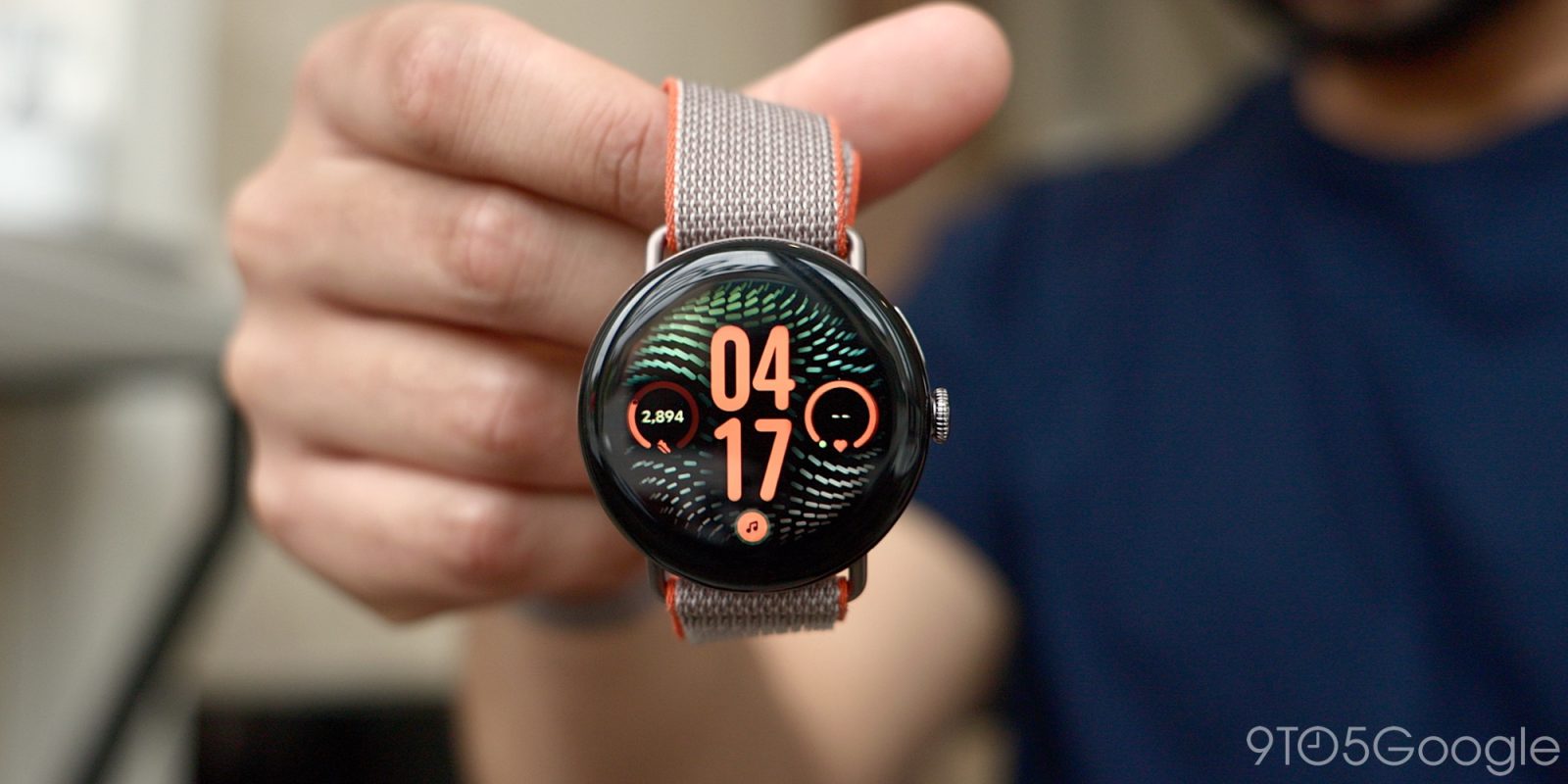
In technical terms, a "wake-lock" occurs when a software process prevents the processor from entering a low-power "sleep" state. If the September or October updates introduced a bug that keeps the CPU in a high-performance state unnecessarily, the battery drain would be logarithmic rather than linear. Reports of 20% drain every few hours align with the profile of a runaway background process, as these processes typically consume constant energy regardless of whether the user is actively interacting with the device.
Comparative data suggests that such issues are not unique to the Pixel line, though they are particularly disruptive in the context of Google’s wearable ecosystem, which markets itself on long-lasting, reliable health tracking. When a device that should last 48 hours is reduced to 12, it fundamentally breaks the user’s ability to track sleep patterns overnight, as the watch requires a recharge before the end of the day.
The Role of Software Updates in Wearable Ecosystems
The introduction of Gemini Personalization represents a shift in the philosophy of wearable technology. Moving from a device that acts as a passive extension of the smartphone to an active, AI-driven assistant requires a higher computational load. The Pixel Watch 2 and 4 are equipped with custom silicon designed to handle these tasks, but the optimization of this hardware is entirely dependent on the efficiency of the underlying OS.
If the "Gemini Personalization" feature is indeed the primary driver of the drain, it suggests that the synchronization logic between the watch and the user’s cloud-based Google account is not properly optimized for intermittent connectivity. When a watch frequently attempts to fetch data or re-index information to provide "personalized" updates, it maintains a constant connection to the smartphone or Wi-Fi, preventing the radio components from entering a power-saving mode.
Official Response and Corporate Stance
As of late October 2026, Google has not released an official statement acknowledging a widespread battery drain issue. In the past, when similar issues have affected Pixel hardware, Google’s support channels have typically advised users to perform a factory reset, clear the cache of the Google app, or disable high-drain features like the Always-On Display or specific health tracking sensors.
However, industry analysts note that if the problem is rooted in the architecture of the September or October updates, individual troubleshooting steps—such as clearing app caches—will likely provide only temporary relief. A permanent resolution would require a "hotfix" or a minor version update to the firmware to optimize the background processes currently causing the drain.
Broader Impact and Consumer Consequences
The current situation highlights the inherent risks of "feature-rich" software updates in the Internet of Things (IoT) space. Consumers expect devices to improve over time, but the integration of complex AI features often creates a paradox where the "smarter" the device becomes, the more frequently it requires a power source.

For the Pixel Watch ecosystem, this presents a significant challenge to brand loyalty. Users who invested in the Pixel Watch 4 specifically for its battery longevity—a key selling point against competitors—are finding that the device’s core value proposition is being undermined by software instability. If these issues persist, it could lead to increased return rates, a decline in customer satisfaction scores, and a cooling of the secondary market for older Pixel Watch models.
Moreover, the lack of a clear, unified symptom set across all users complicates the situation. Because some users remain unaffected while others experience catastrophic battery loss, there is speculation that the issue may be tied to specific user configurations or the density of data being processed by the new Gemini features.
Recommendations for Affected Users
While waiting for an official patch, users experiencing these issues have limited options. Standard industry practices for diagnosing sudden battery drain include:
- Disabling Recent Features: Turning off "Gemini Personalization" or reverting to a standard watch face that does not rely on dynamic data updates can sometimes mitigate the drain.
- Monitoring Battery Usage Stats: Checking the "Battery" section in the Pixel Watch settings app via the connected phone can help identify if a specific app or system process is consuming an abnormally high percentage of energy.
- Restricting Background Activity: Limiting the number of apps that are allowed to refresh in the background may provide some relief.
- Firmware Rollback (Where Possible): While difficult for the average user, some tech-savvy owners have explored reverting to previous versions of the OS, though this is not recommended due to security vulnerabilities.
Future Outlook
The industry will be watching closely to see how Google addresses these reports. Given the company’s recent push to make Gemini a central component of its hardware strategy, fixing the power efficiency of these AI features is critical. If the company ignores these reports, it risks alienating a user base that prioritizes reliability over novelty.
In the coming weeks, a patch addressing battery optimization for the September and October updates is expected. Whether this will fully resolve the reported drain remains to be seen. Until such a patch is deployed, the community of Pixel Watch users will likely continue to document their experiences, serving as an unofficial, crowdsourced diagnostic tool for Google’s engineering teams. For now, the focus remains on whether the efficiency of the Pixel Watch can be restored to its pre-update standards, ensuring that the device remains a functional tool rather than a frequent tether to a charging dock.