The 2026 Japan and France Social Media Dispute Over Anime Imagery in Political Protests

The intersection of popular culture and geopolitical unrest has frequently produced unexpected cultural friction, yet few digital clashes have escalated as rapidly or virally as the October 2026 online dispute between social media users in Japan and France. What began as local documentation of civil disobedience in Europe quickly transformed into a cross-continental flame war on the platform X (formerly Twitter). The conflict centered on the unexpected deployment of the iconic Straw Hat Pirates flag—originating from Eiichiro Oda’s globally celebrated manga and anime franchise One Piece—by demonstrators participating in France’s controversial Act 3 protests. As images of the fictional pirate banner flying alongside real-world demands for economic reform circulated globally, the digital reaction exposed deep-seated cultural anxieties, nationalist rhetoric, and the complex ways in which modern fandoms intersect with socio-political movements.
Main Facts and Genesis of the Conflict
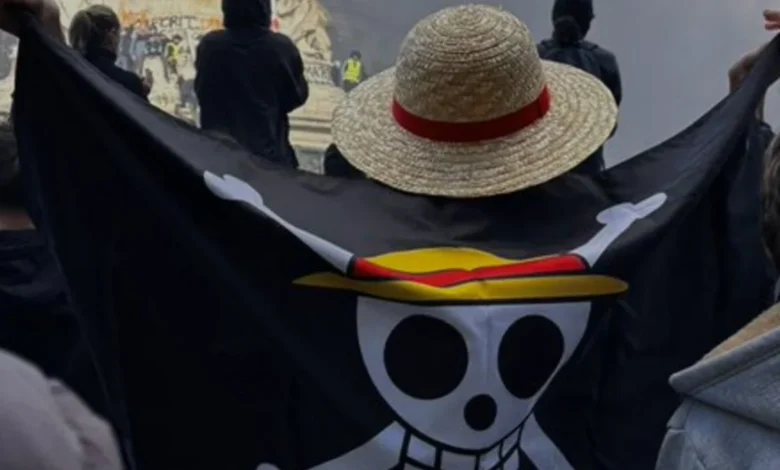
The catalyst for the digital confrontation occurred on October 17, 2026, when an X user documented a scene from the ongoing Act 3 demonstrations in France. The Act 3 protests represent a broad coalition of citizens voicing intense dissatisfaction with domestic governance, specifically targeting escalating cost-of-living crises, aggressive educational reforms, and sweeping national budget cuts. Within these demonstrations, pockets of protestors adopted non-traditional iconography to signal anti-establishment sentiment. Among these symbols was the skull-and-crossbones emblem worn by the protagonist Luffy’s crew in One Piece, a series renowned worldwide for themes of freedom, rebellion against corrupt authorities, and the pursuit of justice.
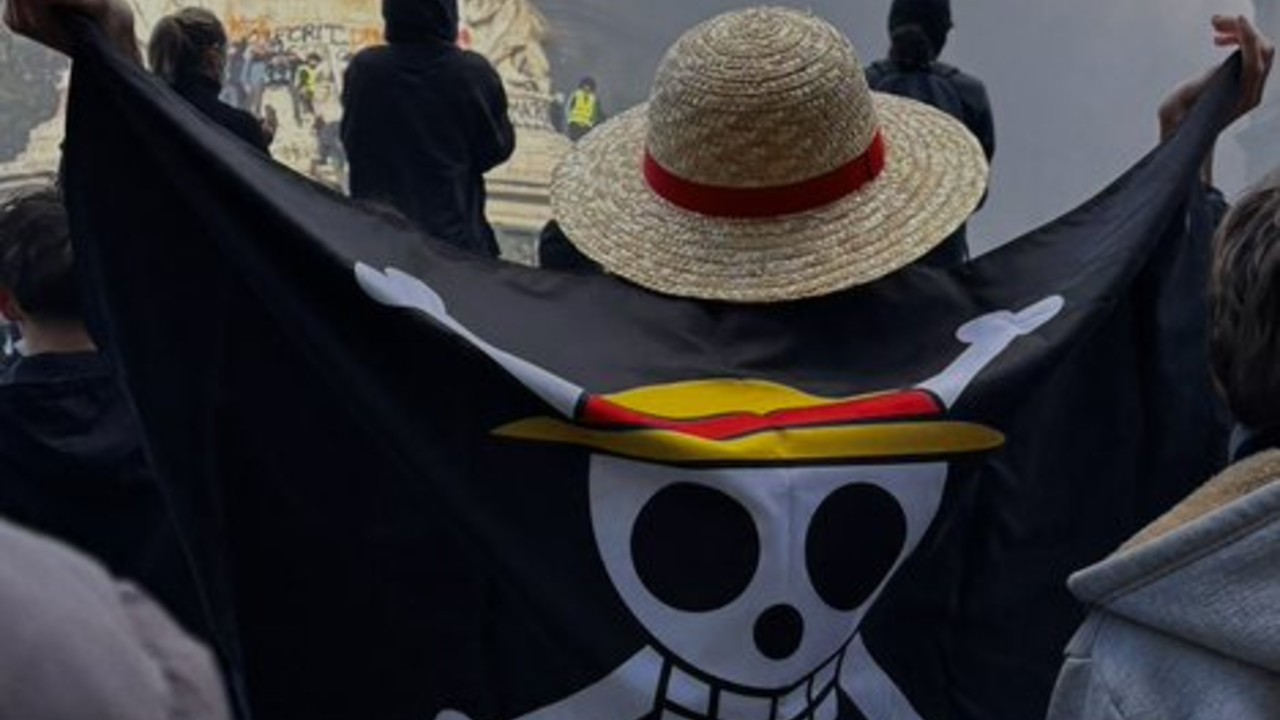
A photograph capturing a protestor wearing a straw hat while flying the One Piece flag quickly gained traction, surpassing 30,000 likes within ten days of publication. While international observers initially viewed the imagery as a pop-culture-infused nod to anti-authoritarianism, the reaction from Japanese social media users was sharply critical. To many domestic Japanese fans, the use of a beloved national cultural export to brand contentious, and at times violent, civil unrest crossed a cultural red line. Critics on X argued that associating a mainstream anime property with real-world riots or property damage amounted to the defamation of Japanese cultural output and the potential justification of criminal behavior.
Chronology of Escalation
The digital timeline of the dispute illustrates a swift deterioration of discourse, shifting from aesthetic debates to national comparison and xenophobic rhetoric:
- October 17, 2026: User @le4ory publishes the initial photograph of the One Piece flag at an Act 3 protest in France, sparking organic viral interest.
- October 18, 2026: User @ZzzzzSol shares a post framing the Straw Hat Pirates flag as a definitive symbol of modern European revolution, drawing broader Western attention. Concurrently, initial pushback from Japanese users begins to surface.
- October 19, 2026: Aggregator accounts, notably @AnimeSpotlightt, translate and compile Japanese sentiment for global audiences. The compilation highlights widespread anger among Japanese fans who accuse protestors of using anime imagery for superficial social media clout, accumulating over 4.1 million views.
- October 22–24, 2026: The discourse transitions from the appropriateness of anime symbols to direct geopolitical and cultural antagonism. Users from both nations begin exchanging inflammatory rhetoric, memes, and polarized demographic statistics regarding crime rates, societal health, and immigration.
- October 26, 2026: Mainstream digital culture outlets, including Mashable, begin reporting on the escalating online feud. Simultaneously, short-form video platforms such as TikTok amplify the narrative, with humorous and satirical takes on the "Twitter War" garnering millions of views.
Cultural Friction and Comparative Statistics
As the digital standoff matured, participants on both sides abandoned nuanced debate in favor of comparative data warfare. Users weaponized societal statistics to portray their respective nations in a superior light while denigrating the opposition.
Japanese nationalist accounts and critics of French social policy frequently highlighted domestic crime rates, particularly pointing to official French interior ministry statistics regarding sexual assault and child protection data from 2025 and preceding years. These users argued that France’s internal socio-political struggles disqualified its populace from utilizing symbols associated with disciplined or peaceful artistic expressions. Furthermore, prominent Japanese accounts advanced narratives blaming immigration policies for what they characterized as the societal degradation of France, drawing parallels that they claimed threatened international perceptions of Japan.
Conversely, French and Western accounts retaliated by targeting distinct cultural vulnerabilities in Japan. This included recirculating discussions surrounding Japan’s demanding corporate work culture, demographic decline, and historical rates of isolation and suicide. Memes utilizing popular internet formats, such as the "Rowley Waves" template, were adapted to mock Japanese social phenomena, garnering hundreds of thousands of interactions. This tit-for-tat exchange transformed the platform into an arena for sweeping cultural generalizations, highlighting the darker side of borderless social media ecosystems where localized grievances are rapidly globalized and polarized.
Broader Impact and Implications
The 2026 Japan-France Twitter war serves as a modern case study in the globalization of localized protest and the unintended consequences of transnational pop culture fandom. One Piece, as a franchise with an unprecedented global footprint, occupies a unique space in international media. Created in Japan, its themes are universally resonant, allowing Western audiences to interpret its rebellious ethos through their own domestic political lenses—in this case, French anti-government demonstrations.
However, the vehement pushback from Japanese netizens underscores a persistent tension between cultural exporters and global consumers. For domestic fans, anime is viewed not merely as global entertainment, but as a source of national pride that ought to be insulated from foreign political violence and civil disruption. The insistence that international fans respect the boundaries of domestic cultural property reflects a broader protective impulse seen across various fandoms in the digital age.
Ultimately, the incident highlights the volatility of X’s algorithmic ecosystem, which frequently incentivizes outrage, translation-driven polarization, and reductive nationalist posturing. While physical protests in France continue to address tangible economic grievances, the digital shadow cast by the One Piece flag illustrates how symbols can be co-opted, reinterpreted, and fiercely contested across linguistic and geographic divides.
Related posts: