Microsoft Unleashes Record-Breaking Patch Tuesday with Over 570 Security Fixes, Cites AI as Catalyst for Escalating Vulnerability Discoveries

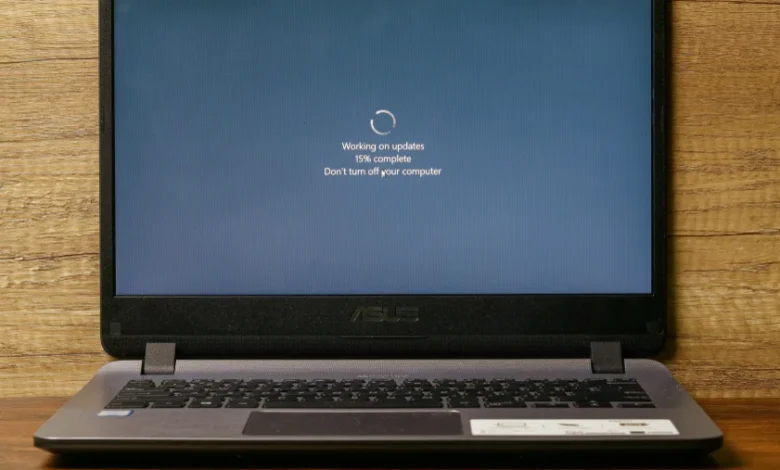
Microsoft Corp. today released a colossal software update, addressing an unprecedented 570 security vulnerabilities across its Windows operating systems and a wide array of other software products. This number represents a nearly threefold increase compared to the previous month’s record-smashing "Patch Tuesday" release, a development the software giant attributes directly to the accelerating pace of vulnerability discovery, significantly aided by advancements in artificial intelligence. The sheer volume of this month’s patches underscores a rapidly evolving threat landscape and a fundamental shift in how software vulnerabilities are being identified and subsequently addressed by major technology providers.
The Scale of the July Patch Tuesday: A Deep Dive into the Numbers
The July 2026 Patch Tuesday, as it is now being referred to, has set a new benchmark for the number of security flaws patched in a single release. Of the more than 570 vulnerabilities resolved, a staggering 60 were classified as "critical." This classification signifies a severe level of risk, where malicious actors or malware could potentially gain complete remote control over a Windows device with minimal or no user interaction. Such vulnerabilities are prime targets for cybercriminals looking to launch widespread attacks, compromise sensitive data, or disrupt critical infrastructure.
In addition to the critical and high-severity flaws, Microsoft also addressed three zero-day vulnerabilities, a particularly concerning category as these are flaws that have been actively exploited in the wild before a patch is available. Two of these zero-days were already being leveraged by attackers, highlighting the urgency with which users and organizations need to apply these critical updates.
Zero-Day Exploits and Elevation of Privilege Concerns
Among the zero-day vulnerabilities addressed, two stand out for their potential to grant attackers elevated privileges on a compromised Windows system. This capability is highly sought after by cybercriminals as it allows them to bypass user restrictions and gain deeper access to a system’s resources and data. This month’s update also tackled approximately 250 other "elevation of privilege" flaws, indicating a broader trend of attackers seeking to escalate their access once an initial foothold is established.
Two specific elevation of privilege vulnerabilities highlighted are:
- CVE-2026-56155: This vulnerability affects Active Directory Federation Services (AD FS), a critical component for identity and access management in many enterprise environments. Exploitation of this flaw could allow an attacker to gain unauthorized administrative control over sensitive identity data.
- CVE-2026-56164: This flaw is rooted in Microsoft SharePoint, a widely used collaboration and document management platform. A successful exploit could lead to unauthorized access and manipulation of data stored within SharePoint environments.
Another notable vulnerability patched is CVE-2026-50661, a security feature bypass within Windows BitLocker. BitLocker is a full-disk encryption feature designed to protect sensitive data at rest. While this particular bug requires physical access to the device, its successful exploitation could allow an attacker to bypass encryption and access protected data. Microsoft has indicated that while the vulnerability has been publicly disclosed, they are not aware of any active exploitation campaigns targeting it at this time.
The AI Revolution in Vulnerability Discovery
Microsoft Executive Vice President Pavan Davuluri, in a blog post on July 9th, directly linked the surge in patch counts to the increasing capabilities of artificial intelligence in vulnerability research. Davuluri stated that Windows users should anticipate a "higher volume of security updates included in each security release" moving forward. He elaborated on the transformative impact of AI, noting, "The pace of vulnerability discovery is changing with advances in AI making it possible to find more issues, faster, across more code, with new mechanisms that can accelerate both discovery and analysis."
This statement from Microsoft confirms a growing trend within the cybersecurity industry: AI is no longer just a tool for defense but is also becoming a powerful engine for offensive security research, enabling researchers and potentially malicious actors to identify vulnerabilities at an unprecedented speed and scale.
Emerging Threats: Microsoft Copilot and the Exploitability Index Debate
Amidst the deluge of patches, security researchers are also drawing attention to specific vulnerabilities with potentially significant implications. Jack Bicer, director of vulnerability research at Action1, highlighted CVE-2026-48561, a critical remote code execution flaw within Microsoft Copilot, the AI-powered assistant integrated into various Microsoft products. This vulnerability carries a high CVSS threat score of 9.6, indicating a severe risk. An unauthorized attacker could exploit this flaw by hosting a malicious website that, when visited by a user with Microsoft Edge for Android, automatically sends crafted prompts to Copilot. This could lead to the execution of arbitrary code on the user’s device.
The increasing sophistication of AI in discovering vulnerabilities also raises questions about traditional methods of assessing risk. Microsoft has long utilized an "exploitability index" to gauge the likelihood of a given vulnerability being exploited in the wild. However, the rapid advancements in AI-powered exploit development are challenging the effectiveness of this human-centric assessment.
Satnam Narang, senior staff research engineer at Tenable, expressed concerns that Microsoft’s exploitability index needs to adapt more rapidly to the machine-speed of discovery. He pointed to the SharePoint zero-day vulnerability (CVE-2026-56164) as an example. Initially, Microsoft rated this flaw as "less likely" to be exploited. However, it was subsequently added to the Cybersecurity and Infrastructure Security Agency’s (CISA) Known Exploited Vulnerabilities catalog on July 1st, demonstrating a disconnect between Microsoft’s assessment and real-world exploitation.
Narang further cited findings from Anthropic’s Red Team, which demonstrated that their AI model, Mythos Preview, could generate proof-of-concept exploits for 13 out of 14 vulnerabilities rated as "Exploitation Less Likely" or "Exploitation Unlikely." "What this means is that our way of looking at Patch Tuesday has changed, because the exploitability index is centered around humans, not AI tools, and as these tools continue to improve, defense needs to improve alongside it," Narang commented, emphasizing the urgent need for defense strategies to evolve in lockstep with AI-driven offensive capabilities.
A Broader Industry Trend: The Accelerating Patch Cadence
Microsoft’s record-breaking release is not an isolated incident. The cybersecurity industry is witnessing a broader trend of increasing patch cadence among major software vendors. Chris Goettl, from Ivanti, observed that alongside Microsoft, companies like Adobe have announced a shift to twice-monthly security bulletins, published on the second and fourth Tuesdays of each month, also citing AI as a factor in accelerating their patch cycles. Cisco, Mozilla, and Oracle are also reportedly shipping updates more frequently. Notably, Google’s patch batches in June 2026 alone exceeded 900 security fixes, underscoring the escalating volume of vulnerabilities being identified and patched across the software ecosystem.
Implications for End Users and Organizations
The sheer volume of security fixes released today presents both an opportunity and a challenge for users and organizations. While the prompt application of these patches is crucial for maintaining security, the magnitude of the update may necessitate a cautious approach.
Recommendations for Users and Organizations:
- Prioritize Backups: Before applying any significant operating system updates, it is always a best practice to ensure that Windows systems and critical data are backed up. This provides a safety net in case of any unforeseen issues arising from the update process.
- Staggered Rollouts: Given the unprecedented volume of patches, end-users and IT administrators may consider waiting a few days before deploying these updates across their environments. This allows time for potential system stability issues to be identified and addressed by the wider community or through subsequent hotfixes.
- Vulnerability Management: Organizations must continuously review and refine their vulnerability management strategies. This includes staying abreast of zero-day threats, understanding the evolving capabilities of AI in both offense and defense, and ensuring that patching schedules are robust enough to address critical vulnerabilities promptly.
- Educate on AI Risks: Awareness of how AI can be used by both attackers and defenders is paramount. Security teams need to understand the potential for AI to accelerate exploit development and to leverage AI-powered tools for proactive threat hunting and defense.
The July 2026 Patch Tuesday serves as a stark reminder of the dynamic and increasingly complex nature of cybersecurity. As AI continues to reshape the landscape of vulnerability discovery and exploitation, the industry as a whole must adapt its defenses to stay ahead of evolving threats. The record-breaking patch count from Microsoft is not just a statistic; it’s a signal of a significant shift in the cybersecurity arms race, one that will undoubtedly continue to unfold in the months and years to come.