EBay Acquires Depop from Etsy for 1.2 Billion Dollars to Strengthen Dominance in Gen Z Fashion and Recommerce


In a definitive move to consolidate its influence over the global resale market, eBay Inc. has reached a finalized agreement to acquire the peer-to-peer fashion marketplace Depop from Etsy, Inc. for approximately $1.2 billion. The transaction, which received formal clearance from United Kingdom regulatory authorities this week, marks a significant realignment within the e-commerce sector as major players recalibrate their portfolios to better target specific consumer demographics. Following the regulatory green light, the deal is officially scheduled to close on July 30, 2026. This acquisition represents a pivotal step in eBay’s broader "Focus Category" strategy, aiming to integrate Depop’s culturally resonant platform with eBay’s massive operational infrastructure.
The deal comes at a time of transition for both corporations. For Etsy, the sale represents a strategic divestment and a retreat from the "house of brands" model it had aggressively pursued in recent years. For eBay, the acquisition is an offensive maneuver designed to capture the "recommerce" loyalty of younger consumers—specifically Gen Z and Millennials—who have increasingly turned to specialized, community-driven platforms for secondhand fashion.
The Financial Trajectory and Chronology of Depop
To understand the gravity of this $1.2 billion acquisition, one must examine the fluctuating valuation and ownership history of Depop over the last half-decade. In June 2021, at the height of the pandemic-era e-commerce boom, Etsy acquired Depop for $1.625 billion. At the time, Etsy’s leadership believed that Depop would serve as a high-growth engine that complemented Etsy’s own handmade and vintage marketplace.
However, the subsequent years proved challenging for the integration. While Depop continued to grow its user base, the anticipated synergies between Etsy’s artisan-focused seller base and Depop’s trend-driven fashion resellers did not materialize as seamlessly as investors had hoped. By 2025, Etsy began a process of streamlining its operations, which included the sale of its music-gear marketplace, Reverb. The decision to sell Depop to eBay at a $425 million discount compared to its 2021 purchase price suggests a strategic pivot by Etsy to return to its core competencies while providing eBay with a high-value asset at a competitive entry point.
The timeline of the current deal began in February 2026, when eBay first announced its intent to purchase the platform. The intervening months were occupied by a rigorous review by the UK’s Competition and Markets Authority (CMA) and other regulatory bodies, given Depop’s significant market share in the British fashion resale sector. With the final hurdles cleared, the transition of ownership is now in its final stages.
Strategic Alignment: eBay’s Focus Category Framework
Since taking the helm as CEO of eBay, Jamie Iannone has championed a "Focus Category" strategy. This approach moves away from eBay’s historical identity as a generalist "everything store" and toward a model where the company invests deeply in high-value, enthusiast-led verticals. To date, these categories have included luxury watches, trading cards, sneakers, and automotive parts.
The acquisition of Depop is the cornerstone of eBay’s expansion into the "Apparel" focus category. While eBay’s existing fashion segment already generates over $10 billion in annual gross merchandise volume (GMV), it has traditionally struggled to maintain a "cool factor" among teenage and twenty-something shoppers. Depop, conversely, is a cultural powerhouse. Approximately 90% of Depop’s active users are under the age of 34, a demographic that is notoriously difficult for legacy platforms to capture.
By bringing Depop into its ecosystem, eBay gains access to:
- A Massive Youth User Base: Depop currently boasts 56.3 million registered users, including 7 million active buyers and 3 million active sellers.
- Cultural Relevance: Depop is often credited with defining the "resale as social media" trend, where the shopping experience is intertwined with discovery, influencer curation, and community interaction.
- Technological Synergies: eBay intends to introduce its "eBay Live" streaming technology to the Depop community. Livestream shopping has seen explosive growth in Asian markets and is beginning to gain traction in the West, particularly in the collectibles and fashion sectors.
Comparative Data and Market Performance
The scale of this acquisition is underscored by the comparative performance of the two entities. In 2025, Depop generated approximately $1 billion in annual gross merchandise sales. While this is only a tenth of eBay’s $10 billion fashion GMV, Depop’s growth rate and engagement metrics tell a different story.
When Etsy acquired Depop in 2021, the platform had 30 million registered users and 4 million active buyers. In the five years since, the user base has nearly doubled to 56.3 million, and active buyers have increased by 75%. This trajectory indicates that while Depop may be smaller in total volume, its density of active, high-frequency users is a potent asset for eBay’s long-term growth.

Furthermore, eBay’s recent history of acquisitions provides a blueprint for how Depop might be integrated. In 2024, eBay acquired Goldin Auctions to bolster its position in the high-end collectibles market. Rather than fully absorbing Goldin and erasing its brand, eBay maintained Goldin’s independent identity while linking user accounts and backend logistics. A similar "light-touch" integration is expected for Depop, allowing the platform to maintain its unique brand voice and community culture while benefiting from eBay’s global shipping infrastructure, payment processing, and buyer protection programs.
Official Responses and Executive Vision
In statements following the regulatory clearance, eBay CEO Jamie Iannone emphasized the demographic advantages of the deal. "This acquisition presents an opportunity to advance one of our newest and fastest-growing Focus Categories with a marketplace that complements our existing presence," Iannone stated. "We are excited to welcome the Depop team to eBay and look forward to building on what makes them unique—their brand, culture, and community—to deliver compelling benefits to buyers and sellers."
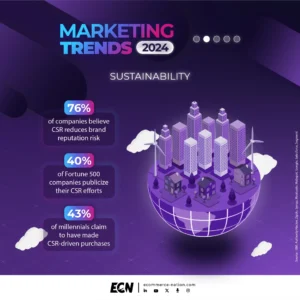
The sentiment from Depop’s leadership has been one of optimistic continuity. The platform’s mission has remained steadfast: to make fashion circular by making secondhand as rewarding as buying new. Under eBay’s ownership, Depop is expected to scale its sustainability initiatives, leveraging eBay’s "recommerce" reports and circular economy data to further influence global fashion consumption habits.
For Etsy, CEO Josh Silverman noted in previous earnings calls that the company remains committed to its core mission of "Keeping Commerce Human." The sale of Depop allows Etsy to focus its resources on the Etsy.com marketplace, which has seen its own set of challenges as it navigates post-pandemic consumer spending shifts.
Broader Implications for the Recommerce Industry
The eBay-Depop deal is a bellwether for the broader e-commerce industry, signaling a period of consolidation. The "recommerce" market—comprising the sale of pre-owned goods—is outperforming the broader retail sector. According to industry analysts, the secondhand fashion market is expected to double in size globally by 2030, driven by both economic necessity (as consumers seek value) and environmental consciousness (as shoppers move away from fast fashion).
By acquiring Depop, eBay is positioning itself as the primary challenger to other major players in the space, such as Vinted, Poshmark, and ThredUp.
- Vinted: Strong in Europe, Vinted focuses on low-cost, high-volume transactions with a "no-fee" model for sellers.
- Poshmark: Recently acquired by the South Korean giant Naver, Poshmark remains a strong competitor in North America with a heavy emphasis on social features.
- The RealReal and ThredUp: These platforms focus on managed resale (consignment), whereas eBay and Depop thrive on the peer-to-peer (P2P) model.
The P2P model is particularly attractive to eBay because it requires less overhead in terms of warehousing and inventory management. Instead, the value lies in the platform’s algorithm, its trust and safety protocols, and its ability to facilitate seamless transactions between individuals across borders.
Future Outlook and Earnings Expectations
As the July 30 closing date approaches, investors will be looking closely at the upcoming second-quarter earnings reports from both eBay and Etsy, scheduled for release on August 5. These reports are expected to provide further clarity on the financial health of Depop at the time of the handover and the specific accounting treatments of the $1.2 billion transaction.
For eBay, the challenge will be to retain Depop’s "cool factor" without alienating its core user base through over-corporate integration. If successful, the acquisition could serve as a masterclass in how a legacy tech giant can reinvent itself for a new generation. For the fashion industry at large, the deal reinforces the reality that the future of retail is increasingly circular, digital, and driven by the values of the youth.
In the long term, the integration of Depop into eBay’s Focus Category ecosystem may not only redefine eBay’s bottom line but also accelerate the global transition toward sustainable, peer-to-peer commerce. As the lines between social media and shopping continue to blur, the eBay-Depop entity is now uniquely positioned to lead the next era of the digital marketplace.
Related posts: