YouTube Acknowledges Widespread Picture-in-Picture Mode Malfunction Affecting iOS and Select Android Users Globally.

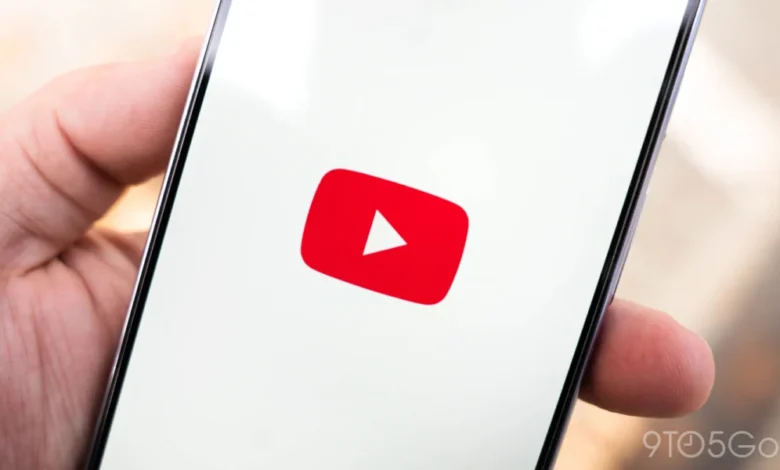
YouTube, the ubiquitous video-sharing platform owned by Google, has officially acknowledged a significant technical malfunction preventing its Picture-in-Picture (PiP) mode from activating correctly for a considerable segment of its mobile user base. The issue, primarily affecting iOS users but with reported instances on Android devices, manifests when users attempt to exit the YouTube application; instead of the video content shrinking into a floating, resizable window on their screen, the video player disappears entirely, leaving only the audio to continue playing in the background. This disruption has prompted a swift response from Google’s engineering teams, who are actively investigating the root cause and working towards a resolution, although concrete progress remained elusive as of Saturday afternoon following the initial identification of the bug.
The Genesis of the Glitch
The problem first came to light on Friday morning, Pacific Time, when YouTube’s internal monitoring systems and user reports began to indicate a consistent failure of the PiP feature. Users, accustomed to seamless multitasking facilitated by the floating player, found their viewing experience abruptly interrupted. Instead of their video content gracefully transitioning to a corner of the screen, allowing them to browse other applications, check emails, or respond to messages while still watching, the video simply ceased visual playback. The persistence of audio, while indicating the video was still technically running in the background, fundamentally defeats the purpose of PiP mode, which is designed for visual continuity.
Google’s internal assessments reveal that the "vast majority of these reports are coming from iOS users," a demographic that frequently utilizes advanced multitasking features. Specifically, the issue has been consistently replicated on iPhones running version 21.28 of the YouTube app. While the problem is less prevalent on Android devices, some users on Google’s mobile operating system have also reported experiencing the same malfunction, underscoring a potential cross-platform element to the bug, even if its impact is currently disproportionately felt by Apple device owners. The company has directed affected users to a dedicated YouTube Help thread for ongoing updates, signaling its commitment to transparency and communication during the resolution process. The official statement from YouTube emphasizes, "Thank you for your patience while we work to get this resolved!"—a standard assurance during such technical outages.
Understanding Picture-in-Picture: A Pillar of Modern Multitasking
Picture-in-Picture mode represents a significant advancement in mobile device usability, enabling users to maintain visual engagement with video content while simultaneously interacting with other applications. Its core function is to allow a video to continue playing in a small, movable window that floats above other apps, enhancing productivity and convenience. This feature has become an indispensable tool for many, transforming how they consume media on their smartphones and tablets.

The concept of PiP, while seemingly simple, relies on complex interactions between the application, the operating system, and the device’s hardware. On iOS, PiP was first introduced with iOS 9, primarily for iPad users with supported video applications like Safari and FaceTime. It was later expanded system-wide with iOS 14 in 2020, allowing virtually any video application to leverage the feature, greatly enhancing the iPhone’s multitasking capabilities. For Android, PiP support arrived earlier, with Android 8.0 Oreo in 2017, providing developers with APIs to implement this functionality within their applications. Its widespread adoption across both major mobile platforms underscores its value proposition: allowing users to seamlessly transition between tasks without interrupting their media consumption. This functionality is particularly valued in an era where users juggle multiple digital activities simultaneously, from checking social media to responding to work emails, all while consuming entertainment or educational content.
YouTube’s PiP Journey: From Premium Perk to Global Standard
YouTube’s implementation of PiP has followed a distinct trajectory, evolving from an exclusive feature for its premium subscribers to a more broadly available option. Initially, Picture-in-Picture mode on YouTube was a marquee benefit reserved for YouTube Premium subscribers. This strategy aimed to incentivize users to pay for the ad-free experience, offline downloads, and background playback, including PiP. The value proposition for Premium was clear: an uninterrupted and more flexible viewing experience.
However, recognizing the growing user expectation for multitasking capabilities and facing competitive pressures from other platforms that offered similar features, YouTube began to reconsider its PiP strategy. Earlier this year, in a significant shift, YouTube started rolling out PiP functionality to free users, initially in the United States, before expanding its availability globally. This strategic move was widely welcomed by the user community, as it brought a premium-like experience to a much larger audience without the subscription barrier. The global rollout for free users was a pivotal moment, cementing PiP as a standard, expected feature for all YouTube users, regardless of their subscription status. This expansion significantly increased the number of users who rely on and expect PiP functionality to work flawlessly, making the current malfunction all the more impactful. The decision to democratize PiP access was likely influenced by a desire to enhance user engagement, keep pace with industry trends, and potentially serve more ads through extended viewing sessions, even if those sessions are in a smaller window.
The Scale of Disruption: Quantifying the User Impact
The sheer scale of YouTube’s user base amplifies the significance of any widespread technical glitch. With over 2 billion logged-in monthly users globally, YouTube is an integral part of daily digital life for a vast segment of the world’s population. Mobile viewing accounts for a substantial portion of this usage, with billions of hours of content consumed on smartphones and tablets every month. The failure of PiP mode, therefore, impacts not just a niche group but potentially millions of users who integrate YouTube seamlessly into their multitasking routines.
While the "vast majority" of reports originating from iOS users points to a more concentrated problem within Apple’s ecosystem, the global market share of iOS devices means this still translates into a considerable number of affected individuals. For instance, in many Western markets, iOS holds a significant, often dominant, share of the smartphone market. Even with a smaller percentage of Android users reporting issues, the sheer volume of Android devices globally ensures that the total number of affected Android users could still be substantial. This cross-platform nature, albeit with varying degrees of severity, suggests a problem that might stem from a recent code change in the YouTube application itself rather than an isolated operating system bug. The frustration expressed by users across social media platforms and support forums underscores the critical role PiP plays in their daily digital workflow. Users have come to expect a level of fluidity and uninterrupted service from major applications like YouTube, and any deviation from this expectation can lead to a noticeable degradation of their overall experience.

Google’s Response and the Road to Resolution
Upon identifying the issue, YouTube’s technical teams initiated an immediate investigation, as confirmed by their communication on the official YouTube Help thread. The phrase "teams are actively investigating the issue" is a standard corporate response, indicating that engineers are engaged in diagnosing the problem, examining recent code changes, and analyzing crash reports and user logs to pinpoint the exact cause. The complexity of modern application development, especially for a platform as vast and intricate as YouTube, means that diagnosing bugs can be a time-consuming process, often involving sifting through millions of lines of code and testing various scenarios across a multitude of device configurations and operating system versions.
The lack of a swift resolution by Saturday afternoon, despite the issue being identified on Friday morning, suggests that the problem might be more deeply rooted or harder to isolate than initially anticipated. Such delays are not uncommon in large-scale software development, where a fix must be thoroughly tested to ensure it doesn’t introduce new vulnerabilities or regressions. Google’s strategy of directing users to a central support thread for updates is a common practice, allowing for consolidated communication and preventing misinformation. Users are expected to monitor this thread for announcements regarding a potential workaround, a temporary patch, or the eventual release of a fixed app version. The company’s commitment to "get this resolved" indicates the high priority assigned to restoring full functionality for a feature that has become fundamental to the user experience.
Implications for User Experience and Platform Reliability
The malfunction of YouTube’s Picture-in-Picture mode carries several implications, both for the immediate user experience and for the platform’s broader reputation for reliability. For users, the immediate impact is one of frustration and inconvenience. The inability to multitask effectively can disrupt workflows, diminish productivity, and detract from the enjoyment of content. This is particularly true for users who rely on PiP for educational content, tutorials, or background entertainment while engaged in other digital tasks. The broken feature essentially forces users to choose between watching a video and using other apps, a choice modern mobile operating systems were designed to eliminate.
From a platform perspective, consistent bugs in core functionalities, especially those recently expanded to a wider audience, can erode user trust and satisfaction. While a single bug is unlikely to cause a mass exodus of users, a pattern of instability could lead to users seeking alternatives or becoming less engaged with the platform. In a highly competitive digital landscape where platforms like TikTok, Instagram Reels, and other streaming services constantly vie for user attention, maintaining a seamless and reliable user experience is paramount. A reliable PiP feature contributes to stickiness, keeping users within the YouTube ecosystem even when they need to briefly interact with other applications.
Furthermore, while PiP is now available to free users, the overall quality and reliability of YouTube’s features can still indirectly influence the perception of its Premium subscription offering. If basic functionalities are perceived as unstable, it might lead some users to question the value proposition of a paid subscription, even if the specific bug does not directly affect Premium-exclusive features. This underscores the importance of robust quality assurance and continuous monitoring for any global application, especially after major feature rollouts or updates.

Looking Ahead: Ensuring Feature Stability
The current PiP malfunction serves as a salient reminder of the ongoing challenges in maintaining complex, cross-platform applications at a global scale. The rapid pace of operating system updates, device diversity, and continuous feature development means that developers must constantly adapt and rigorously test their software. For YouTube, the path forward involves not only identifying and fixing the immediate bug but also reviewing its quality assurance protocols, particularly for features that interact deeply with operating system-level functionalities like PiP.
Once a fix is deployed, YouTube will need to monitor its performance closely to ensure that the issue is fully resolved and that no new regressions have been introduced. This often involves phased rollouts of updates, allowing for real-world testing before a broad release. The incident also highlights the critical role of user feedback and community engagement in identifying and reporting bugs. Platforms like YouTube rely on their vast user base to serve as a distributed testing network, providing invaluable data that can accelerate the resolution process.
Ultimately, the resolution of this PiP malfunction will be crucial for YouTube to reaffirm its commitment to a superior user experience, especially given the recent expansion of this feature to its entire global audience. The expectation is for a swift and effective solution, restoring the seamless multitasking capabilities that millions of users have come to expect and rely upon from the world’s leading video platform.