Google Pixel 11 Pro XL vs. Pixel 10 Pro XL: A Comprehensive Pre-Launch Analysis

The technological landscape is abuzz with anticipation as Google’s Pixel 11 family approaches its rumored debut on August 12, 2026. At the forefront of this new generation is the Pixel 11 Pro XL, slated to introduce a suite of enhancements designed to refine the user experience without necessitating a radical design overhaul. This impending release sparks a critical consideration for consumers: invest in the latest model or leverage the value proposition of its predecessor, the Pixel 10 Pro XL, particularly in an era marked by escalating technology costs. This article delves into a detailed comparison, examining leaked specifications, design innovations, performance upgrades, camera potential, and software developments to provide a comprehensive overview for prospective buyers.
Google’s Evolving Pixel Strategy and Market Context
Google’s Pixel line has consistently aimed to deliver a premium Android experience, characterized by cutting-edge computational photography, robust software integration, and the proprietary Tensor system-on-a-chip (SoC). Since its inception, the Pixel series has carved a niche for itself by focusing on a holistic user experience, often prioritizing AI-driven features and software fluidity over raw hardware specifications alone. However, recent years have seen Google contend with the dual challenge of optimizing its Tensor chips for power efficiency and performance, while simultaneously ensuring software stability amidst frequent feature drops.
The broader smartphone market in 2026 is grappling with persistent inflationary pressures and supply chain complexities, contributing to a noticeable increase in device pricing across the board. This economic backdrop amplifies the appeal of previous-generation flagships, making the Pixel 10 Pro XL a particularly compelling option for budget-conscious consumers. Google’s rumored decision to pursue an iterative upgrade path for the Pixel 11 Pro XL, rather than a complete redesign, further solidifies the Pixel 10 Pro XL’s position as a strong contender for those seeking premium features without the premium price tag of a brand-new device. The company’s consistent commitment to long-term software support for its Pixel devices also ensures that older models remain relevant and secure for several years post-launch.
Design and Display: Subtle Refinements and a Glimmering Innovation
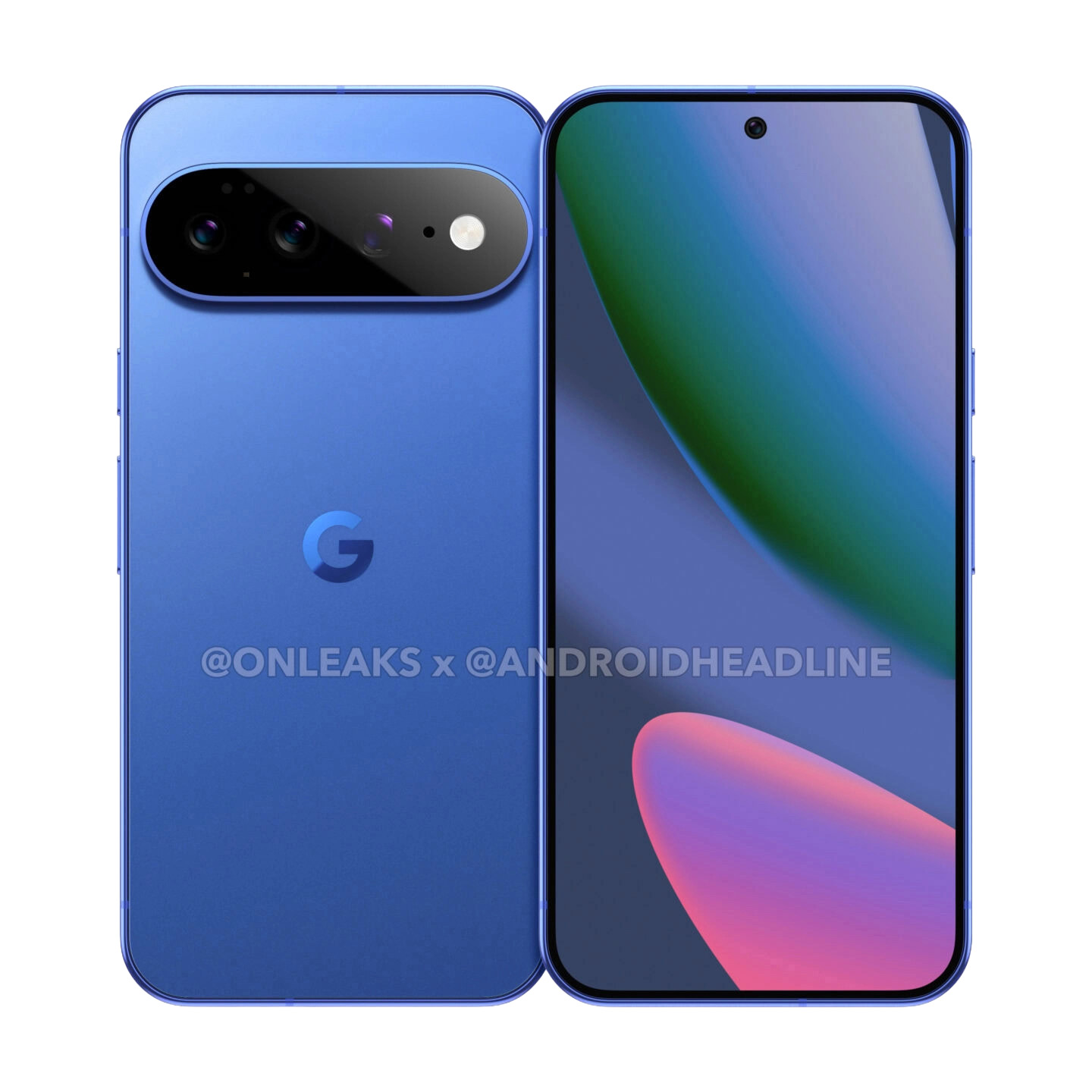
At first glance, the Google Pixel 11 Pro XL is expected to bear a striking resemblance to its predecessor, the Pixel 10 Pro XL, maintaining the distinctive design language that has become synonymous with the Pixel brand. This continuity in form factor suggests a mature design that Google is confident in, focusing on refinement rather than revolution. However, one rumored aesthetic and functional innovation, dubbed "Pixel Glow," is poised to distinguish the new model.
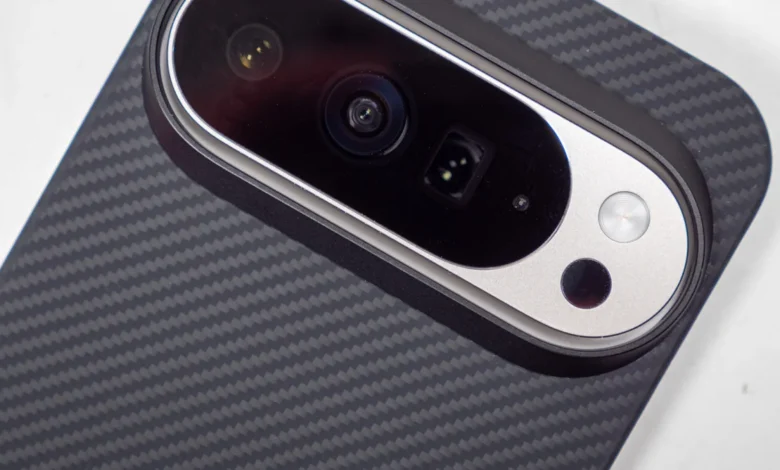
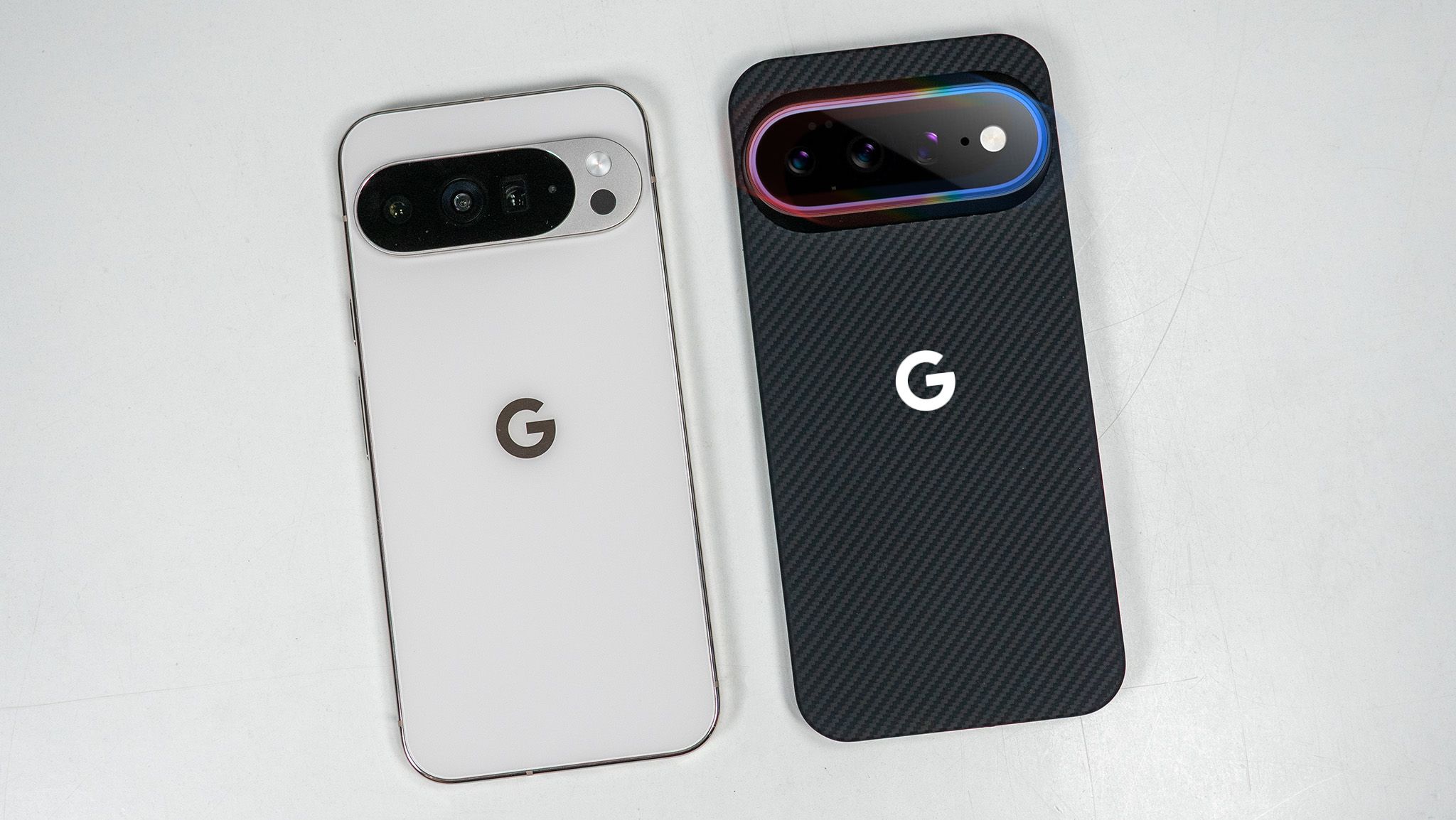
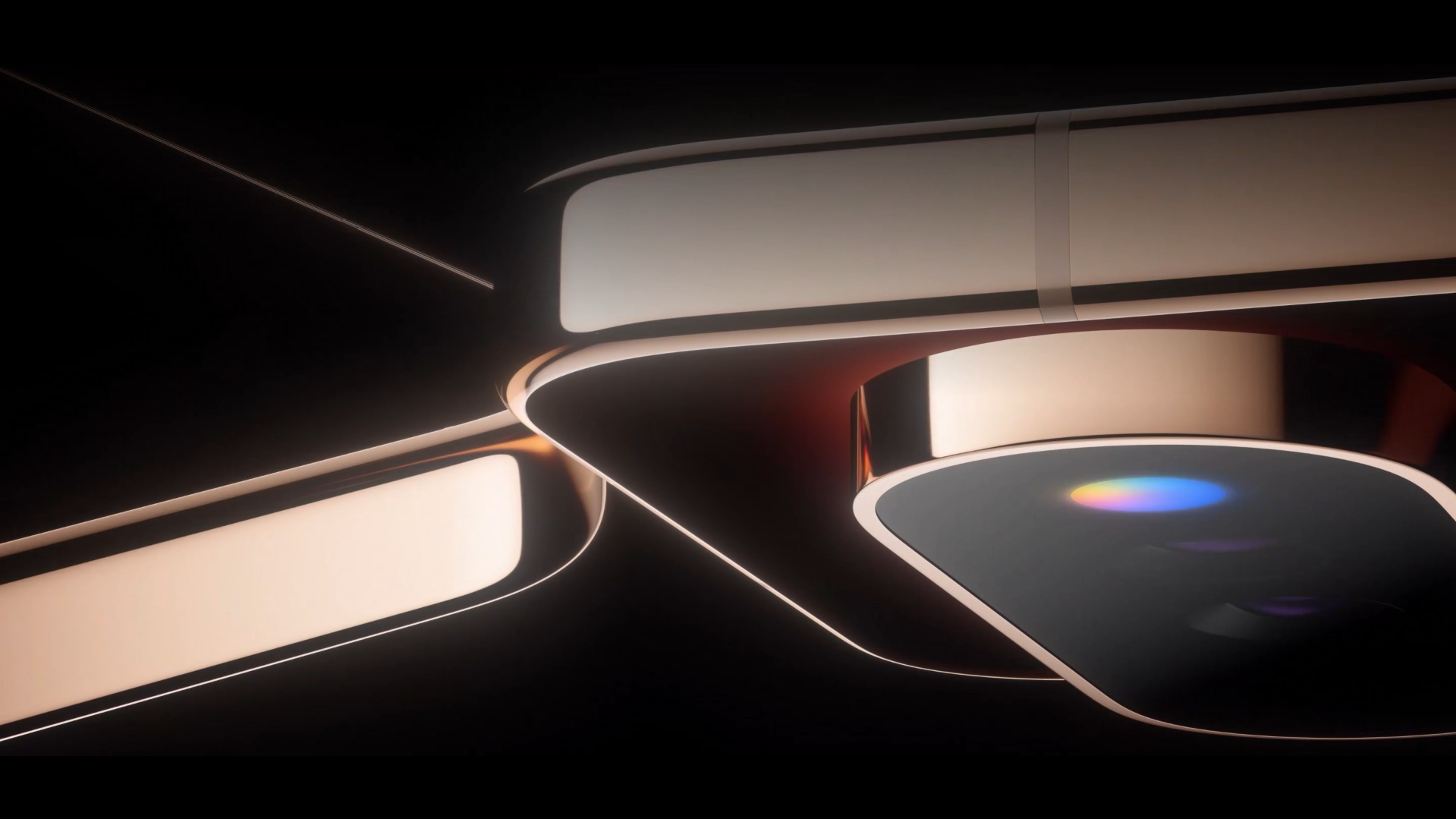
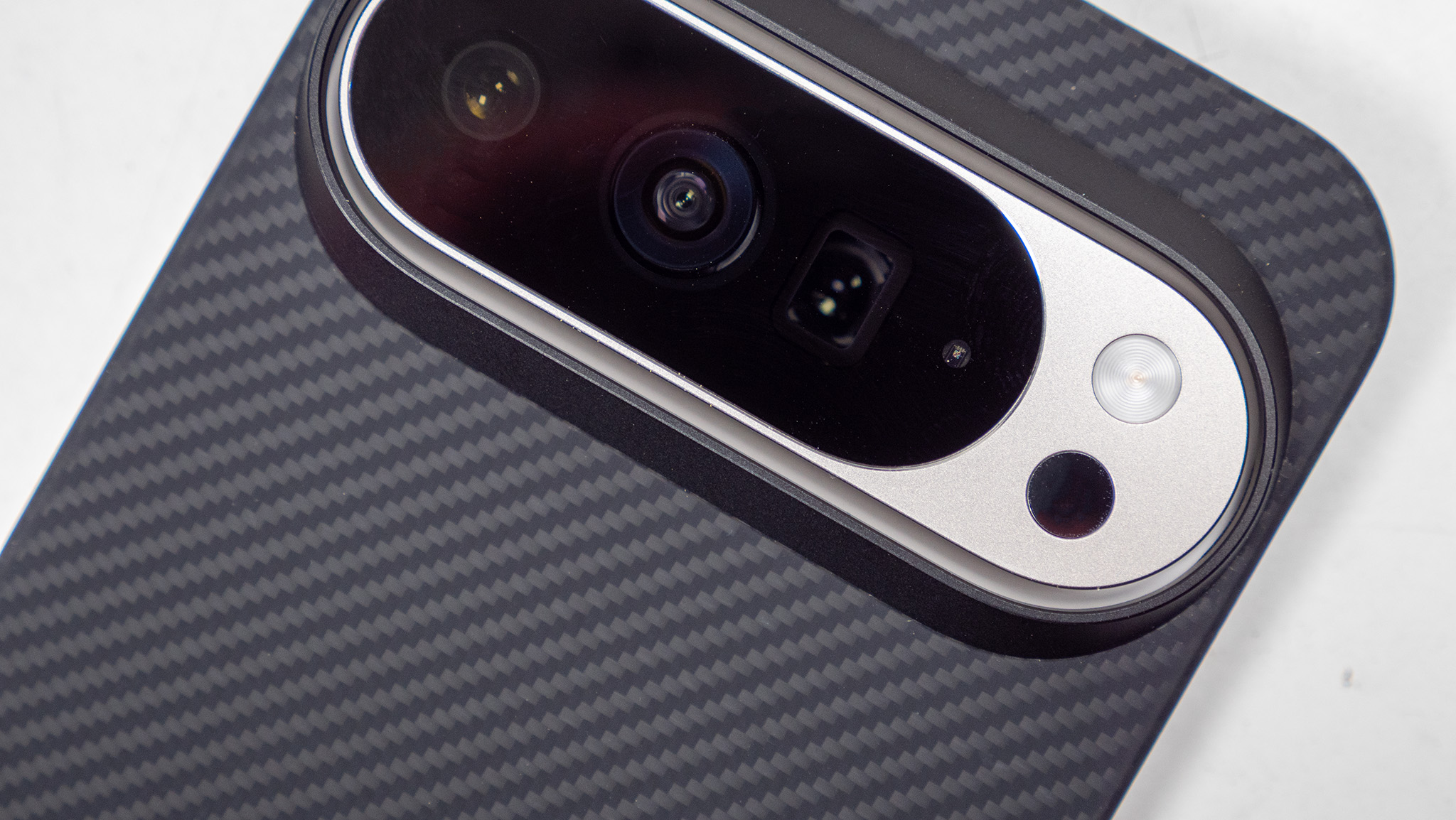
Pixel Glow is described as a novel LED ring integrated around the rear camera island, likely part of the camera flash unit. This feature, reminiscent of the Glyph Interface seen on devices like the Nothing Phone, is expected to offer dynamic visual feedback. Speculation suggests it could illuminate for incoming notifications, provide visual cues during interactions with Google’s AI assistant, Gemini, or even signal specific app activities. The integration of such a feature, especially if deeply tied to Google’s AI ecosystem, could enhance user interaction and personalization, offering a unique visual identity in an increasingly uniform smartphone market. The strategic placement of this LED, as indicated by early Pixel 11 cases from manufacturers like Thinborne, suggests a subtle yet impactful visual differentiation that could become a signature element of the Pixel 11 series.
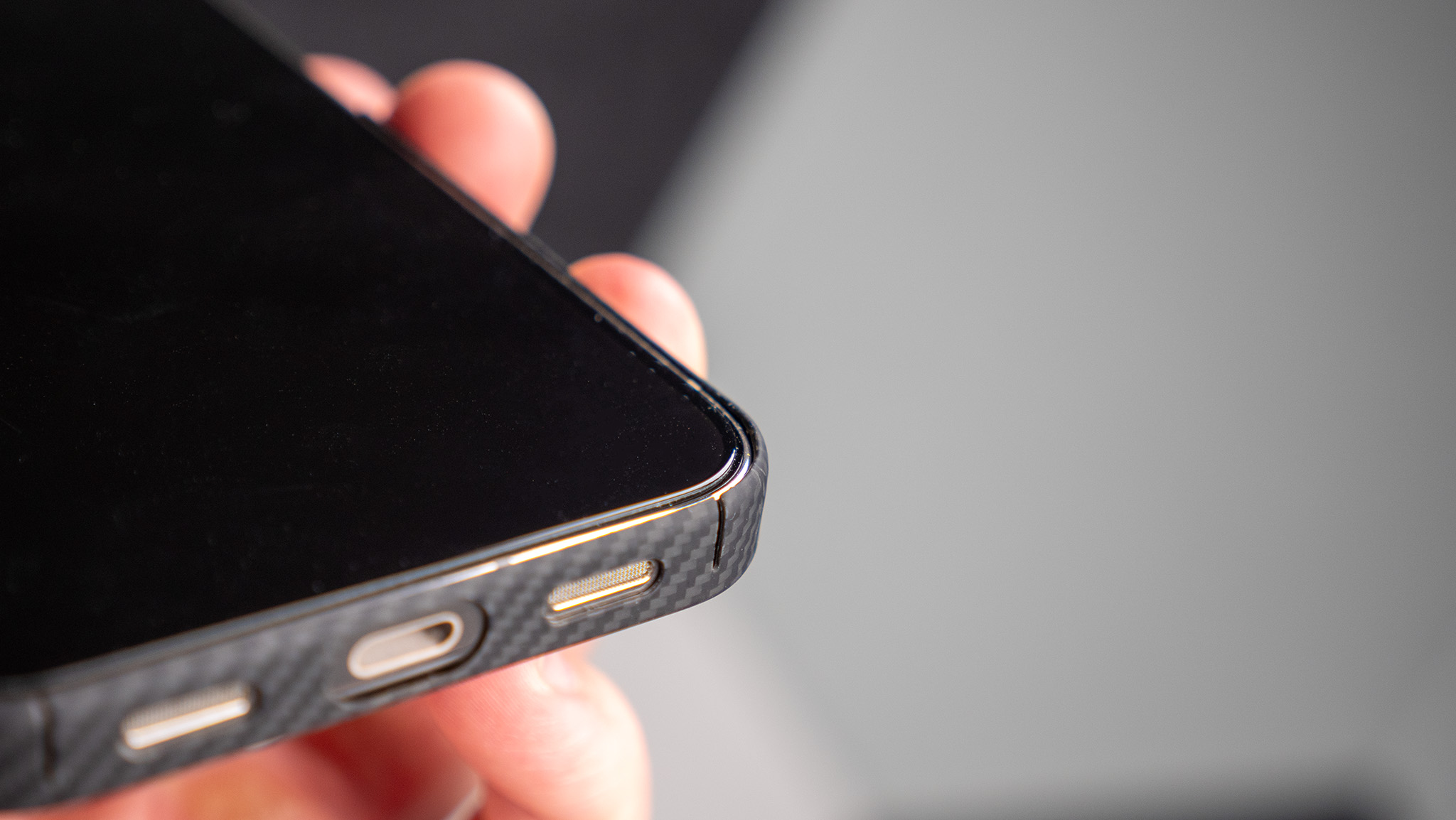
Beyond Pixel Glow, minor ergonomic adjustments are anticipated, including subtle changes in microphone placement and a slight downward repositioning of the power and volume buttons. These tweaks, while seemingly minor, can contribute to improved handling and accessibility for users. The Pixel 11 Pro XL is also expected to retain the built-in MagSafe-compatible "Pixelsnap" magnets, a feature introduced in previous Pixel generations. This integration allows users to seamlessly attach a variety of MagSafe accessories, such as magnetic chargers, wallets, and stands, enhancing the phone’s versatility and accessory ecosystem without requiring a specialized case.
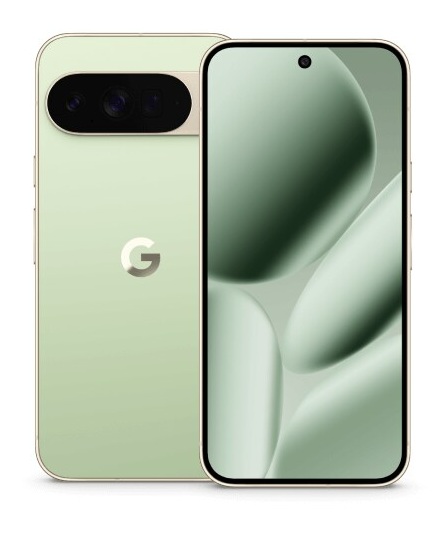
In terms of display technology, rumors indicate that the Pixel 11 Pro XL will feature a 6.8-inch Super Actua QHD+ OLED panel with a 120Hz refresh rate, mirroring the specifications of the Pixel 10 Pro XL. While a major overhaul is not expected, a slight increase in peak brightness is a plausible iterative improvement, following a trend seen in previous Pixel releases. Google’s ongoing commitment to display accessibility features is also expected to continue. Innovations such as "Comfort Filters" and the "sensitive eyes" feature introduced with the Pixel 10 Pro XL highlight Google’s focus on user well-being, aiming to reduce eye strain and discomfort, particularly from pulse-width modulation (PWM) dimming. The PWM dimming rate, a crucial factor for users sensitive to screen flicker, will be a point of interest at the August 12 event, with hopes for further optimization to enhance visual comfort.
Performance and Efficiency: The Tensor G6 Era
The most significant internal upgrade expected for the Pixel 11 Pro XL lies in its new heart: the Tensor G6 processor. This chip is rumored to be manufactured on an advanced 2nm process node, a substantial leap from previous generations. A smaller process node typically translates to higher transistor density, enabling greater performance and, crucially, significantly improved power efficiency. Early estimates suggest the Tensor G6 could deliver performance gains of approximately 15% in daily usage scenarios compared to the Tensor G5 in the Pixel 10 Pro XL. This translates to snappier app launches, smoother multitasking, and more responsive overall system performance.
Beyond raw processing power, the Tensor G6 is anticipated to be a powerhouse for on-device artificial intelligence and machine learning tasks, which are central to the Pixel experience. Features like real-time translation, advanced photo editing, and intelligent battery management will likely see substantial improvements, further cementing the Pixel’s reputation as an AI-first smartphone.
A pivotal development in the Pixel 11 Pro XL’s performance and efficiency story is the rumored switch to a new MediaTek modem. Google’s previous Tensor chips, which integrated Samsung Exynos modems, have faced criticism for inconsistent cellular performance and power consumption. The move to a MediaTek solution is projected to bring a substantial 20-30% improvement in efficiency, directly addressing one of the Pixel series’ historical pain points. This modem upgrade is critical for enhancing battery life, improving signal reliability, and reducing heat generation during intensive network activities like 5G streaming or gaming.
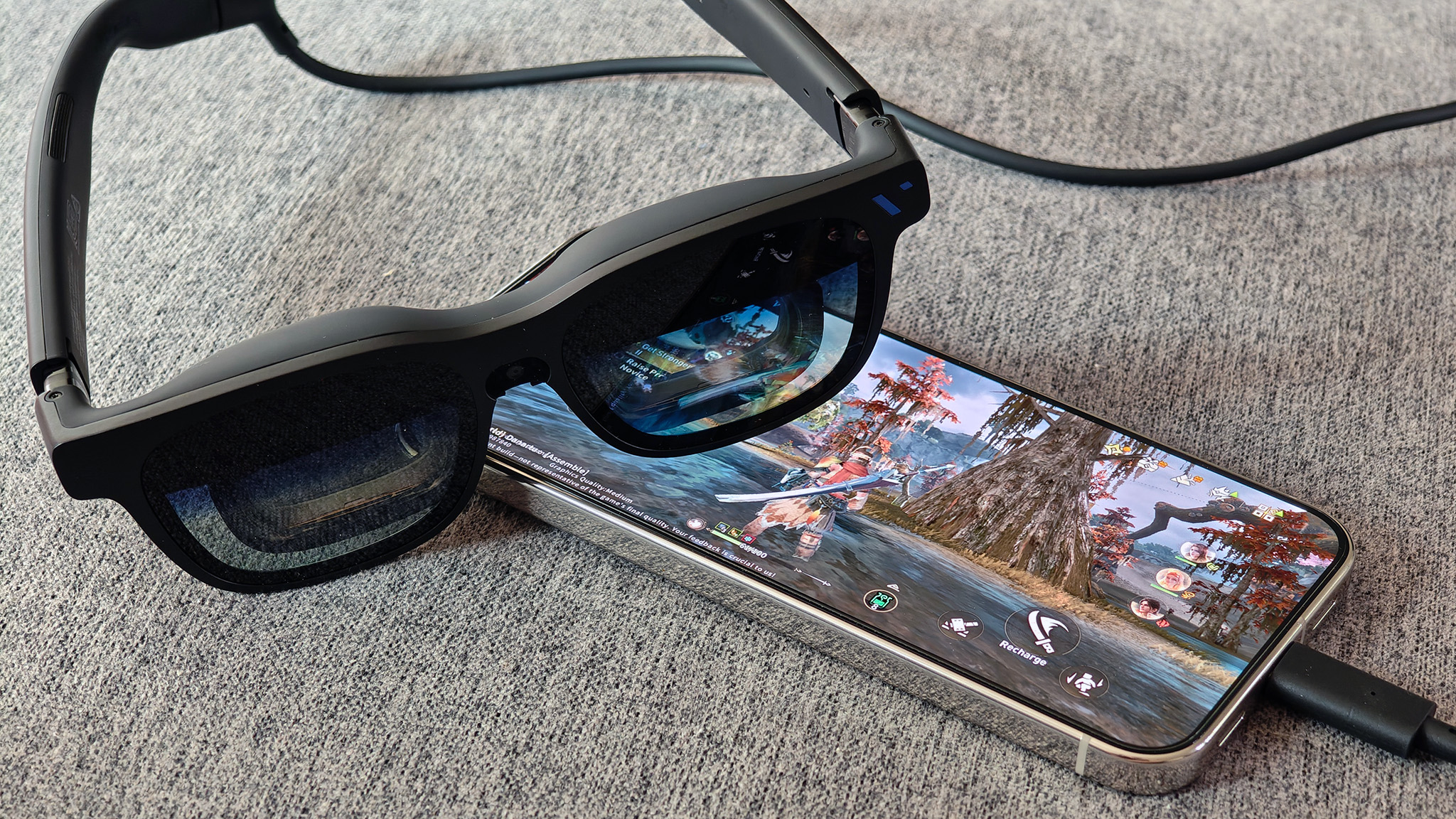
Gaming performance is also set to receive a significant boost. The Tensor G6 is said to incorporate a newer PowerVR GPU with compatibility for Vulkan 1.4. Vulkan is a modern, low-overhead graphics API that allows developers greater control over hardware, leading to more optimized and visually impressive games. This upgrade means mobile games on the Pixel 11 Pro XL will not only run smoother with higher frame rates but also potentially feature more detailed graphics and advanced visual effects than on the Pixel 10 Pro XL, making the device a more competitive option for mobile gamers.
The Pixel 11 Pro XL is expected to maintain the robust RAM and storage configurations seen in its predecessor, offering options of 12GB or 16GB of RAM and internal storage capacities ranging from 256GB to 1TB. These high-end specifications ensure ample room for demanding applications, extensive media libraries, and seamless multitasking for years to come.
Battery Life and Charging Capabilities
Building on the efficiency gains of the Tensor G6 and the new MediaTek modem, the Pixel 11 Pro XL is also expected to feature a slightly larger 5,000mAh battery, an increase from the Pixel 10 Pro XL’s 4,870mAh unit. This combination of a more efficient processor, a power-optimized modem, and a modest increase in battery capacity should translate into a noticeable improvement in real-world battery longevity. Users can anticipate extended screen-on time and greater confidence in getting through a full day, or even more, on a single charge, addressing a common desire among smartphone users.
Charging capabilities are also set to remain competitive. The Pixel 11 Pro XL is rumored to support 45W wired charging, offering quick top-ups when time is of the essence. For wireless charging, it is expected to feature 25W Qi2 wireless charging. Qi2 is an evolution of the Qi standard, incorporating magnetic alignment similar to Apple’s MagSafe. This ensures optimal coil alignment for more efficient and faster wireless charging, minimizing heat generation and maximizing charging speed, further enhancing the device’s convenience.
Camera and Software: Iterative Enhancements and Enduring Challenges
The camera system has always been a cornerstone of the Pixel experience, and the Pixel 11 Pro XL is expected to continue this tradition with a familiar hardware setup. Rumored specifications indicate a triple-camera array on the rear, comprising a 50 MP main sensor with an f/1.7 aperture and 25mm wide lens, a 48 MP ultrawide sensor with an f/1.7 aperture, and a 48 MP periscope telephoto lens offering 5x optical zoom at f/2.8. The front camera is expected to be a 42 MP sensor with an f/2.2 aperture. These specifications are identical to those of the Pixel 10 Pro XL, suggesting that any significant improvements will likely come from software optimization and the enhanced image signal processing (ISP) capabilities of the Tensor G6.
The Pixel 10 Pro XL, despite introducing impressive features like enhanced motion capture for kids and pets, faced criticism for the occasional unreliability of its telephoto camera and its video recording quality, which continued to lag behind market leaders like Apple and Samsung. For the Pixel 11 Pro XL, the hope is that Google will leverage the Tensor G6’s advanced AI and computational photography prowess to address these shortcomings. The new ISP in the Tensor G6 could enable more sophisticated image stacking, improved dynamic range, and more consistent performance across all lenses, particularly the telephoto. Furthermore, advancements in video processing algorithms, powered by the Tensor G6, could bring much-needed improvements in video stability, low-light performance, and overall clarity, narrowing the gap with rivals. Features like Magic Editor and Photo Unblur, which rely heavily on AI, are also expected to see significant enhancements, offering users more powerful and intuitive editing tools directly on their device.
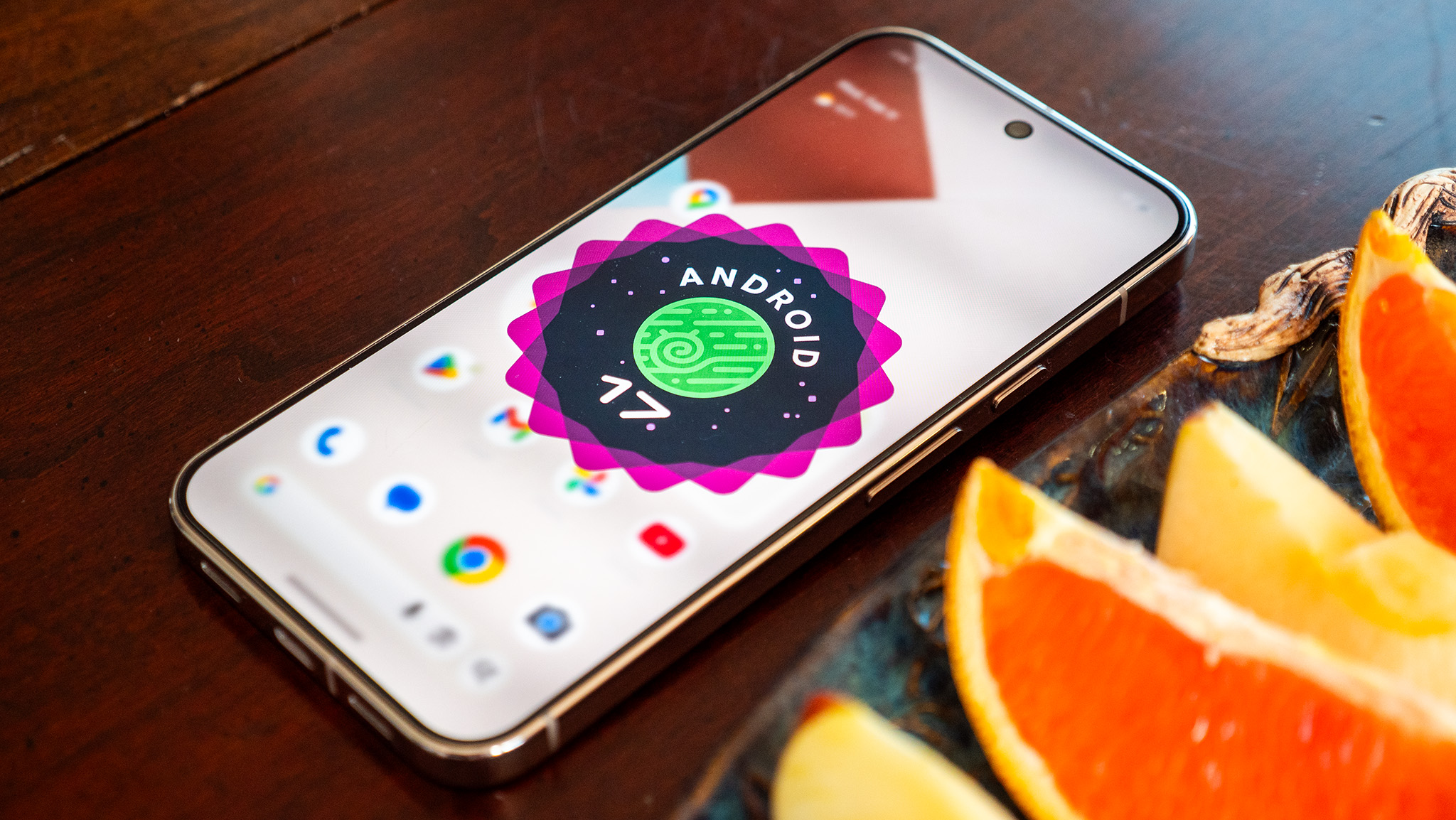
On the software front, the Pixel 11 Pro XL will launch with Android 17, offering the latest features and security updates from Google. The Pixel 10 Pro XL, initially running Android 16, will also be upgradable to Android 17, ensuring its users benefit from the new OS. Google’s "Pixel Drop" updates, which deliver new features and improvements quarterly, are a highlight of the Pixel ownership experience, ensuring devices remain fresh and capable throughout their lifespan. However, Google has historically faced challenges with software stability, with past Pixel generations occasionally making headlines for buggy updates and persistent issues. This trend, while often rectified by subsequent patches, can erode user trust. The Pixel 11 Pro XL’s launch will be closely watched for signs of improved quality control and a more stable initial software experience.
While the Pixel 11 Pro XL is expected to introduce some exclusive software features at launch, Google has a commendable track record of eventually bringing many of these innovations to older Pixel devices. This strategy ensures that even Pixel 10 Pro XL users will likely gain access to new functionalities over time, further enhancing the value proposition of the previous generation.
Comparative Analysis and Consumer Implications
When weighing the Google Pixel 11 Pro XL against the Pixel 10 Pro XL, several key factors emerge. The Pixel 11 Pro XL promises substantial internal upgrades, most notably the Tensor G6 processor and the new MediaTek modem, which together offer significant improvements in performance, power efficiency, and gaming capabilities. The introduction of Pixel Glow also provides a unique aesthetic and functional differentiator, appealing to users who appreciate innovative visual feedback. The slight increase in battery capacity, combined with greater efficiency, points towards superior battery life.
Conversely, the Pixel 10 Pro XL remains a highly capable device that shares a strikingly similar design and core camera hardware with its successor. Its current market position, especially with potential price reductions or second-hand offers following the Pixel 11’s launch, makes it an exceptionally attractive value proposition. For many users, the iterative nature of the Pixel 11 Pro XL’s upgrades, particularly in design and display, may not justify the higher price tag of a brand-new flagship.

In an environment of rapidly rising technology prices, the decision between upgrading to the latest model and opting for a year-old device becomes more nuanced. Early adopters and power users who demand the absolute best in performance, efficiency, and the latest AI capabilities, along with a unique visual flair, will find the Pixel 11 Pro XL compelling. Mobile gamers, in particular, may appreciate the enhanced GPU and Vulkan 1.4 compatibility.
However, for the vast majority of consumers, the Pixel 10 Pro XL continues to offer a premium smartphone experience that is likely to meet or exceed their daily needs. With identical display specifications, strong camera hardware (which may see software improvements carried over from the P11), and a guaranteed upgrade path to Android 17, the Pixel 10 Pro XL represents a smart, budget-conscious choice. The anticipated price gulf between the two models will likely be the decisive factor for many, making the Pixel 10 Pro XL a potentially better buy for value-oriented individuals.
Ultimately, the choice hinges on individual priorities and budget constraints. The Pixel 11 Pro XL embodies Google’s continuous pursuit of performance and AI innovation, while the Pixel 10 Pro XL stands as a testament to the enduring value and capability of a year-old flagship in a rapidly evolving market. Consumers are encouraged to carefully assess their specific needs against the rumored advancements and expected price points before making their decision.