Samsung Galaxy Watch 9 Confirmed to Adopt Qualcomm Snapdragon Wear Elite Chip, Marking Major Strategic Shift

Samsung is poised to introduce its latest wearable flagship, the Galaxy Watch 9, featuring a significant internal transformation: a switch to Qualcomm’s advanced Snapdragon Wear Elite chipset. This strategic pivot, a departure from Samsung’s long-standing reliance on its proprietary Exynos processors for its smartwatch line, has been confirmed through newly surfaced images and corroborated by industry leaks. The move signals a robust push towards enhanced performance, superior power efficiency, and accelerated artificial intelligence capabilities within Samsung’s wearable ecosystem.
A Decisive Shift from Exynos to Snapdragon
For years, the Samsung Galaxy Watch series has been synonymous with Exynos chipsets, a deliberate choice that often served the company well, particularly during periods when Qualcomm’s wearable offerings were perceived as underperforming. This history established a unique identity for Galaxy Watches in a market increasingly dominated by Qualcomm’s silicon in the broader Android wearable space. However, the landscape has evolved dramatically, and with the advent of the Snapdragon Wear Elite, Qualcomm appears to have delivered a compelling solution that has swayed Samsung. The core question for many industry observers was not if Samsung would adopt a new chip, but whether this adoption would signal a complete abandonment of Exynos for its premium wearables. The latest evidence suggests a resounding "yes."
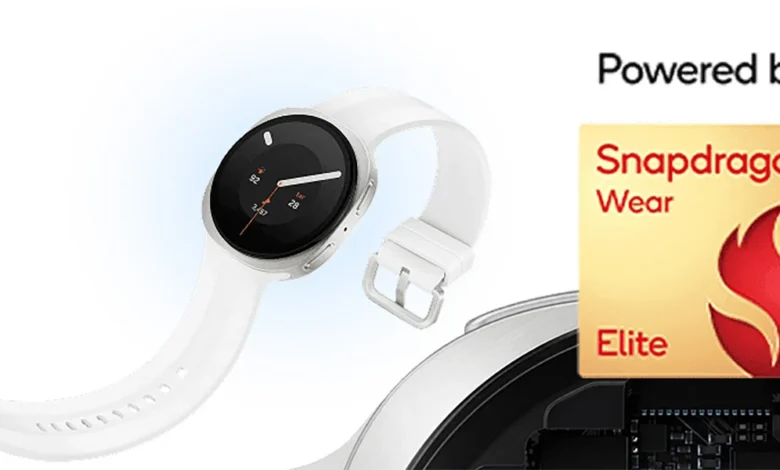
The confirmation comes primarily from renowned leaker Evan Blass, who, through his "Leakmail" newsletter, published a series of images pertaining to the upcoming Galaxy Watch 9. Crucially, one of these images explicitly states the device is "Powered by Snapdragon Wear Elite." This detail is particularly noteworthy as it refers specifically to the standard Galaxy Watch 9, not a potentially more premium "Ultra 2" variant, indicating a widespread integration of the new Qualcomm silicon across the primary lineup. While not entirely unexpected given earlier industry whispers, this concrete visual evidence solidifies the impending change.
![Galaxy Watch 9 is ‘Powered by Snapdragon Wear Elite,’ leaked images confirm [Gallery]](https://i0.wp.com/9to5google.com/wp-content/uploads/sites/4/2026/07/galaxy-watch-9-snapdragon-2.jpg?resize=1200%2C628&quality=82&strip=all&ssl=1)
Qualcomm’s Resurgence in the Wearable Processor Market
Qualcomm’s journey in the smartwatch chipset arena has been one of evolution, marked by periods of both dominance and significant challenges. Historically, early Snapdragon Wear chips, such as the Snapdragon Wear 2100, faced criticism for their relatively slow performance and power inefficiency, especially when compared to custom silicon solutions from competitors like Apple. This performance gap led many manufacturers, including Samsung, to explore alternative solutions or stick with their in-house designs.
However, Qualcomm initiated a strategic resurgence with its Snapdragon Wear 4100 and 4100+ platforms, which offered substantial improvements in speed and battery life by migrating to a more modern fabrication process. These chips revitalized the Wear OS ecosystem, enabling smoother user experiences and more capable devices. The recent announcement of the Snapdragon Wear Elite earlier in the current year (2026) marked the pinnacle of this comeback. This 3nm chip was heralded as a game-changer, promising not only significantly faster overall performance but also a substantial boost in power dedicated to artificial intelligence tasks. Qualcomm’s initial unveiling of the Wear Elite implicitly teased the adoption by a major OEM, and now it appears Samsung is that pivotal partner.
The 3nm process technology employed in the Snapdragon Wear Elite represents the cutting edge of semiconductor manufacturing. This miniaturization allows for a greater density of transistors within the same physical footprint, leading to enhanced computational power while simultaneously reducing energy consumption. For smartwatches, where battery life is a critical differentiator and physical space is severely constrained, such advancements are paramount. The promise of "faster overall performance" translates directly into a more responsive user interface, quicker app loading times, and more seamless multitasking – all crucial elements for a premium wearable experience.
Technical Deep Dive: The Snapdragon Wear Elite Advantage
![Galaxy Watch 9 is ‘Powered by Snapdragon Wear Elite,’ leaked images confirm [Gallery]](https://9to5google.com/wp-content/uploads/sites/4/2026/07/galaxy-watch-9-snapdragon-2.jpg?quality=82&strip=all&w=1200)
The Snapdragon Wear Elite is not merely an incremental upgrade; it represents a significant leap forward for wearable technology. Built on a state-of-the-art 3nm manufacturing process, it boasts architectural enhancements that yield considerable improvements over its predecessors and contemporary competing platforms. This advanced node technology translates to several key benefits:
- Enhanced Performance: The chip integrates a more powerful CPU cluster, likely featuring newer ARM cores optimized for high performance and efficiency. This will directly impact the speed of Wear OS, making interactions smoother and applications more fluid.
- Superior Power Efficiency: The 3nm process significantly reduces power leakage and allows for more efficient power management. This is critical for smartwatches, where extending battery life is a constant challenge. Users can expect longer usage times between charges, even with more demanding applications and features running.
- Dedicated AI Engine (NPU): A standout feature of the Snapdragon Wear Elite is its robust Neural Processing Unit (NPU). This dedicated hardware accelerator is designed to handle AI and machine learning workloads with exceptional efficiency. For smartwatches, this translates to:
- Advanced Health Monitoring: More accurate and real-time analysis of heart rate variability, sleep patterns, blood oxygen levels, and even stress detection, often with on-device processing to protect user privacy.
- Smarter Voice Assistants: Faster and more context-aware responses from Bixby or Google Assistant, with improved natural language understanding.
- Personalized Insights: On-device AI can learn user habits and preferences to offer more tailored fitness recommendations, notifications, and smart suggestions.
- Gesture Recognition: Potential for more sophisticated gesture controls, allowing users to interact with their watch without physically touching the screen.
- Enhanced Security: AI-powered anomaly detection for device security and user authentication.
- Improved Graphics Processing: A more capable GPU will enable richer watch faces, smoother animations, and potentially more immersive app experiences on the small display.
- Advanced Connectivity: The chip likely incorporates the latest Wi-Fi, Bluetooth, and cellular modem technologies, ensuring faster and more reliable connections, crucial for standalone smartwatch functionality.
Strategic Implications for Samsung and the Wearable Market
Samsung’s decision to adopt the Snapdragon Wear Elite carries profound strategic implications, not only for the company but for the broader wearable technology landscape.
For Samsung:
- Performance Parity (or Superiority): This move immediately places the Galaxy Watch 9 on par, if not ahead, of other premium Android smartwatches in terms of raw processing power and AI capabilities. It helps Samsung counter the performance advantage often seen in Apple’s custom silicon for the Apple Watch.
- Optimized Wear OS Experience: With Google also heavily invested in Qualcomm’s wearable platforms (as seen with the Pixel Watch), adopting the Snapdragon Wear Elite ensures a highly optimized and streamlined Wear OS experience. This could lead to better integration with Google services and a more consistent app ecosystem.
- Reduced R&D Burden for Wearable Chips: By leveraging Qualcomm’s advanced silicon, Samsung can potentially reallocate internal R&D resources from smartwatch chip development to other areas, such as its smartphone Exynos chips or other innovative projects.
- Market Share Consolidation: A more powerful and efficient Galaxy Watch 9 could help Samsung solidify its position as a leading player in the global smartwatch market, competing more effectively against Apple, which currently dominates the premium segment.
- Future-Proofing: The dedicated NPU and 3nm process future-proof the Galaxy Watch 9 for upcoming AI-driven features and more complex health algorithms, ensuring it remains competitive for several years.
For Qualcomm:
![Galaxy Watch 9 is ‘Powered by Snapdragon Wear Elite,’ leaked images confirm [Gallery]](https://9to5google.com/wp-content/uploads/sites/4/2026/07/galaxy-watch-9-snapdragon-1.png)
- Validation and Dominance: Securing Samsung, a major OEM and a direct competitor to Apple in the premium wearable space, as a customer for the Snapdragon Wear Elite is a monumental win for Qualcomm. It validates their investment in the platform and reinforces their position as the leading supplier of processors for Android-based smartwatches.
- Ecosystem Expansion: Samsung’s adoption further strengthens the overall Wear OS ecosystem, encouraging more developers to build sophisticated applications that can leverage the new chip’s capabilities.
For Consumers and the Wearable Market:
- Enhanced User Experience: Consumers can look forward to a noticeably faster, smoother, and more intelligent smartwatch experience. App loading, navigation, and health tracking will all benefit from the new chip.
- Improved Battery Life: The 3nm process’s power efficiency promises longer usage times, addressing a persistent pain point for many smartwatch users.
- Advanced Features: The AI capabilities open the door for more personalized health insights, proactive wellness suggestions, and more sophisticated smart features.
- Increased Competition: A stronger Samsung Galaxy Watch 9 intensifies competition in the premium smartwatch segment, potentially driving innovation across the board from other manufacturers.
Historical Context: Samsung’s Exynos Legacy in Wearables
Samsung’s commitment to its in-house Exynos processors has been a defining characteristic of its mobile and wearable strategy for over a decade. For its smartwatches, Exynos chips offered Samsung a degree of control over hardware-software integration that few other Android OEMs enjoyed. The Exynos W920, for example, found in the Galaxy Watch 4, was a 5nm chip that delivered significant performance improvements and power efficiency over previous generations, allowing Samsung’s watches to run Wear OS Powered by Samsung smoothly. The subsequent Exynos W930, powering the Galaxy Watch 6 series, built upon this foundation with further refinements.
This internal chip development allowed Samsung to tailor the hardware precisely to its software vision, including its One UI Watch interface and proprietary health tracking algorithms. However, the sheer scale of R&D required to keep pace with the leading-edge silicon designs from dedicated chipmakers like Qualcomm is immense. With Qualcomm now offering a purpose-built, 3nm chip specifically for wearables with advanced AI capabilities, the cost-benefit analysis for Samsung may have shifted. The decision to integrate Snapdragon Wear Elite suggests that the performance and efficiency gains, particularly in AI, offered by Qualcomm’s latest platform were too compelling to ignore, potentially surpassing what Samsung could achieve with its next-generation Exynos wearable chip within a similar timeframe and cost structure.
Anticipated Features and User Experience Enhancements
![Galaxy Watch 9 is ‘Powered by Snapdragon Wear Elite,’ leaked images confirm [Gallery]](https://i0.wp.com/9to5google.com/wp-content/uploads/sites/4/2026/07/galaxy-watch-9-leakmail-1.png?ssl=1)
While Samsung has yet to officially detail what the added horsepower of the Snapdragon Wear Elite will enable, industry observers can logically infer several key areas of enhancement:
- More Sophisticated Health & Fitness Tracking: Expect deeper insights into sleep stages, advanced heart health metrics (e.g., more granular ECG analysis, irregular heart rhythm notifications), and potentially new sensor capabilities that leverage the AI engine for real-time analysis.
- Proactive Wellness Coaching: The NPU could power on-device models that analyze daily activity, stress levels, and sleep to offer personalized recommendations for improving well-being.
- Enhanced Connectivity and Standalone Functionality: With a powerful modem, the Galaxy Watch 9 could offer a more seamless standalone experience, with faster streaming, quicker message delivery, and more reliable call quality even without a paired smartphone.
- Next-Generation Wear OS Interactions: The faster processor will undoubtedly make Wear OS feel more responsive. This could pave the way for more complex watch faces with real-time data, richer animations, and more intuitive gesture-based controls.
- Extended Software Support: A more powerful and standard chip architecture could simplify long-term software updates and feature rollouts, potentially extending the lifespan of the device in terms of software support.
The Road Ahead: Official Launch and Future Prospects
The Galaxy Watch 9 is slated for release next week, alongside Samsung’s eagerly anticipated new generation of foldable smartphones. This simultaneous launch underscores the importance of the wearable in Samsung’s broader ecosystem strategy. The official unveiling will undoubtedly provide a more comprehensive look at the features and capabilities unlocked by the Snapdragon Wear Elite.
Looking beyond the immediate launch, this chip transition could signify a longer-term trend for Samsung’s wearables. If the Snapdragon Wear Elite proves to be a resounding success in the Galaxy Watch 9, it could establish a new precedent, positioning Qualcomm as the primary chip supplier for Samsung’s premium smartwatches going forward. This would leave Samsung’s Exynos division to focus on its smartphone processors and potentially other specialized chips, allowing for a more focused approach in each domain.
The implications for the broader Wear OS ecosystem are also significant. With both Google’s Pixel Watch and Samsung’s Galaxy Watch – the two most prominent Wear OS devices – now potentially running on cutting-edge Qualcomm silicon, the platform’s performance and capabilities are set to reach new heights. This unified approach to high-performance hardware could foster greater consistency in app development, accelerate innovation, and ultimately offer a more compelling alternative to Apple’s dominant watchOS ecosystem. The Galaxy Watch 9, powered by the Snapdragon Wear Elite, is not just a new smartwatch; it represents a pivotal moment in the evolution of Samsung’s wearable strategy and the broader competitive landscape of the smart device market.