Range Rover Redefines Grand Touring with Electrified GT, Emphasizing Luxury, Capability, and a Minimalist Future

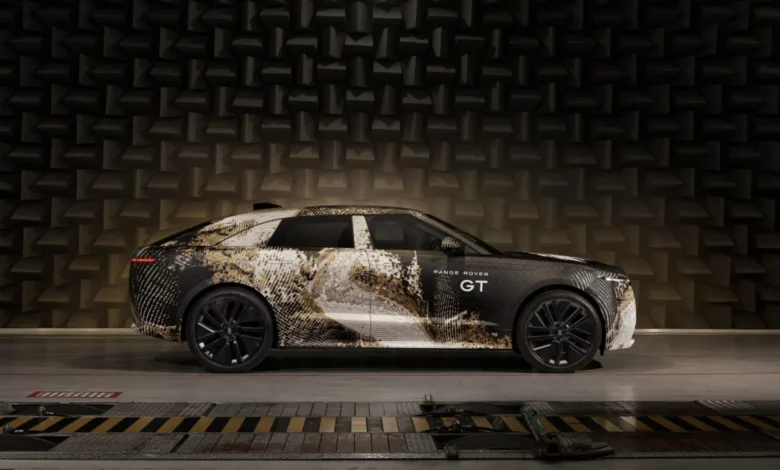
The automotive landscape is undergoing a profound transformation, with luxury marques at the forefront of innovation, particularly in the realm of electrification and evolving vehicle categories. Range Rover, a brand synonymous with unparalleled luxury, capability, and refinement, is poised to introduce a groundbreaking addition to its illustrious portfolio: the Range Rover GT. This new model represents a significant strategic pivot, marrying the brand’s core tenets with the demands of a modern, electrified grand tourer. Martin Limpert, managing director of Range Rover, underscored the intensive development behind this venture, stating, "We have spent the last few years working obsessively on the fundamentals of the GT formula, reinterpreted in a sophisticated, uniquely Range Rover way." This meticulous approach, he explained, culminates in "the most car-like, yet unmistakably capable, Range Rover ever created, now possible on our electrified EMA architecture—complementing our existing powertrain portfolio to deliver a complete set of options for every customer need." Limpert further elaborated on the vehicle’s unique proposition, highlighting its "blend of effortless EV performance, first-class long-haul refinement and all-terrain capability," which he asserts is "pure Range Rover," while its "calming interior previews our vision of a modern grand tourer."
A Strategic Leap: Expanding the Range Rover Persona
The introduction of the Range Rover GT is not merely the launch of a new model; it signifies a strategic expansion of the Range Rover brand beyond its traditional SUV stronghold. For decades, Range Rover has set the benchmark for luxury SUVs, combining off-road prowess with opulent interiors and a commanding presence. However, as the automotive market diversifies and consumer preferences evolve towards more aerodynamic forms and electrified powertrains, the grand tourer segment offers fertile ground for innovation. A grand tourer, historically defined by its ability to cover long distances at speed and in comfort, often with a focus on driver engagement and luxurious appointments, presents an intriguing challenge for a brand known for its elevated driving position and robust capability.
The "most car-like" descriptor from Limpert indicates a deliberate shift towards a lower-slung, more dynamically focused vehicle, yet without compromising the inherent Range Rover DNA. This implies a sophisticated chassis tuning, potentially with advanced air suspension systems, adaptive dampers, and active roll control, to deliver both a supremely supple ride for long journeys and agile handling when required. The "unmistakably capable" aspect suggests that, despite its car-like proportions, the GT will retain a degree of the brand’s renowned all-terrain ability. While it may not match the extreme off-road articulation of a full-size Range Rover SUV, it is expected to significantly exceed the capability of a conventional grand tourer. This could manifest in intelligent torque vectoring systems, advanced traction management for diverse surfaces, and a configurable terrain response system, albeit adapted for a lower ground clearance and road-biased tire setup. This unique blend aims to carve out a distinct niche in the burgeoning luxury EV market, appealing to customers seeking Range Rover’s ethos in a different, more dynamic, and refined form factor.
The EMA Foundation: A Pillar of JLR’s Electrification Strategy
Central to the Range Rover GT’s existence is the new Electrified Modular Architecture (EMA). This platform represents a cornerstone of Jaguar Land Rover’s (JLR) ambitious "Reimagine" strategy, a comprehensive plan unveiled in early 2021 to transform the company into a modern luxury enterprise with a clear focus on sustainability, electrification, and digital innovation. EMA is designed specifically for battery electric vehicles (BEVs), allowing for optimal packaging of batteries and electric motors. This dedicated approach typically translates to more interior space due to the absence of a transmission tunnel, a lower center of gravity for improved driving dynamics, and enhanced efficiency compared to platforms adapted from internal combustion engine (ICE) architectures.
JLR’s "Reimagine" strategy outlined a clear path towards an all-electric future for Jaguar by 2025 and a significant shift for Land Rover (now a "House of Brands" comprising Range Rover, Defender, and Discovery) towards electrification. The company committed to investing £15 billion over five years to transition its vehicles to electric power, develop new digital technologies, and establish a circular economy ecosystem. EMA is a crucial enabler of this strategy. It is JLR’s third electrifiable platform, complementing the existing Modular Longitudinal Architecture (MLA) and the forthcoming Jaguar Electrified Architecture (JEA).
The MLA platform, currently underpinning the latest generations of the Range Rover and Range Rover Sport, is a flexible architecture designed to accommodate mild-hybrid, plug-in hybrid (PHEV), and full-electric powertrains. This adaptability has allowed JLR to offer a diverse range of options for its flagship SUVs, catering to varying customer preferences and regulatory requirements during the transition period. In contrast, EMA is a pure-electric platform, signalling JLR’s commitment to developing bespoke BEV solutions that maximize the inherent advantages of electric propulsion, such as instant torque delivery, silent operation, and zero tailpipe emissions.
The JEA platform, on the other hand, is being exclusively developed for Jaguar’s future electric vehicles, starting with the forthcoming Type 01. This strategic diversification of platforms – MLA for larger, more traditional SUVs with powertrain flexibility, EMA for premium electric-first vehicles like the GT, and JEA for Jaguar’s distinct ultra-luxury EV offerings – highlights JLR’s nuanced approach to electrification. This strategy aims to tailor technology to specific brand identities and market segments while optimizing development costs and accelerating time-to-market for a diverse portfolio of electric vehicles. The Range Rover GT’s adoption of EMA positions it as a vanguard of this new electric-first design philosophy for the Range Rover brand, promising enhanced efficiency, performance, and a silent, supremely refined driving experience inherent to advanced electric powertrains.
Interior Design: A Sanctuary of Ultra-Minimalism and Tactile Intelligence
The interior of the Range Rover GT, previewed under wraps, marks a significant departure from the established cabin aesthetics of its SUV siblings. The design philosophy leans heavily towards "ultraminimalist," a trend gaining traction in luxury automotive as brands seek to create sanctuaries from the increasingly cluttered digital world. This approach focuses on clean lines, reduced visual clutter, and an emphasis on high-quality materials, meticulous craftsmanship, and intuitive user interfaces. The stated goal of a "calming interior" underscores a broader industry shift towards creating spaces that promote well-being and reduce driver fatigue, particularly relevant for a grand tourer designed for long journeys.
However, Range Rover’s embrace of minimalism is carefully balanced with practical considerations and crucial regulatory demands. Crucially, the design "still satisfies safety regulators in Europe and elsewhere that require physical controls for certain functions." This adherence to tactile interfaces for critical operations is a vital point of differentiation and a direct response to growing concerns within the industry regarding driver distraction caused by over-reliance on touchscreens. Euro NCAP, Europe’s leading independent safety assessment body, has recently updated its protocols, effective from 2026, to penalize vehicles that do not feature physical controls for basic functions such as indicators, hazard lights, horn, windshield wipers, and emergency call (eCall). Similarly, Australian crash testers have echoed these requirements, emphasizing that the lack of tactile feedback and the need to look away from the road to operate essential functions via a touchscreen can lead to increased driver distraction and a heightened risk of accidents.
Range Rover’s decision to maintain physical controls, while still pursuing an ultraminimalist aesthetic, demonstrates a thoughtful approach to user experience and safety. It suggests a philosophy where technology serves the driver, rather than dictating the interaction. This could manifest in cleverly integrated haptic feedback buttons, multi-function rotary controllers, or elegantly designed toggle switches that blend seamlessly into the minimalist design, only revealing their functionality when needed. This approach contrasts with some competitors who have gone almost entirely digital, often drawing criticism for ergonomics and safety.
A notable design choice is the eschewal of a third screen for the front passenger, a feature that has become common in some high-end luxury vehicles from brands like Porsche and Mercedes-Benz. This decision further reinforces the "calming interior" vision, suggesting a deliberate effort to reduce digital overload and foster a serene and focused environment for all occupants. Instead, the Range Rover GT prioritizes two high-quality OLED screens: a main instrument display for the driver and a central infotainment touchscreen. OLED technology offers superior contrast, deeper blacks, and vibrant colors, enhancing the visual experience and contributing to the premium feel of the digital interfaces. Furthermore, the inclusion of a head-up display (HUD) as standard for the GT underscores a commitment to driver convenience and safety, projecting essential information such as speed, navigation cues, and driver assistance warnings directly into the driver’s line of sight, minimizing the need to divert attention from the road. This combination of carefully selected digital displays and thoughtfully integrated physical controls aims to create an intuitive, luxurious, and distraction-free driving environment that embodies the essence of a modern grand tourer.
Competitive Landscape and Broader Market Implications
The Range Rover GT enters a fascinating and increasingly competitive segment of the luxury automotive market. While traditional grand tourers have often been associated with brands like Aston Martin, Bentley, and Porsche, the advent of electrification has broadened the playing field considerably. The Porsche Taycan and Audi e-tron GT have already established a strong presence in the electric performance GT space, offering blistering acceleration and dynamic handling. Mercedes-AMG also offers its GT 4-Door Coupe, while Lucid Motors’ Air sedan redefines luxury and range in the electric segment. Upcoming models from Bentley, such as their anticipated electric GT, will further intensify competition.
Range Rover’s entry with the GT positions it uniquely. It is unlikely to directly compete on raw track performance with a Taycan, nor on outright limousine luxury with a Bentley Flying Spur. Instead, the Range Rover GT aims to blend "effortless EV performance" with "first-class long-haul refinement" and, critically, "all-terrain capability"—a hallmark no other grand tourer truly offers. This blend could appeal to a discerning clientele that values Range Rover’s heritage of go-anywhere luxury, but now desires it in a more car-like, dynamically engaging, and environmentally conscious package. The "calming interior" also speaks to a broader trend among luxury consumers seeking wellness and sanctuary within their vehicles, moving beyond mere opulence to a more mindful and less intrusive technological experience.
For JLR, the GT represents a significant opportunity to diversify its revenue streams and attract a new demographic of buyers who might not traditionally consider an SUV. It also reinforces the brand’s commitment to innovation and its ability to adapt to changing market demands while staying true to its core values. The success of the Range Rover GT will be a critical indicator of JLR’s broader "Reimagine" strategy and its ability to effectively execute its electric future across multiple distinct brand pillars. This move also signifies a continued blurring of traditional automotive categories, with brands seeking to combine attributes from different segments to create novel propositions for increasingly sophisticated consumers.
A Shared Vision: Range Rover and Jaguar’s Parallel Paths
Intriguingly, the Range Rover GT is not the only four-door grand tourer from the JLR stable set to debut soon. Jaguar is also developing its own electrified four-door grand tourer, the Type 01, built on the dedicated JEA platform and slated for unveiling later this year. This parallel development highlights a strategic synergy within JLR’s "House of Brands" approach. While both vehicles share the grand tourer form factor and an electrified powertrain, their distinct brand identities will ensure clear differentiation in market positioning and appeal.
The Jaguar Type 01, as part of Jaguar’s ambitious re-launch as an all-electric, ultra-luxury brand, is expected to embody a different interpretation of grand touring. Jaguar has historically been associated with sleek, sporting elegance and dynamic performance, and the Type 01 will likely emphasize these traits with a sharper focus on driver engagement, more aggressive styling, and a more overtly performance-oriented design. Its JEA platform will be optimized for Jaguar’s specific performance and aesthetic requirements, ensuring it stands apart from the Range Rover GT’s emphasis on refined capability and serene luxury. This strategic interplay allows JLR to address different segments of the luxury EV grand tourer market, maximizing its investment in electrification and platform development while maintaining the distinct character and heritage of its iconic brands. The simultaneous unveiling of these two significant models later this year will provide a clearer picture of JLR’s diversified electric future and its nuanced approach to luxury mobility.
The Road Ahead: Anticipated Details and Unveiling
While the initial preview offered tantalizing glimpses into the Range Rover GT’s interior and underlying architecture, many details about its exterior design and comprehensive performance specifications remain under wraps. The public debut of the uncamoed vehicle, along with comprehensive information on its powertrain options, battery capacity, estimated range figures, charging capabilities, and specific performance metrics, is eagerly anticipated "later this year." This full reveal will be crucial for understanding the GT’s complete market proposition.
Industry observers and potential customers alike will be keen to see how Range Rover’s distinctive design language translates into a lower, sleeker silhouette while retaining its instantly recognizable visual identity. The challenge will be to create a vehicle that is unmistakably a Range Rover, even without the familiar SUV proportions. This could involve retaining signature design elements such as the floating roofline, distinctive grille treatment, clamshell hood, and refined surfacing, but reinterpreting them for a more aerodynamic and car-like form factor, possibly with a sleek fastback or coupe-like profile.
Pricing, market availability, and production timelines will also be crucial details to be revealed. Given Range Rover’s position as a premium luxury brand, the GT is expected to command a significant price point, placing it firmly in competition with other high-end electric grand tourers. Its global launch strategy will likely prioritize key luxury markets in North America, Europe, and Asia, where demand for sophisticated electric vehicles is rapidly growing. The forthcoming revelations promise to be pivotal in showcasing the full scope of this ambitious new vehicle and its implications for the future of luxury mobility. The Range Rover GT represents a bold step for the brand, expanding its legacy into an entirely new segment by meticulously reinterpreting the grand tourer formula through the lens of Range Rover’s unique blend of luxury, capability, and refinement.
Related posts: