The Looming Shadow Over AI Glasses: Privacy Concerns and Social Stigma Threaten the Next Big Tech Innovation.

Several prominent technology companies, including Meta and Snap, have heavily invested in artificial intelligence-powered smart glasses, envisioning them as the next transformative consumer device designed to supersede smartphones as key connective tools. However, a rapidly escalating wave of negative consumer feedback centered on profound privacy concerns and significant functional wearability issues is casting a long shadow over this ambitious push, threatening to derail widespread adoption and potentially echoing the commercial missteps of past wearable tech ventures.
The Vision and the Reality: A Troubled Trajectory
The concept of smart glasses promises an era of "ambient computing," where digital information seamlessly integrates with the physical world, offering an always-on AI assistant, augmented reality overlays, and effortless content capture. This vision has propelled tech giants to pour billions into research and development, aiming to establish an early lead in what they hope will be the next dominant computing platform. Yet, the journey has been fraught with challenges, primarily stemming from a fundamental disconnect between technological capability and societal readiness for such pervasive devices.
Meta, in particular, has been at the forefront of this push, rebranding its camera-equipped Ray-Ban glasses as "Meta AI glasses" and integrating advanced AI features. This strategic pivot initially seemed to pay off, with sales reportedly more than tripling in 2025 following the rebranding and the introduction of new AI functionalities. However, this commercial uptick has coincided with a dramatic increase in public scrutiny and negative sentiment, highlighting critical ethical and social dilemmas that the industry has yet to adequately address.
Escalating Privacy Concerns: Meta’s Growing Quandary
The core of the backlash against Meta’s AI glasses revolves around their recording capabilities and the perceived erosion of privacy for both users and those around them. A series of incidents and revelations has intensified public unease:

- Indicator Light Tampering: Recently, Meta was compelled to issue an update for its AI glasses after reports surfaced detailing users paying hackers to remove the devices’ recording indicator lights. This alarming trend allows wearers to surreptitiously record video and audio without any visible signal to those being recorded, effectively turning the glasses into covert surveillance tools. This incident underscores a critical design flaw and a blatant disregard for the privacy of bystanders.
- The Rise of "Meta Ray-Ban Creeps": As extensively reported by Wired, the phenomenon of "Meta Ray-Ban creeps" – individuals recording others without their consent or knowledge – is increasingly prevalent. These camera-equipped glasses are continuously feeding hours of personal content back to Meta’s systems, raising serious questions about data collection, storage, and potential misuse. Privacy advocates argue that the very design of these devices, even with indicator lights, encourages a culture of constant recording, violating norms of public and private interaction.
- Intimate Footage and Content Review: In March, UK regulators launched a formal investigation into Meta after disturbing reports emerged from the Swedish publication Svenska Dagbladet. These reports alleged that Meta’s content review contractors were accessing and watching highly intimate footage captured by users through their glasses, including "bathroom visits, sex, and other intimate moments." This revelation sparked outrage, demonstrating a severe breach of user trust and raising profound questions about data security protocols and the ethical oversight of content moderation.
- Experimental Features Pushing Boundaries: Despite these escalating privacy concerns, Meta appears to be pushing ahead with even more potentially invasive features. The Financial Times reported that Meta is experimenting with a version of the glasses capable of recording user actions 24/7, potentially without any recording indicators. This continuous data capture is intended to feed users’ activity into a personalized AI training system, raising the specter of pervasive, always-on surveillance. Furthermore, Meta’s CTO has confirmed the company is exploring the possibility of integrating facial identification technology into the device, which would transform the glasses into sophisticated surveillance tools capable of identifying individuals in real-time, sparking further alarms from civil liberties organizations.
The Stigma of Wearability: From Novelty to "Pervert Glasses"
Beyond privacy, the social acceptance and aesthetic appeal of smart glasses have proven to be significant hurdles, echoing the struggles faced by previous iterations of wearable technology.
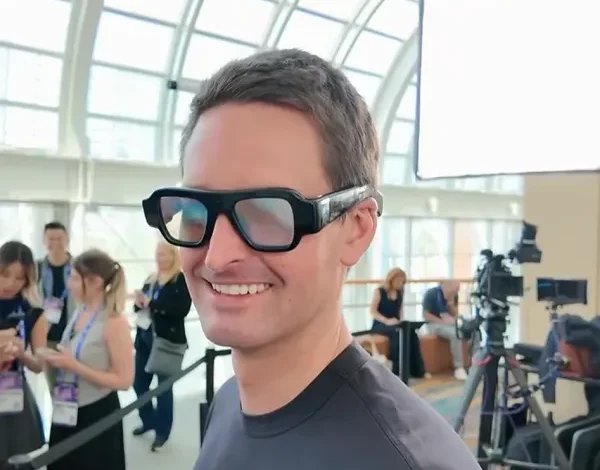
- Snapchat’s AR Specs: The recent preview of Snapchat’s forthcoming AR Specs at a launch event met with widespread criticism, primarily due to their "absurdly big" design. Images featuring company CEO Evan Spiegel modeling the glasses, with his ear noticeably folded under the weight of the huge frames, went viral. Industry analysts quickly pointed out that the expanded functionality of these glasses is unlikely to outweigh their lack of a "cool factor," especially with an anticipated price tag of $2,000 per pair. Despite Snap’s efforts to collaborate with celebrities for promotion, market demand is predicted to be muted.
- The "Uncool" Factor and Celebrity Backlash: The growing storm of negative sentiment is not just confined to tech critics. Even cultural figures are speaking out. Pop singer Lorde, for instance, reportedly told a crowd at Madrid’s Mad Cool festival that the proliferation of AI glasses made it increasingly difficult to know when she was being recorded. Her candid advice – "Don’t get the glasses. Not sexy" – while seemingly anecdotal, symbolizes a broader cultural shift against these wearables. This sentiment risks quickly rendering them "uncool" or, worse, socially unacceptable.
- The "Pervert Glasses" Label: Reports, including one from Engadget, indicate that Meta’s glasses are now becoming colloquially known as "pervert glasses." This pejorative term highlights the deep societal discomfort with devices that enable surreptitious recording. The negative public response has reached a point where some users are reportedly ashamed to wear their AI glasses in public, fearing social ostracization or direct confrontation. This phenomenon is a critical blow to any product aiming for mainstream consumer adoption, as social acceptance is often as crucial as functionality.
Regulatory Pushback and Legal Restrictions: A Repeat of History?
The increasing public and ethical concerns are translating into concrete regulatory and legal restrictions, mirroring the fate of Google Glass a decade ago.
- The Ghost of Google Glass: Google learned this lesson the hard way in 2015 when it discontinued consumer sales of its Google Glass device after just two years. While hardware limitations and a lack of compelling functionality played a role, a primary driver was the $1,500 price tag and, critically, the widespread stigma associated with wearing the glasses in public. The distinctive look of Google Glass quickly lost its novelty and became a reason for scorn, leading to the derogatory term "Glasshole." Furthermore, Google Glass devices were banned from various public spaces, including bars, movie theaters, and casinos, precisely because of their recording capabilities.
- Current Restrictions on AI Glasses: Meta’s AI glasses appear destined for a similar fate. Syracuse.com reported that the New York Office of Court Administration announced a ban on all camera-equipped glasses from all courts starting this month. This move is widely expected to be the first of many jurisdictions to implement similar restrictions, severely limiting the utility and perceived value of these devices for users who wish to wear them throughout their daily lives. The inability to wear and use these glasses in common public and private settings fundamentally undermines the "always-on" AI assistant concept that Meta is promoting.
Broader Impact and Implications for the Industry
The combined weight of negative consumer responses and mounting regulatory restrictions poses an existential threat to the nascent smart glasses industry. This could severely dash Meta’s long-term hopes of glasses superseding phones as the primary connective devices, a cornerstone of its "metaverse" vision.
- Meta’s AI Bet: Meta has gone "all-in" on AI, viewing the technology as the catalyst for a transformative shift in human-computer interaction. While AI tools have proven valuable in specific enterprise applications, their broad consumer applications have yet to deliver the promised revolutionary experiences. Alexandr Wang, Meta’s highest-profile AI recruit and head of its Superintelligence unit, acknowledged this reality in May on The Core Memory podcast. Wang stated that while many people find AI tools "somewhat helpful," overall user experiences "are not overwhelmingly better" as a result of AI implementation. He emphasized that the onus is on Meta to build more valuable AI tools and win over users, with the AI glasses push being a critical component designed to provide ubiquitous access to an AI assistant.
- The Innovation vs. Trust Dilemma: The current trajectory highlights a critical dilemma for tech innovators: how to balance ambitious technological advancement with fundamental considerations of privacy, ethics, and social acceptance. The industry often operates on the principle of "move fast and break things," but when the "things" being broken are societal norms and individual privacy, the backlash can be swift and severe. Companies must learn that public trust is not an optional extra but a foundational requirement for widespread adoption of pervasive technologies.
- Financial and Strategic Repercussions: The significant investments made by Meta, Snap, and others in smart glasses represent substantial financial bets. If these devices fail to gain mainstream traction due to privacy concerns and social stigma, it could lead to considerable write-downs, slow down the development of next-generation computing platforms, and potentially shift focus back to more traditional form factors or more cautiously designed wearables. The "pervert glasses" label, if it sticks, could permanently damage the brand image for future iterations, regardless of technological improvements.
- The Future of Pervasive Computing: The current challenges facing AI glasses raise fundamental questions about the future of pervasive computing. While the potential for augmented reality and always-on AI is immense, the industry must demonstrate a clear commitment to privacy-by-design, transparent usage policies, and robust ethical frameworks. Without these safeguards, the negative use cases – surveillance, non-consensual recording, and data exploitation – are likely to dominate public perception, overshadowing any potential benefits and ultimately stifling innovation in this promising, yet contentious, technological frontier.
In conclusion, while the initial sales figures for Meta’s AI glasses offered a glimmer of optimism, the intensifying criticism surrounding privacy, functionality, and social acceptability threatens to extinguish that hope. The combined force of public backlash, celebrity disapproval, and growing regulatory action suggests that, without a significant re-evaluation of design philosophy and a renewed commitment to ethical development, AI glasses may well follow Google Glass into the annals of promising technologies that failed to overcome the crucial barrier of human acceptance. The industry stands at a critical juncture, needing to demonstrate that its vision for the future can coexist harmoniously with fundamental human rights and societal values.