Samsung Galaxy Z Fold 8 Unveils Svelte Design with Flagship Power, But Key Omissions Raise Questions on Value Proposition


The latest iteration in Samsung’s pioneering foldable series, the Galaxy Z Fold 8, represents a significant leap forward in design and engineering, building upon the foundational changes introduced with its predecessor, the Galaxy Z Fold 7. Last year, Samsung initiated a crucial shift by addressing one of the most persistent criticisms of the Fold lineup: the disproportionately narrow cover display. The Z Fold 7 offered a noticeably thinner profile and a more ergonomic external screen, signaling a clear strategic direction for the company’s foldable future. The Galaxy Z Fold 8 pushes this vision considerably further, delivering a device that is demonstrably wider, thinner, and lighter, setting new benchmarks in the book-style foldable category. While these advancements are impressive on paper and even more so in person, a closer examination reveals that this radical redesign was not achieved without notable sacrifices, prompting a critical evaluation of its overall value proposition, especially when viewed alongside its more premium sibling, the Galaxy Z Fold 8 Ultra.
A New Benchmark in Foldable Engineering: The Quest for Thinness and Lightness
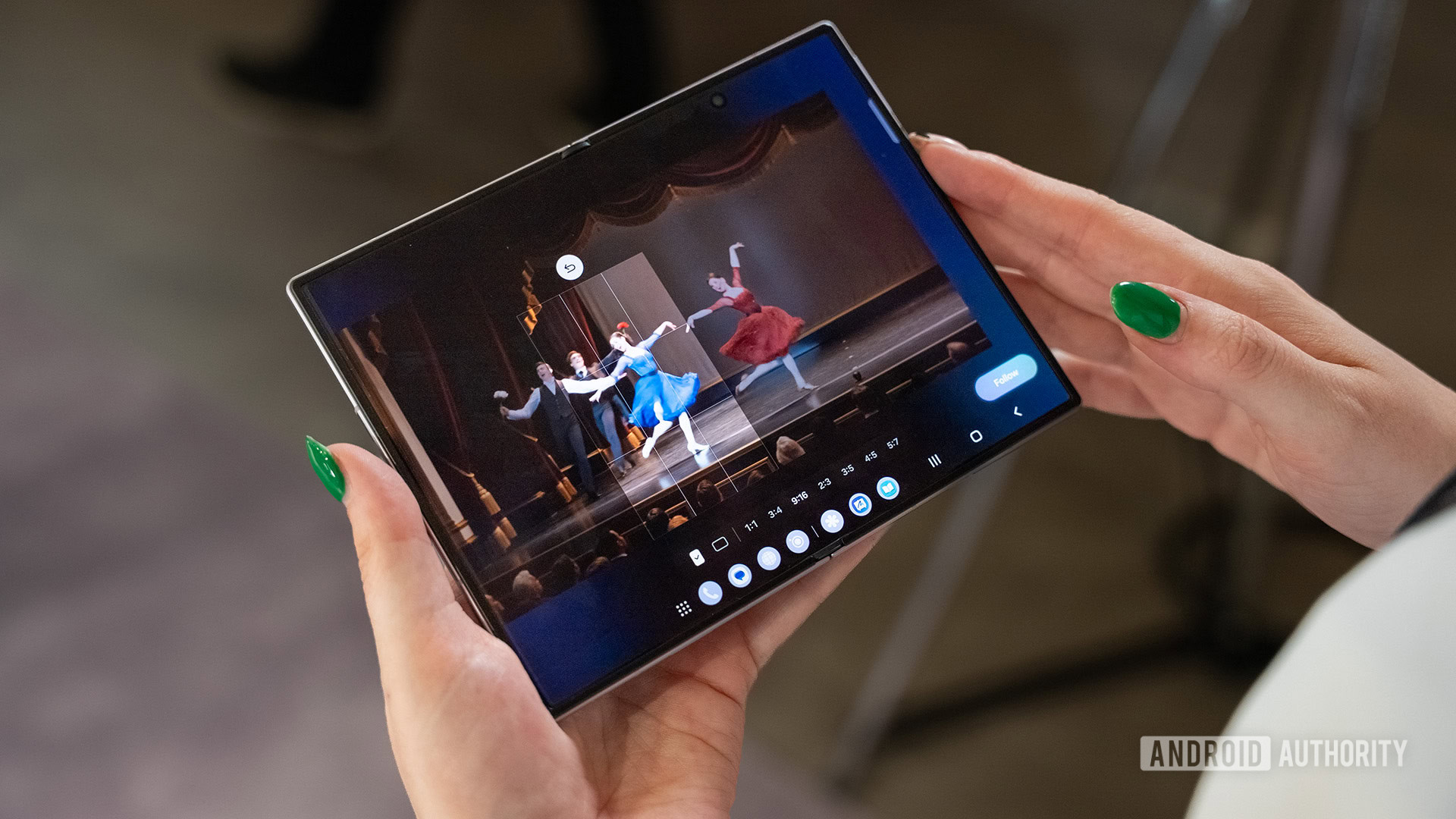
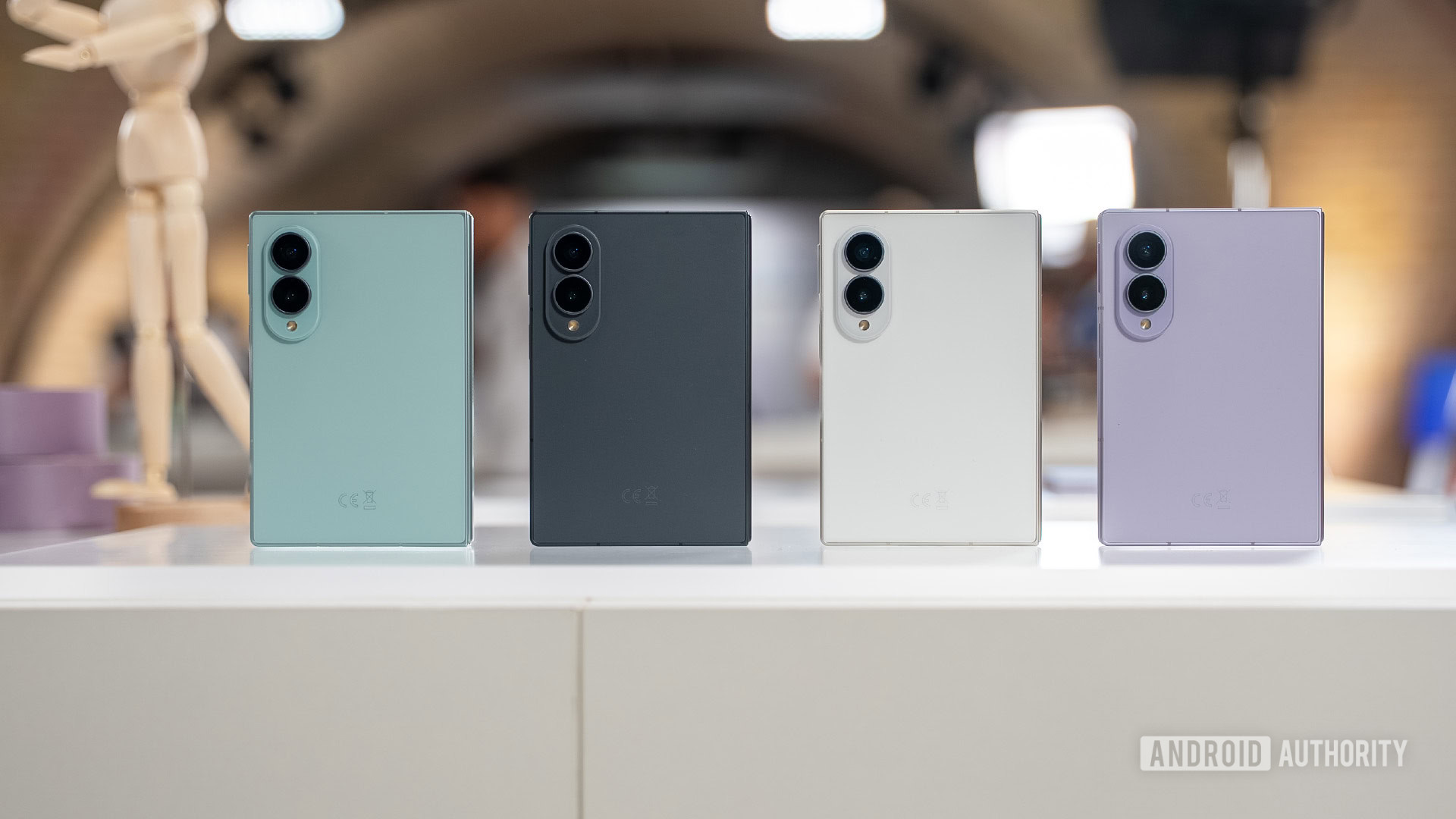
Samsung’s engineering prowess is undeniably on display with the Galaxy Z Fold 8. The device now claims the title of the world’s lightest book-style foldable, tipping the scales at a mere 201 grams. This achievement is particularly noteworthy considering that the Galaxy Z Fold 7, at 215 grams, already held this distinction, meaning Samsung has meticulously shaved off an additional 14 grams in a single generation. While a 14-gram reduction might seem subtle in isolation, its cumulative impact on daily handling and pocketability is significant, especially in a device category where weight has often been a barrier to mainstream adoption. The difference becomes palpable when directly comparing the Fold 8 to its predecessors or even to competing foldables, underscoring a remarkable feat of material science and structural design.
Beyond its reduced weight, the Z Fold 8 redefines expectations for thickness. When unfolded, the device measures an astonishingly slender 4.5mm. To put this into perspective, this makes the Fold 8 thinner than many contemporary "slab" smartphones, including Samsung’s own Galaxy S25 Edge, which measures 5.8mm. This architectural achievement is even more pronounced when considering the inherent complexities of designing a device that folds in half, requiring intricate hinge mechanisms and dual display layers. For those seeking the absolute pinnacle of thinness, the concurrently launched Galaxy Z Fold 8 Ultra pushes the envelope further, arriving at an almost unbelievable 4.1mm when unfolded. This relentless pursuit of a thinner form factor reflects a broader industry trend to make foldables less bulky and more akin to traditional smartphones when closed, and a tablet when open.
Enhanced Usability: The Wider Cover Display and Immersive Inner Screen
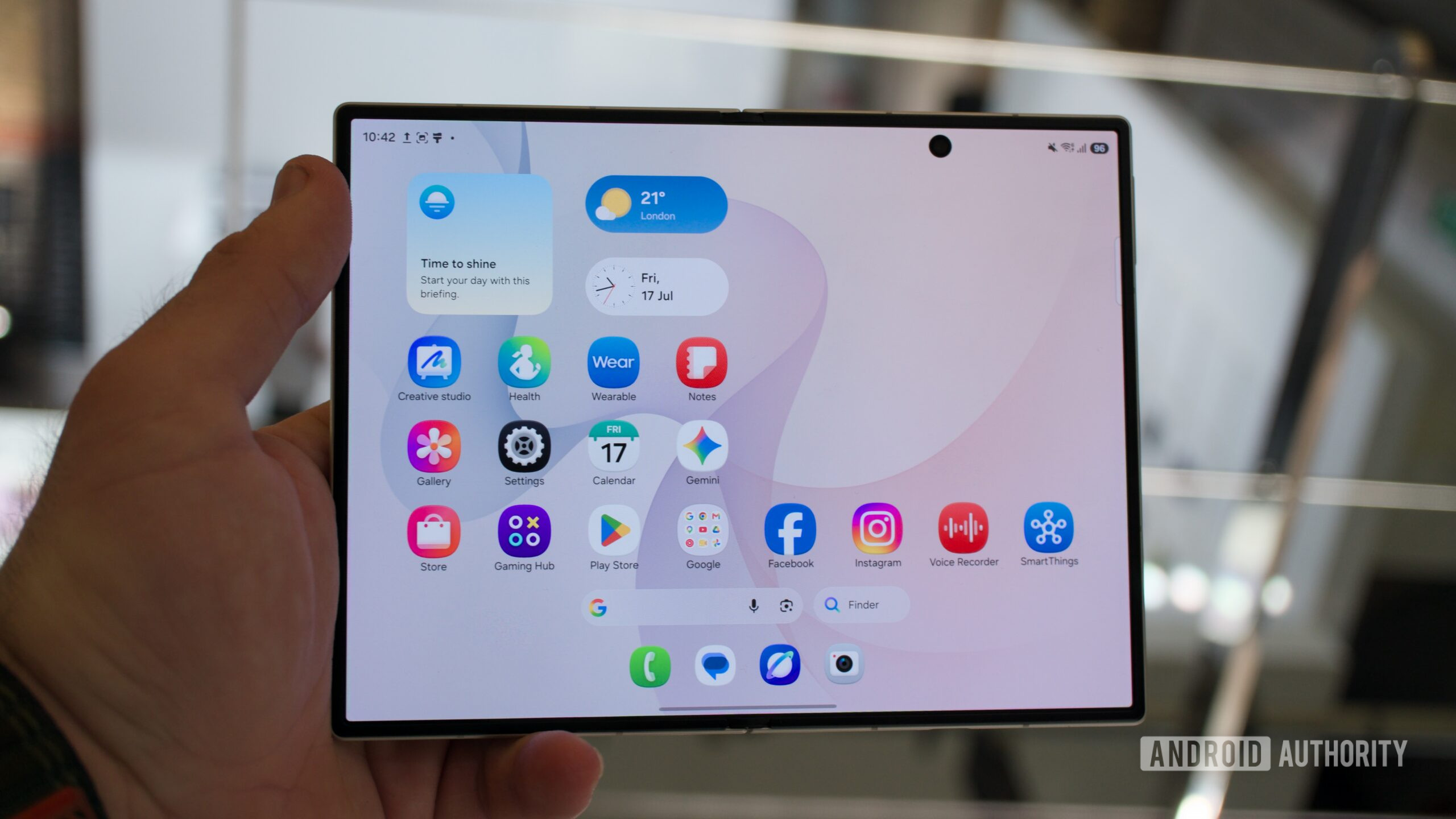
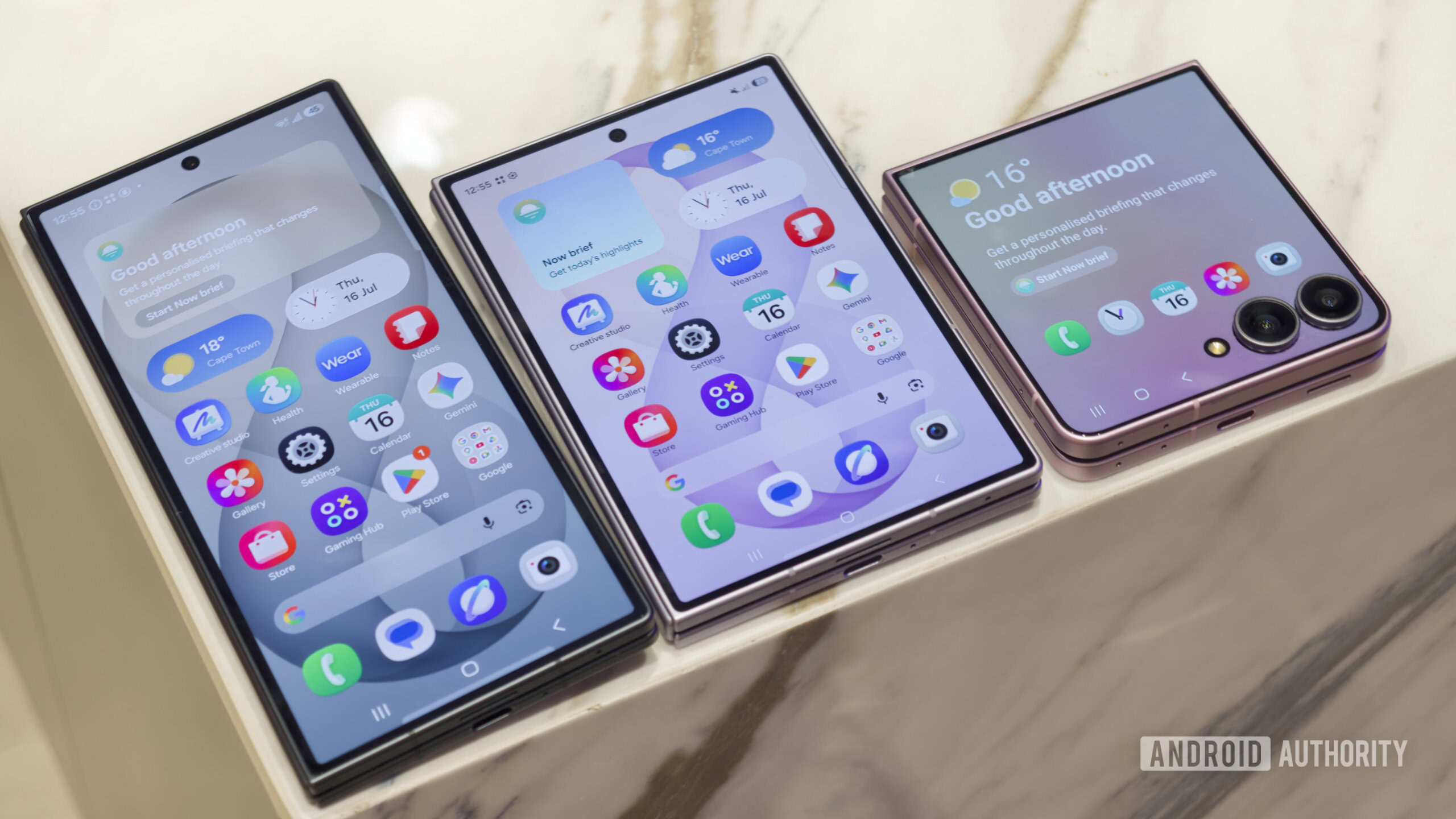
One of the most impactful quality-of-life upgrades in the Galaxy Z Fold 8 is its noticeably wider cover display. Previous Fold models often drew criticism for their awkwardly narrow external screens, which sometimes felt more like a secondary notification panel than a fully functional smartphone interface. This often compelled users to unfold the device for even routine tasks. The Fold 8, however, transforms the cover screen into a genuinely usable interface that closely mirrors the experience of a conventional smartphone. This allows for comfortable text input, seamless social media browsing, and efficient information retrieval without the constant need to open the device. This ergonomic improvement significantly enhances the device’s versatility and appeals to users who prioritize single-handed operation or quick interactions.
When unfolded, the device unveils a sprawling internal display that truly embodies the concept of a tablet in one’s pocket. This expansive canvas is ideal for a myriad of productivity and entertainment tasks, from intensive multitasking with multiple applications running simultaneously, to immersive video consumption, detailed photo and video editing, and extensive document review. The larger aspect ratio further enhances the immersive qualities, making it a compelling device for power users and creatives alike.
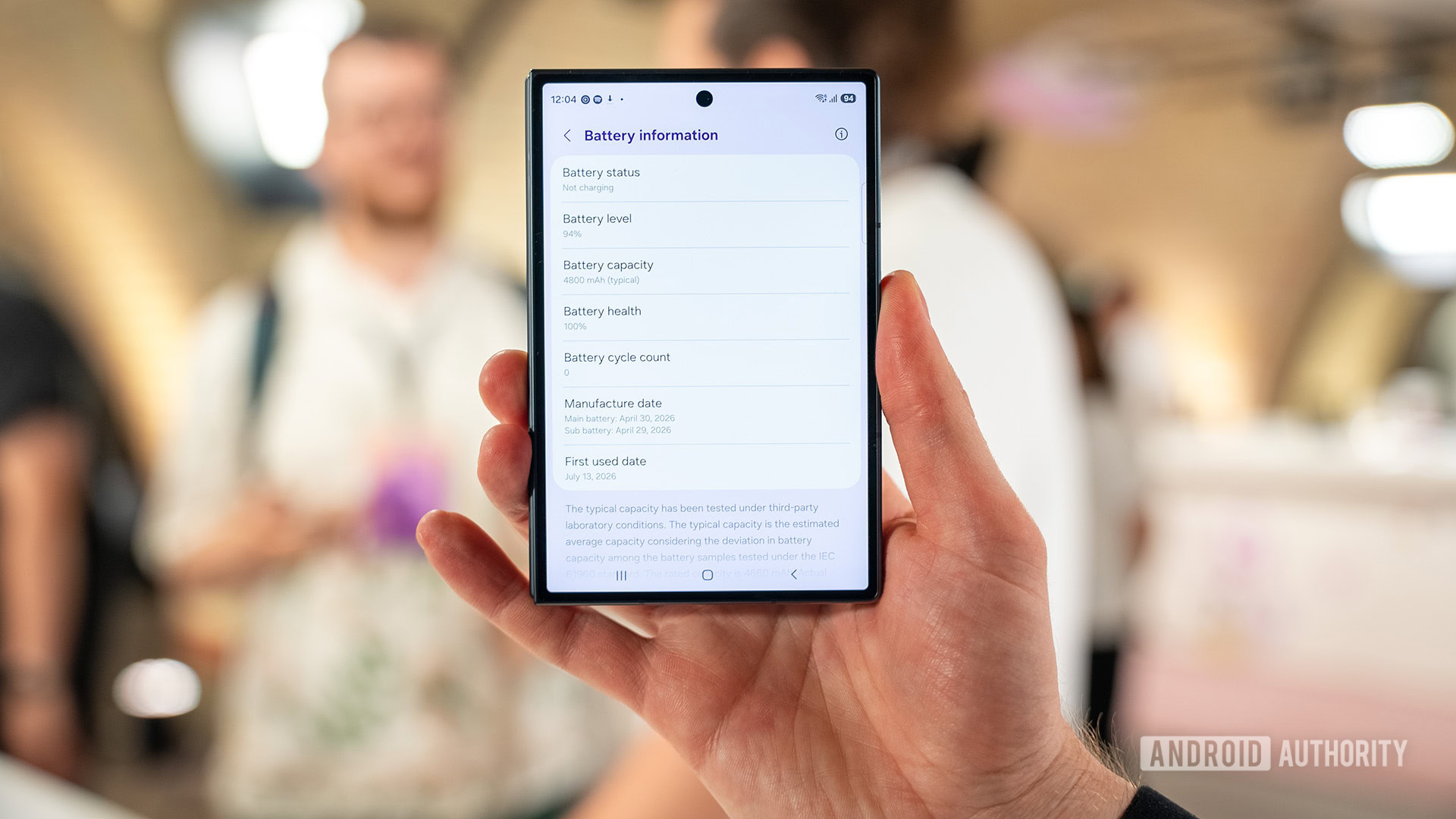
Crucially, Samsung appears to have balanced its pursuit of a sleeker design with practical considerations. Despite the aggressive reduction in thickness and weight, the Galaxy Z Fold 8 manages to house a substantial 4,800mAh battery. This capacity is only 200mAh shy of the larger Galaxy Z Fold 8 Ultra’s 5,000mAh unit, representing a thoughtful compromise that prioritizes a balanced user experience over merely winning the "thinnest phone" race at all costs. This strategic decision aims to ensure that the device’s svelte profile does not come at the expense of day-long battery life, a critical factor for any premium smartphone.
Performance Powerhouse with Unanswered Thermal Questions
Underpinning the Galaxy Z Fold 8’s sophisticated design is a formidable performance engine. The device is powered by Qualcomm’s latest flagship mobile platform, the Snapdragon 8 Elite Gen 5 for Galaxy. This custom-tuned chipset, also found in the more expensive Galaxy Z Fold 8 Ultra, ensures that the Fold 8 delivers uncompromising raw performance. Users can expect instantaneous app launches, fluid multitasking across demanding applications, and seamless execution of graphics-intensive games. The inclusion of the top-tier processor in the standard Fold model signals Samsung’s commitment to delivering a premium experience across its foldable portfolio, avoiding a tiered performance strategy often seen in other product lines. Previous generations, such as the Galaxy Z Fold 7, already offered robust performance, and the Fold 8 is anticipated to build upon this foundation with enhanced efficiency and speed.
However, the pursuit of extreme thinness inevitably introduces engineering challenges, particularly concerning thermal management. High-performance chipsets generate considerable heat, and the constrained internal volume of an ultra-thin foldable leaves less room for heat dissipation. This raises a pertinent question regarding the Galaxy Z Fold 8’s sustained performance under heavy load. Extended gaming sessions, prolonged video recording at high resolutions, intensive photo and video editing, or juggling multiple demanding applications simultaneously could potentially lead to thermal throttling. While Samsung likely employs advanced cooling solutions, the real-world performance in terms of sustained clock speeds and external temperature management will be a crucial aspect for reviewers and users to evaluate. Maintaining comfortable operating temperatures without sacrificing performance is a delicate balance that thin devices often struggle with, and the Fold 8’s success in this area will significantly influence its long-term appeal.
Strategic Sacrifices: The Missing Telephoto Lens and S Pen
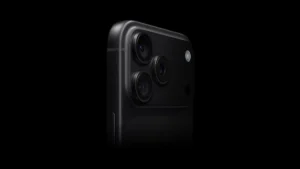
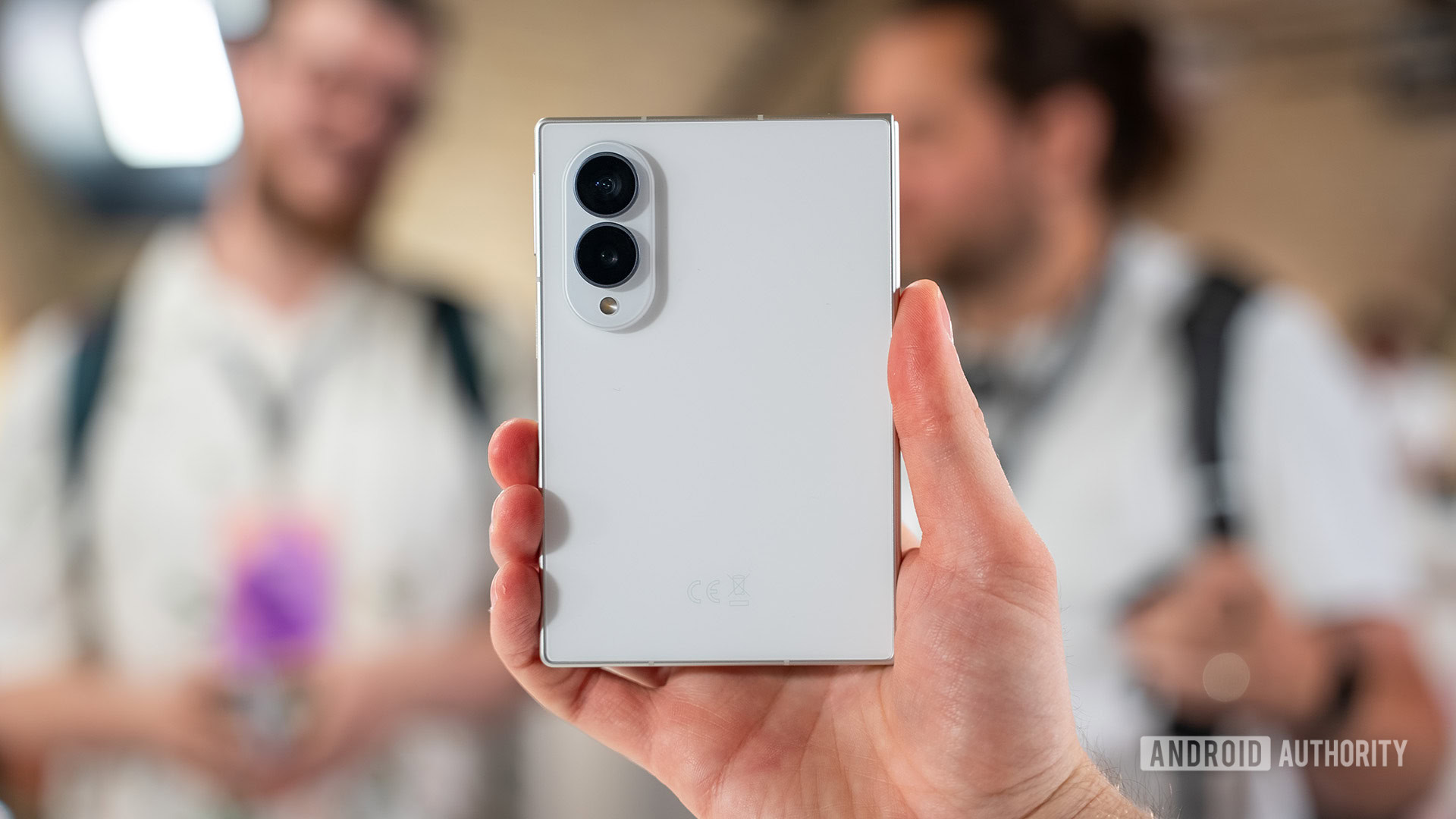
Despite its many advancements, the Galaxy Z Fold 8 makes several strategic omissions that warrant careful consideration, particularly given its premium price point. The device features a dual-camera setup on its rear: a 50MP primary sensor and a 50MP ultrawide camera. While Samsung’s track record suggests these cameras will deliver excellent image quality, characterized by vibrant colors and reliable performance, the absence of a dedicated telephoto camera is a significant drawback for a device positioned at the apex of the smartphone market. High-end smartphones, especially those in the luxury or "aspirational" category, are typically expected to offer a comprehensive camera system that includes optical zoom capabilities. Many conventional flagship phones, and even some mid-range devices, incorporate telephoto lenses, making its exclusion on a device costing nearly $1,900 a curious decision. This choice might reflect a space-saving measure to achieve the ultra-thin design or a deliberate strategy to differentiate the Fold 8 Ultra, which is presumed to include a more robust camera array.
On a more positive note, Samsung has finally addressed a long-standing complaint regarding charging speeds. The Galaxy Z Fold 7’s 25W charging was notoriously slow, particularly for a device with its battery capacity. The Galaxy Z Fold 8 introduces a welcome upgrade to 45W wired charging, a substantial improvement that significantly enhances daily convenience. Samsung claims this faster charging can replenish the battery from 0 to 65% in just 30 minutes. For users who frequently find themselves with low battery at critical moments, this speed boost is a genuinely impactful quality-of-life improvement. Moreover, this faster charging technology is not exclusive to the Ultra model; both the Galaxy Z Fold 8 and the Fold 8 Ultra benefit from the same 45W charging speeds, demonstrating a commitment to delivering essential features across the lineup.
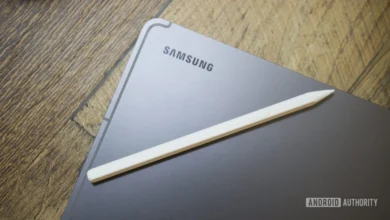
However, the good news regarding features ends with another notable omission: the discontinuation of S Pen support for the standard Galaxy Z Fold 8. The S Pen has historically been a defining feature for Samsung’s larger-screen devices, particularly the Note series and more recently, the Fold line. The expansive, tablet-sized internal display of a foldable device inherently lends itself to stylus input, facilitating tasks such as sketching, annotating documents, signing PDFs, or simply jotting down quick notes. The S Pen transformed the Fold from a mere large-screen phone into a potent productivity tool and a creative canvas. Removing this capability from the Fold 8 strips away one of its most unique and valuable advantages, potentially alienating a segment of users who rely on stylus functionality for their workflow or creative endeavors. This decision likely aims to further differentiate the Fold 8 Ultra, which is expected to retain S Pen compatibility, or to simplify the internal design and reduce costs for the base model.
The "Ultra" Dilemma: A Sibling Rivalry in the Premium Segment
The pricing structure of Samsung’s latest foldable offerings creates an intriguing internal dynamic. The Galaxy Z Fold 8 starts at $1,899, while the Galaxy Z Fold 8 Ultra begins at $2,100. This $200 price difference between the two models presents a significant dilemma for prospective buyers. On the surface, the Fold 8 appears to offer remarkable value, incorporating many of the Ultra’s most compelling features, such as the flagship Snapdragon 8 Elite Gen 5 for Galaxy processor and the much-improved 45W fast charging, all within a similarly impressive, thin, and light design. From a performance and core design standpoint, the Fold 8 does not feel like a heavily compromised device.
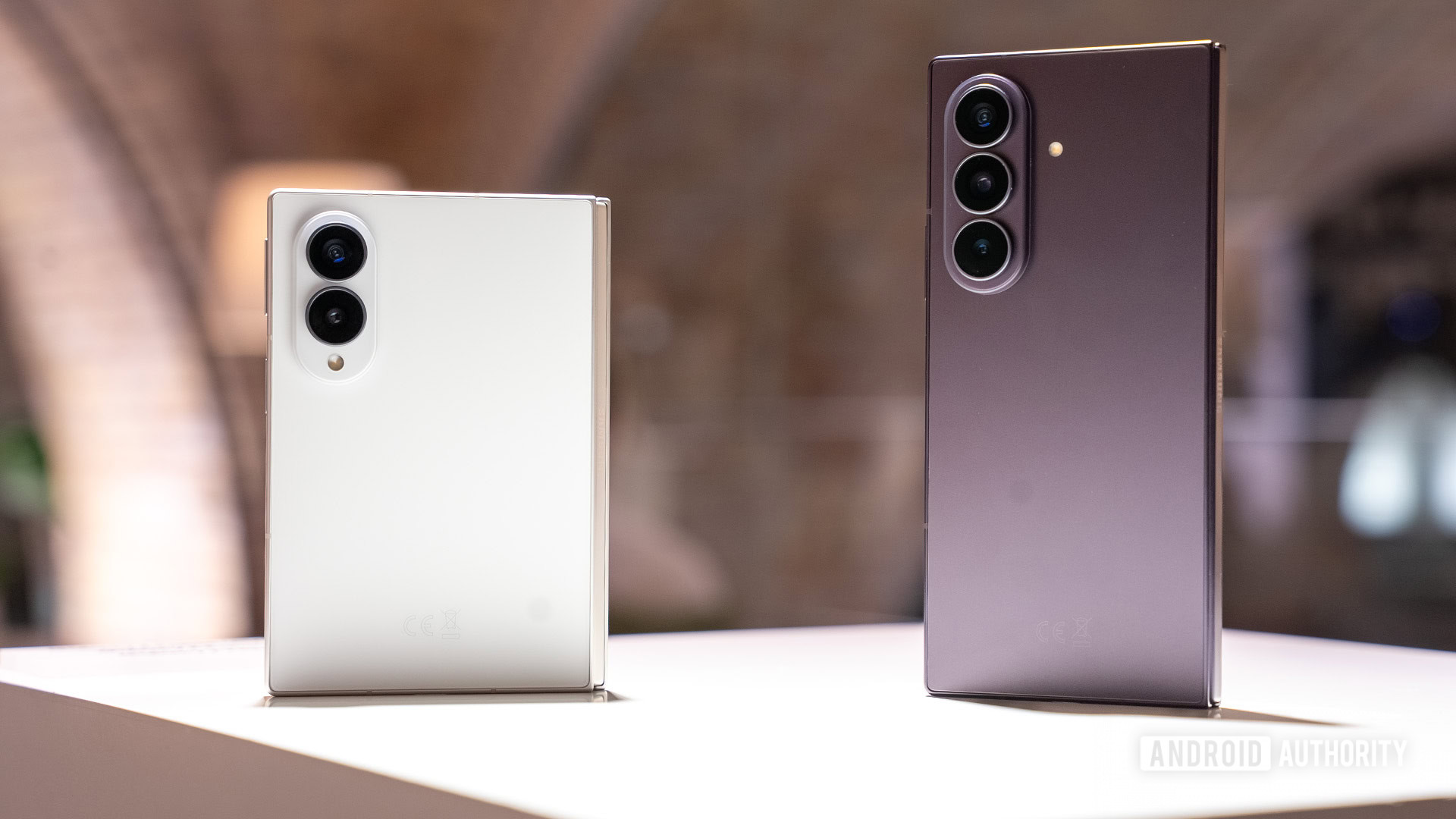
However, this proximity in pricing is precisely where Samsung may have inadvertently created a self-cannibalization problem. The relatively small price gap for the Ultra model, which is expected to offer additional premium features such as a dedicated telephoto camera, S Pen support, and a slightly larger battery, makes the higher-tier option exceptionally appealing. The situation is akin to a traveler who has already committed to a premium economy flight ticket, only to discover that an upgrade to business class is available for a marginal additional cost. In such scenarios, the perceived value jump for a comparatively small incremental investment often sways consumers towards the more luxurious option.
This positioning places the Galaxy Z Fold 8 in an awkward competitive space, not primarily against other foldable brands, but against its own sibling. While the Fold 8 is an excellent device in its own right, its near-$1,900 price tag, coupled with the omission of a telephoto lens and S Pen support, makes the $2,100 Fold 8 Ultra a seemingly more complete and justifiable investment for the discerning high-end user. The Ultra, for a relatively modest additional outlay, likely provides the full suite of features expected from a top-tier luxury foldable, addressing the very shortcomings found in the standard Fold 8.
Broader Market Implications and Future Outlook
The launch of the Galaxy Z Fold 8 and Fold 8 Ultra arrives at a crucial juncture for the foldable smartphone market. While Samsung has historically dominated this nascent segment, competition is rapidly intensifying. Players like Google with its Pixel Fold, OnePlus with the OnePlus Open, Honor with the Magic V2, and Huawei with its Mate X series are all vying for market share, often pushing boundaries in design, hinge technology, and camera capabilities. The Fold 8’s design innovations in thinness and lightness are critical for maintaining Samsung’s competitive edge, addressing key usability concerns that have slowed broader foldable adoption.
However, the strategic decisions regarding feature segmentation and pricing could have broader implications for Samsung’s foldable strategy. Is the Galaxy Z Fold 8 intended to be a highly capable, albeit slightly trimmed-down, baseline foldable that encourages broader adoption, or is its pricing primarily designed to push users towards the more profitable Ultra variant? The answer to this question will be revealed in market reception and sales figures. The absence of S Pen support and a telephoto lens on a device of this caliber suggests a deliberate effort to create clear tiers within Samsung’s foldable ecosystem, potentially positioning the Fold 8 Ultra as the true "no-compromise" flagship for those willing to pay a slight premium.
Ultimately, the true measure of the Galaxy Z Fold 8’s success will depend on real-world performance assessments, including comprehensive battery life tests, in-depth camera evaluations, thermal management under stress, and overall user experience. However, based on the initial specifications and pricing, the Galaxy Z Fold 8 presents a paradoxical situation. It is a technological marvel that achieves remarkable feats in design and core performance, making it highly desirable. Yet, its close proximity in price to the more feature-rich Galaxy Z Fold 8 Ultra, combined with its strategic omissions, could inadvertently lead many potential buyers to opt for its sibling instead, leaving the Fold 8 caught in the shadow of its own family. This dynamic underscores the complex balance manufacturers must strike between innovation, cost, and perceived value in the rapidly evolving premium smartphone landscape.